

How Smart Supply Chain Planning Makes Solar Projects More Affordable
Optimize your supply chain network by mapping critical delivery routes, identifying potential bottlenecks, and establishing redundant supplier relationships. Strategic network design directly impacts operational efficiency, cost reduction, and customer satisfaction across Illinois’ diverse business landscape. Modern solar project management demands sophisticated supply chain solutions that balance local inventory management with just-in-time delivery systems.
Data-driven modeling tools now enable businesses to simulate different network configurations, predict demand patterns, and optimize warehouse locations for maximum coverage. This systematic approach reduces transportation costs by up to 20% while maintaining reliable service levels. Real-time tracking and analytics provide unprecedented visibility into supply chain operations, allowing companies to make informed decisions about resource allocation and risk management.
By implementing smart inventory controls and leveraging regional distribution centers, businesses can significantly improve their response time to market changes while minimizing carrying costs. The key lies in creating a flexible, resilient network that can adapt to seasonal demand fluctuations and unexpected disruptions while maintaining consistent service quality.
The Solar Supply Chain Challenge in Illinois
Local vs. International Sourcing
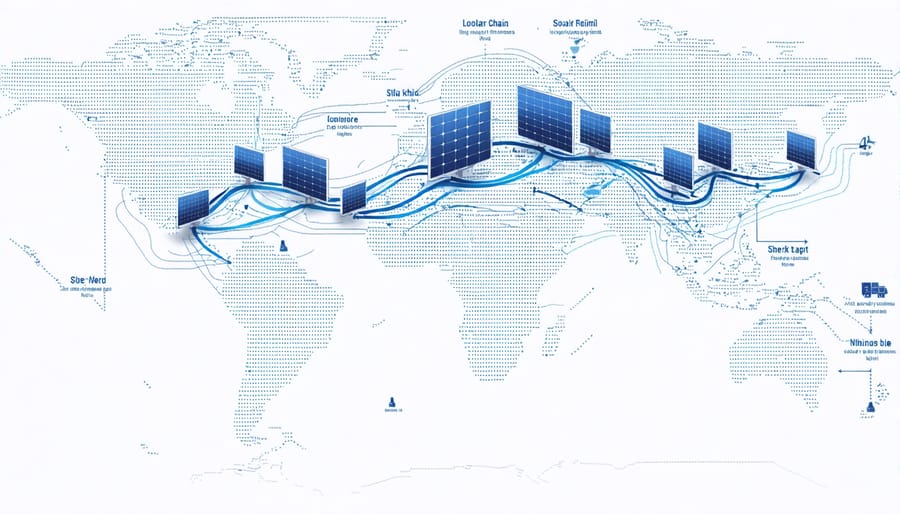
In the dynamic Illinois solar market, choosing between local and international suppliers requires careful consideration of multiple factors. Local sourcing often provides faster delivery times, reduced transportation costs, and better relationship management with suppliers. It also supports the local economy and allows for easier quality control and site visits. However, international sourcing can offer competitive pricing advantages and access to specialized components that might not be available locally.
For solar projects in Illinois, a balanced approach often works best. Critical components like inverters and specialized panels might come from established international manufacturers, while mounting systems, wiring, and support structures can be sourced locally. This hybrid strategy helps optimize costs while maintaining quality and reliability. The key is to evaluate each component based on factors such as lead times, shipping costs, quality requirements, and warranty support. Regular market analysis and supplier evaluation ensure the sourcing strategy remains effective and adapts to changing market conditions.
Seasonal Demands and Storage Solutions
Illinois’ distinct seasonal patterns significantly impact solar supply chain management, requiring careful planning and adaptive storage solutions. During summer months, when solar panel demand peaks due to longer daylight hours and increased cooling needs, maintaining adequate inventory becomes crucial. Conversely, winter months often see reduced installation activity, necessitating strategic storage management.
Temperature fluctuations in Illinois, ranging from below-freezing winters to humid summers, demand climate-controlled storage facilities for sensitive solar components. Inverters and batteries particularly require stable environmental conditions to maintain their integrity. Many successful solar businesses implement just-in-time inventory systems during peak seasons while maintaining buffer stock during slower periods.
Local warehousing solutions near major metropolitan areas like Chicago, Springfield, and Rockford help optimize delivery times and reduce transportation costs. Smart inventory management systems track seasonal trends, allowing businesses to anticipate demand spikes and adjust stock levels accordingly. This data-driven approach helps maintain optimal inventory levels while minimizing storage costs and ensuring quick response times to customer needs throughout the year.
Streamlining Your Solar Project’s Supply Chain
Just-in-Time Inventory Management
Just-in-Time (JIT) inventory management has revolutionized how solar energy companies handle their supply chains, particularly in managing components like panels, inverters, and mounting systems. This approach minimizes storage costs and reduces the risk of holding outdated technology by delivering materials only when needed for installation or assembly.
For solar businesses in Illinois, implementing JIT inventory requires careful coordination with suppliers and accurate demand forecasting. This system works by maintaining minimal stock levels while ensuring materials arrive precisely when required for upcoming installations. Real-time tracking systems and sophisticated inventory management software help monitor stock levels and automatically trigger orders when supplies reach predetermined thresholds.
The benefits of JIT inventory in solar operations include reduced warehouse space requirements, lower carrying costs, and decreased risk of material obsolescence. However, success depends on reliable supplier relationships and efficient transportation networks. Companies must also consider seasonal variations in solar installation demand and potential supply chain disruptions.
To implement JIT effectively, businesses should:
– Establish strong partnerships with local suppliers
– Implement robust inventory tracking systems
– Develop accurate demand forecasting methods
– Create contingency plans for supply chain disruptions
– Maintain clear communication channels with all stakeholders
This approach is particularly valuable in the rapidly evolving solar industry, where technology changes quickly and storing large quantities of components can be risky.
Strategic Supplier Partnerships
Strategic partnerships with suppliers form the backbone of an efficient solar supply chain network. In Illinois’s growing solar market, cultivating strong relationships with reliable suppliers ensures consistent access to high-quality solar panels, inverters, and other essential components. These partnerships go beyond traditional buyer-seller relationships, evolving into collaborative arrangements that benefit both parties.
Local solar companies can optimize their supply chains by establishing long-term agreements with manufacturers and distributors. These agreements often include preferential pricing, priority shipping, and dedicated support channels. For instance, partnering with suppliers who maintain warehouses in the Midwest can significantly reduce delivery times and transportation costs for Illinois-based installations.
Quality assurance becomes more manageable through trusted supplier partnerships. Regular communication channels help address potential issues before they impact project timelines, while shared inventory management systems enable better forecasting and reduced storage costs. This transparency also helps maintain consistent stock levels during peak installation seasons, particularly important in Illinois’s weather-dependent solar market.
To build effective supplier partnerships, companies should:
– Evaluate suppliers based on reliability, quality, and local presence
– Establish clear communication protocols
– Develop mutual performance metrics
– Create contingency plans for supply disruptions
– Implement regular review processes
These strategic relationships ultimately lead to more competitive pricing for customers while ensuring project timelines stay on track.
Digital Tools for Supply Chain Management
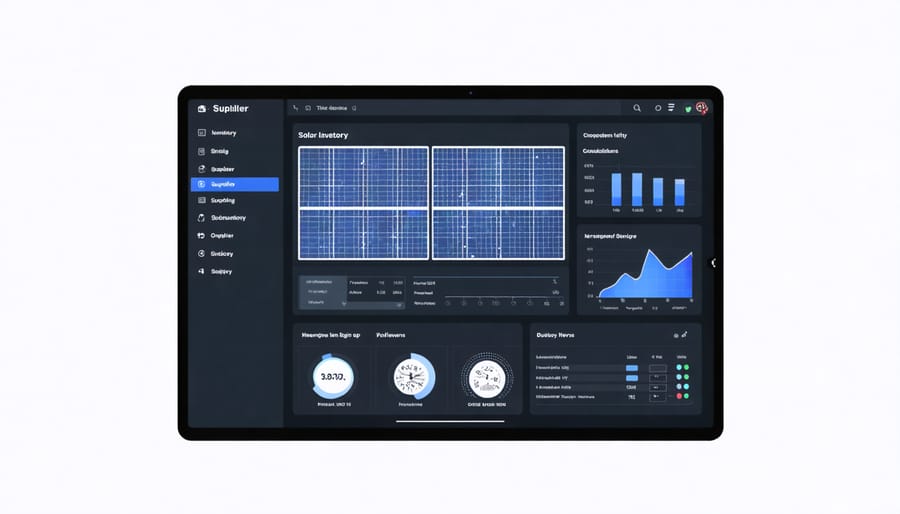
Modern supply chain management relies heavily on advanced digital tools to streamline operations and maximize efficiency. Solar companies in Illinois are increasingly adopting digital supply chain analytics to better track inventory, monitor shipments, and optimize their distribution networks.
Key digital solutions include inventory management systems that provide real-time visibility of solar components, automated ordering systems that maintain optimal stock levels, and route optimization software that reduces transportation costs. These tools help solar installers maintain precise control over their supply chains while reducing operational costs.
Cloud-based platforms enable seamless collaboration between suppliers, manufacturers, and installers, ensuring everyone works from the same information. Mobile applications allow field teams to update inventory status and track deliveries instantly, while predictive analytics help forecast demand and prevent stockouts of critical components.
For Illinois solar businesses, these digital tools are particularly valuable during seasonal peaks when managing multiple installation projects. They help coordinate material deliveries across different job sites, optimize warehouse space, and ensure crews have the right equipment when needed. Integration with project management software further streamlines operations by connecting supply chain data with installation schedules and customer requirements.
Cost Benefits of Optimized Supply Chains
Reduced Storage Costs
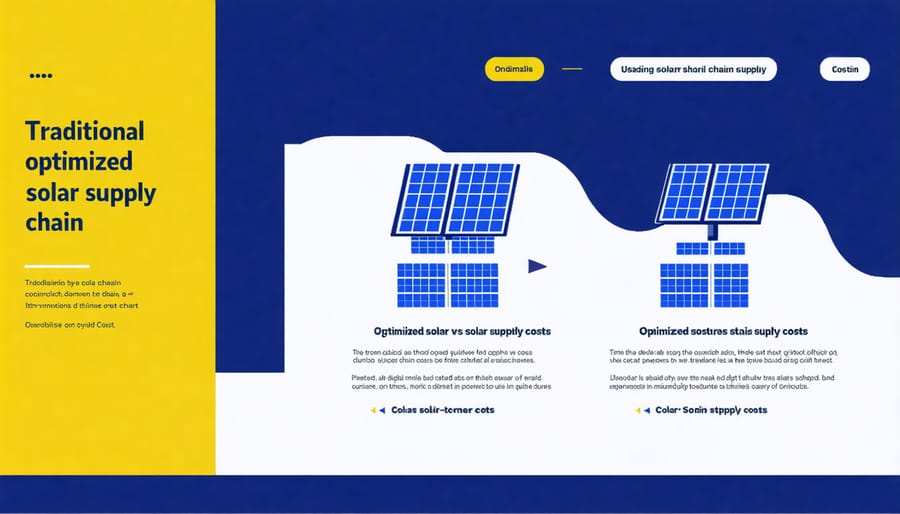
Effective supply chain network optimization leads to significant reductions in storage costs through smarter inventory management practices. By analyzing data patterns and demand forecasting, businesses can maintain optimal inventory levels that prevent both stockouts and excess storage. This balanced approach typically results in a 15-30% reduction in warehouse space requirements and associated costs.
In the solar energy sector, improved inventory management is particularly crucial due to the specialized nature of equipment and components. Better forecasting allows companies to coordinate deliveries with installation schedules, reducing the need for long-term storage of expensive solar panels and mounting systems. This just-in-time approach not only minimizes storage costs but also reduces the risk of damage to sensitive equipment.
Additionally, strategic warehouse placement within the optimized network helps decrease overall storage expenses. By positioning inventory closer to high-demand areas in Illinois, companies can maintain smaller satellite storage facilities instead of large centralized warehouses. This distributed storage model often results in lower real estate costs and reduced insurance premiums.
The cost savings extend beyond physical storage space. Modern inventory management systems reduce labor costs associated with warehouse operations, minimize the capital tied up in stored inventory, and decrease the likelihood of inventory obsolescence – a particular concern in the rapidly evolving solar technology sector.
Faster Project Completion
Optimizing your supply chain network can significantly accelerate project completion times, leading to substantial financial benefits for solar installations in Illinois. When materials and components flow efficiently through your supply chain, projects that traditionally took months can often be completed in weeks, allowing you to take on more installations and increase revenue.
The faster completion times directly translate to reduced labor costs, as crews spend less time waiting for materials or dealing with logistics issues. For example, a streamlined supply chain can cut installation time by 20-30%, resulting in significant savings on workforce expenses. This efficiency also means less time spent on site management and reduced equipment rental periods.
Quick project turnaround times enhance customer satisfaction and can lead to more referrals. When homeowners and businesses see their solar installations completed ahead of schedule, they’re more likely to recommend your services to others. This positive word-of-mouth can create a steady stream of new business opportunities.
Moreover, faster project completion reduces exposure to weather-related delays and potential material price fluctuations, common challenges in Illinois’ variable climate. By minimizing the time between initial material purchase and project completion, you can better protect your profit margins and maintain competitive pricing for your customers.
These time savings also allow for better resource allocation, enabling you to schedule more projects throughout the peak solar installation seasons in Illinois.
Real-World Success Stories
The successful implementation of supply chain optimization in Illinois solar projects has yielded remarkable results across various scales. Take, for example, the Springfield Solar Farm project, where streamlined logistics reduced installation time by 35% and cut material waste by 40%. By carefully coordinating deliveries and maintaining optimal inventory levels, the project managers saved an estimated $250,000 in storage and handling costs.
Another noteworthy success story comes from the Bloomington Commercial District, where a multi-building solar installation benefited from advanced supply chain planning. The project team utilized local warehousing strategically positioned between multiple installation sites, resulting in a 28% reduction in transportation costs and a 45% decrease in delivery delays.
The Village Green Community Solar initiative in Aurora demonstrates how proper supply chain optimization can benefit residential installations. By consolidating orders for 200 homes and establishing a local distribution hub, the project reduced per-home installation costs by $1,200 and shortened the average installation timeline from three weeks to just eight days.
Small businesses have also reaped the benefits of supply chain optimization. The Peoria Business Park solar project implemented a just-in-time delivery system for solar panels and mounting equipment. This approach eliminated the need for on-site storage, saved valuable space, and reduced the risk of material damage. The result was a 25% reduction in overall project costs and a 30% improvement in installation efficiency.
Perhaps most impressive is the Lake County School District solar initiative, where supply chain optimization played a crucial role in completing installations across 12 schools during summer break. By carefully coordinating with manufacturers and local suppliers, implementing digital tracking systems, and establishing temporary storage facilities, the project team completed all installations two weeks ahead of schedule and 15% under budget.
These success stories demonstrate that regardless of project size or scope, well-planned supply chain optimization can significantly impact the bottom line while improving project efficiency and reducing environmental impact. The key lessons learned from these cases continue to shape best practices in Illinois solar installations, proving that local expertise combined with strategic planning leads to superior results.
Supply chain network optimization is a crucial investment for solar energy businesses in Illinois looking to enhance their operational efficiency and market competitiveness. By implementing the strategies discussed, companies can reduce costs, improve delivery times, and better serve their customers throughout the state. The key to successful optimization lies in careful planning, leveraging technology, and maintaining flexibility to adapt to changing market conditions.
Moving forward, businesses should start by assessing their current supply chain performance, identifying bottlenecks, and prioritizing areas for improvement. Working with local suppliers, investing in inventory management systems, and regularly reviewing optimization strategies will ensure continued success. Remember that optimization is an ongoing process that requires commitment and regular adjustments to maintain peak efficiency in Illinois’s dynamic solar energy market.
