
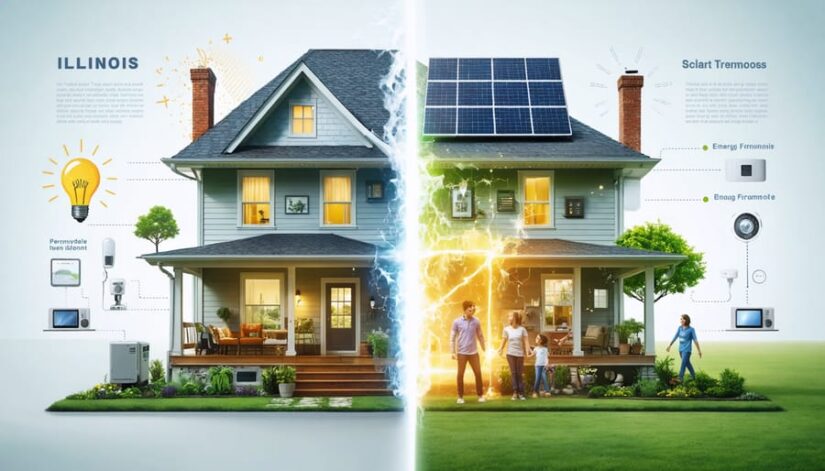
Smart Energy Habits That Actually Lower Your Illinois Home’s Bills
Understanding energy efficiency isn’t just about installing new technology – it’s about making informed decisions that impact both your wallet and the environment. As Illinois homeowners face rising energy costs, questions about efficiency have become increasingly crucial for sustainable living and cost management. Whether you’re considering solar installations, upgrading home insulation, or simply adjusting daily habits, the right knowledge can lead to significant energy savings.
Many Illinois residents wonder how to balance initial investment costs with long-term savings, which efficiency measures provide the best return on investment, and how to adapt energy-saving strategies for our unique climate challenges. From analyzing your current energy usage to implementing smart home technologies, the path to energy efficiency starts with asking the right questions.
Let’s explore the most pressing questions about energy efficiency and provide practical, Illinois-specific solutions that can help you create a more sustainable and cost-effective home environment.
Why Your Energy Bills Might Be Higher Than Necessary
Hidden Energy Drains in Your Daily Routine
Many homeowners are surprised to learn that their everyday habits significantly impact their energy bills. Common culprits include leaving electronics in standby mode, running half-loaded dishwashers, and keeping unused phone chargers plugged in. These “phantom loads” can account for up to 10% of your home’s electricity usage. While individual changes might seem small, implementing multiple efficiency measures, including deep energy retrofits, can lead to substantial savings. Other overlooked energy drains include using hot water for cold-wash laundry, keeping refrigerator coils dusty, and running ceiling fans in empty rooms. During Illinois’s extreme seasons, poorly maintained HVAC filters and improperly sealed windows can silently waste energy. Being mindful of these hidden drains and adjusting daily habits accordingly can significantly reduce your energy consumption and utility costs.
The Real Cost of ‘Convenience’ Settings
Many modern appliances and devices come with “convenience” settings that seem helpful but can significantly impact your energy bills. While standby power might seem minimal, the average Illinois household loses $100-200 annually just from devices in sleep mode. Common culprits include TVs, gaming consoles, and smart home devices that never fully power down.
Consider your programmable thermostat: the “set and forget” approach might feel convenient, but failing to adjust settings based on your actual schedule could waste substantial energy. Similarly, leaving computers in sleep mode instead of shutting them down, or keeping phone chargers perpetually plugged in, creates a constant power draw known as “vampire energy.”
To combat these hidden costs, take control of your settings. Use power strips to completely cut off electricity to devices when not in use, and regularly review your automated settings to ensure they align with your real usage patterns. Small adjustments to these convenience features can lead to noticeable savings on your energy bills.

Simple Behavioral Changes That Make a Big Difference
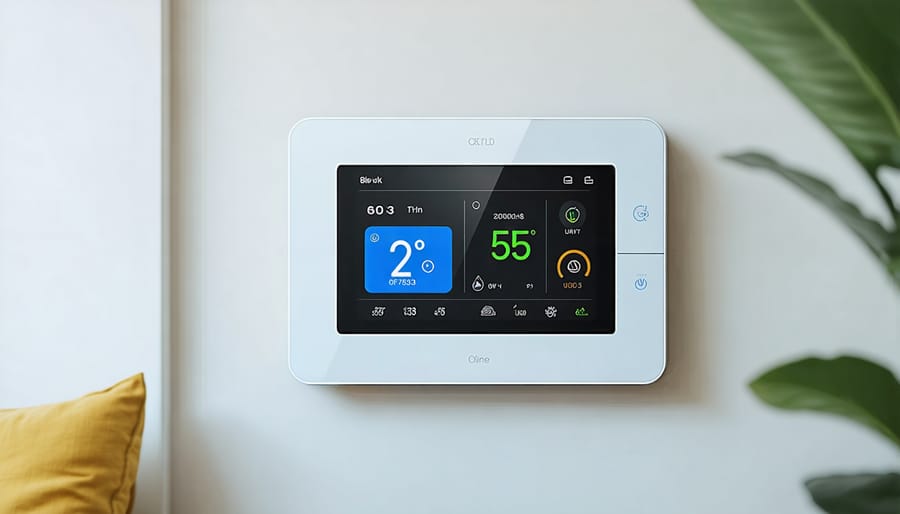
Smart Temperature Management
In Illinois’s variable climate, smart temperature management is crucial for maintaining energy efficiency throughout the year. Much like modern smart building technologies, your home’s thermostat settings can significantly impact both comfort and energy costs.
During summer months, set your thermostat to 78°F when you’re home and active. For every degree higher, you can save approximately 3% on cooling costs. In winter, aim for 68°F during waking hours, as this temperature balances comfort with energy efficiency. When sleeping or away, adjust the temperature by 7-10 degrees for optimal savings.
Consider installing a programmable or smart thermostat to automate these adjustments. These devices can learn your schedule and automatically optimize temperature settings, potentially reducing your heating and cooling costs by up to 10-15% annually.
Take advantage of Illinois’s natural temperature variations by using a “setback” strategy during shoulder seasons. During spring and fall, when temperatures are mild, rely more on natural ventilation and less on mechanical heating and cooling. Open windows during cool mornings and evenings, and close them during peak heat hours.
Remember to regularly maintain your HVAC system and change filters monthly to ensure optimal performance and energy efficiency.
Lighting and Appliance Usage Habits
Your daily habits with lighting and appliances can significantly impact your energy consumption and utility bills. Start by making it a routine to turn off lights when leaving rooms and utilize natural daylight whenever possible. For optimal efficiency, replace traditional bulbs with LED lights, which use up to 75% less energy and last much longer.
Be mindful of “phantom energy” consumption from devices left plugged in when not in use. Items like coffee makers, phone chargers, and entertainment systems continue drawing power even when switched off. Use power strips to easily disconnect multiple devices at once, or simply unplug appliances that aren’t frequently used.
In the kitchen, make your appliance use more efficient by running dishwashers and washing machines only with full loads. When cooking, match pot sizes to burner sizes and use lids to retain heat. Consider using smaller appliances like toaster ovens or microwaves instead of the full-sized oven when preparing smaller meals.
For climate control, adjust your thermostat settings seasonally. In Illinois’s varying climate, programming your thermostat to adjust temperatures while you’re sleeping or away from home can lead to substantial savings. During peak summer and winter months, closing curtains or blinds can help maintain comfortable indoor temperatures with less reliance on heating and cooling systems.
Making Energy Efficiency a Family Priority

Creating an Energy-Conscious Household Culture
Creating an energy-conscious household culture starts with small, consistent changes that become lasting habits. Begin by involving all family members in energy-saving initiatives through regular discussions about electricity usage and its impact on both the environment and your utility bills. Make it engaging by turning energy conservation into a friendly competition, tracking monthly energy consumption, and celebrating improvements together.
Establish simple routines like turning off lights when leaving rooms, unplugging electronics not in use, and using natural light whenever possible. Create visible reminders near switches and appliances to help family members maintain these practices. Consider setting up a reward system for meeting energy-saving goals, especially to encourage younger family members to participate.
In Illinois, where seasonal temperature changes significantly impact energy use, teach family members to adjust thermostats appropriately and use fans or extra layers before reaching for the thermostat. Encourage everyone to take ownership of energy efficiency by assigning specific responsibilities, such as checking for drafts or ensuring electronics are powered down at night. Remember, building these habits takes time, but the long-term benefits for both your household and the environment make the effort worthwhile.
Monitoring and Celebrating Progress
Tracking your energy efficiency progress is essential for maintaining momentum and identifying areas for improvement. Start by establishing a baseline of your energy usage through your utility bills or smart meter readings. Create a simple spreadsheet or use a mobile app to record monthly energy consumption and cost data.
Many Illinois utilities offer online portals where you can monitor your real-time energy usage and compare it to previous periods. Take advantage of these tools to spot patterns and adjust your habits accordingly. Consider setting specific, measurable goals, such as reducing your energy consumption by 15% within six months.
Celebrate your achievements when you reach milestones. For example, calculate the money saved through efficiency improvements and consider reinvesting it in additional energy-saving upgrades. Share your success stories with family members or colleagues to inspire others and create a culture of energy consciousness.
Remember to regularly review and update your energy-saving strategies based on your tracking data. This ongoing monitoring helps ensure your efficiency efforts remain effective and continue delivering benefits for years to come.
Technology That Supports Better Energy Habits
Modern technology has revolutionized the way we monitor and manage energy consumption in our homes. Smart thermostats lead the charge, learning your schedule and automatically adjusting temperatures to optimize comfort while minimizing energy waste. These devices can be controlled remotely through smartphone apps, allowing you to make adjustments even when you’re away from home.
Smart power strips and energy monitoring systems provide real-time feedback on electricity usage, helping you identify energy-hungry appliances and adjust their use accordingly. Many of these devices can automatically cut power to electronics in standby mode, eliminating phantom energy drain that quietly increases your utility bills.
AI-powered energy management systems take this automation a step further by analyzing your energy usage patterns and providing personalized recommendations for improvement. These systems can integrate with your existing smart home devices to create a comprehensive energy management strategy.
Motion sensors and smart lighting systems ensure lights are only on when needed, while smart window treatments can automatically adjust to maximize natural light and maintain optimal indoor temperatures. For Illinois homeowners, these technologies are particularly valuable during extreme weather conditions, helping maintain comfort while keeping energy costs in check.
Mobile apps and energy tracking dashboards make it easy to monitor your progress and celebrate energy-saving achievements. Many utility providers in Illinois now offer digital tools that gamify energy conservation, turning efficient habits into rewarding challenges that benefit both your wallet and the environment.
Energy efficiency is more than just a trend – it’s a crucial step toward a more sustainable and cost-effective future for Illinois residents and businesses. By implementing the energy-saving strategies discussed, you can significantly reduce your utility bills while contributing to environmental conservation. Remember that every small change matters, from adjusting your thermostat settings to upgrading to energy-efficient appliances.
Taking action today can lead to substantial savings tomorrow. Start with simple behavioral changes like being mindful of your energy usage patterns and gradually work your way up to larger investments in energy-efficient technologies. Consider scheduling a professional energy audit to identify specific opportunities for improvement in your home or business.
For those ready to take their energy efficiency journey to the next level, solar energy solutions offer an excellent opportunity to maximize savings while supporting renewable energy adoption in Illinois. Don’t wait to start making these positive changes – the sooner you begin implementing energy-efficient practices, the more you’ll save on energy costs while helping create a cleaner, more sustainable future for our community.
