
Deep Energy Retrofits: Transform Your Illinois Property into a High-Performance Powerhouse
Transform your building into a high-performance energy fortress through deep energy retrofits – comprehensive upgrades that can slash energy consumption by up to 75% while dramatically improving comfort and indoor air quality. These whole-building renovations go far beyond simple weatherization, targeting everything from your building envelope to HVAC systems and lighting controls.
For Illinois property owners facing extreme temperature swings and rising energy costs, deep energy retrofits offer a powerful solution. By systematically upgrading insulation, air sealing, windows, and mechanical systems, these projects create a tight, efficient building envelope that maintains consistent temperatures year-round while minimizing energy waste. The result? Lower utility bills, reduced carbon emissions, and enhanced property value.
Think of a deep energy retrofit as giving your building a complete energy makeover – like upgrading from an inefficient gas-guzzler to a sophisticated hybrid vehicle. While the upfront investment is significant, the long-term returns through reduced operating costs, improved occupant comfort, and increased property marketability make it a smart choice for forward-thinking Illinois building owners ready to embrace high-performance building standards.
This comprehensive guide will walk you through everything you need to know about planning and executing a successful deep energy retrofit in Illinois’ unique climate.
What Makes a Retrofit ‘Deep’?
Core Components
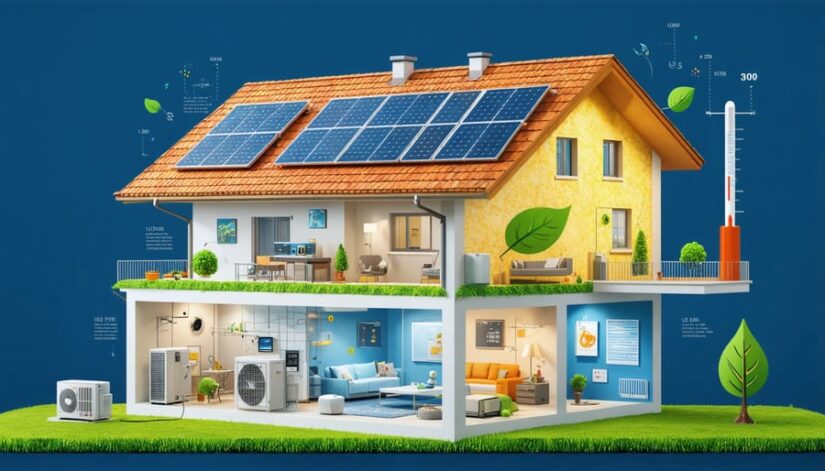
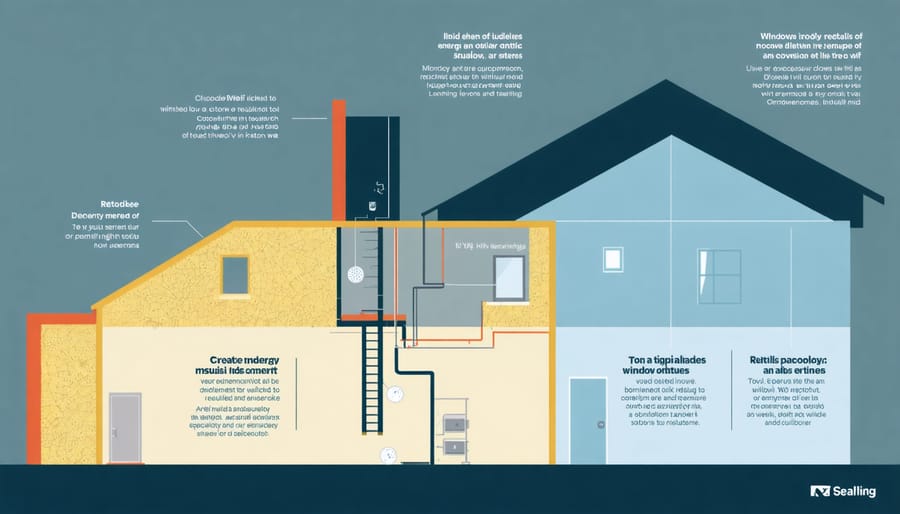
A successful deep energy retrofit encompasses several critical components working together to maximize energy efficiency. The building envelope serves as the foundation, including comprehensive insulation upgrades, high-performance windows and doors, and air sealing to minimize thermal transfer. Advanced HVAC systems, properly sized and optimized for the improved envelope, ensure efficient heating and cooling distribution throughout the space.
Lighting upgrades featuring LED technology and smart controls significantly reduce electricity consumption, while water conservation measures include low-flow fixtures and efficient water heating systems. Modern ventilation systems with heat recovery capabilities maintain indoor air quality while minimizing energy loss. AI-powered energy management systems integrate these components, optimizing their performance based on real-time usage patterns.
Solar integration plays a crucial role, with rooftop panels and energy storage systems working alongside these improvements to further reduce grid dependency. Smart meters and monitoring equipment provide valuable feedback on system performance, allowing for continuous optimization of energy usage throughout the building.
Performance Targets
Deep energy retrofits typically aim for ambitious energy reduction targets, with most projects seeking to achieve a minimum of 30-50% reduction in overall energy consumption. In Illinois, where extreme temperatures drive high heating and cooling costs, many property owners set even more aggressive goals of 60-75% energy savings. These targets are particularly achievable when combining comprehensive insulation improvements with solar energy solutions.
The most successful retrofit projects often use the “net-zero energy” standard as their north star, where a building produces as much energy as it consumes annually. While this may not be immediately achievable for all properties, setting intermediate benchmarks helps track progress. Common performance metrics include reducing heating and cooling loads by 50%, cutting lighting energy use by 65%, and lowering water heating costs by 40%.
For commercial buildings in Illinois, meeting or exceeding ENERGY STAR certification requirements (scoring 75 or higher) serves as a practical benchmark. Residential projects often target Home Energy Rating System (HERS) scores below 50, indicating the home is 50% more efficient than a standard new home.

Benefits Beyond Energy Savings
Financial Returns
Deep energy retrofits represent a significant upfront investment, but the long-term financial returns can be substantial. Property owners implementing comprehensive retrofits often find themselves cutting energy costs significantly, with many Illinois buildings reporting reductions of 30-50% in annual energy expenses.
The financial benefits extend beyond direct utility savings. Properties with deep energy retrofits typically command higher resale values, with studies showing increases of 4-10% compared to similar non-retrofitted buildings. In Illinois’s competitive real estate market, this premium can translate to tens of thousands of dollars in added property value.
Additional financial advantages include reduced maintenance costs, longer equipment life spans, and potential tax incentives. Illinois offers various energy efficiency programs and rebates that can help offset initial costs. Many property owners find that their retrofits pay for themselves within 5-10 years through combined energy savings and increased property value.
For commercial properties, deep energy retrofits can also lead to higher occupancy rates and increased tenant satisfaction. Buildings with superior energy performance often attract quality tenants willing to pay premium rates, contributing to better long-term revenue streams. When combined with solar energy solutions, these retrofits can create nearly net-zero energy buildings, offering maximum financial returns and energy independence.
Comfort and Health Improvements
Deep energy retrofits significantly enhance indoor comfort and health conditions, creating a more pleasant and healthier living or working environment. The comprehensive air sealing and insulation improvements eliminate drafts and cold spots, maintaining consistent temperatures throughout the building. This enhanced thermal comfort means no more chilly floors in winter or overheated rooms in summer.
The installation of modern ventilation systems as part of the retrofit process ensures a continuous supply of fresh, filtered air while removing indoor pollutants, dust, and excess moisture. This improved air quality can reduce allergies, respiratory issues, and other health concerns commonly associated with poor indoor air quality.
These improvements also help control humidity levels, preventing mold growth and reducing dust mites. The enhanced moisture management protects both the building structure and its occupants, while better insulation reduces outside noise penetration, creating a quieter indoor environment.
Many property owners report significant improvements in sleep quality and overall well-being after completing deep energy retrofits. The combination of consistent temperatures, proper ventilation, and reduced outdoor noise creates an optimal indoor environment that supports health and comfort year-round. For buildings in Illinois, where weather extremes are common, these comfort improvements are particularly valuable during both harsh winters and humid summers.
Planning Your Deep Energy Retrofit
Assessment and Design
The first crucial step in any deep energy retrofit is conducting a comprehensive energy audit of your property. This detailed assessment involves analyzing your building’s current energy consumption patterns, identifying areas of energy loss, and evaluating the overall building envelope performance. In Illinois, where extreme temperatures can significantly impact energy usage, professional energy auditors use specialized tools like infrared cameras and blower door tests to detect air leaks, insulation gaps, and thermal bridges.
Once the audit is complete, a customized retrofit plan is developed based on the findings. This plan typically prioritizes improvements based on their potential impact and cost-effectiveness. Key areas often include upgrading insulation, sealing air leaks, replacing windows and doors, modernizing HVAC systems, and improving ventilation. The plan should also consider the building’s specific characteristics, such as age, construction type, and historical significance.
During the design phase, professionals evaluate how different energy-saving measures will work together as an integrated system. This includes calculating potential energy savings, estimating project costs, and determining the optimal sequence of improvements. Special attention is given to maintaining proper indoor air quality and preventing moisture-related issues that can occur when buildings are made more airtight. The design process also considers opportunities for incorporating renewable energy systems, particularly in Illinois’ climate, where both heating and cooling demands must be addressed effectively.
Implementation Strategies
When undertaking a deep energy retrofit, property owners typically choose between two main implementation approaches: phased or comprehensive. A phased approach breaks down the retrofit into manageable stages over time, allowing for more flexible budgeting and minimal disruption to building operations. This method works well for properties with limited immediate funding or those that need to maintain continuous occupancy.
Comprehensive retrofits, while more intensive initially, often deliver superior results by addressing all energy efficiency improvements simultaneously. This approach enables optimal integration of smart building technologies and ensures all systems work together efficiently from the start. It typically results in faster energy savings and can be more cost-effective in the long run.
For Illinois property owners, the choice between these approaches often depends on several factors: available financing, building occupancy requirements, seasonal considerations, and the current condition of building systems. Many local building owners find success with a hybrid approach, implementing critical improvements immediately while planning remaining upgrades strategically over time. This flexibility allows for the incorporation of emerging technologies and adapting to changing energy efficiency standards while managing costs effectively.
Illinois-Specific Incentives
Illinois offers several attractive incentives to make deep energy retrofits more affordable and accessible. The Illinois Energy Efficiency Program provides rebates of up to 75% of project costs for qualifying residential and commercial retrofits. Through ComEd and Ameren Illinois, property owners can access additional incentives for energy-efficient upgrades, including HVAC improvements, insulation, and smart technology installations.
The Illinois Solar for All program offers significant savings for income-eligible households, covering up to 100% of solar installation costs when combined with energy efficiency improvements. The Commercial Property Assessed Clean Energy (C-PACE) financing program allows building owners to fund retrofits through property tax assessments, offering long-term, low-interest financing options.
State tax incentives include the Illinois Solar Energy Tax Credit, which provides a 30% credit for solar installations when combined with efficiency upgrades. The Energy Efficient Building Income Tax Deduction allows businesses to deduct up to $1.80 per square foot for qualifying improvements.
Local municipalities often provide additional incentives. Chicago’s Small Business Improvement Fund (SBIF) offers grants up to $150,000 for energy efficiency improvements in qualifying areas. Many Illinois counties also participate in the Home Energy Assistance Program (HEAP), providing funding for energy-efficient upgrades to income-eligible residents.
Remember to check with local utility providers and government offices, as incentive programs are regularly updated and new opportunities become available throughout the year.
Integration with Solar Energy Solutions
Deep energy retrofits and solar energy systems create a powerful synergy that maximizes a building’s energy efficiency and sustainability. When implementing modern efficiency solutions, combining these approaches yields better results than either solution alone.
Before installing solar panels, completing a deep energy retrofit significantly reduces your building’s overall energy consumption. This reduction means you’ll need fewer solar panels to meet your energy needs, lowering initial installation costs and maximizing available roof space. The improved building envelope and enhanced insulation from the retrofit also help maintain consistent indoor temperatures, reducing the strain on your solar-powered HVAC systems.
In Illinois, where weather conditions can be extreme, this integration becomes particularly valuable. During summer, an efficiently retrofitted building requires less cooling, allowing solar panels to direct more power to other essential functions. In winter, when solar production typically decreases, the improved insulation and air sealing from the retrofit help retain heat, reducing the demand on backup heating systems.
The financial benefits are equally compelling. By reducing your building’s base energy load through retrofitting, you can install a smaller, more cost-effective solar system while achieving the same or better energy independence. Many Illinois property owners find that this combined approach qualifies them for additional incentives and rebates, improving the return on investment for both initiatives.
Smart technology integration plays a crucial role in this partnership. Advanced monitoring systems can help optimize the interaction between your retrofitted systems and solar installation, ensuring maximum efficiency throughout the year. These systems can adjust energy usage patterns to align with peak solar production times, further enhancing the benefits of both improvements.
For optimal results, it’s recommended to plan both projects together, even if implementation occurs in phases. This approach ensures that all modifications work harmoniously to achieve your energy efficiency goals while maximizing the benefits of solar power generation.
Deep energy retrofits represent a transformative approach to building efficiency that goes far beyond simple upgrades. By implementing comprehensive improvements to insulation, HVAC systems, windows, and incorporating renewable energy solutions, property owners can achieve remarkable reductions in energy consumption while significantly enhancing comfort and property value.
The benefits of deep energy retrofits extend well beyond immediate energy savings. These improvements create healthier indoor environments, increase property resilience, and contribute to Illinois’s clean energy goals. For building owners, the long-term financial advantages through reduced utility bills and increased property value make these retrofits a sound investment in their property’s future.
As we face growing environmental challenges and rising energy costs, deep energy retrofits offer a practical solution for existing buildings to meet modern efficiency standards. Whether you’re a homeowner or business owner in Illinois, taking the first step toward a deep energy retrofit begins with a professional energy assessment to identify your building’s specific needs and opportunities.
Don’t wait to transform your property into a model of energy efficiency. Contact local energy efficiency experts today to learn how a deep energy retrofit can benefit your specific situation. By investing in these comprehensive improvements now, you’re not just reducing your carbon footprint – you’re creating a more comfortable, valuable, and sustainable property for the future.
