

What to Expect During Your Chicago Electrical Inspection (And How to Pass the First Time)
Schedule your electrical inspection through the Chicago Department of Buildings at least three business days before your planned work completion date, as the city requires permits for most electrical modifications including panel upgrades, new circuits, and solar panel installations. Property owners must understand that Chicago operates under the 2018 Chicago Electrical Code, which includes specific requirements that differ from generic National Electrical Code standards, particularly regarding grounding systems, service entrance configurations, and renewable energy connections.
Verify your contractor holds a valid City of Chicago electrical license before any work begins, since only licensed electricians can pull permits and request inspections within city limits. The inspection process typically involves reviewing your permit application, examining the completed electrical work for code compliance, and ensuring proper labeling and documentation. Failed inspections result in re-inspection fees and project delays, making it essential to work with experienced professionals who understand local requirements.
Chicago’s inspection requirements become particularly important for homeowners adding solar energy systems, as these installations require both electrical and building permits. The electrical inspector will verify that your solar array connections, inverters, and disconnect switches meet Chicago’s specific safety standards and utility interconnection requirements. Understanding these regulations upfront prevents costly corrections and keeps your renewable energy project on schedule, whether you’re upgrading a single-family home or implementing commercial electrical improvements across Illinois properties.
Understanding Chicago’s Electrical Inspection Requirements
When Your Project Needs an Electrical Inspection
In Chicago, electrical inspections are required in several specific situations to ensure safety and code compliance. Understanding when you need an inspection can help you plan your project timeline and avoid potential delays or penalties.
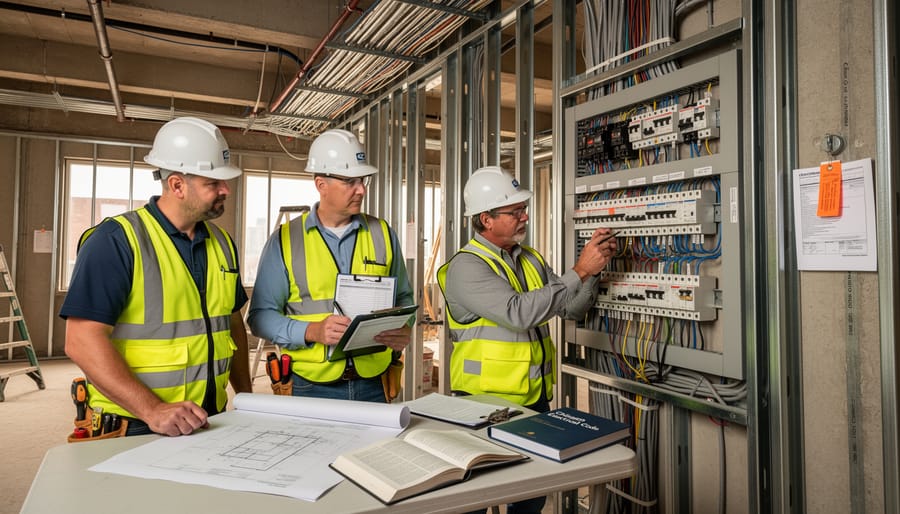
New construction projects always require comprehensive electrical inspections before occupancy. The Chicago Department of Buildings mandates inspections at various stages, from rough-in to final completion, ensuring all wiring, panels, and fixtures meet current electrical codes.
Major electrical upgrades trigger inspection requirements as well. If you’re adding a new circuit, upgrading your electrical panel, or increasing your home’s electrical capacity, you’ll need a permit and subsequent inspection. This is particularly important for older Chicago homes where electrical systems may not meet modern power demands.
Solar panel installations represent another common scenario requiring electrical inspection. When you add a solar energy system to your property, inspectors verify proper interconnection with the utility grid, appropriate disconnect switches, and compliance with both electrical and building codes. This ensures your system operates safely while generating clean energy for your home or business.
Remodeling projects that involve relocating outlets, adding new lighting circuits, or modifying existing electrical pathways also require inspections. Even seemingly minor changes like converting a garage into living space necessitate inspection to verify safe electrical installations.
Commercial properties face similar requirements, with additional inspections often needed for tenant build-outs, equipment installations, and system modifications. Working with experienced professionals familiar with Chicago’s inspection process helps ensure smooth approval and project completion.
Chicago vs. Suburban Illinois: Key Differences
Chicago operates under unique electrical inspection requirements that differ significantly from surrounding suburban municipalities. The city maintains its own Department of Buildings and follows the Chicago Electrical Code, which includes specific amendments to the National Electrical Code. This means permits, fees, and the AHJ inspection process in Chicago can vary substantially from nearby suburbs.
Suburban communities in Cook, DuPage, and neighboring counties typically adopt the standard Illinois State Electrical Code with fewer local modifications. Processing times, inspection scheduling, and documentation requirements often differ between jurisdictions. For example, solar installation permits might require different engineering stamps or plan review procedures depending on whether your property sits within Chicago city limits or a suburban municipality.
Understanding your specific Authority Having Jurisdiction is essential before starting any electrical work. Property owners should verify their local requirements early in the planning process, as assuming Chicago’s rules apply elsewhere, or vice versa, can lead to project delays and compliance issues.
The Chicago Electrical Permitting Process Explained
Required Documentation and Fees
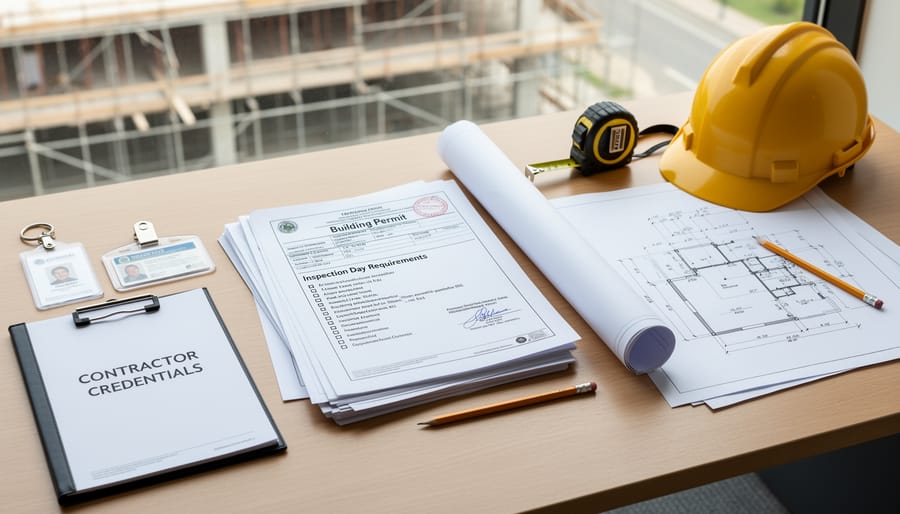
Navigating Chicago’s electrical inspection process requires specific documentation and associated fees. Before scheduling your inspection, you’ll need to obtain an electrical permit from the Chicago Department of Buildings. The application requires detailed electrical drawings or plans showing the scope of work, including circuit layouts, panel locations, and load calculations. For residential projects, these plans can often be simple diagrams, but commercial installations demand professional engineered drawings.
The permit application itself requires property owner information, contractor details (including their city electrical license number), and a clear description of the work being performed. For solar energy installations, you’ll need additional documentation showing system specifications, inverter details, and interconnection agreements with your utility provider.
Chicago’s permit fees vary based on project scope. Basic residential electrical work typically costs between $50 and $150 for the permit, while larger commercial projects or solar installations can range from $200 to several thousand dollars depending on system size and complexity. The fee structure is generally calculated based on the estimated project cost or system capacity.
Payment can be made online, by mail, or in person at the Department of Buildings. Most applications are processed within 5-10 business days, though complex projects may take longer. Keep copies of all submitted documents, as inspectors may reference them during site visits. For solar projects specifically, having manufacturer specifications and product certifications readily available streamlines the inspection process considerably.
Timeline: How Long Does It Take?
Understanding the timeline for electrical inspections in Chicago helps you plan your project effectively and avoid unnecessary delays. The process typically begins with permit approval, which can take 2-4 weeks depending on the complexity of your electrical work and the current workload at the Chicago Department of Buildings.
Once your permit is approved, scheduling your inspection usually requires 5-10 business days’ notice. For solar installations and other renewable energy projects, you should account for additional time if multiple inspections are needed at different project stages. The actual inspection visit typically lasts 30 minutes to 2 hours, depending on your project’s scope.
After the inspection, you’ll generally receive results within 24-48 hours. If corrections are needed, expect another 1-2 weeks to address issues and schedule a re-inspection. In total, the complete timeline from permit application to final approval often spans 4-8 weeks for standard projects. Planning ahead and having all documentation ready can significantly reduce these timeframes and keep your electrical project on schedule.
Working with Licensed Electricians in Chicago
In Chicago, all electrical work must be performed by licensed electricians who are registered with the city. Hiring a properly licensed contractor is essential because they understand local code requirements and can legally pull permits on your behalf. When you work with a Chicago-licensed electrician, they handle the permit application process, ensuring all paperwork is correctly filed with the Department of Buildings. This significantly streamlines inspections and reduces the risk of failed inspections or project delays. For solar installations and other renewable energy projects, choosing an electrician with specific expertise in these systems ensures compliance with both electrical codes and specialized solar regulations. Licensed professionals also carry proper insurance, protecting you from liability if issues arise during installation or inspection.
What Inspectors Look for During Your Electrical Inspection
Code Compliance Essentials
Chicago electrical inspections verify compliance with both the National Electrical Code (NEC) and the city’s own regulations outlined in the Chicago Electrical Code. Understanding these requirements helps ensure your project passes inspection the first time.
The NEC serves as the foundation for electrical safety standards nationwide, covering wire sizing, circuit protection, grounding requirements, and installation methods. Chicago inspectors check that all electrical work meets current NEC standards, which are updated every three years. However, the city maintains additional requirements that go beyond federal codes.
Chicago-specific regulations include stricter conduit requirements—many installations that might use cable elsewhere must use conduit in Chicago. The city also has unique grounding and bonding standards, particularly for commercial properties and multi-family dwellings. Inspector focus areas include proper box fill calculations, correct wire types for specific applications, and appropriate overcurrent protection.
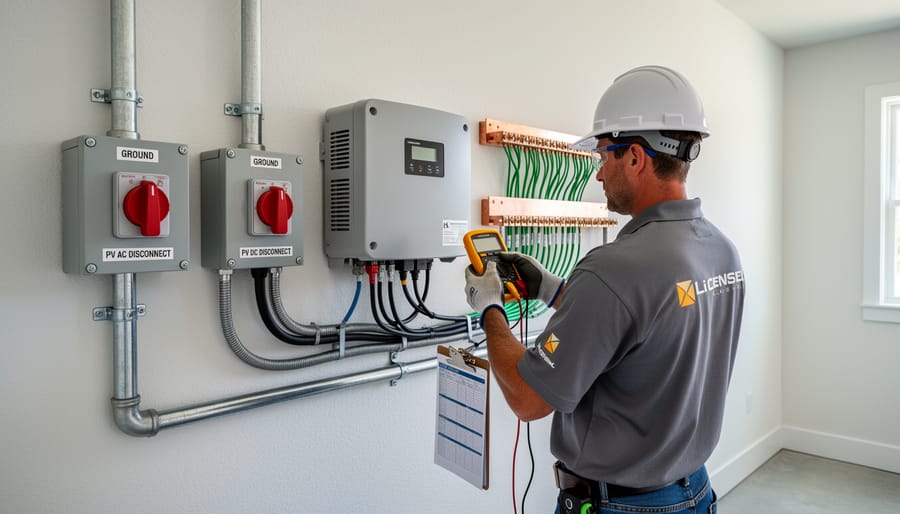
For solar energy installations, inspectors verify DC disconnect placement, proper labeling of all solar components, and correct integration with existing electrical systems. Solar arrays must meet both NEC Article 690 requirements and Chicago’s additional rooftop installation standards.
Common compliance checkpoints include verifying that all work was completed by licensed electricians, ensuring permit applications match actual installations, and confirming that equipment bears appropriate UL or equivalent safety certifications. Inspectors also verify that working clearances around electrical panels meet code requirements—typically 36 inches of clear space.
Business owners and homeowners should request a pre-inspection from their contractor to identify potential compliance issues before the official city inspection occurs.
Solar Installation-Specific Inspection Points
When you’re adding solar panels to your Chicago property, electrical inspectors focus on several critical components to ensure your system operates safely and meets local codes. Understanding these inspection points helps you prepare for a smooth approval process.
Inspectors begin by examining your solar inverter, which converts the direct current from your panels into usable alternating current for your home or business. They verify that the inverter is properly rated for your system size and installed according to manufacturer specifications. The location must allow adequate ventilation and clearance for heat dissipation.
Next, inspectors check all required disconnects. Solar systems need multiple disconnect switches that allow utility workers and first responders to safely shut down the system. In Chicago, this typically includes a roof-level disconnect near the panels and an accessible AC disconnect by the main service panel. Each must be clearly labeled and easily reachable.
Grounding receives particular attention during solar inspections. Inspectors verify that all equipment grounding conductors are properly sized and that the grounding electrode system meets National Electrical Code standards. This protects your property from electrical faults and lightning strikes, which is especially important for roof-mounted equipment.
The inspector also reviews your system’s integration with the existing electrical service, checking that all wiring is appropriately sized, protected with proper overcurrent devices, and meets Chicago’s specific requirements. They confirm that your installation doesn’t create any safety hazards or code violations with your main electrical panel. Working with experienced local professionals ensures these technical requirements are met correctly from the start.
Common Failure Points and How to Avoid Them
Most electrical inspections in Chicago fail due to improper grounding, outdated wiring that doesn’t meet current code standards, and insufficient documentation. Solar installations sometimes encounter issues with incorrect inverter placement or missing disconnect switches. To avoid these problems, work with licensed electricians familiar with Chicago’s municipal code requirements. Ensure all permits are obtained before starting work, as unpermitted electrical modifications are a leading cause of inspection failure. For solar projects, verify that your contractor understands Illinois-specific interconnection standards and has all manufacturer specifications ready for the inspector. Keep detailed records of all components used, including wire gauges and circuit breaker ratings. Schedule pre-inspection walkthroughs when possible to identify potential issues early, saving time and avoiding costly corrections after a failed inspection.
Preparing for Your Inspection Day
Pre-Inspection Checklist
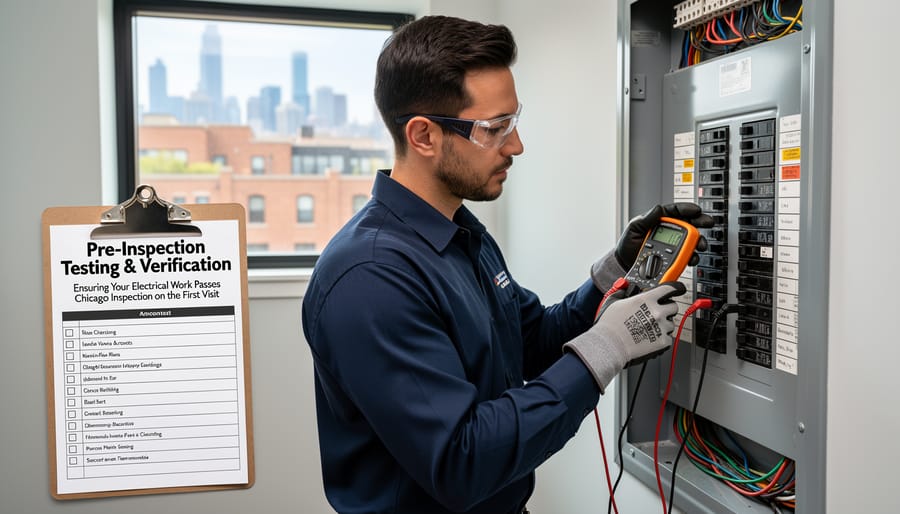
Proper preparation can help your electrical inspection go smoothly and avoid costly delays. Start by ensuring all electrical work is complete and visible—don’t cover walls or ceilings until after the inspection. Verify that all required permits are posted at the job site, as inspectors will need to see documentation before beginning their review.
Check that your electrical panel is clearly labeled with circuit descriptions and confirm that all junction boxes have covers installed. Make sure work areas are clean, well-lit, and accessible so the inspector can easily examine all components. If you’re installing solar panels or other renewable energy systems, have your equipment specifications and installation plans readily available.
Remove any stored items blocking access to electrical panels, subpanels, or newly installed fixtures. Test all switches, outlets, and GFCI devices to ensure they’re functioning properly before the inspector arrives. For commercial properties or solar installations, prepare any required load calculations or engineering documents.
Finally, plan to be present or have your contractor available during the inspection to answer questions and address any concerns immediately. This proactive approach demonstrates professionalism and can help resolve minor issues on the spot, keeping your project on schedule.
What to Have Ready for the Inspector
Being well-prepared for your electrical inspection helps ensure a smooth process and reduces the chance of delays. Start by gathering all necessary documentation, including your electrical permit, approved building plans, and any engineering specifications related to your project. If you’re installing a solar energy system, have your interconnection agreement and equipment specifications readily available.
Ensure the inspector has clear access to all electrical work, including panels, junction boxes, and any new installations. Remove debris, stored materials, or obstacles that might block inspection areas. All electrical components should be visible and accessible—avoid covering work with drywall or finishing materials until after the inspection is approved.
For solar installations, make sure your inverter specifications, panel layout diagrams, and mounting system details are on hand. The inspector will need to verify that all components meet Chicago’s electrical code requirements and manufacturer specifications.
Keep a copy of your contractor’s license and insurance information available if you hired a professional. Having a knowledgeable representative present during the inspection, whether yourself or your contractor, allows for immediate clarification of any questions. This preparation demonstrates professionalism and helps expedite the approval process.
After the Inspection: Next Steps
If You Pass: Moving to Utility Interconnection
Once your electrical system passes inspection in Chicago, you’ll receive official documentation confirming compliance with the Chicago Electrical Code. For solar energy projects, this approval is a critical milestone that allows you to move forward with the utility interconnection process.
If you’re connecting to ComEd or another Illinois utility, your solar installer will submit an interconnection application on your behalf. This application includes your passed inspection documentation, system specifications, and proof of electrical compliance. The utility will review your submission to ensure your solar system meets their grid connection standards.
The interconnection timeline typically takes 15-45 days, depending on your system size and utility workload. During this period, the utility may conduct its own inspection or review. Once approved, they’ll install a bidirectional meter that tracks both the electricity you consume and the excess solar energy you send back to the grid.
Only after receiving Permission to Operate from your utility can you officially activate your solar system. This final authorization confirms your installation is safe, code-compliant, and ready to generate clean energy for your Chicago property.
If Corrections Are Needed
Sometimes electrical inspections reveal issues that need correction before approval. If your Chicago inspection doesn’t pass, don’t worry—this is a common part of the process, and addressing failures efficiently will get your project back on track.
When the inspector identifies code violations or safety concerns, you’ll receive a detailed report outlining what needs correction. This document is your roadmap for making things right. Review it carefully with your electrician to understand each issue. Common reasons for failed inspections include improper grounding, inadequate wire sizing, incorrect panel configurations, or missing permits for additional work discovered during inspection.
Your licensed electrician should address all noted deficiencies promptly. For solar installations and other renewable energy projects in Illinois, corrections might involve adjusting connection points, ensuring proper labeling of disconnect switches, or verifying that equipment meets Chicago’s specific code requirements. Working with contractors experienced in local regulations can prevent repeat failures.
Once corrections are complete, schedule a re-inspection through the Chicago Department of Buildings. You can request this online or by phone, following the same scheduling procedures as your initial inspection. Some minor corrections may qualify for desk review rather than a full site visit, potentially speeding up approval.
Re-inspection fees typically apply, so quality work the first time saves money. Most corrections can be resolved within days if your electrician responds quickly. Keep communication open with both your contractor and the inspection office to minimize delays. Remember, the goal is ensuring your electrical system operates safely and meets Chicago’s standards for protecting your property and community.
Why Professional Installation Matters in Chicago
Navigating Chicago’s electrical inspection process requires more than just technical knowledge—it demands familiarity with the city’s specific codes, permitting procedures, and inspector expectations. Working with experienced local contractors can make the difference between a smooth approval and costly delays or failed inspections.
Professional installers who regularly work in Chicago understand the nuances of the city’s requirements. They know which documents inspectors expect to see, how to properly label electrical panels according to local standards, and the common issues that cause inspection failures. This expertise becomes particularly valuable for complex projects like solar panel installations, where electrical work intersects with structural modifications and renewable energy regulations.
Licensed contractors also maintain relationships with local building departments and understand current inspection timelines. In Chicago, where inspection schedules can vary by neighborhood and season, having an installer who can accurately predict wait times helps you plan accordingly. They can also address inspector concerns on-site, often resolving minor issues immediately rather than requiring a follow-up inspection.
For property owners considering solar energy systems, choosing a contractor with deep Chicago experience ensures compliance with both electrical codes and incentive program requirements. Illinois Renewables, as a locally owned company, brings extensive knowledge of Chicago’s inspection process alongside specialized expertise in solar installations. Our team understands how to prepare documentation, coordinate with city inspectors, and ensure installations meet all local standards on the first attempt.
The right contractor also provides peace of mind. They carry proper insurance, pull permits correctly, and stand behind their work if issues arise during inspection. This professional accountability protects your investment and ensures your electrical systems are truly safe, not just compliant on paper.
Navigating electrical inspections in Chicago doesn’t have to be overwhelming when you understand the requirements and prepare properly. Whether you’re planning a home renovation, upgrading your commercial property’s electrical system, or installing solar panels, working with knowledgeable local professionals familiar with Chicago’s specific codes and procedures makes all the difference. Proper preparation—from gathering the right documentation to scheduling at appropriate project stages—ensures smoother inspections, fewer delays, and ultimately safer electrical systems.
Remember that electrical inspections exist to protect you, your property, and everyone who uses your space. While the process requires attention to detail and patience, the result is peace of mind knowing your electrical work meets city safety standards. Chicago’s inspection requirements reflect the unique characteristics of our urban environment and building stock, which is why local expertise matters so much.
If you’re considering a solar energy project for your Chicago property, proper electrical inspection is a crucial component of the installation process. Our locally owned team at Illinois Renewables brings extensive experience navigating Chicago’s electrical inspection requirements specifically for solar installations. We understand the intersection of solar technology and local code compliance, and we’re here to guide you through every step—from initial planning through final inspection approval.
Ready to explore how solar energy can benefit your property? Contact us today for a personalized consultation. We’ll help you understand not just the inspection process, but the full potential of solar energy for your home or business.
