
Biomass Energy: The Renewable Resource That Depends on How You Use It
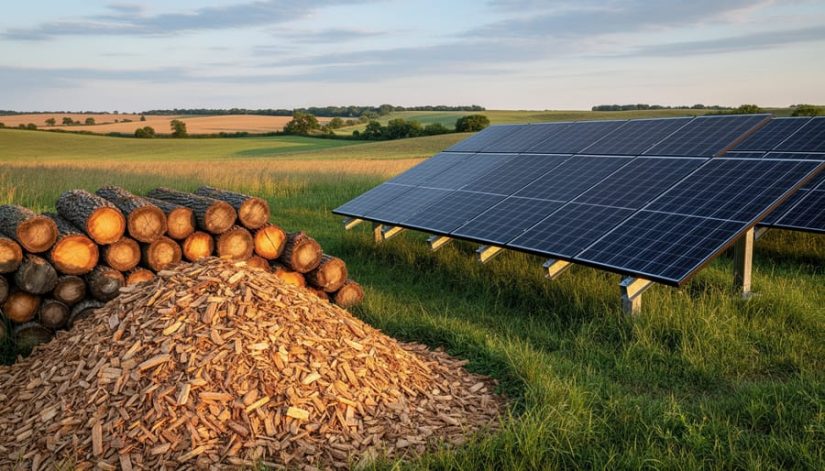
Biomass energy occupies a unique position in the renewable energy landscape—it can be both renewable and nonrenewable depending entirely on how we source and manage it. When organic materials like wood, agricultural waste, and plant matter are harvested sustainably at rates matching or exceeding their natural regrowth, biomass functions as a genuinely renewable resource. However, when we extract these materials faster than nature can replenish them—such as clear-cutting forests without replanting or depleting soil nutrients—biomass becomes functionally nonrenewable, contributing to environmental degradation rather than solving it.
For Illinois homeowners and businesses evaluating energy options, understanding this distinction matters tremendously. The biomass debate highlights a crucial principle: not all “renewable” labels guarantee environmental sustainability. Unlike biomass, solar energy presents no such ambiguity—sunlight regenerates daily without human management, requires no harvesting decisions, and produces no combustion emissions. This fundamental difference explains why solar installations continue gaining traction across Illinois, offering predictable clean energy without the complex sustainability calculations biomass demands.
The question isn’t whether biomass can be renewable in theory, but whether specific biomass practices meet renewable standards in reality. This nuanced answer affects everything from state energy policies to individual investment decisions. For those seeking straightforward renewable solutions, comparing biomass’s conditional status against solar’s inherent renewability provides valuable perspective when choosing energy systems that align with both environmental goals and long-term economic benefits.
What Biomass Energy Actually Is
Biomass energy comes from organic materials that store energy from the sun through photosynthesis. Think of it as nature’s battery: plants absorb sunlight during growth, and we can later release that stored energy as heat, electricity, or fuel. For homeowners and business owners in Illinois considering their energy options, understanding biomass helps put renewable resources like solar in proper context.
So what actually counts as biomass? The definition is broader than you might expect. Any recently living organic material qualifies, including plant matter, animal waste, and various byproducts from agriculture or forestry. Common biomass sources include:
- Wood pellets and chips from forestry operations
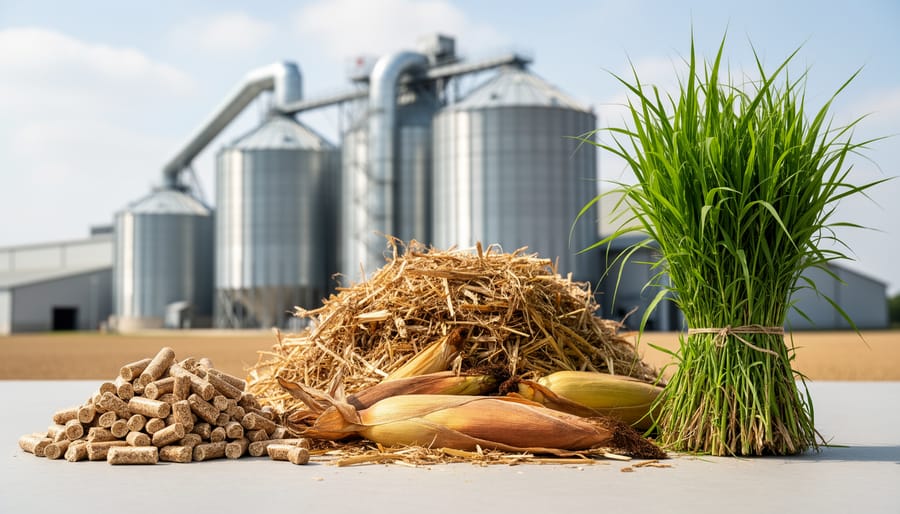
- Agricultural waste like corn stalks, wheat straw, and crop residues
- Municipal organic waste including food scraps and yard trimmings
- Dedicated energy crops such as switchgrass and miscanthus grown specifically for fuel
The conversion process transforms these organic materials into usable energy through several methods. The most straightforward approach is direct combustion, where biomass burns to produce heat, similar to a traditional wood-burning stove but on a larger scale. More advanced facilities use combustion, gasification, and anaerobic digestion to extract energy more efficiently. Gasification converts biomass into combustible gases at high temperatures, while anaerobic digestion uses microorganisms to break down organic matter in oxygen-free environments, producing methane-rich biogas.
Each conversion method has distinct applications. Combustion works well for heating applications, gasification produces synthetic fuels, and anaerobic digestion handles wet organic waste particularly effectively. Understanding these processes helps clarify why biomass energy’s renewable status depends heavily on how and where it’s sourced and used.
Why Biomass Is Technically Renewable
Biomass earns its renewable classification because organic materials naturally regenerate through biological processes. Unlike fossil fuels that took millions of years to form, biomass sources like wood, agricultural crops, and organic waste can regrow within human timescales—sometimes in just months or years. This fundamental difference makes biomass a viable component of sustainable energy strategies when managed responsibly.
The renewable nature of biomass connects directly to Earth’s carbon cycle. Plants absorb carbon dioxide from the atmosphere during photosynthesis, storing that carbon in their tissues. When we use biomass for energy, we release that carbon back into the atmosphere. However, when new plants grow to replace what was harvested, they reabsorb equivalent amounts of carbon dioxide, creating a balanced cycle. This process keeps biomass carbon neutral within biospheric cycles, provided harvesting rates don’t exceed regrowth rates.
Agricultural and forestry practices ensure continuous biomass availability. Farmers can dedicate portions of land to energy crops that regenerate annually, while sustainable forestry operations harvest timber at rates that allow forests to recover fully. These managed systems create reliable biomass supplies without depleting natural resources, similar to how renewable fuel production advances clean energy goals.
This sustainability distinguishes biomass from fossil fuels fundamentally. Coal, oil, and natural gas represent finite carbon stores locked underground for geological ages. Once burned, they add previously sequestered carbon to the atmosphere permanently, with no natural mechanism for rapid renewal. Biomass, conversely, participates in active ecological cycles, making it technically renewable when harvest practices align with regeneration rates.
For Illinois residents exploring energy solutions, understanding biomass’s renewable credentials helps contextualize the broader renewable energy landscape. While solar energy remains our specialty and often the most practical choice for homes and businesses, recognizing how different renewable sources function empowers better energy decisions tailored to your specific needs and sustainability goals.
When Biomass Acts Like a Nonrenewable Resource
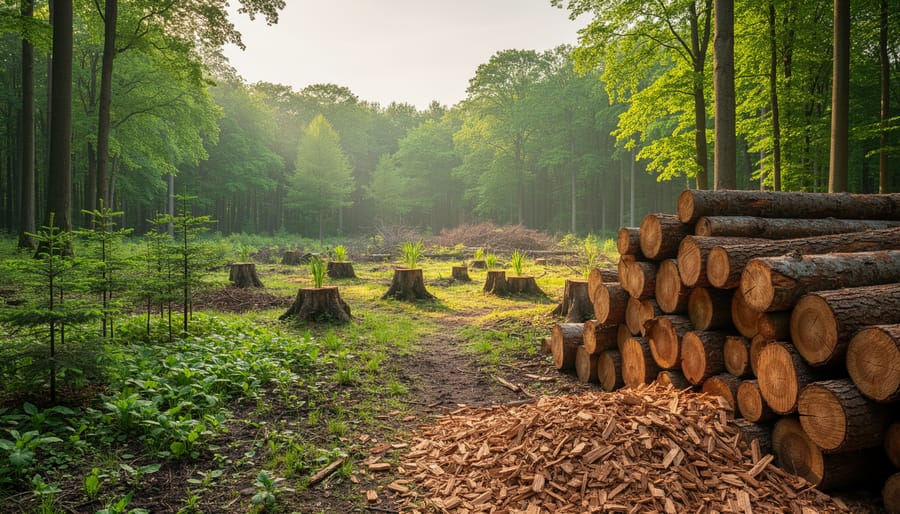
While biomass is technically renewable, certain practices can make it function more like a fossil fuel. The key issue lies in how quickly we harvest biomass compared to how fast it regrows. When trees are cut down faster than forests can regenerate, or when agricultural waste is removed at rates that deplete soil health, biomass extraction becomes unsustainable.
Large-scale deforestation for biomass energy presents significant environmental concerns. Trees can take decades or even centuries to reach maturity, meaning carbon released during burning won’t be recaptured for many years. This creates a carbon debt that contradicts the idea of carbon neutrality. Some environmental groups point to industry shortcomings regarding biomass, arguing that current accounting methods don’t adequately consider the timing of carbon emissions versus carbon recapture.
The biomass debate also centers on land use competition. Converting forests or agricultural land solely for energy production can reduce biodiversity, disrupt ecosystems, and potentially compete with food production. When wood pellets are shipped across continents for power generation, transportation emissions further complicate the renewable equation.
For Illinois homeowners and businesses evaluating energy options, these concerns highlight why understanding the source and sustainability practices behind any energy choice matters. While biomass has legitimate applications in specific contexts, these complexities demonstrate why many are turning to genuinely clean alternatives. Solar energy, for instance, produces electricity without harvesting concerns, regrowth periods, or carbon debt timing issues. As you consider renewable energy investments for your property, recognizing these distinctions helps you make informed decisions that align with both environmental goals and long-term sustainability.
Biodegradable Materials: The Future of Sustainable Biomass
The future of biomass energy lies in innovative biodegradable materials that offer genuine sustainability without depleting natural resources. Unlike traditional biomass approaches that can lead to deforestation or compete with food production, these emerging technologies focus on materials that naturally decompose and regenerate quickly.
Agricultural waste conversion represents one of the most promising developments in this field. Corn stalks, wheat straw, and other crop residues that Illinois farmers typically dispose of can now be transformed into energy. This approach doesn’t require growing additional crops specifically for fuel—instead, it utilizes materials that would otherwise decompose unused. The process creates value from waste while maintaining soil health through managed residue removal.
Algae-based fuels are gaining attention as another breakthrough in biodegradable biomass. Algae grows rapidly, requires minimal land space, and can thrive in various water conditions, including wastewater. Unlike traditional crops, algae doesn’t compete with food production and can be harvested continuously throughout the year. This makes it an attractive option for sustainable energy generation without the resource depletion concerns associated with conventional biomass.
Waste-to-energy systems utilizing naturally biodegradable sources offer Illinois communities practical solutions for managing organic waste while generating power. Food scraps, yard waste, and agricultural byproducts can be processed through microbial bioenergy technologies that break down materials efficiently. These systems reduce landfill burden while producing usable energy, creating a circular approach to resource management.
For Illinois homeowners and businesses evaluating renewable energy options, understanding these biodegradable innovations helps contextualize biomass within the broader energy landscape. While these technologies show promise, solar energy remains the most straightforward renewable option for most properties. Solar installations avoid the resource management complexities of biomass while providing clean, reliable power directly at your location. Our locally owned team specializes in helping Illinois residents navigate these renewable energy choices with solutions tailored to your specific needs.
Biomass Versus Solar: What Illinois Property Owners Should Know
For Illinois property owners weighing renewable energy options, understanding how biomass compares to solar power can inform smarter investment decisions. While both qualify as renewable energy sources, they differ significantly in practical application, cost-effectiveness, and environmental impact for residential and commercial properties.
| Factor | Biomass Energy | Solar Energy |
|---|---|---|
| Installation Costs | $15,000-$25,000+ for residential systems | $10,000-$20,000 with federal incentives |
| Maintenance Needs | High – regular fuel supply, ash removal, equipment servicing | Low – occasional panel cleaning, annual inspection |
| Space Requirements | Storage for fuel, combustion equipment, ash disposal area | Roof or open land area for panels |
| Emissions | Produces particulate matter and CO2 during combustion | Zero emissions during operation |
| Long-term Sustainability | Depends on sustainable fuel sourcing practices | 25-30+ year lifespan with minimal degradation |
The comparison reveals why solar has become the preferred choice for most Illinois applications. Biomass systems require continuous fuel sourcing, whether wood pellets, agricultural waste, or other organic materials. This creates ongoing logistical challenges and costs that solar systems avoid entirely. Illinois property owners must consider fuel availability, storage space, and the labor involved in system operation.
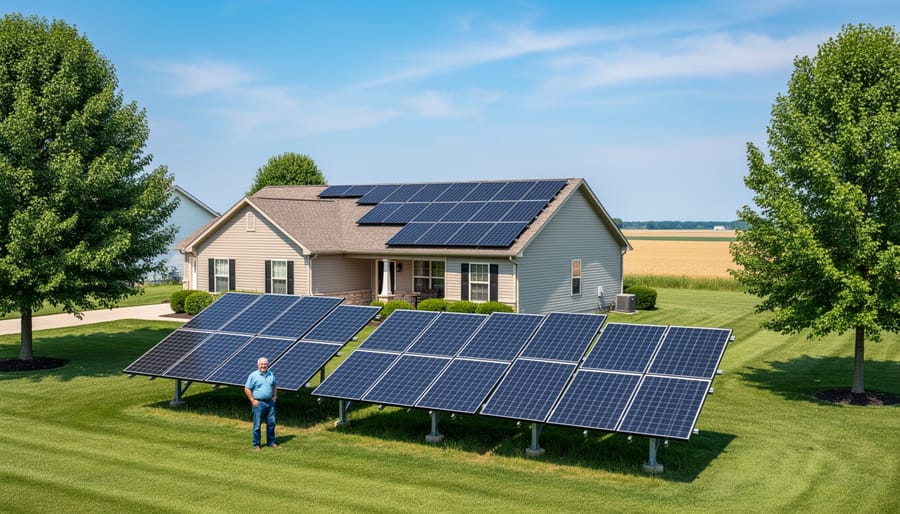
Solar installations offer predictable solar energy benefits without the operational demands of biomass. Once installed, solar panels require minimal intervention while generating clean electricity for decades. The state’s net metering policies further enhance solar’s value by crediting excess production back to your utility account.
Environmental considerations also favor solar for most applications. While biomass is technically renewable, combustion releases particulate matter and carbon dioxide immediately. Solar produces zero operational emissions and pairs effectively with energy storage solutions to maximize energy independence.
Biomass may suit specific scenarios, particularly agricultural operations with abundant organic waste requiring disposal. However, for residential and commercial properties seeking reliable, low-maintenance renewable energy, solar provides superior return on investment with significantly lower environmental impact throughout Illinois.
Making Biomass Truly Renewable: Best Practices
For businesses and industries in Illinois considering biomass energy, following best practices ensures this resource remains truly renewable. The key lies in how biomass is sourced, processed, and utilized.
Sustainable sourcing forms the foundation of responsible biomass energy. This means harvesting organic materials at rates that allow natural regeneration. Look for suppliers certified by reputable programs like the Forest Stewardship Council (FSC) or the Sustainable Forestry Initiative (SFI). These certifications verify that wood products come from responsibly managed forests that maintain biodiversity and ecological balance.
Local sourcing significantly improves biomass sustainability by reducing transportation emissions. When facilities source materials within their region, they minimize the carbon footprint associated with long-distance hauling. Illinois businesses can explore agricultural residues from nearby farms, creating partnerships that benefit local economies while reducing environmental impact.
The most sustainable biomass option involves utilizing waste streams that would otherwise decompose in landfills. Agricultural waste, food processing byproducts, and manufacturing residuals can generate energy while solving disposal challenges. This approach creates value from materials already in circulation rather than harvesting new resources. Some innovative operations even combine renewable energy approaches, such as agrivoltaics on farmland, which pairs solar panels with agricultural production.
For commercial facilities evaluating biomass, conduct a lifecycle assessment examining the entire supply chain. Calculate emissions from harvesting, processing, and transportation against energy output. Consider whether waste-stream biomass is available locally before pursuing virgin wood sources.
While biomass can support energy diversification, Illinois businesses should compare it against solar energy’s consistently renewable nature. Solar installations require no ongoing fuel sourcing, eliminate supply chain concerns, and provide predictable long-term costs. For many operations, solar represents a clearer path to sustainable energy goals.
So, is biomass energy renewable or nonrenewable? The answer depends entirely on how it’s sourced and managed. When biomass materials like wood, crops, and organic waste are harvested responsibly and replenished at rates matching or exceeding consumption, biomass functions as a renewable resource. However, when forests are cleared faster than they can regrow, or agricultural practices deplete soil nutrients without restoration, biomass becomes functionally nonrenewable—exhausting resources and contributing to environmental degradation.
For Illinois homeowners and businesses evaluating clean energy options, understanding this distinction is important. While biomass has a role in renewable energy conversations, it requires careful oversight and sustainable practices that aren’t always guaranteed. Solar energy, by contrast, offers clearer renewable benefits without the complexity of resource management concerns. The sun provides consistent, pollution-free energy that won’t deplete over time, making it an increasingly practical choice for our region.
If you’re ready to explore proven renewable energy solutions tailored to Illinois conditions, consider connecting with locally-owned solar experts who understand our state’s unique energy landscape and can help you make informed decisions for your home or business.
