

Why Understanding Non-Renewable Energy Makes You a Smarter Solar Buyer
Non-renewable energy comes from sources that cannot be replenished within a human lifetime—primarily fossil fuels like coal, natural gas, and oil, along with nuclear energy derived from uranium. These resources formed over millions of years deep beneath the Earth’s surface and exist in finite quantities. When you burn natural gas to heat your Illinois home or rely on coal-fired electricity from the grid, you’re using energy that took geological ages to create but will eventually run out.
Understanding non-renewable energy matters because it directly affects your energy costs, environmental impact, and long-term planning. Traditional power sources release carbon emissions, contribute to climate change, and subject you to volatile pricing controlled by global markets. Illinois residents and businesses face these realities every billing cycle.
The fundamental difference between non-renewable and renewable energy is simple: one depletes with use while the other regenerates naturally. Solar panels capture sunlight that arrives daily regardless of consumption. Wind turbines harness breezes that blow continuously. These renewable alternatives, especially when paired with battery storage systems, provide energy independence without extracting limited underground resources.
Recognizing this distinction empowers you to make informed decisions about your energy future, evaluating whether transitioning from grid-dependent, non-renewable power to sustainable solar solutions aligns with your financial goals and values.
Non-Renewable Energy: The Simple Definition
Non-renewable energy comes from sources that exist in limited quantities and cannot be replaced once they’re used up—at least not within a human lifespan or even many lifetimes. Think of these resources as nature’s savings account that took millions of years to build but is being withdrawn much faster than it can ever be replenished.
The most common non-renewable energy sources include coal, oil, natural gas, and uranium. These materials formed deep underground over millions of years through heat, pressure, and the natural decay of ancient plants and animals. Once we extract and burn them to create electricity, heat our homes, or power our vehicles, they’re gone forever.
Here’s a simple way to understand it: imagine you have a jar of 100 marbles. Each day you remove a marble, but no new marbles are added back. Eventually, you’ll run out. That’s essentially how non-renewable energy works. The Earth’s supply is finite, and we’re using it at a rate far faster than nature could ever replace it.
This finite nature stands in contrast to renewable energy sources like solar, wind, and hydroelectric power, which naturally replenish themselves. For Illinois homeowners and businesses, understanding this difference is the first step toward making informed decisions about transitioning to sustainable energy solutions that won’t run out.
The Main Types of Non-Renewable Energy Sources
Fossil Fuels: Coal, Oil, and Natural Gas
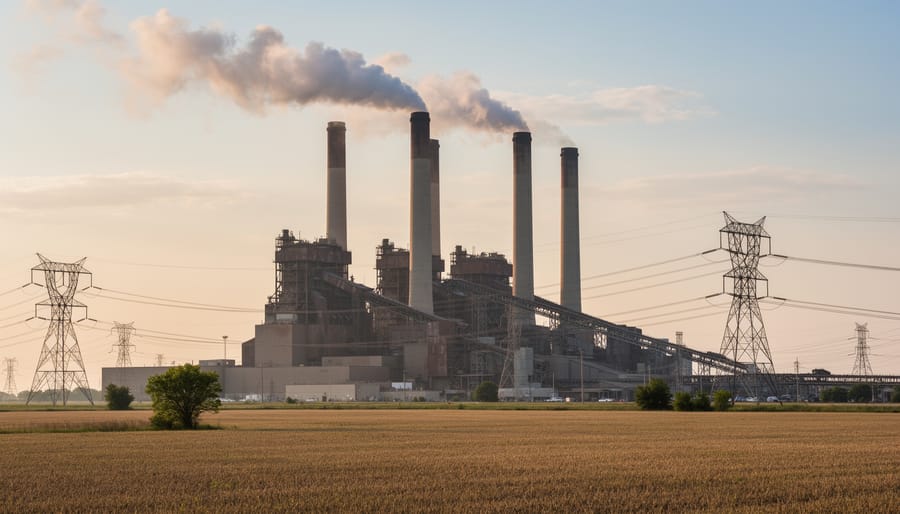
Fossil fuels are natural energy sources that form deep underground over millions of years from the remains of ancient plants and animals. The three main types are coal, oil, and natural gas. When these organisms died, they were buried under layers of sediment and rock. Over time, heat and pressure transformed them into the energy-rich materials we use today.
Coal forms from ancient plant matter in swamps and forests. As layers of dead vegetation accumulated and were compressed, they slowly became the solid black rock we mine for energy. Oil and natural gas develop similarly but from tiny marine organisms like plankton. These materials settled on ocean floors, and over millions of years, geological processes converted them into liquid petroleum and gaseous methane.
In Illinois, fossil fuels have historically played a significant role in powering homes, businesses, and industries. The state has coal deposits that once fueled much of its electricity generation, while natural gas continues to be an important energy source for heating and power production. Oil products power vehicles and serve various industrial purposes throughout the region.
The key characteristic that makes fossil fuels non-renewable is their formation timeline. Because it takes millions of years for nature to create these resources, we cannot replace what we consume within human timescales. Once extracted and burned, they’re gone. This reality has led many Illinois homeowners and businesses to explore alternative energy options that can be continuously replenished, such as solar power, which captures energy from an ongoing natural source rather than depleting finite underground reserves.
Understanding how fossil fuels work helps clarify why renewable energy alternatives offer different advantages for long-term sustainability.
Nuclear Energy
Nuclear power is another significant source of non-renewable energy. While it operates differently from fossil fuels, uranium, the primary fuel for nuclear reactors, is a finite resource that cannot be replenished within human timescales, making nuclear energy non-renewable.
Nuclear power plants generate electricity through a process called nuclear fission, where uranium atoms are split to release tremendous amounts of heat. This heat produces steam that drives turbines to create electricity. The process doesn’t produce carbon emissions during operation, which distinguishes it from coal and natural gas plants.
In Illinois, nuclear energy plays a substantial role in the state’s electricity generation. The state hosts six nuclear power plants, making Illinois one of the nation’s largest producers of nuclear power. These facilities currently provide approximately half of Illinois’s total electricity supply, a much higher percentage than most other states.
However, despite its low-carbon profile, nuclear energy faces important limitations. Uranium mining and processing have environmental impacts, nuclear waste requires careful long-term storage solutions, and the construction and decommissioning of nuclear facilities involve significant costs and safety considerations. Additionally, like other non-renewable resources, uranium deposits are limited and concentrated in specific geographic locations worldwide.
For Illinois homeowners and businesses exploring energy options, understanding nuclear power’s role in the current energy mix provides important context. While nuclear facilities will continue serving the grid, the finite nature of uranium and other challenges make diversifying into renewable energy sources an increasingly practical consideration for long-term energy planning.
How Non-Renewable Energy Works in Your Daily Life
If you’re an Illinois homeowner or business owner, non-renewable energy already plays a central role in your everyday routine, often without you realizing it. Let’s look at how these energy sources show up in your daily life.
When you flip on your lights or power up your computer, there’s a good chance that electricity is coming from non-renewable sources. In Illinois, a significant portion of our electrical grid relies on natural gas and coal-fired power plants. These facilities burn fossil fuels to generate the electricity that flows through power lines to your home or business.
Your morning commute provides another clear example. Whether you’re driving from Springfield to Champaign or navigating Chicago traffic, most vehicles run on gasoline or diesel—both petroleum products extracted from underground oil reserves. Even electric vehicles in Illinois often charge using electricity generated partly from non-renewable sources.
Heating your property during those cold Illinois winters typically depends on natural gas furnaces or boilers. Natural gas travels through an extensive pipeline network to keep your spaces comfortable when temperatures drop. Some older buildings still use heating oil, another petroleum-based product.
For businesses, non-renewable energy powers manufacturing equipment, keeps warehouses climate-controlled, and runs commercial kitchen appliances. Industries across Illinois depend on reliable electricity and natural gas to maintain operations and meet production schedules.
Understanding this dependence is the first step toward exploring alternatives. While non-renewable energy has powered our modern lifestyle, it comes from finite resources that won’t last indefinitely. This reality makes exploring renewable options like solar energy increasingly relevant for Illinois residents and businesses looking to secure their energy future while potentially reducing long-term costs.

Why Non-Renewable Energy Creates a Need for Storage Solutions
The Supply Problem: What Happens When Resources Run Out
Non-renewable energy sources face a fundamental challenge: they exist in limited quantities. Coal, oil, and natural gas deposits took millions of years to form, but we’re using them far faster than nature can replenish them. As these resources become harder to extract, production costs typically increase, which affects what Illinois families and businesses pay for electricity and heating.
This supply limitation creates price unpredictability. You’ve likely noticed fluctuations in your energy bills that have nothing to do with how much electricity you actually used. Global events, extraction difficulties, and shrinking reserves all influence fossil fuel prices. For Illinois homeowners and business owners, this means budgeting for energy costs becomes increasingly difficult.
The supply concern isn’t about resources disappearing overnight. Rather, it’s about recognizing that relying entirely on finite resources creates long-term challenges for energy planning and costs. Understanding this limitation helps explain why many Illinois residents are exploring alternatives. Solar energy offers a different approach, one where the fuel source, sunlight, renews daily and doesn’t deplete with use, providing more predictable long-term energy costs for your home or business.
The Grid Dependence Factor
Most Illinois residents and businesses depend on the electrical grid, which still relies heavily on non-renewable energy sources like coal and natural gas. This dependence creates several vulnerabilities. When fuel prices spike or supply chains are disrupted, your energy costs increase. Additionally, aging infrastructure powered by non-renewable sources can lead to unexpected outages during extreme weather events, which Illinois experiences regularly.
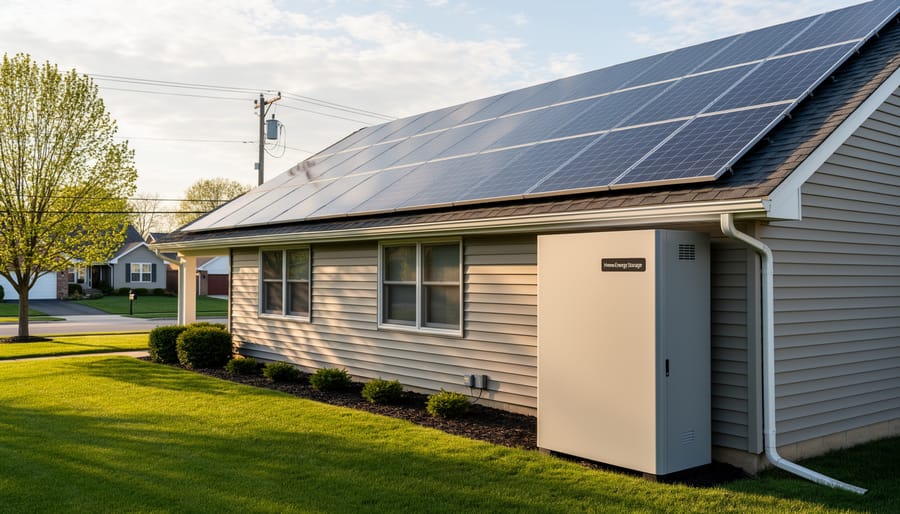
Energy storage systems offer a path toward greater independence. By pairing solar panels with battery storage, you can capture energy during peak production hours and use it when needed, reducing your reliance on grid-supplied power from non-renewable sources. This approach provides protection against rate increases and ensures backup power during outages. Modern green infrastructure solutions make it possible for Illinois homeowners and businesses to generate, store, and manage their own clean energy. While complete grid independence isn’t necessary for everyone, having storage capacity means you’re less vulnerable to the limitations and price fluctuations associated with traditional non-renewable energy systems.
How Renewable Energy Storage Changes the Equation
One of the biggest challenges with renewable energy has traditionally been its dependence on weather conditions. Solar panels generate electricity when the sun shines, but what happens during cloudy days or at night? This is where energy storage systems transform the renewable energy landscape and make it a truly viable alternative to non-renewable sources.
Modern battery storage systems capture excess electricity generated by solar panels during peak sunlight hours and store it for later use. When your panels aren’t producing enough power to meet your needs, the stored energy kicks in automatically. This means you can rely on clean, renewable energy around the clock, not just when the sun is shining. For Illinois property owners, this technology addresses concerns about consistent power supply during our varying seasonal conditions.
The practical benefits are significant. With storage systems, you can maximize your solar investment by using more of the energy you generate instead of sending excess power back to the grid. During peak demand periods when electricity rates are highest, you can draw from your stored energy rather than purchasing expensive power from the grid. This translates to greater cost savings over time and more independence from traditional energy sources.
Battery storage also provides backup power during outages, which is increasingly valuable as extreme weather events become more common in Illinois. Your business operations can continue uninterrupted, and your home remains comfortable and functional even when the grid goes down. Unlike generators that run on non-renewable fuels, battery systems provide clean, quiet backup power without ongoing fuel costs.
Many Illinois property owners are also exploring community solar projects paired with storage solutions, which allow participation in renewable energy without installing panels on your property. These combined technologies make the transition away from non-renewable energy sources more accessible and practical than ever before.
Making the Switch in Illinois: What This Means for You
Now that you understand the limitations of non-renewable energy sources like coal, natural gas, and oil, you’re better positioned to see why solar energy makes sense for Illinois. These fossil fuels are finite, subject to price fluctuations, and contribute to environmental concerns. Solar power offers a clean, abundant alternative that puts you in control of your energy future.
For Illinois homeowners and businesses, making the switch to solar means reducing dependence on non-renewable resources while potentially lowering energy costs over time. Our state receives sufficient sunlight to make solar a viable investment, even with our winter weather patterns. When you pair solar panels with battery storage systems, you create a reliable energy solution that works day and night, storing excess power generated during sunny periods for use when the sun isn’t shining.
Understanding that traditional grid electricity in Illinois still relies heavily on non-renewable sources helps clarify the environmental and economic benefits of going solar. Every kilowatt-hour your solar system produces is one less drawn from fossil fuel-powered plants. Battery storage amplifies this advantage by maximizing your use of clean energy you’ve generated yourself.
The financial case for switching has never been stronger. With Illinois solar incentives and federal tax credits available, the upfront investment becomes more accessible. Many customers see meaningful returns within several years through reduced utility bills and increased property value.
As a locally owned company with expertise in solar energy, we help Illinois residents and businesses navigate this transition. We’ll assess your property, explain your options clearly, and design a system that fits your energy needs and budget, turning your newfound understanding of non-renewable energy limitations into practical action toward a cleaner energy future.
Understanding the difference between non-renewable and renewable energy sources is the first step toward making smarter energy choices for your home or business. Non-renewable resources like coal, oil, and natural gas have powered our communities for generations, but their limited supply and environmental impact make exploring alternatives increasingly important. By grasping these fundamental concepts, you’re better equipped to evaluate how solar energy and battery storage can reduce your dependence on finite resources while potentially lowering your energy costs.
Illinois homeowners and businesses are uniquely positioned to benefit from solar solutions, thanks to state incentives and our region’s growing solar infrastructure. Whether you’re concerned about rising utility rates, interested in energy independence, or want to reduce your carbon footprint, renewable energy offers practical pathways forward.
Ready to explore what solar can do for your property? Connect with locally owned solar experts who understand Illinois-specific incentives, weather patterns, and installation requirements. Taking that next step today means investing in energy solutions that work for your needs now and for years to come.
