
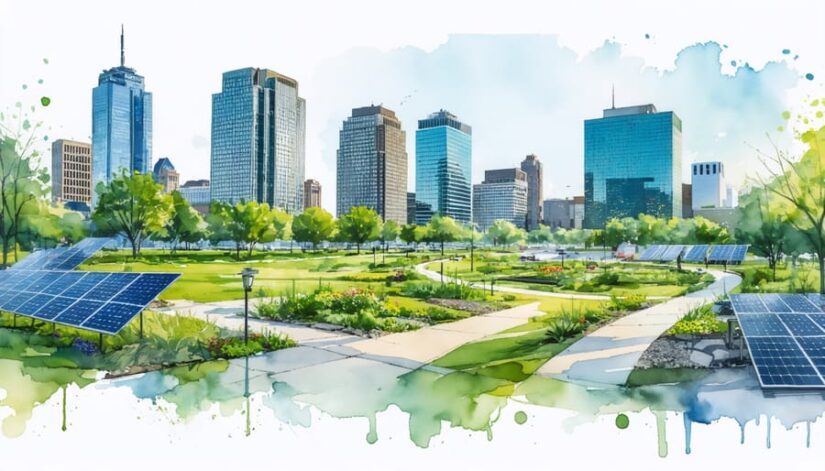
Green Infrastructure Powers Illinois Cities: Making Solar Work Smarter
Green urban infrastructure transforms cities into resilient, sustainable ecosystems while delivering measurable economic benefits. By integrating natural solutions like bioswales, permeable pavements, and living walls into existing cityscapes, municipalities can significantly reduce stormwater management costs while creating healthier communities. In Illinois, where extreme weather events increasingly challenge aging infrastructure, green solutions offer practical answers to mounting environmental pressures.
Strategic implementation of green infrastructure delivers triple-bottom-line benefits: environmental protection through improved air and water quality, social equity through enhanced public spaces and reduced urban heat islands, and economic advantages through decreased maintenance costs and increased property values. For example, Chicago’s extensive green roof program has already demonstrated how natural systems can reduce urban heating costs by 15-20% while extending roof lifespans by up to 40 years.
As cities across Illinois face growing infrastructure challenges, green solutions provide cost-effective alternatives to traditional gray infrastructure. These nature-based approaches not only help communities adapt to climate change but also create jobs, improve public health outcomes, and build more livable urban environments. By embracing green infrastructure today, municipalities invest in resilient, sustainable futures that benefit both current residents and generations to come.
Smart Solar Integration in Urban Landscapes
Building-Integrated Photovoltaics
Building-Integrated Photovoltaics (BIPV) represents a breakthrough in solar innovation in urban development, seamlessly incorporating solar technology into building materials and architectural elements. Instead of traditional rooftop panels, BIPV systems can be integrated into windows, facades, skylights, and even parking structures, serving both as building components and power generators.
In Illinois, where extreme weather conditions demand robust building materials, BIPV solutions offer dual functionality without compromising structural integrity. Solar glass windows, for instance, allow natural light while generating electricity and providing additional insulation. Solar tiles and shingles replace conventional roofing materials, maintaining aesthetic appeal while producing clean energy.
The integration extends to vertical surfaces, where solar facades can transform entire building sides into power plants. These systems are particularly effective in urban settings, where roof space might be limited but vertical surface area is abundant. Modern BIPV materials come in various colors and textures, allowing architects and designers to maintain creative freedom while embracing sustainable technology.
For building owners, BIPV systems offer reduced installation costs compared to traditional solar panels, as they replace conventional building materials while providing renewable energy generation capabilities.

Solar-Ready Construction Standards
Illinois building codes increasingly emphasize solar-ready construction standards to facilitate the future adoption of solar energy systems. These requirements ensure new buildings are designed and constructed with the necessary infrastructure to support solar panel installation, even if panels aren’t installed immediately.
Key solar-ready standards include structural reinforcement of roofs to handle solar panel weight, dedicated electrical conduit paths from the roof to electrical rooms, and reserved wall space for future solar inverter installation. Buildings must also maintain clear, unobstructed roof areas that receive optimal sunlight exposure throughout the day.
For commercial buildings, standards typically require documentation of the total roof area suitable for solar installations, along with electrical load calculations to determine potential system sizing. Residential construction standards focus on ensuring proper roof orientation, pitch, and load-bearing capacity.
Many Illinois municipalities have adopted these standards as part of their sustainability initiatives, requiring builders to submit solar-ready compliance documentation during the permit process. These standards typically add minimal costs during construction while significantly reducing future solar installation expenses. By incorporating these requirements into initial building designs, property owners maintain the flexibility to adopt solar energy systems when they’re ready, without costly retrofitting.
Green Spaces and Solar Synergy
Solar Gardens in Community Spaces
Solar gardens are transforming underutilized urban spaces across Illinois into dynamic hubs that combine renewable energy generation with community green spaces. These innovative community solar projects are being integrated into public parks, recreational areas, and community gardens, creating multi-functional spaces that benefit both the environment and local residents.
In Chicago’s South Side, for example, solar panels mounted on specially designed pergolas provide shade for community garden plots while generating clean energy. These installations feature elevated panels that allow sufficient sunlight to reach the plants below while protecting them from extreme weather conditions. The spaces underneath house native plant gardens, walking paths, and communal seating areas.
Several Illinois municipalities have successfully incorporated solar installations into existing parks by using innovative designs such as solar trees – vertical structures that combine artistic elements with renewable energy generation. These installations often include educational displays that help visitors understand renewable energy’s role in urban sustainability.
The dual-use approach maximizes land efficiency while creating engaging public spaces. Local communities benefit from reduced energy costs, improved air quality, and enhanced recreational areas. These solar gardens serve as practical demonstrations of how green infrastructure can seamlessly integrate into urban landscapes while supporting Illinois’s clean energy goals.

Green Roofs with Solar Integration
The innovative combination of green roofs and solar panels represents a powerful solution for sustainable urban development in Illinois. This dual-system approach maximizes rooftop space while delivering complementary environmental and economic benefits. Solar panels actually perform more efficiently when installed above green roofs, as the plants help maintain cooler temperatures that improve photovoltaic performance.
Green roof vegetation naturally reduces building heat absorption, lowering cooling costs during Illinois’ hot summers. When paired with solar panels, the shade provided by the panels helps protect plants from excessive sun exposure and reduces water evaporation, creating ideal growing conditions for native Illinois plant species. This symbiotic relationship results in better stormwater management, improved air quality, and enhanced biodiversity while generating clean energy.
Installation requires careful planning to ensure proper weight distribution and maintenance access. The solar panels are typically mounted on elevated racks above the green roof system, allowing sufficient space for plant growth and maintenance. Modern mounting systems are designed to minimize impact on the waterproof membrane while providing stable support for both components.
For Illinois property owners, this integrated approach can qualify for multiple incentives, including green infrastructure grants and solar energy tax credits. The combined system typically pays for itself faster than either technology alone through reduced energy costs, extended roof lifespan, and improved property values.
Urban Planning Education and Implementation
Illinois-Specific Planning Guidelines
Illinois has specific guidelines and regulations that shape the implementation of green urban infrastructure across the state. The Illinois Environmental Protection Agency (IEPA) requires all new development and redevelopment projects to incorporate sustainable stormwater management practices. These requirements include maintaining pre-development hydrology and implementing best management practices (BMPs) for water quality improvement.
Local municipalities must follow the Illinois Urban Manual, which provides detailed specifications for green infrastructure design and installation. Key requirements include minimum soil depths for bioswales, specific plant selection guidelines for native species, and proper sizing calculations for rain gardens and detention basins.
Chicago’s Green Permit Program serves as a model for other Illinois cities, offering expedited permit processing for projects that incorporate substantial green infrastructure elements. Projects must achieve minimum requirements for stormwater management, energy efficiency, and urban heat island reduction.
For funding support, the Illinois Green Infrastructure Grant Program (IGIG) provides financial assistance to local governments and private organizations implementing green infrastructure projects. Successful applications typically demonstrate multiple environmental benefits, community engagement, and long-term maintenance plans.
Projects must also comply with the Illinois Sustainable Sites Initiative (I-Sites) guidelines, which establish standards for sustainable landscape development and management practices.
Future-Proofing Urban Development
Future-proofing urban infrastructure requires a strategic approach that combines flexibility, sustainability, and technological innovation. As cities evolve and face new challenges, green infrastructure must be designed to adapt and scale accordingly. Smart sensors and data analytics are becoming integral components, allowing cities to monitor and optimize resource usage in real-time.
Illinois communities are increasingly incorporating adaptable design principles that accommodate changing climate patterns and population growth. These designs include modular green spaces that can be reconfigured based on community needs and expandable stormwater management systems that can handle increasing precipitation levels.
Integration with clean energy initiatives is crucial for long-term sustainability. Solar-ready building designs, electric vehicle charging infrastructure, and renewable energy microgrids are being implemented with future expansion capabilities built-in.
Advanced materials and construction techniques play a vital role in creating resilient infrastructure. Self-healing concrete, permeable pavements, and bioengineered soil systems are being deployed to extend the lifespan of green infrastructure while reducing maintenance costs. These innovations ensure that today’s investments continue to deliver value for decades to come while supporting environmental sustainability goals.
Community Benefits and Economic Impact

Energy Cost Reduction
Green urban infrastructure significantly reduces energy costs for communities through multiple pathways. Buildings integrated with green features, such as living walls and rooftop gardens, naturally regulate temperature, reducing the need for heating and cooling. These natural insulators can cut building energy consumption by 15-30% annually, resulting in substantial savings for property owners.
Strategic placement of trees and vegetation around buildings provides natural shade during summer months and wind protection during winter, further decreasing energy demands. Studies show that properly positioned trees can reduce air conditioning costs by up to 35% and heating costs by up to 25% in urban environments.
Communities implementing comprehensive green infrastructure programs can also benefit from solar incentives in Illinois, which complement natural energy-saving features. When combined with green roofs and walls, solar installations become more efficient due to the cooling effect of surrounding vegetation, increasing their power output by up to 8%.
The financial benefits extend beyond individual buildings to entire neighborhoods. Urban heat island effects, which typically increase cooling costs across cities, can be reduced by up to 4°F through strategic green infrastructure implementation. This community-wide temperature reduction translates to lower energy bills for residents and businesses alike.
Moreover, green infrastructure reduces stormwater management costs by naturally filtering and absorbing rainfall, decreasing the energy required for water treatment and pumping systems. These combined effects create a comprehensive energy-saving solution that benefits both individual property owners and the broader community, making it a smart investment for sustainable urban development.
Environmental and Social Returns
Green urban infrastructure delivers substantial environmental and social benefits that extend far beyond energy savings. In Illinois communities, these installations create vibrant, sustainable spaces that improve quality of life for residents while protecting our environment.
From an environmental perspective, green infrastructure helps combat the urban heat island effect, reducing local temperatures by up to 5 degrees Fahrenheit. Native plant installations and green roofs act as natural carbon sinks, absorbing CO2 and improving air quality. These systems also manage stormwater more effectively, reducing flooding risks and relieving pressure on municipal drainage systems during heavy rainfall events common to Illinois.
The social returns are equally impressive. Green spaces integrated into urban areas create natural gathering spots that strengthen community bonds and promote outdoor activities. Studies show that areas with well-maintained green infrastructure experience reduced stress levels among residents and improved mental health outcomes. Property values typically increase by 5-15% in neighborhoods with substantial green infrastructure investments, benefiting homeowners and local tax bases.
For businesses, green infrastructure installations can increase foot traffic and customer dwell time, particularly in commercial districts. Employee productivity and satisfaction also tend to improve in buildings incorporating natural elements and green design features.
In educational settings, green infrastructure provides hands-on learning opportunities for students studying environmental science and sustainability. Many Illinois schools use their green installations as living laboratories, helping nurture the next generation of environmental stewards while reducing operational costs through improved energy efficiency.
The combination of these environmental and social benefits creates a compelling case for green urban infrastructure investment, particularly as communities seek resilient solutions to climate challenges.
Green urban infrastructure has become an essential component of Illinois’ sustainable development strategy, offering numerous benefits to communities across the state. As we’ve explored, these solutions not only enhance environmental resilience but also provide significant economic advantages through reduced energy costs and increased property values.
Looking ahead, Illinois is well-positioned to become a leader in green urban infrastructure implementation. With advancing technology and decreasing installation costs, more municipalities are incorporating sustainable solutions into their development plans. The state’s commitment to renewable energy goals, combined with growing public awareness and support, creates a strong foundation for future growth.
Key initiatives, such as green roofs, rain gardens, and solar installations, are expected to become standard features in urban development projects. This transition will be supported by evolving policies and incentives that make sustainable infrastructure more accessible to property owners and developers.
The future outlook for green urban infrastructure in Illinois remains promising, with projected increases in adoption rates across residential, commercial, and industrial sectors. As climate challenges continue to emerge, these sustainable solutions will play an increasingly vital role in creating resilient, energy-efficient communities. By embracing these innovations today, Illinois communities are investing in a more sustainable and prosperous tomorrow, setting an example for other states to follow.
Homeowners and businesses interested in contributing to this green transformation can start by exploring available incentives and consulting with local sustainability experts to identify the most suitable solutions for their properties.
