
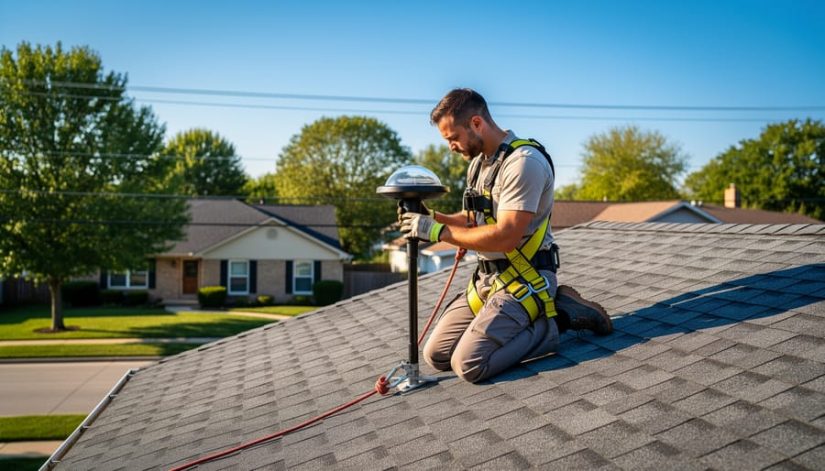
How a Professional Solar Site Assessment Saves You Thousands on Your Illinois Property
Determine your property’s solar potential by evaluating three essential factors before installation: roof condition and orientation, shading patterns throughout the day, and your current energy consumption. South-facing roofs with minimal shade between 9 AM and 3 PM typically generate the most electricity in Illinois, though east and west orientations can still prove viable with proper system design.
Analyze your electrical bills from the past 12 months to establish baseline energy usage, paying particular attention to seasonal variations common in Illinois winters and summers. This data reveals whether your consumption patterns align with solar production peaks and helps size your system appropriately to maximize savings without overbuilding capacity.
Assess physical site characteristics that impact installation costs and system performance. Consider roof age (ideally with 10+ years remaining lifespan), structural integrity to support panel weight, accessibility for installers, and local utility interconnection requirements. Illinois properties benefit from net metering policies, making these technical assessments crucial for optimizing long-term returns.
Document shading obstacles from trees, neighboring buildings, and chimneys during different seasons, as Illinois’ changing sun angles significantly affect year-round production. Even partial shading on a few panels can reduce entire system output by 20-30%, making this evaluation critical for accurate performance projections.
Professional assessments provide precise measurements using specialized tools like solar pathfinders and irradiance meters, accounting for Illinois-specific weather patterns, snow loads, and municipal requirements that online calculators cannot capture. This expert analysis transforms rough estimates into actionable installation plans with reliable financial projections.
What a Solar Site Assessment Actually Measures
Solar Resource Availability in Your Location
Understanding solar resource availability is essential for determining whether your Illinois property is a good candidate for solar energy. Solar irradiance, measured in kilowatt-hours per square meter per day (kWh/m²/day), tells us how much sunlight reaches your location. In Illinois, we receive an average of 4 to 4.5 peak sun hours daily, which is comparable to many areas across the United States that have successfully adopted solar energy.
Our Midwest climate experiences significant seasonal variations. Summer months deliver abundant sunshine with peak irradiance levels, while winter months see reduced solar production due to shorter days and lower sun angles. However, modern solar panels are designed to capture diffuse light even on cloudy days, making year-round energy production viable.
Illinois properties generally have good solar potential, particularly when panels are properly positioned. Sites with south-facing roof slopes or open ground areas that receive unobstructed sunlight during peak hours (typically 9 AM to 3 PM) are ideal candidates. Even locations with partial shading can work well with proper system design and panel placement. A professional site assessment will measure these factors specific to your property, ensuring you have accurate data to make an informed decision about solar installation.
Roof Condition and Structural Capacity
Your roof’s condition plays a critical role in determining whether solar installation makes sense for your property. Before mounting panels, professionals evaluate several key factors that affect both system performance and safety.
Roof age matters significantly because solar systems typically last 25-30 years. If your roof needs replacement within the next decade, it’s usually more cost-effective to reroof before installation rather than removing and reinstalling panels later. Asphalt shingle, metal, tile, and flat roofs all have different mounting requirements and lifespans that affect installation planning.
Roof orientation and pitch determine how much sunlight your panels capture throughout the day. South-facing roofs typically provide optimal energy production in Illinois, though east and west-facing installations can still perform well with proper system design.
Structural capacity is equally important. Your roof must safely support the additional weight of solar panels, mounting equipment, and snow loads common in Illinois winters. Professional assessments include evaluating roof framing, decking condition, and load-bearing capacity to ensure your structure can handle the installation safely for decades to come.
Shading Analysis Throughout the Year
Trees, buildings, chimneys, and nearby structures can cast shadows that significantly reduce your solar panel output. Even partial shading on a single panel can impact your entire system’s performance, making it essential to identify potential obstructions during a site assessment.
Seasonal changes create different shading patterns throughout the year. In Illinois, the sun’s path varies considerably between winter and summer months. Trees that seem harmless in December when bare may cast substantial shadows during summer’s peak production season. Conversely, deciduous trees that shade panels in summer might allow full sun exposure when you need it most during shorter winter days.
A comprehensive shading analysis examines your property at different times of day and across all seasons. Professional assessors use specialized tools to map the sun’s path and predict how shadows will affect your solar production year-round. This analysis helps determine optimal panel placement and realistic energy generation expectations, ensuring your investment delivers the maximum return possible for your specific property conditions.
The Illinois Advantage: What Makes Our Climate Work for Solar
Understanding Illinois Solar Irradiance Levels
Illinois receives approximately 4.0 to 4.5 peak sun hours per day on average, placing it in the moderate range for solar potential nationwide. While this may seem lower than sun-drenched states like Arizona or California, it’s perfectly adequate for cost-effective solar energy production. In fact, Illinois receives comparable solar irradiance to Germany, a global leader in solar adoption.
The northern counties near Chicago typically see around 4.0 peak sun hours daily, while southern regions closer to the borders with Kentucky and Missouri can experience up to 4.5 hours. These figures represent the equivalent hours of full-intensity sunlight (1,000 watts per square meter) your panels receive each day after accounting for weather patterns, seasonal variations, and atmospheric conditions.
Understanding these numbers is essential for accurate energy production estimates during your site assessment. Modern solar panels are highly efficient even in moderate sunlight conditions, making solar viability in Illinois stronger than many property owners realize. Professional assessments use local solar data combined with your specific site conditions to provide realistic production forecasts.
Seasonal Production Patterns in the Midwest
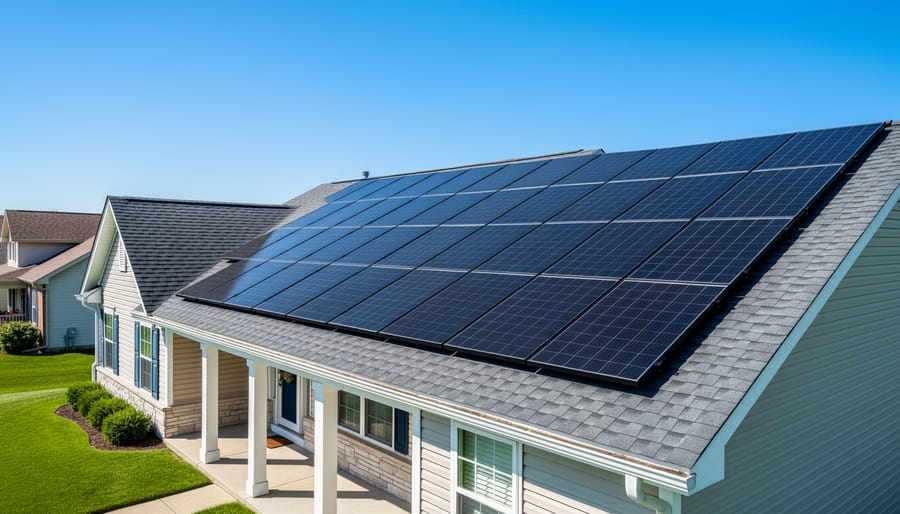
Illinois experiences distinct seasonal variations that directly impact solar energy production throughout the year. Understanding these patterns helps property owners set realistic expectations for their solar investment.
Summer months, particularly June and July, deliver peak solar production in Illinois. Longer daylight hours and the sun’s higher position in the sky create optimal conditions for energy generation. Your system will typically produce 40-50% of its annual output during these productive months.
Spring and fall offer moderate production levels, with comfortable temperatures that actually benefit panel efficiency. Cooler weather allows solar panels to operate more effectively than during extreme heat, though the shorter days reduce overall generation compared to summer.
Winter presents the most challenging season, with shorter days and lower sun angles resulting in decreased output. However, Illinois solar systems still generate valuable electricity during winter months. Snow typically slides off angled panels quickly, and the sun’s reflection off snow can even boost production on clear days. Most professionally designed systems account for these seasonal fluctuations, ensuring your annual energy needs are met. A thorough site assessment evaluates your property’s year-round solar potential, helping determine the optimal system size to balance seasonal variations and maximize your return on investment across all four seasons.
The Professional Assessment Process: What to Expect
On-Site Evaluation and Measurements
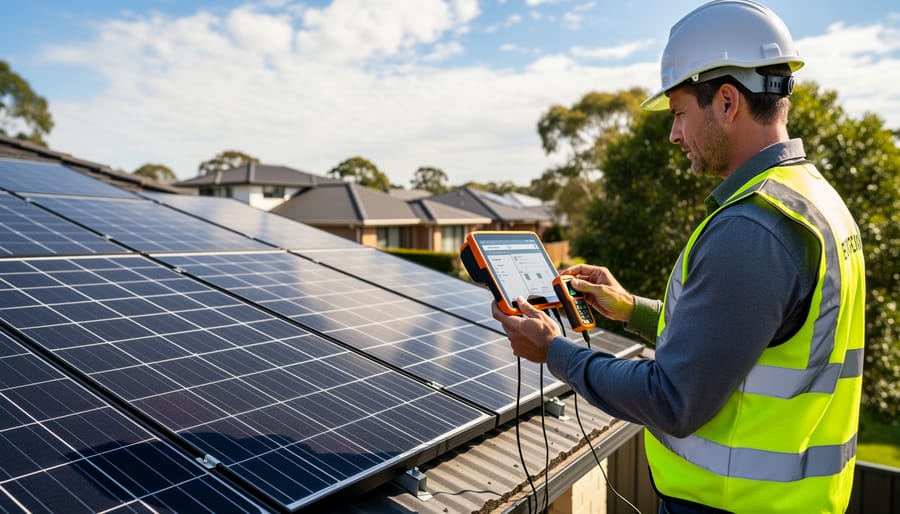
During a professional on-site evaluation, assessment teams gather precise data that online tools simply cannot capture. Trained solar specialists visit your Illinois property equipped with specialized instruments to measure actual conditions affecting solar performance.
The team uses solar pathfinders or electronic shade analysis tools to track sun exposure patterns throughout the day and across seasons. They measure roof pitch using digital inclinometers and assess structural integrity to ensure your roof can safely support solar panel weight. Infrared thermal imaging may detect hidden issues like moisture damage or inadequate insulation that could affect installation.
Assessors also examine your electrical panel’s capacity and condition, noting whether upgrades are necessary for solar integration. They document physical obstacles like chimneys, vents, or nearby trees that might create shading concerns. Ground-mounted systems require soil analysis and grading evaluation.
This hands-on approach provides accurate measurements of available installation space, optimal panel placement, and realistic energy production estimates specific to your property. The collected data forms the foundation for a customized solar solution designed specifically for Illinois weather patterns and your energy needs, ensuring you receive the most accurate system recommendations and financial projections.
Data Analysis and System Modeling
Once your solar professional collects all the necessary site data, the real magic happens during the analysis phase. This is where raw measurements transform into a customized solar energy plan tailored to your Illinois property.
Using specialized software, solar experts input data about your roof dimensions, shading patterns, orientation, and tilt angles. The software models how sunlight will interact with your property throughout the year, accounting for seasonal variations in sun position and Illinois-specific weather patterns. This creates accurate production estimates showing how much electricity your system will generate each month.
The analysis also determines the optimal system size for your energy needs and budget. Too small, and you won’t maximize your savings. Too large, and you’re investing more than necessary. Professionals balance your current electricity usage with available roof space and your financial goals to recommend the right configuration.
Cost projections come next, including equipment expenses, installation labor, and potential financing options. Most importantly, the analysis calculates your return on investment, factoring in Illinois incentives like the Adjustable Block Program and federal tax credits. You’ll receive clear projections showing estimated payback periods and long-term savings, giving you the complete financial picture needed to make an informed decision about going solar.
Custom Recommendations for Your Property
After completing your solar site assessment, you’ll receive a detailed report tailored specifically to your Illinois property. This personalized analysis goes far beyond generic online calculators by considering your unique circumstances, including your roof’s exact specifications, shading patterns throughout the year, and local weather data.
Your custom recommendations will outline the optimal solar panel configuration for your property, including the best placement, system size, and equipment types suited to your energy needs. You’ll receive projected energy production estimates based on actual Illinois sunlight conditions, helping you understand exactly how much electricity your system can generate monthly and annually.
The assessment also provides a financial roadmap specific to your situation, detailing available Illinois incentives, federal tax credits, and potential utility savings. If your property has unique characteristics requiring special considerations, such as older roofing or electrical upgrades, these will be clearly identified along with solutions.
For properties where solar might face challenges, you’ll receive honest guidance on alternatives or modifications. Consider pairing your site assessment with a comprehensive energy audit to maximize your overall energy efficiency and solar investment potential.
Common Site Challenges and How They’re Addressed
Working Around Shading Issues
Discovering shade on your property doesn’t necessarily mean solar won’t work for you. During a professional site assessment, our locally owned team identifies practical solutions to maximize your system’s performance. Tree trimming is often the simplest option, especially when branches cast shadows during peak sunlight hours. However, we’ll help you weigh the costs and benefits, considering factors like tree health, property aesthetics, and local ordinances in Illinois.
Alternative panel placement can also address shading concerns. Ground-mounted systems offer flexibility to position panels in sunnier areas of your property, away from structures or trees. For rooftop installations, strategic panel layout can work around shaded sections while still generating significant power. Our expertise in solar energy means we analyze your entire property to find the best configuration. In some cases, microinverters or power optimizers can minimize the impact of partial shading, ensuring shaded panels don’t reduce your entire system’s output. We’ll present all viable options so you can make an informed decision that balances energy production with your property’s unique characteristics.
Roof Limitations and Ground-Mount Alternatives
Not all properties are suited for rooftop solar installations. Older roofs nearing replacement, complex roof designs with multiple angles and penetrations, or structures with insufficient load-bearing capacity may make roof mounting impractical or cost-prohibitive. Additionally, properties with limited south-facing roof space or extensive shading issues might not generate adequate solar energy when panels are installed on the roof.
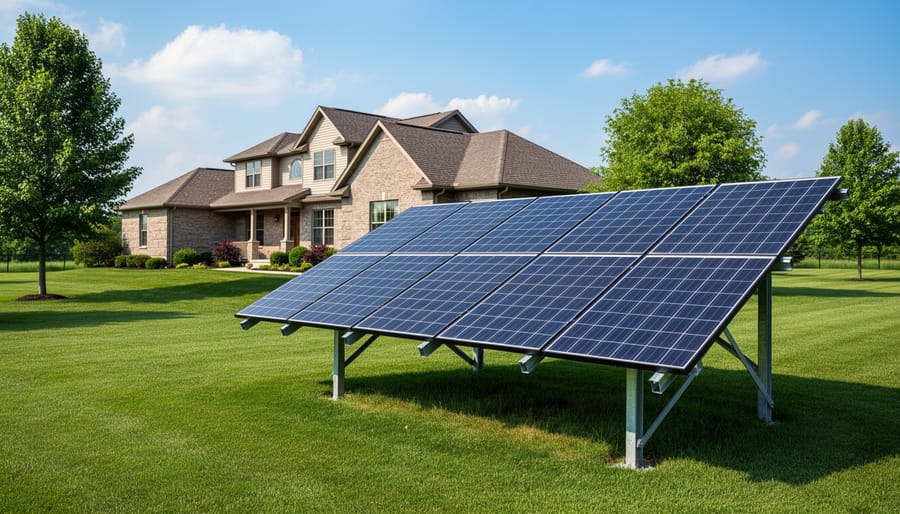
Ground-mounted solar systems offer an excellent alternative for Illinois properties facing these limitations. These installations can be positioned in optimal locations on your property, angled perfectly for maximum sun exposure, and oriented to avoid shading obstacles. Ground mounts are particularly beneficial for commercial properties and farms with available land, as they allow for larger array sizes and simplified maintenance access.
During your professional solar site assessment, our locally owned team will evaluate both rooftop and ground-mount options, providing you with recommendations based on your property’s unique characteristics. Ground systems can often achieve better energy production than compromised roof installations, making them a smart long-term investment for properties where roof mounting presents significant challenges.
Electrical System Compatibility
Your existing electrical panel must have adequate capacity to handle the additional solar system. Most residential panels are rated for 100, 150, or 200 amps, and your solar installer will evaluate whether your current setup can safely accommodate solar energy production. If your panel is older or undersized, you may need an upgrade before installation, which affects your overall project budget.
The assessment also examines your utility connection and meter location. Illinois homeowners benefit from net metering policies, which allow excess solar energy to be credited back to your account. Your installer will coordinate with your utility company to ensure proper interconnection agreements are in place. Understanding these electrical requirements upfront helps avoid surprises and ensures your solar system integrates smoothly with your property’s existing infrastructure and local grid requirements.
Why DIY Solar Assessment Tools Fall Short
Online solar calculators and satellite-based assessment tools have become increasingly popular for homeowners exploring solar energy options. While these digital tools provide a helpful starting point, they often miss critical details that can significantly impact your solar investment’s success.
Most DIY tools rely on satellite imagery and broad assumptions about your property. They can’t detect crucial factors like the actual condition of your roof, the presence of nearby trees that cast shadows during specific seasons, or structural issues that might affect panel installation. In Illinois, where weather patterns vary considerably throughout the year, these tools often fail to account for local microclimates, snow accumulation patterns, and the state’s unique sun exposure characteristics.
Shading analysis represents one of the biggest shortcomings of automated tools. A shadow that covers just a small portion of your solar array during peak sunlight hours can dramatically reduce energy production. Online calculators typically can’t identify the impact of nearby chimneys, vent pipes, or vegetation growth patterns that change seasonally.
These tools also oversimplify electrical system evaluations. They won’t assess whether your current electrical panel can handle solar integration or identify potential upgrade requirements. For commercial properties, they rarely account for three-phase power systems or complex energy usage patterns that require customized solutions.
Professional on-site assessments provide accurate measurements, identify potential obstacles before installation begins, and ensure your system is properly sized for your actual energy needs. A locally owned solar company with expertise in Illinois properties understands regional building codes, utility interconnection requirements, and available state incentives that automated tools simply cannot incorporate into their calculations. This hands-on approach prevents costly surprises and ensures your solar investment delivers the expected returns.
The Financial Impact of an Accurate Assessment
Avoiding Costly Oversizing or Undersizing
One of the most valuable outcomes of a thorough solar site assessment is right-sizing your system to match your actual energy needs and production potential. Without accurate data, many property owners risk investing in more panels than their roof can effectively support or purchasing too small a system that leaves energy savings on the table.
When systems are oversized, you’re paying for equipment and installation capacity that won’t deliver proportional returns. Illinois net metering policies compensate you for excess energy, but the upfront costs may not justify minimal additional production, especially if your roof has shading or orientation limitations that reduce efficiency.
Conversely, undersizing leaves money on the table. A properly sized system maximizes your available roof space and sun exposure, ensuring you capture all the financial benefits available. Professional assessors analyze your consumption patterns, available installation area, and site-specific factors like Illinois weather patterns to recommend the optimal system size.
This precision means you invest exactly what’s needed to meet your goals, whether that’s offsetting your entire electric bill or achieving a specific percentage of energy independence. The result is faster payback periods and better long-term returns on your solar investment.
Optimizing for Illinois Incentives and Net Metering
A comprehensive solar site assessment does more than determine if your property can support solar panels—it positions you to take full advantage of valuable financial opportunities available to Illinois residents and businesses. Your assessment provides the precise data needed to accurately calculate potential returns from state and federal programs.
Illinois offers some of the nation’s most generous solar programs, including the Illinois Shines initiative and adjustable block program. These programs provide Solar Renewable Energy Credits that can significantly reduce your system costs. However, maximizing these benefits requires accurate production estimates, optimal system sizing, and proper equipment specifications—all derived from your site assessment.
The assessment also establishes your baseline for net metering eligibility. Illinois utilities must credit you for excess solar electricity sent back to the grid, but the value depends on your specific rate structure and consumption patterns. A thorough assessment analyzes your usage data alongside your site’s production potential to optimize system size for maximum net metering benefits.
Additionally, understanding your site’s specific conditions helps your installer navigate local permitting requirements efficiently, avoiding delays that could impact incentive availability. Working with locally owned solar experts who understand Illinois incentives and tax credits ensures your assessment captures all necessary information to secure every dollar of savings available to you.
A professional solar site assessment is the essential first step toward a successful solar investment. While online calculators and DIY tools provide helpful preliminary information, nothing replaces the accuracy and expertise of a comprehensive on-site evaluation conducted by local solar professionals. A thorough assessment ensures your system is properly sized, optimally positioned, and designed to deliver maximum energy production and financial returns for decades to come.
For Illinois property owners, working with a locally owned solar company means partnering with experts who understand our unique climate patterns, regional regulations, and available incentive programs. This local knowledge directly translates into better system performance and faster returns on your investment.
Ready to discover your property’s solar potential? The first step in your solar project planning journey is scheduling a professional site assessment. Our team of Illinois solar experts will evaluate your property, answer your questions, and provide a detailed proposal tailored to your energy goals and budget. Contact us today to schedule your free solar site assessment and take the first step toward energy independence and long-term savings.
