
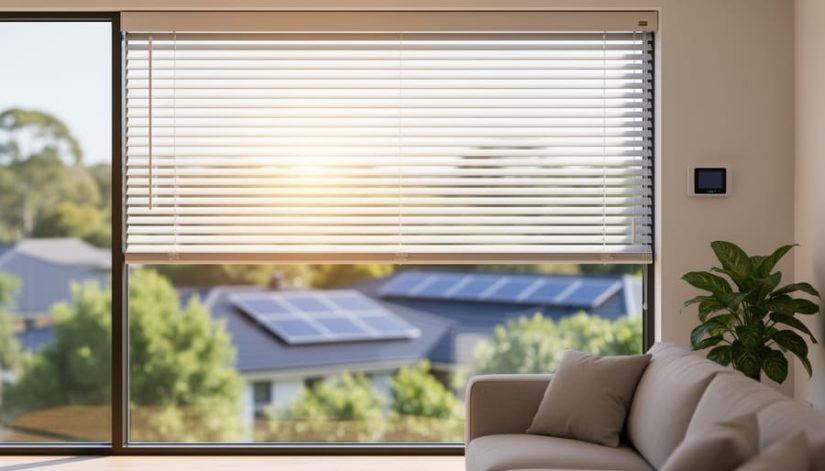
Smart Blinds Could Be Slashing Your Energy Bills Right Now
Your home’s windows account for up to 30% of heating and cooling costs, making them one of the biggest opportunities for energy savings. Smart blinds newcastle homeowners and others can use automate this process by adjusting throughout the day to block summer heat, retain winter warmth, and maximize natural light—all without you lifting a finger.
These automated window coverings integrate with your home’s climate control system, opening and closing based on temperature, sunlight intensity, and time of day. When paired with smart thermostats, they create a coordinated approach to managing indoor comfort while reducing HVAC runtime. Illinois homeowners typically see 15-25% reductions in window-related energy loss, with the greatest impact during our region’s temperature extremes in January and July.
The technology works through motorized mechanisms controlled via smartphone apps, voice commands, or programmed schedules. Solar-powered options eliminate the need for electrical wiring, making retrofit installation straightforward in existing homes. For households already investing in renewable energy systems, smart blinds complement solar panel installations by reducing overall energy consumption, allowing smaller, more cost-effective solar arrays to meet household needs.
The initial investment ranges from $300-$800 per window depending on size and features, with energy savings offsetting costs over 5-8 years. Beyond the financial benefits, automated blinds provide convenience, protect furniture from UV damage, and enhance home security by simulating occupancy when you’re away. Understanding whether smart blinds align with your energy efficiency goals requires examining your current window performance, climate control costs, and broader home improvement priorities.
How Smart Blinds Work to Save Energy
Automated Solar Heat Management
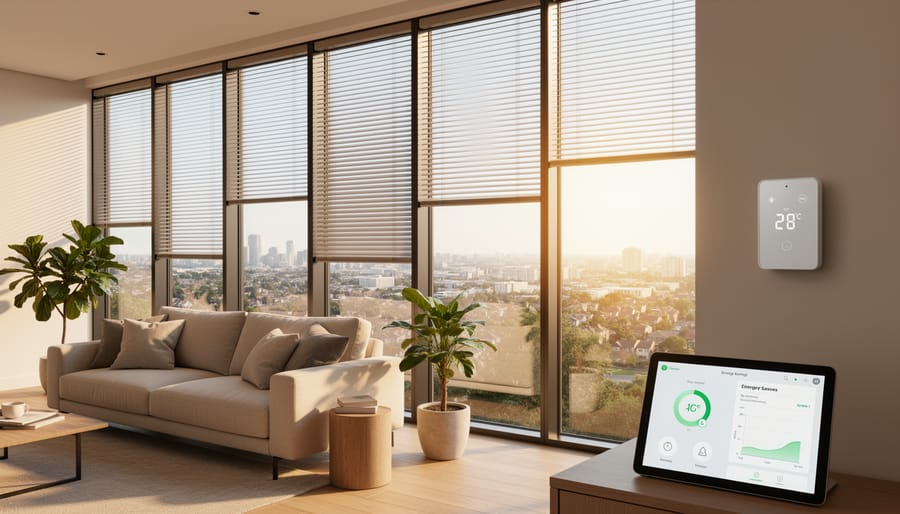
Smart blinds take the guesswork out of managing solar heat gain throughout the year. Using built-in sensors and weather data, these automated window coverings adjust themselves based on sunlight intensity, outdoor temperature, and time of day. During Illinois summers, smart blinds automatically close when the sun hits south and west-facing windows, blocking heat before it enters your home. This simple action can reduce cooling demands by up to 30 percent, significantly improving HVAC efficiency.
In winter, the system reverses its strategy. Smart blinds open during daylight hours to capture free solar warmth, then close at dusk to provide insulation against cold nighttime temperatures. This passive heating approach reduces your furnace workload without any effort on your part. The automation ensures optimal timing every day, something manual adjustments rarely achieve consistently.
For Illinois homeowners with solar panels, this technology pairs especially well with your existing investment. By reducing heating and cooling loads, smart blinds help maximize the percentage of your energy needs that solar power can cover, making your entire home energy system more efficient and cost-effective.
Integration with Smart Home Systems
Smart blinds integrate seamlessly with popular home automation platforms like Amazon Alexa, Google Home, and Apple HomeKit, allowing you to control window treatments alongside other connected devices. This compatibility becomes especially valuable when paired with smart thermostats such as Nest or Ecobee. For example, your system can automatically close blinds during peak afternoon heat, reducing your air conditioning workload by up to 20 percent.
When integrated with smart home solar systems, blinds can respond to real-time energy production data. On sunny days when your solar panels generate excess power, the system might prioritize comfort over shading. Conversely, during evening peak-rate hours, blinds can help retain heat in winter or block warmth in summer.
Many energy monitoring systems now include smart blinds in their efficiency calculations, giving Illinois homeowners clear visibility into savings. Through centralized apps, you can create schedules, set temperature triggers, and monitor how window treatments impact your overall energy consumption. This coordinated approach maximizes both comfort and cost savings throughout the year.
Real Energy Savings: What Illinois Homeowners Can Expect
Illinois homeowners can realistically expect to reduce their heating and cooling costs by 15-25% annually by installing smart blinds, though actual savings depend on several factors specific to your home. In dollar terms, this translates to approximately $150-$400 per year for an average 2,000 square foot home in Illinois, where extreme temperature swings make window management particularly important.
The most significant savings occur with south-facing and west-facing windows, which receive intense solar heat during summer months. Smart blinds on these windows can reduce cooling loads by up to 30% during Illinois’s hot, humid summers. East-facing windows benefit from automated morning sun control, while north-facing windows typically show the smallest impact on energy bills.
Home size directly affects your total savings potential. Larger homes with more window area see greater absolute dollar savings, though the percentage reduction remains consistent. A 1,500 square foot home might save $120-$250 annually, while a 3,000 square foot home could see $300-$600 in reduced energy costs.
Your existing insulation quality also plays a crucial role. Homes with older windows or minimal wall insulation will see more dramatic improvements from smart blinds because they’re addressing a larger efficiency gap. However, even well-insulated homes benefit from automated window treatments that respond to real-time temperature changes throughout Illinois’s variable seasons.
The best results come from integrating smart blinds with other energy-efficient upgrades. Homeowners who combine automated window treatments with solar panels, updated insulation, and programmable thermostats often achieve total energy reductions exceeding 40%. Smart blinds work particularly well alongside solar installations by maximizing passive heating in winter while reducing summer cooling demands that would otherwise drain your solar production.
Choosing Custom Smart Blinds for Your Home
Material Matters for Energy Efficiency
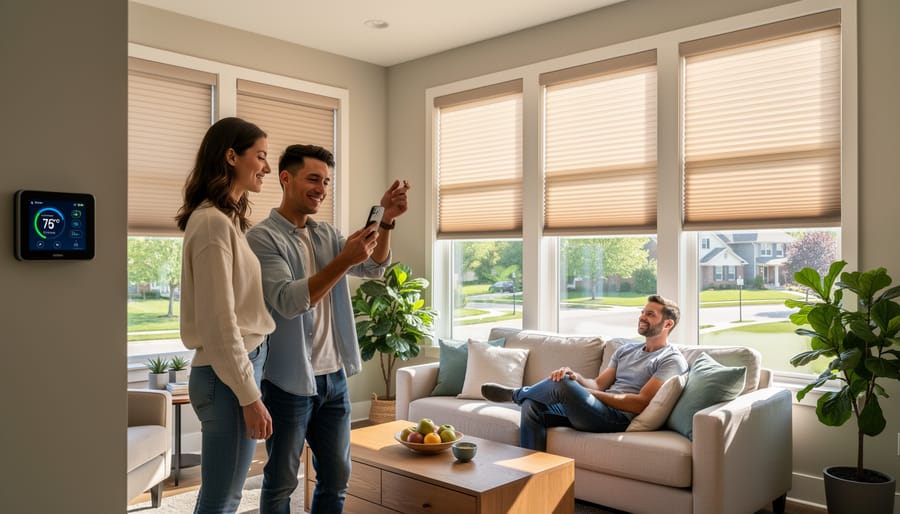
The material you choose for your smart blinds significantly impacts their energy-saving performance. Cellular shades, also called honeycomb shades, are among the most effective insulators. Their unique structure creates air pockets that trap heat during Illinois winters and block it during summer months. These blinds can reduce heat loss through windows by up to 40% and heat gain by up to 60%, making them an excellent complement to solar energy systems.
Roller shades offer a simpler, budget-friendly option with varying energy performance depending on fabric choice. Light-colored, reflective materials work best for deflecting summer heat, while thicker, darker fabrics provide better insulation in colder months. For Illinois homeowners balancing seasonal extremes, dual-layer roller shades offer year-round versatility.
Solar screens deserve special consideration if you’re already invested in renewable energy. These specialized mesh fabrics block up to 90% of solar heat while maintaining visibility and natural light. They’re particularly effective on south and west-facing windows where afternoon sun drives up cooling costs. When integrated with smart controls, solar screens automatically adjust throughout the day to optimize both energy efficiency and comfort. The right material choice depends on your home’s specific orientation, window types, and whether you’re prioritizing heating or cooling efficiency in our Illinois climate.
Smart Features Worth the Investment
When evaluating smart blinds, focus your investment on features that directly impact energy savings rather than gadgets that simply add convenience. Scheduling and automation capabilities deliver the strongest return on investment for Illinois homeowners. These allow your blinds to automatically adjust based on sunrise and sunset times, closing during peak summer heat and opening to capture winter warmth. Since Illinois experiences distinct seasonal temperature swings, automated scheduling can reduce your heating and cooling costs by 15-25% without requiring daily attention.
Temperature sensors represent another worthwhile investment, triggering blinds to close when rooms reach certain thresholds. This feature works particularly well if you’ve already installed solar panels, as it helps manage indoor climate without drawing grid power during peak rate periods.
Voice control and smartphone apps offer convenience but provide minimal energy savings on their own. Consider these add-ons only if they fit your budget after securing the core automation features. Remote access becomes valuable mainly if your schedule varies significantly or you travel frequently. The key is prioritizing features that work independently to optimize energy efficiency, creating a system that saves money whether you’re actively managing it or not.
Pairing Smart Blinds with Solar Energy Systems
For Illinois homeowners who’ve already invested in solar panels or are considering making the switch, smart blinds create a powerful partnership that maximizes your energy independence. When you reduce your home’s heating and cooling demands through automated window management, your solar array can cover a larger percentage of your actual energy needs—meaning you draw less from the grid and see faster returns on your solar investment.
The synergy works both ways. During peak sunlight hours, your solar panels generate maximum power while smart blinds strategically block heat gain, reducing air conditioning demands exactly when cooling costs are highest. In winter, the same blinds open automatically to capture free solar heat during the day and close at night to prevent heat loss through windows. This intelligent coordination between passive solar gain and active solar generation creates an efficient system where both technologies enhance the other’s performance.
For our locally owned company, we’ve seen Illinois homeowners achieve remarkable results through solar integration that includes smart window treatments. By reducing baseline energy consumption by 15-25% through automated blind control, homeowners effectively increase their solar self-consumption ratio—the percentage of solar energy used directly rather than exported to the grid. This means greater energy independence and protection against utility rate increases.
The financial impact is straightforward: lower energy needs mean you can potentially install a smaller, less expensive solar array while still achieving your energy goals, or existing solar systems can push you closer to net-zero consumption. Either way, the combination delivers faster payback periods and greater long-term savings than either technology alone.
Installation and Setup Considerations
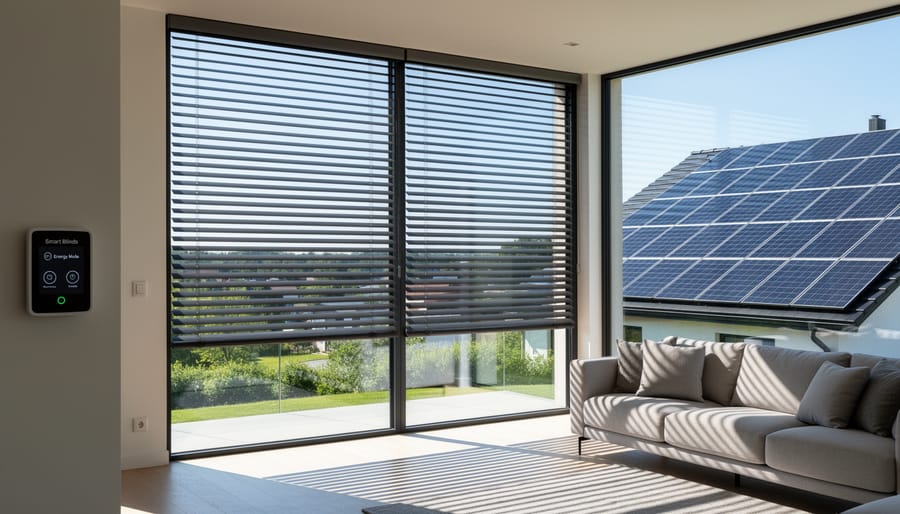
When considering smart blinds for your Illinois home, you’ll need to decide between professional installation and DIY setup. Most motorized blinds are designed for straightforward installation, with battery-powered or rechargeable options offering the easiest DIY approach since they don’t require electrical work. However, hardwired systems that integrate directly with your home’s electrical system typically require professional installation to ensure safety and code compliance.
If you’re already planning other energy efficiency upgrades, coordinating smart blind installation makes practical sense. For homeowners considering solar panels, installing smart blinds beforehand or simultaneously can maximize your overall energy savings from day one. This coordination allows you to optimize window coverings for your home’s specific solar exposure patterns.
Integration with existing smart home systems is generally straightforward. Most modern smart blinds work with popular platforms like Amazon Alexa, Google Home, and Apple HomeKit. During setup, you’ll download the manufacturer’s app, connect the blinds to your Wi-Fi network, and link them to your preferred voice assistant or home automation hub. The process typically takes 15-30 minutes per window.
For Illinois homeowners with solar installations, smart blinds can be programmed to work in tandem with your energy production patterns. They can automatically adjust to reduce cooling loads during peak solar generation hours, helping you maximize self-consumption of the clean energy your system produces.
Budget 2-4 hours for a DIY whole-home installation, or expect professional installation to take half a day. Our locally owned team can recommend qualified installers familiar with energy-efficient home systems to ensure your smart blinds integrate seamlessly with your existing setup.
Return on Investment and Incentives
Smart blinds typically cost between $200 and $400 per window installed, which may seem substantial upfront. However, the payback period for this investment depends on several factors specific to your home. In Illinois, where seasonal temperature swings are significant, homeowners can expect to see 10-15% reductions in heating and cooling costs. For an average household spending $1,200 annually on climate control, this translates to $120-$180 in yearly savings, creating a payback period of roughly 5-7 years.
Illinois residents should explore available incentives to offset initial costs. The state’s energy efficiency programs, administered through ComEd and Ameren Illinois, periodically offer rebates for automated window treatments that meet specific efficiency criteria. Additionally, smart blinds may contribute toward points in home energy assessment programs, potentially qualifying homeowners for broader efficiency rebates.
When comparing smart blinds to other energy-efficient home upgrades, they fall into the mid-range category. While not as impactful as major insulation improvements or HVAC replacements, smart blinds offer better returns than many smaller upgrades and require no ongoing maintenance costs.
For solar panel owners, smart blinds create particularly compelling value. By reducing your home’s overall energy consumption, they maximize the percentage of your electricity needs that solar covers, accelerating your solar investment’s payback period. This synergy makes smart blinds an intelligent complementary upgrade rather than a standalone solution.
As a locally owned company with expertise in solar energy, we recommend viewing smart blinds as one component of a comprehensive efficiency strategy. They deliver meaningful savings while enhancing comfort and convenience, making them a practical investment for Illinois homeowners committed to long-term energy efficiency.
Smart blinds represent a practical, often-overlooked opportunity to enhance your home’s energy efficiency. While solar panels and insulation upgrades typically get the most attention, automated window treatments can meaningfully reduce your heating and cooling costs throughout Illinois’ varied seasons. By blocking summer heat during peak hours and retaining warmth during our cold winters, smart blinds work alongside your other energy-saving investments to maximize efficiency.
For Illinois homeowners already considering renewable energy solutions, smart blinds complement solar panel systems by reducing overall energy consumption before generation even begins. This holistic approach—combining reduced demand with clean energy production—delivers the most substantial long-term savings and environmental benefits.
The technology has matured considerably, with options now available at various price points to fit different budgets and home styles. Whether you’re building new, renovating, or simply looking for cost-effective upgrades, smart blinds deserve consideration in your energy strategy.
Ready to explore comprehensive energy solutions for your Illinois home? From smart home integration to renewable energy systems, taking a complete approach to efficiency pays dividends for years to come. Consider how automated window treatments might fit into your broader energy goals.
