
What Building Inspectors in Illinois Really Look For During Your Solar Installation
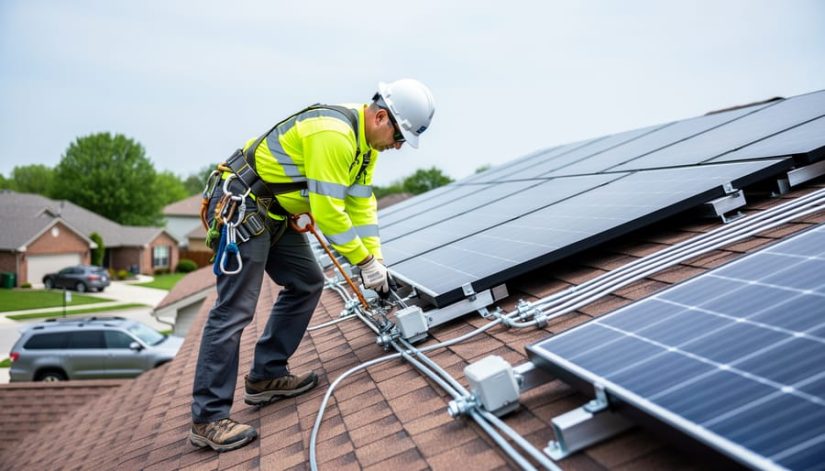
Building inspectors in Illinois serve as the final gatekeepers between your solar installation and activating your system. These certified professionals, operating under your local Authority Having Jurisdiction (AHJ), verify that every component—from panel mounting and electrical connections to grounding and conduit installation—meets the National Electrical Code, Illinois state amendments, and local building codes. Their approval determines whether your solar array can legally generate power and connect to the grid.
Understanding what inspectors examine prevents costly delays and failed inspections. In Illinois, building inspectors typically conduct two critical reviews: a structural inspection verifying that roof attachments and racking systems can support panel loads and withstand wind ratings specific to your county, and an electrical inspection ensuring proper wire sizing, disconnect placement, rapid shutdown compliance, and correct labeling. Many Illinois municipalities require permit submissions weeks in advance, with inspection scheduling adding additional time to your project timeline.
The inspection process varies dramatically across Illinois jurisdictions. Cook County enforces different requirements than rural counties downstate. Some AHJs mandate in-person rough-in inspections before panels are mounted, while others only require final inspections. Missing a single label, using incorrect conduit fill calculations, or improper bonding can trigger inspection failures that delay your solar system’s activation by weeks.
Working with experienced local solar installers who maintain established relationships with Illinois building departments eliminates these uncertainties. Professionals familiar with regional inspection patterns ensure compliance the first time, accelerating your path to clean energy production.
Who Are Building Inspectors and What Authority Do They Have?
Building inspectors in Illinois are local government officials responsible for ensuring that construction projects, including solar installations, comply with state building codes and local ordinances. These professionals work directly for your municipality or county, operating as representatives of what the solar industry calls the Authority Having Jurisdiction, or AHJ. The AHJ is the governmental body with legal power to enforce building regulations in your specific area.
When you install solar panels on your Illinois property, building inspectors have the authority to examine your system before it can be legally connected to the grid. Their role extends beyond a simple approval stamp. They verify that your solar installation meets the National Electrical Code, adheres to the International Building Code as adopted by Illinois, and complies with any additional local requirements specific to your community. This includes examining electrical connections, structural mounting, fire safety measures, and proper equipment labeling.
Building inspectors gain their authority through Illinois state law, which requires permits for electrical and structural modifications to buildings. Since solar installations involve both electrical work and rooftop or ground-mounted structures, they fall squarely within inspector jurisdiction. The AHJ inspection process varies somewhat across Illinois communities, as each municipality may interpret code requirements slightly differently or have unique local amendments.
Understanding this relationship between inspectors and local authorities helps homeowners and business owners recognize that successful solar installation requires more than quality equipment. It demands knowledge of local requirements and proper installation techniques that satisfy inspector expectations while keeping your project on schedule.
The Illinois AHJ Permitting and Inspection Process for Solar Projects
Pre-Installation Permit Requirements
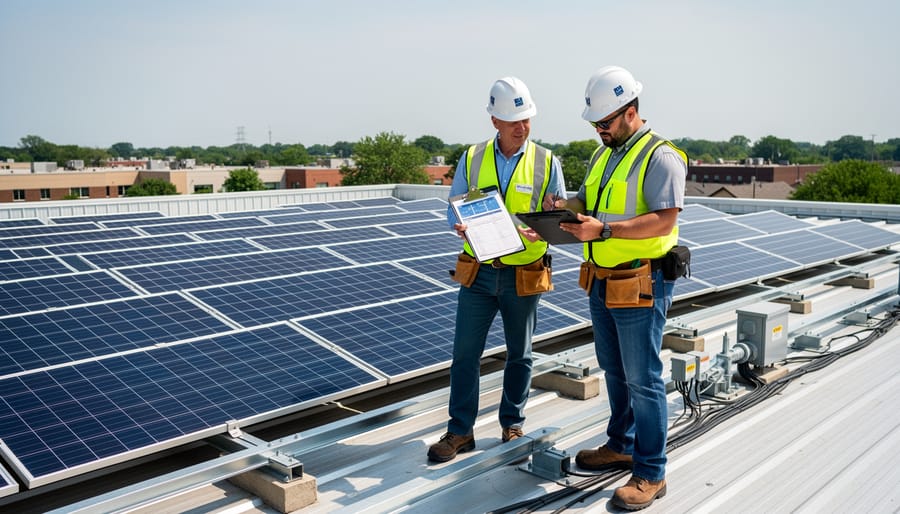
Before your solar panels can be installed, you’ll need to secure several permits from your local Authority Having Jurisdiction (AHJ) in Illinois. Understanding these requirements early in the solar installation process helps prevent delays and ensures compliance with state and local regulations.
The primary permits typically required include a building permit, which confirms your roof structure can safely support the solar array’s weight and wind load requirements. You’ll also need an electrical permit to verify that all wiring, inverters, and connections meet the National Electrical Code and Illinois-specific electrical standards. Depending on your municipality, you may also need zoning approval, especially for ground-mounted systems or if your property is in a historic district.
Each Illinois jurisdiction has unique application processes and timelines, which can range from a few days to several weeks. Your permit application must include detailed engineering plans, equipment specifications, and site drawings. Working with experienced local solar installers familiar with Illinois requirements streamlines this process significantly, as they understand what documentation each AHJ expects and can prepare comprehensive permit packages that pass review on the first submission.
Inspection Checkpoints Throughout Installation
Solar installations in Illinois require several inspection checkpoints to ensure your system meets state and local code requirements. Understanding these stages helps you prepare for a smooth installation process.
The rough-in inspection occurs after your solar mounting system is installed but before panels are attached. Inspectors verify that roof penetrations are properly sealed, structural supports meet load requirements, and the framework is secure. This checkpoint ensures your roof can safely support the solar array.
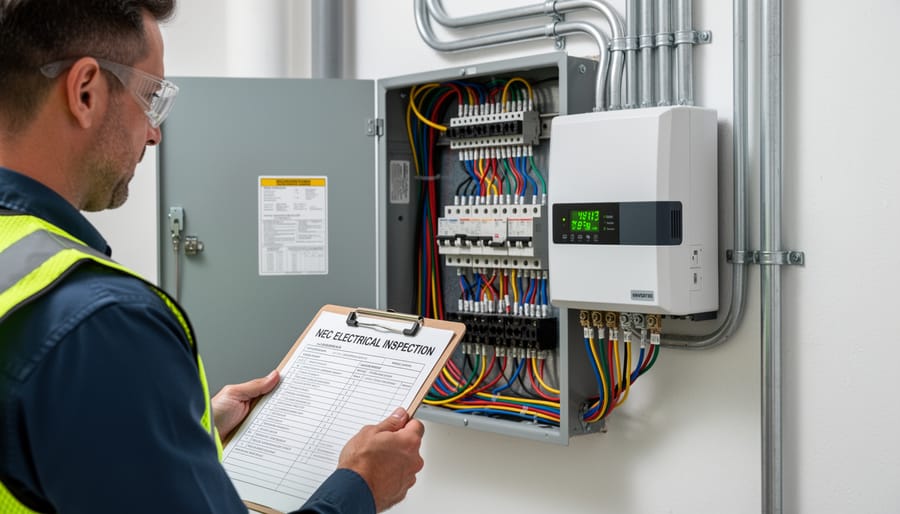
Next comes the electrical inspection, where inspectors examine your system’s wiring, conduit installation, grounding, and electrical panel connections. They confirm that all components meet National Electrical Code standards and local amendments specific to Illinois. Proper labeling and disconnect switches are carefully reviewed at this stage.
The final inspection happens once your complete system is installed and ready for operation. Inspectors conduct a comprehensive review of all previous checkpoints plus verify that the system operates correctly, all safety features function properly, and documentation is complete. Passing this final checkpoint allows your utility company to approve interconnection and activate your solar system.
Key Areas Building Inspectors Evaluate During Solar Installations
Structural Integrity and Roof Loading
One of the most critical aspects building inspectors evaluate during solar installations is whether your roof can safely handle the additional weight. Solar panels, mounting hardware, and racking systems add significant load to your existing structure, and Illinois building inspectors must verify that your roof won’t be compromised.
Inspectors review detailed load calculations prepared by your solar installer that account for the weight of the panels themselves, mounting equipment, and potential snow accumulation during Illinois winters. These calculations consider your roof’s current condition, age, and design. The inspector examines structural plans to ensure the roof can support both the dead load (the permanent weight of the solar system) and live loads (temporary factors like snow, wind, and maintenance workers).
In many cases, especially with older homes or commercial buildings, structural reinforcement may be necessary before installation can proceed. This might include adding roof trusses, reinforcing rafters, or upgrading specific sections of the roof deck. The inspector verifies that any required reinforcements meet Illinois building codes and have been properly installed.
Your solar installer should conduct a thorough structural assessment before submitting permit applications, identifying any potential issues early in the process. This proactive approach prevents delays and ensures your building inspector can confidently approve your solar installation knowing it meets all safety requirements for structural integrity.
Electrical System Compliance
Building inspectors in Illinois carefully examine electrical systems to ensure your solar installation meets safety standards and operates efficiently. Understanding what they look for helps you prepare for a successful inspection and keeps your project on track.
Inspectors verify that all electrical connections are properly secured and professionally terminated. They examine wire sizing to confirm it matches the system’s electrical load, preventing overheating risks. Your inverter installation receives particular attention—inspectors ensure it’s mounted according to manufacturer specifications with adequate ventilation and clearance space. The inverter must also display required labels indicating voltage, current ratings, and emergency shutdown procedures.
Grounding systems are critical for safety. Inspectors check that all metal components, including solar panels, mounting racks, and junction boxes, are properly bonded and grounded. This protects your home from electrical faults and lightning strikes. The grounding electrode system must connect to your building’s existing grounding infrastructure following precise specifications.
All work must comply with the National Electrical Code (NEC), which sets nationwide safety standards for electrical installations. Illinois adopts the NEC with some state-specific amendments, so local compliance is essential. Inspectors verify that your system includes proper overcurrent protection devices, disconnect switches positioned in accessible locations, and appropriate conduit for wire protection.
Understanding electrical inspection requirements before installation begins helps avoid delays. Working with experienced solar installers familiar with Illinois standards ensures your electrical system meets all code requirements the first time, streamlining your path to clean energy.
Fire Safety and Setback Requirements
Fire safety is a top priority for building inspectors evaluating solar installations in Illinois. The state follows specific code requirements designed to protect both your property and emergency responders who may need roof access during a fire.
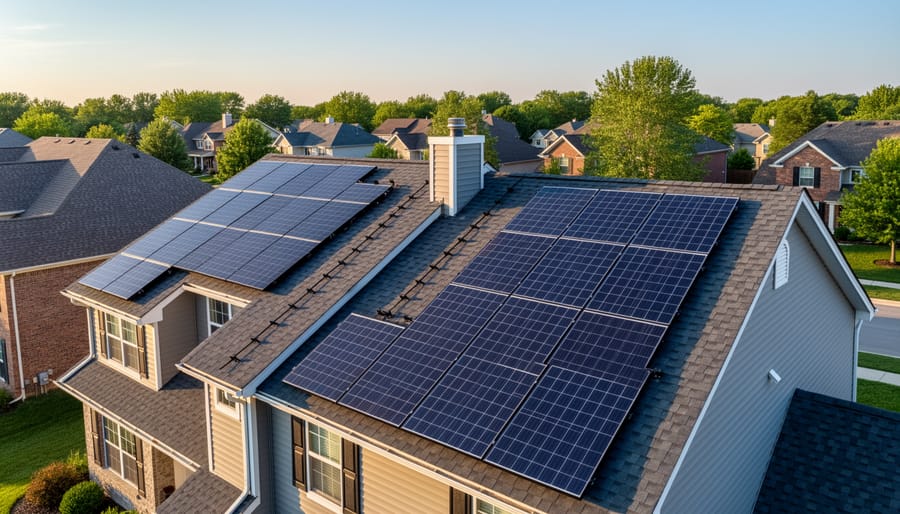
One critical requirement involves panel setbacks from roof edges. Illinois typically requires a minimum three-foot clearance around the perimeter of your roof to create pathways for firefighters. These access corridors allow emergency personnel to safely navigate your roof, cut ventilation holes, and perform rescue operations without damaging solar equipment or risking electrocution.
Your inspector will also verify that your system includes proper rapid shutdown functionality. This safety feature, mandated by the National Electrical Code and enforced in Illinois, ensures that solar panels can be quickly de-energized during emergencies. When activated, the system reduces voltage to safe levels within seconds, protecting first responders from electrical hazards.
Additionally, inspectors check that pathway widths meet code specifications and that panels don’t obstruct roof features like chimneys or vents. Working with experienced local installers who understand these Illinois-specific requirements helps ensure your system design incorporates all necessary safety features from the start, preventing costly redesigns and helping you pass inspection on the first visit.
Code Compliance and Documentation
Proper documentation is essential for passing your solar installation inspection in Illinois. Building inspectors need to verify that your system meets state and local codes, which requires specific paperwork prepared in advance.
Your installer should provide complete manufacturer specifications for all major components, including solar panels, inverters, racking systems, and electrical equipment. These spec sheets demonstrate that each component meets industry standards and local requirements. Installation certifications are equally important—these documents verify that certified professionals completed the work according to manufacturer guidelines and building codes.
Electrical diagrams showing system layout, wire sizing, and connection points help inspectors quickly verify code compliance. You’ll also need permits from your local Authority Having Jurisdiction, which your installer typically handles during the planning phase.
When documentation is thorough and organized, inspections proceed smoothly. Inspectors can quickly verify compliance without delays or follow-up visits. Missing or incomplete paperwork, however, can halt your project until issues are resolved.
Working with experienced local solar professionals ensures all documentation is properly prepared before inspection day. They understand Illinois-specific requirements and maintain relationships with local building departments, streamlining the entire approval process and getting your system operational faster.
Common Inspection Failures and How to Avoid Them
Even with experienced installers, certain issues come up more frequently during solar inspections in Illinois. Understanding these common failures helps you avoid delays and ensures your system passes on the first visit.
Electrical connection problems top the list of inspection failures. Building inspectors carefully examine wire sizing, proper grounding, and conduit installations. In Illinois, outdoor conduit must be weatherproof and properly secured, while all electrical connections need to meet National Electrical Code standards. Missing or improperly installed grounding equipment is a frequent rejection reason, as proper grounding protects your system and home from electrical hazards.
Documentation discrepancies cause many avoidable failures. Your installer must provide complete permits, manufacturer specifications, and structural calculations that match the actual installation. Illinois inspectors verify that the installed equipment matches what was approved in your permits. Any substitutions or changes from the original plan without proper documentation will result in a failed inspection.
Structural mounting issues also trigger rejections. Roof penetrations must be properly flashed and sealed to prevent leaks, and mounting hardware needs to meet wind and snow load requirements specific to your Illinois location. Northern Illinois properties face stricter snow load requirements than southern counties, so your system must be engineered accordingly.
Labeling and signage requirements catch many installers off guard. Illinois requires specific labels on your disconnect switches, inverters, and at your main service panel. These labels must clearly identify the solar system, provide emergency shutdown instructions, and display proper voltage warnings.
Working with locally owned solar companies familiar with Illinois requirements dramatically reduces these failure risks. Experienced installers know exactly what building inspectors in different Illinois jurisdictions expect and design systems that meet all specifications from the start. They maintain current relationships with local building departments, stay updated on any requirement changes, and prepare complete documentation packages that satisfy inspector expectations. This expertise transforms the inspection from a potential obstacle into a straightforward approval process.
How Working with Experienced Solar Installers Simplifies Inspections
Partnering with an experienced, locally-based solar installer dramatically simplifies the inspection process in Illinois. Professional solar companies that specialize in your region bring invaluable knowledge of specific Authority Having Jurisdiction requirements, which can vary significantly between municipalities. These installers have worked extensively with building departments throughout Illinois, understanding exactly what each inspector expects to see and how documentation should be formatted.
Established solar companies often maintain ongoing relationships with local building inspectors. This familiarity creates smoother communication and helps resolve potential issues quickly. When inspectors recognize a reputable installer’s work, they already know the quality standards to expect, which can streamline the examination process considerably.
Perhaps most importantly, experienced installers handle the entire permitting and inspection workflow on your behalf. From initial permit applications to scheduling your inspection and addressing any follow-up requirements, they manage every administrative detail. This service eliminates the burden of navigating unfamiliar government processes and technical requirements yourself.
Professional installers also stay current with evolving building codes and inspection protocols. Illinois regulations update periodically, and locally-owned companies committed to the region make it their business to track these changes. They understand which documentation inspectors need, how systems should be labeled, and what common concerns might arise during the examination.
When issues do emerge during inspection, knowledgeable installers know how to address them efficiently. They can quickly interpret inspector feedback, make necessary corrections, and coordinate re-inspections without prolonged delays. This expertise protects your investment timeline and ensures your solar system receives final approval without unnecessary complications, allowing you to start generating clean energy sooner.
Building inspectors in Illinois serve as essential guardians of safety and compliance in solar installations. Their thorough reviews ensure that your solar system meets all electrical codes, structural requirements, and local regulations, protecting your investment and your property for decades to come. While the inspection process might seem daunting at first, understanding what inspectors evaluate and why gives you confidence that these professionals are working in your best interest.
The good news is that you don’t have to navigate this complex process alone. When you partner with experienced solar installers who understand Illinois-specific requirements, the inspection process becomes a seamless part of your solar journey. Locally owned solar companies bring valuable expertise in working with building inspectors across Illinois jurisdictions, ensuring all documentation is complete, installations meet code requirements, and any concerns are addressed promptly.
As you consider making the transition to solar energy, remember that passing inspection isn’t just a bureaucratic hurdle—it’s confirmation that your system is safe, compliant, and ready to deliver clean energy reliably. With the right solar partner guiding you through every step, you can move forward with your solar investment with complete confidence.
