Financial and Economic Aspects

How Illinois Shines Turns Your Solar Panels Into a Revenue Stream

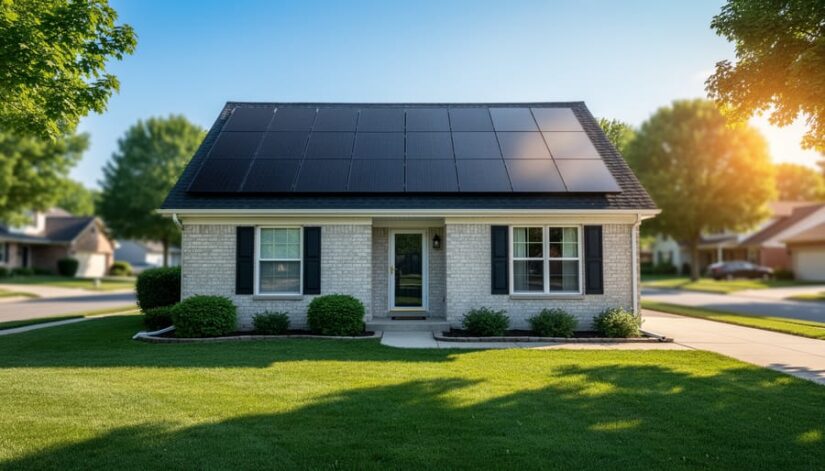
Understand that Illinois Shines offers you two revenue streams from your solar investment: immediate electricity savings on your utility bills and additional income through Renewable Energy Credits (RECs). Every 1,000 kilowatt-hours your solar panels generate creates one REC that the state purchases upfront or over time, putting thousands of dollars directly into your pocket beyond what you save on electricity costs.
Calculate your potential REC payment by multiplying your system size…
Energy Storage and Management

Your Solar Battery’s Second Career: How Illinois Is Turning Old EV Batteries Into Home Power Storage

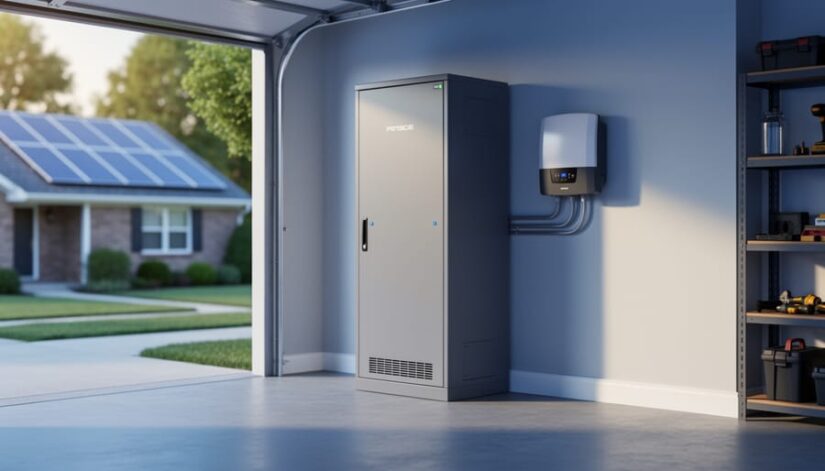
Electric vehicle batteries don’t simply disappear when they can no longer power cars. Once an EV battery drops to about 70-80% of its original capacity, it’s retired from automotive use—but it still holds tremendous potential for stationary energy storage. These second-life batteries are finding new purpose in homes and businesses across Illinois, offering a cost-effective alternative to brand-new battery systems while supporting sustainable energy goals.
Second-life batteries represent a practical solution for Illinois property owners looking to add energy storage without the premium price tag of new units. These …

Business Operations and Local Market

What Actually Happens During Your Solar AHJ Inspection in Illinois

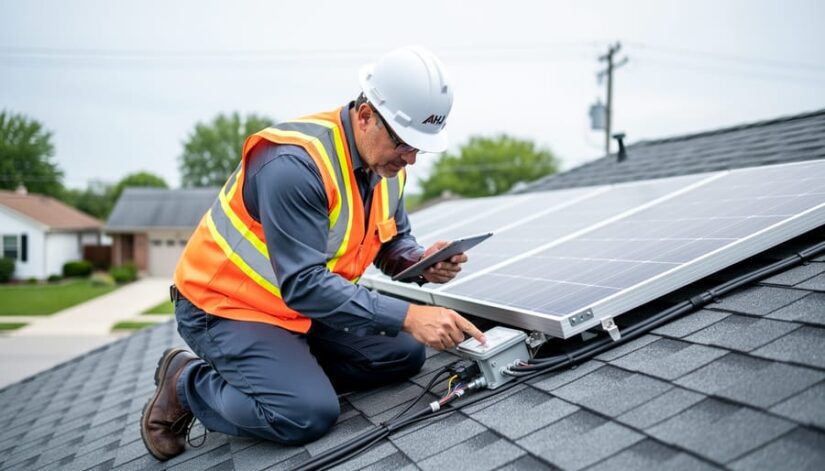
Understand that AHJ (Authority Having Jurisdiction) inspections are the final checkpoint before your solar system can legally generate power, ensuring your installation meets all electrical, structural, and fire safety codes required in Illinois. Schedule your inspection only after your installer confirms all equipment is properly mounted, wired, and documented—premature scheduling leads to failed inspections and costly delays. Prepare a complete permit packet including electrical diagrams, equipment specifications, and structural calculations, as inspectors will verify these documents match your actual installation. Verify your …

Infrastructure Development and Integration

Why America’s Railroads Abandoned Electrification (And Why It Matters for Your Energy Future)

America once led the world in electric railroad technology, with over 3,000 miles of electrified main lines carrying passengers and freight across major routes by the 1930s. Today, that number has plummeted to just over 700 miles, making the United States a stark outlier among developed nations. While European and Asian countries have electrified 50-80% of their rail networks, America remains dependent on diesel locomotives that contribute significantly to transportation emissions.
This dramatic reversal tells a story familiar to many infrastructure transitions: early innovation followed by decades of underinvestment. The same …

Technology and Innovation

Why Your Illinois Solar System Needs Energy Storage (And How Long-Duration Batteries Change Everything)

Illinois solar owners face a fundamental challenge: the sun doesn’t always shine when you need power most. Standard solar batteries typically store 4-10 hours of electricity, enough to get you through an evening but insufficient during multi-day weather events or extended grid outages that have become increasingly common across the state. Long-duration energy storage (LDES) changes this equation entirely by holding 10 hours to multiple days of backup power, transforming your solar investment from a daytime energy producer into a true energy independence system.
LDES technologies use advanced chemistry and mechanical systems to…

Energy Efficiency Solutions

How Circular Economy Practices Slash Your Energy Bills and Carbon Footprint

Every year, businesses and property owners discard materials that could power operations, reduce energy bills, and slash carbon footprints. The circular economy transforms this waste into opportunity by keeping resources in use longer, designing out waste from the start, and regenerating natural systems. For Illinois property owners paying premium energy costs during harsh winters and humid summers, this approach delivers measurable savings: reusing materials eliminates the energy-intensive manufacturing of replacements, while recovering heat from processes that typically waste it can cut heating expenses by 30% or more.
The …

Integrated Energy Communities

How Program Lifecycle Management Turns Your Solar Investment Into Lasting Community Value

Understand that your solar investment doesn’t end at installation—it requires active management across decades to protect your return and maintain peak performance. Program lifecycle management encompasses the strategic oversight of your solar energy system from initial planning through eventual decommissioning, ensuring every phase delivers maximum value while minimizing costly surprises.
Plan for system monitoring and performance tracking from day one, establishing baseline metrics that reveal degradation patterns, equipment failures, or underperformance before they significantly impact your energy production. Most solar …

Consumer Energy Solutions

How Smart Energy Tariffs Can Slash Your Illinois Electric Bill

Review your current electricity bill to identify whether you’re on a flat-rate, time-of-use, or real-time pricing tariff—this single step determines your potential savings through demand response automation. Most Illinois consumers unknowingly pay premium rates during peak hours when simple scheduling adjustments could cut costs by 20-40%.
Time-of-use tariffs charge different rates based on when you consume electricity, typically with higher prices during afternoon and early evening hours when grid demand peaks. By shifting energy-intensive activities like running dishwashers, charging electric vehicles, or operating HVAC …

Hybrid Energy Solutions

How Hybrid Solar Systems Keep Your Power Running When the Grid Goes Down

Prepare for extended power outages by installing a hybrid solar system that combines panels, battery storage, and grid connection—this three-part setup automatically switches to stored energy when the grid fails, keeping essential circuits running for days rather than hours. During Illinois’ increasingly common severe weather events, from summer derechos to winter ice storms, standard grid-tied solar systems shut down entirely for safety reasons, leaving you without power despite having panels on your roof.
Calculate your emergency power needs by listing critical loads—refrigerators, medical equipment, heating systems, and…

Emerging Energy Technologies

How Grid-Forming Inverters Are Making Solar Power Stronger Than the Grid Itself

Illinois’ electrical grid stands at a critical crossroads. As solar panels multiply across rooftops and commercial properties statewide, a fundamental challenge emerges: traditional solar inverters can’t independently maintain grid stability when conventional power plants go offline. They’re followers, not leaders—capable of feeding power into an existing grid but unable to create the voltage and frequency standards that keep electricity flowing reliably.
Grid-forming inverters solve this limitation by functioning as autonomous power sources rather than dependent add-ons. Unlike conventional grid-following …