Energy Systems Resilience

AI’s Hidden Energy Cost: What It Means for Your Solar Investment

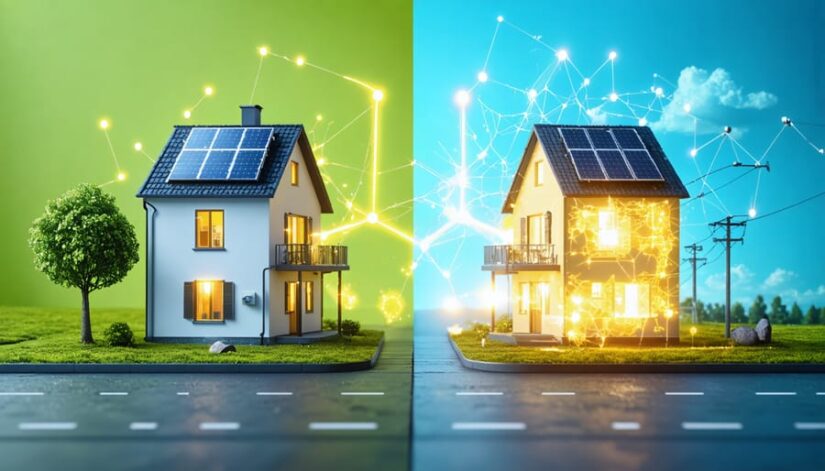
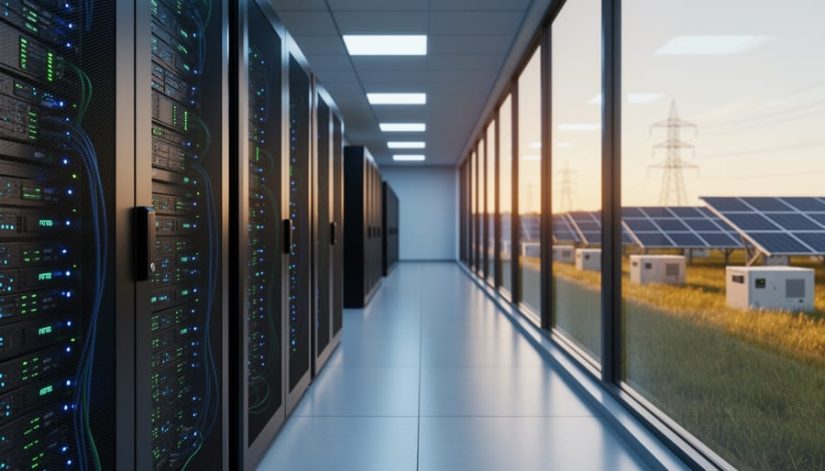
Artificial intelligence consumes massive amounts of electricity—training a single large AI model can emit as much carbon as five cars produce over their entire lifetimes. Data centers powering AI systems already account for roughly 1% of global electricity demand, a figure projected to triple by 2030. For Illinois homeowners and businesses investing in clean energy, this raises a legitimate question: does adopting AI-driven technology undermine your commitment to environmental responsibility?
The answer isn’t straightforward. While AI’s energy appetite is real and growing, this same technology is revolutionizing how we…
Energy Systems Resilience

How Climate-Resilient Energy Infrastructure Protects Your Illinois Property Investment

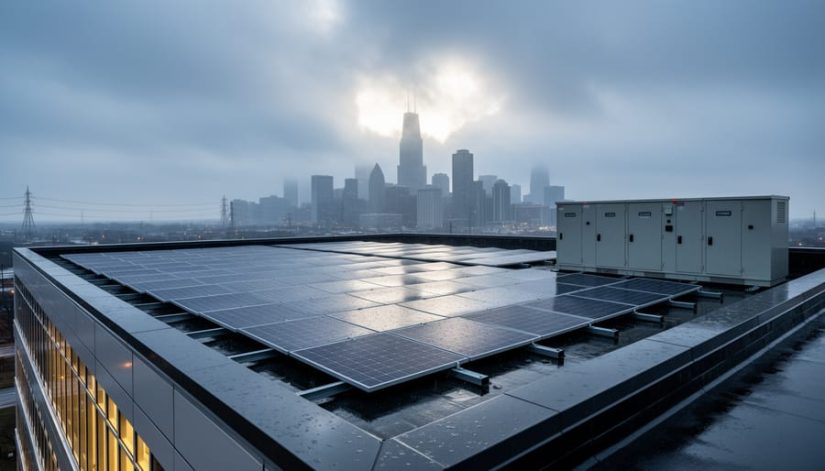
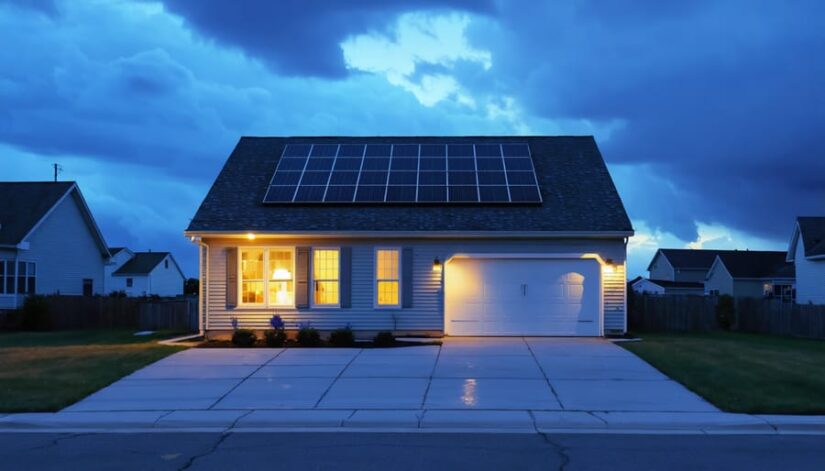
Urban climate resilience isn’t just a planning concept—it’s the difference between businesses that survive extreme weather events and those that face costly shutdowns, damaged equipment, and lost revenue. For Illinois property and business owners, climate resilience means building energy infrastructure that keeps operations running when traditional power grids fail during severe storms, polar vortexes, and heat waves that are becoming increasingly common across our state.
The stakes are tangible and immediate. When the 2021 winter storm knocked out power across the Midwest, businesses without backup systems lost …

Energy Systems Resilience

How Energy Microgrids Keep Your Power On When the Grid Goes Down

**Power outages don’t have to mean business disruptions or safety concerns.** Energy microgrids are self-contained electrical systems that can operate independently from the main power grid, providing Illinois property owners with a critical shield against increasingly frequent weather-related outages and grid failures. When severe storms, extreme cold, or infrastructure strain knock out traditional power, microgrids seamlessly switch to island mode—continuing to supply electricity from local sources like solar panels and battery storage.
Think of a microgrid as your property’s own miniature power plant. Unlike simple …

Energy Systems Resilience

How Microgrid Interconnect Devices Keep Your Power Running When the Grid Fails

Revolutionize your property’s energy independence with microgrid interconnect devices – the intelligent bridge between your local power generation and the main electrical grid. These sophisticated systems seamlessly manage power flow, automatically switching between grid-connected and island modes to ensure uninterrupted power supply during outages or peak demand periods. For Illinois property owners, particularly those with solar installations, microgrid interconnect devices offer a practical solution to enhance energy reliability while maximizing renewable energy utilization.
The technology serves as your property&#…

Energy Systems Resilience

AI Transforms Energy Grid Security: How Smart Systems Protect Illinois Power

Artificial intelligence is revolutionizing how Illinois powers its future, transforming traditional energy systems into intelligent networks that optimize efficiency and reduce costs. By analyzing millions of data points per second, AI algorithms now predict energy demand patterns, manage grid stability, and maximize renewable energy integration with unprecedented accuracy. For businesses and homeowners across the Prairie State, this technological evolution means more reliable power, lower utility bills, and a more sustainable energy future.
The convergence of AI and energy systems couldn’t come at a more crucial time. As …

Energy Systems Resilience

Illinois Grid Interconnection Standards: What Solar System Owners Need to Know

Grid interconnection represents the critical bridge between your solar power system and Illinois’ electrical infrastructure, determining how safely and efficiently your renewable energy connects to the broader power grid. For property owners considering solar installation, understanding interconnection requirements isn’t just about compliance—it’s about ensuring your investment delivers optimal returns while maintaining grid stability.
Illinois’ interconnection standards follow a tiered approach based on system size and complexity, from simplified processes for residential solar arrays under 10kW to more …

Energy Systems Resilience

How the U.S. Climate Resilience Toolkit Makes Your Solar Investment Future-Proof

The U.S. Climate Resilience Toolkit empowers Illinois property owners and businesses to safeguard their solar investments against intensifying climate challenges. This comprehensive federal resource combines real-time climate data, risk assessment tools, and locally-tailored adaptation strategies to help stakeholders make informed decisions about their energy infrastructure. Through its “Steps to Resilience” framework, the toolkit guides users through identifying climate threats specific to Illinois – from increased flooding to extreme temperature fluctuations – and developing cost-effective solutions. For solar …

Energy Systems Resilience

How Decentralized Energy Makes Your Power System Bulletproof

In an era of increasingly severe weather events and growing cyber threats, power system resilience has become critical for Illinois property owners and businesses. Modern electrical infrastructure faces unprecedented challenges – from devastating storms and flooding to sophisticated cyber attacks and equipment failures. Yet these challenges have sparked innovative solutions that transform how we approach power security and reliability.
Decentralized energy systems, including solar installations with battery storage, smart microgrids, and automated load management, now offer property owners powerful tools to maintain operations…

Energy Systems Resilience

Grid Enhancing Technologies That Make Your Microgrid Smarter and More Reliable

Grid-enhancing technologies are revolutionizing how Illinois businesses and homeowners optimize their microgrid systems, delivering up to 40% greater efficiency and reliability through advanced power flow control. These sophisticated solutions – including dynamic line rating, power flow control devices, and topology optimization software – work together to maximize existing grid infrastructure without costly physical expansions.
For property owners facing increasing energy demands and reliability concerns, grid-enhancing technologies offer a practical pathway to improved …