
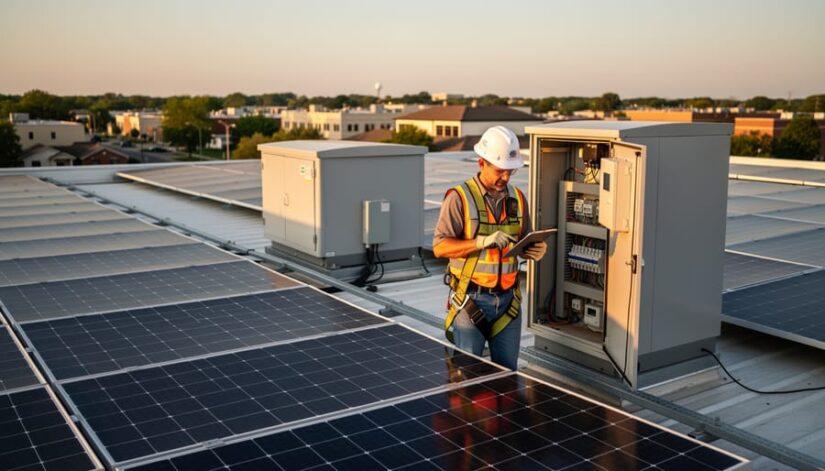
How Program Lifecycle Management Turns Your Solar Investment Into Lasting Community Value
Understand that your solar investment doesn’t end at installation—it requires active management across decades to protect your return and maintain peak performance. Program lifecycle management encompasses the strategic oversight of your solar energy system from initial planning through eventual decommissioning, ensuring every phase delivers maximum value while minimizing costly surprises.
Plan for system monitoring and performance tracking from day one, establishing baseline metrics that reveal degradation patterns, equipment failures, or underperformance before they significantly impact your energy production. Most solar arrays experience 0.5-1% annual efficiency decline, but proactive management catches issues early when repairs cost less and prevent compounding losses.
Schedule preventive maintenance according to manufacturer specifications and local environmental factors, including panel cleaning, inverter inspections, and electrical connection assessments that extend equipment lifespan by years. Illinois weather patterns—from heavy snow loads to summer storms—demand region-specific maintenance protocols that generic approaches miss.
Document all system changes, repairs, warranty claims, and performance data in centralized records that prove invaluable during equipment failures, insurance claims, or property transactions. This documentation also supports warranty enforcement and helps identify patterns that inform strategic upgrade decisions.
Integrate your solar management with broader facility operations and integrated energy systems to optimize consumption patterns, storage solutions, and grid interaction as technology evolves and utility rate structures change.
Budget for eventual component replacements, particularly inverters that typically require replacement every 10-15 years, ensuring lifecycle costs don’t catch you unprepared when equipment reaches end-of-service. As a locally owned Illinois solar expert, we recognize that comprehensive lifecycle management transforms solar from a one-time purchase into a continuously optimized asset that adapts to your changing energy needs while protecting your long-term investment.
What Program Lifecycle Management Actually Means for Your Solar Energy System
When most people think about solar energy, they focus on the installation day—when panels go up and the system starts producing power. But that single moment is just one milestone in a much longer journey. Program lifecycle management is a comprehensive approach that treats your solar investment as an ongoing program rather than a one-time product purchase.
Think of it this way: you wouldn’t buy a car and never change the oil, rotate the tires, or plan for eventual replacement. Solar energy systems require the same thoughtful, long-term approach. Program lifecycle management encompasses every phase of your solar installation, from the initial feasibility assessment and design through decades of operation, regular maintenance, performance optimization, and eventually system decommissioning or upgrade.
This approach recognizes that your solar energy needs will evolve over time. Your business might expand, requiring additional capacity. Technology advances might make upgrades worthwhile. Regulations and incentive programs change. Equipment warranties expire. Performance gradually shifts. Each of these developments requires informed decision-making backed by data and expertise.
For Illinois property owners, program lifecycle management is particularly valuable because of our state’s evolving energy policies and incentive structures. A locally owned company with deep knowledge of Illinois-specific programs can navigate these changes on your behalf, ensuring you maximize value throughout your system’s 25-30 year lifespan.
The difference between treating solar as a product versus a program is significant. Product thinking ends after installation. Program thinking creates a partnership where your solar provider remains invested in your system’s success year after year. This means proactive monitoring catches issues before they become costly problems, regular maintenance preserves optimal performance, and strategic planning helps you adapt as technology and your energy needs change. The result is better financial returns, more reliable energy production, and greater peace of mind over the decades your system operates.

The Five Phases of Integrated Energy Community Lifecycle Management
Planning and Design: Building Your Solar Foundation
Successful solar programs don’t begin at installation—they start with thorough planning that sets the foundation for decades of reliable performance. At Illinois Renewables, our locally owned team guides clients through a comprehensive planning process that addresses every critical consideration upfront.
The process begins with a detailed needs assessment, examining your current energy consumption patterns, future growth projections, and specific operational requirements. We then conduct a complete site evaluation, analyzing roof condition, shading patterns, structural capacity, and electrical infrastructure to determine optimal system placement and sizing.
System design follows, where our expertise in solar energy ensures your installation maximizes production while integrating seamlessly with your property. We develop detailed financial models that account for Illinois-specific incentives, utility rates, and projected savings over your system’s 25-30 year lifespan, giving you clear visibility into return on investment.
Equally important is community integration planning, ensuring your solar project aligns with local regulations, utility requirements, and broader sustainability goals. This upfront investment in planning prevents costly modifications later and establishes a solid framework for long-term success, transforming solar from a simple purchase into a well-managed energy asset that delivers value throughout its entire lifecycle.
Implementation and Installation: Where Vision Becomes Reality
This is where your solar vision transforms into a functioning energy system. Illinois Renewables manages every detail of the construction phase to ensure seamless execution. The process begins with securing all necessary permits and approvals from local authorities—a critical step that our team handles on your behalf.
Once permits are in place, our certified installers begin the physical installation of your solar array. We coordinate with utility companies to establish proper grid connections and ensure all electrical hookups meet stringent safety standards. Throughout installation, our quality control protocols verify that every component meets manufacturer specifications and our own high standards.
Before your system goes live, we conduct comprehensive testing to confirm optimal performance. This includes verifying electrical connections, checking inverter functionality, and ensuring monitoring systems are properly calibrated. Our locally owned team understands Illinois-specific requirements, from weather considerations to regional utility interconnection procedures.
This phase typically represents the most visible part of program lifecycle management, but it’s our behind-the-scenes coordination that makes the difference. From scheduling inspections to final utility approval, we manage the timeline to minimize disruption to your daily operations while maintaining our commitment to quality workmanship and safety.
Operations and Maintenance: Protecting Your Investment Year After Year
Once your solar system is operational, consistent monitoring and maintenance become essential to protecting your investment throughout its 25-30 year lifespan. Professional operations and maintenance services ensure your system performs at peak efficiency year after year.
Modern monitoring systems track your solar production in real-time, alerting you and your service provider to any performance issues immediately. This proactive approach catches small problems before they become costly repairs. Regular preventive maintenance includes cleaning panels, inspecting electrical connections, verifying inverter performance, and checking mounting systems for integrity.
Illinois weather presents unique challenges, from heavy snow loads in winter to summer storms. Experienced local providers understand these conditions and adjust maintenance schedules accordingly. They’ll optimize system performance as technology evolves and address any issues promptly to minimize downtime.
For homeowners and businesses, this ongoing support means peace of mind. You’ll receive regular performance reports, seasonal maintenance visits, and priority service when needs arise. With proper operations and maintenance, your solar system will deliver reliable clean energy and maximum return on investment throughout its entire operational life.
Performance Optimization: Maximizing Your Solar Returns
Your solar installation’s performance doesn’t remain static after the panels go up. Peak efficiency requires ongoing attention through continuous improvement strategies and data-driven decision making. Modern monitoring systems track your system’s energy production in real-time, identifying even minor performance dips that could signal maintenance needs or equipment issues requiring attention.
Regular data analysis reveals patterns in your solar production, helping identify opportunities for optimization. This might include adjusting panel angles seasonally, trimming vegetation that creates new shade patterns, or cleaning schedules that maximize output. As a locally owned Illinois company, we understand how regional weather patterns and seasonal variations affect solar performance in our state.
System upgrades play a crucial role in maximizing long-term returns. As technology advances, component replacements or additions like updated inverters or enhanced monitoring equipment can significantly boost efficiency. Battery storage integration represents another upgrade path that increases energy independence and utility bill savings. Through proactive performance management, solar installations consistently deliver optimal financial returns while extending system lifespan well beyond initial projections.

End-of-Life Planning: Responsible Decommissioning and Renewal
Every solar energy system eventually reaches the end of its productive life, typically after 25-30 years of operation. Planning for this phase from the beginning ensures responsible environmental stewardship and maximizes your long-term investment value. Comprehensive lifecycle management includes clear strategies for system decommissioning, component recycling, and site restoration.
Modern solar panels contain valuable materials like silicon, glass, and aluminum that can be recovered and reused. A well-designed end-of-life plan identifies recycling partners and outlines proper disposal procedures for components that cannot be recycled. For business owners and homeowners in Illinois, understanding these options protects against future liabilities and demonstrates environmental responsibility.
Proactive planning also creates opportunities for system renewal rather than complete replacement. As technology advances, strategic upgrades can extend system life and improve performance without full decommissioning. This might include replacing inverters, adding battery storage, or integrating newer, more efficient panels alongside existing arrays. By considering end-of-life scenarios during initial system design, you ensure easier transitions and maintain continuous clean energy production for decades to come.
Why Integrated Management Matters More Than Individual System Performance
When you’re managing solar energy for multiple buildings or an entire community, thinking about each system separately misses significant opportunities. Integrated program lifecycle management treats connected installations as one coordinated program, which creates advantages that individual system management simply cannot achieve.
Consider a business park with ten buildings, each equipped with solar panels. Managing these as separate systems means ten different maintenance schedules, ten separate monitoring protocols, and ten individual sets of performance data. When you manage them as an integrated program, you streamline operations, reduce administrative overhead, and spot patterns across the portfolio that might indicate broader issues or opportunities.
The economic benefits are substantial. Bulk purchasing power for equipment, consolidated service visits, and shared resources for monitoring and reporting all reduce costs per installation. A single maintenance team can service multiple nearby sites in one trip, cutting travel expenses and downtime. Volume pricing on replacement parts and equipment upgrades becomes possible when you’re managing dozens or hundreds of systems together.
For Illinois municipalities and large property developers, integrated management also strengthens environmental impact tracking and regulatory compliance. Instead of piecing together reports from individual systems, you have comprehensive program-wide data that demonstrates collective carbon reduction and renewable energy generation. This coordinated approach aligns well with shared energy networks where multiple participants benefit from combined resources.
Community-scale projects particularly benefit from this approach. Residential developments with rooftop solar across multiple homes, or university campuses with installations on numerous buildings, gain from centralized expertise and consistent performance standards. This coordination enables participation in grid innovation partnerships that individual systems cannot access independently.
The integrated approach transforms solar from separate assets into a managed energy program that delivers greater value, reliability, and impact than the sum of its parts.

The Real Costs of Poor Lifecycle Management
Without a structured approach to managing your solar investment from day one, even the best equipment can underperform and cost you more than expected. Many property owners discover this reality only after problems emerge.
Consider a common scenario: a solar system gets installed during the spring, operates smoothly through summer, but then sits unmonitored through fall and winter. Snow coverage, minor electrical issues, or inverter glitches go unnoticed. By the time someone realizes production has dropped, months of potential energy generation have been lost. The system that promised 25 years of savings suddenly feels like a financial burden rather than an asset.
The financial impact extends beyond lost production. When systems lack regular maintenance, small issues become expensive repairs. A loose connection that could have been tightened during routine service might cause component failure requiring replacement. Warranty claims get denied because documentation of proper maintenance doesn’t exist. What should have been a covered repair becomes an out-of-pocket expense.
Illinois weather presents particular challenges that make lifecycle management even more critical. Our freeze-thaw cycles, heavy snow loads, and summer storms demand attention. Systems without proactive monitoring and maintenance face accelerated wear, especially on mounting hardware and electrical connections.
Perhaps most frustrating is the lost opportunity cost. Your solar system represents a significant investment meant to generate value for decades. Every day it operates below optimal capacity is money left on the table. Without performance tracking and regular optimization, you might never realize your system is only producing 85 percent of its potential.
The good news? These challenges are entirely preventable with proper lifecycle planning from the start. Understanding how your system should perform throughout its lifetime allows you to protect your investment and maximize returns year after year.
How Illinois Renewables Approaches Program Lifecycle Management
At Illinois Renewables, we take a holistic approach to program lifecycle management that sets us apart in the solar energy industry. As a locally owned company with deep roots in Illinois, we understand the unique energy needs, weather patterns, and regulatory environment that affect solar installations throughout our state.
Our comprehensive approach is built on three core pillars. First, we leverage our local expertise to design systems that perform optimally in Illinois conditions, from selecting equipment that withstands harsh winters to navigating state-specific incentive programs. Second, we integrate construction and energy services under one roof, eliminating the coordination challenges that arise when working with multiple vendors. This vertical integration means seamless communication from initial planning through ongoing maintenance.
Third, we prioritize long-term partnerships over one-time transactions. We don’t just install your system and walk away. Instead, we remain your dedicated partner throughout the entire lifecycle, providing proactive monitoring, responsive maintenance, and strategic guidance as technology and your energy needs evolve.
Our vertically integrated services support every lifecycle phase. During planning and installation, our construction team works directly with our energy specialists to ensure proper implementation. Throughout operation, our monitoring systems connect to our maintenance crews for swift issue resolution. When it’s time for upgrades or expansions, we already understand your system intimately, making enhancements efficient and cost-effective. This continuity of service maximizes your investment value while minimizing the complexity of managing multiple service providers over decades of system operation.
Solar energy represents far more than a one-time purchase and installation—it’s a 25-year partnership that requires thoughtful lifecycle management. When you choose solar, you’re not just buying panels; you’re committing to a comprehensive energy program that will evolve with your needs, technology advances, and changing regulations. Just as thriving solar communities across Illinois demonstrate the value of coordinated long-term planning, your individual solar investment deserves the same strategic approach.
At Illinois Renewables, our locally owned team understands that professional lifecycle management protects your investment and maximizes returns throughout your system’s operational life. We invite you to think beyond installation day and consider how comprehensive support—from design through decommissioning—can transform your solar experience. Whether you’re ready to start your solar journey or looking to optimize an existing system, our expertise in solar energy ensures your program thrives for decades to come.
