

How Solar Communities Are Transforming Illinois Neighborhoods
Transform neighborhoods into thriving energy communities by building stronger solar communities that combine environmental sustainability with social connection. Illinois residents are discovering that shared solar initiatives create more than just clean energy—they forge lasting bonds between neighbors, reduce collective utility costs, and establish resilient local power networks. When communities collaborate on solar projects, they develop a shared sense of purpose and achievement that extends far beyond individual household savings. This innovative approach to community development has already helped numerous Illinois neighborhoods reduce their carbon footprint while strengthening social ties through regular energy-focused meetings, shared maintenance responsibilities, and collaborative decision-making processes. By integrating solar technology with community engagement, these initiatives create sustainable frameworks for both environmental stewardship and neighborhood cohesion, proving that the future of clean energy lies not just in technical solutions, but in the power of connected communities working together toward a common goal.
Building Bonds Through Shared Solar
Neighborhood Solar Programs
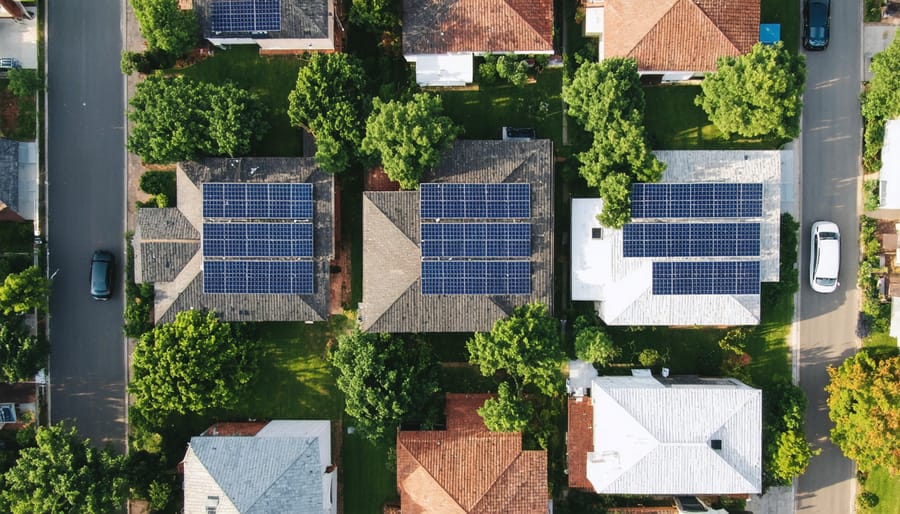
Neighborhood solar programs are transforming the way communities connect and collaborate while advancing sustainable energy goals. These initiatives bring residents together through shared investment in solar installations, creating a powerful platform for social interaction and collective environmental action. By participating in community solar projects, neighbors work together to select installation sites, coordinate with local contractors, and share both the costs and benefits of solar power.
These programs often spark regular community meetings, educational workshops, and social events centered around renewable energy. Homeowners share experiences, exchange maintenance tips, and celebrate milestone achievements like reaching energy production goals. Many Illinois communities have established solar cooperatives where members collaborate on bulk purchasing, reducing costs while strengthening neighborhood ties.
The social benefits extend beyond just solar discussions. These programs frequently lead to other community initiatives, from neighborhood beautification projects to local sustainability committees. Participants report feeling more connected to their neighbors and more invested in their community’s future. Some neighborhoods have even created mentorship programs where experienced solar adopters guide newcomers through the process, building lasting relationships while expanding clean energy adoption.
Social Benefits of Shared Energy
Shared energy initiatives create more than just power distribution networks – they build lasting community connections. When neighbors collaborate on solar projects, they naturally develop stronger relationships through planning meetings, shared decision-making, and collective problem-solving. These interactions often extend beyond energy discussions, fostering a more connected and resilient neighborhood.
In Illinois communities that have embraced shared solar programs, residents report increased neighborhood engagement and a stronger sense of local identity. Regular maintenance activities and system monitoring become opportunities for community members to interact and share knowledge. Many neighborhoods have established energy committees that evolve into broader community action groups, addressing other local concerns and organizing social events.
The shared responsibility of managing energy resources also creates a foundation of trust and mutual support. Residents work together to optimize energy usage, share maintenance costs, and celebrate collective achievements in reducing their carbon footprint. This collaborative approach has proven particularly valuable during power outages or severe weather events, as communities with shared energy systems tend to be better organized and more supportive of one another during challenging times.
Creating Sustainable Social Networks
Community Education Programs
Community education programs serve as the cornerstone of successful solar energy integration, bringing neighbors together while building a more sustainable future. These programs typically include monthly workshops where residents learn about solar technology, energy efficiency, and the environmental benefits of renewable energy. Local solar experts lead hands-on demonstrations, showing participants how solar panels work and explaining the basics of home energy monitoring systems.
Many Illinois communities have implemented successful “Solar Learning Circles,” where homeowners who have already installed solar systems mentor those interested in making the switch. These peer-to-peer learning opportunities create lasting connections between neighbors while providing practical insights into the solar adoption process.
Libraries and community centers frequently host solar education events, featuring interactive displays and family-friendly activities that make learning about renewable energy engaging for all ages. These programs often include guided tours of local solar installations, allowing participants to see real-world applications and ask questions directly to system owners.
School partnerships play a vital role, with solar education being integrated into science curricula. Students participate in solar-powered projects and share their knowledge with family members, creating a ripple effect of solar awareness throughout the community. Regular energy fairs and sustainability festivals provide platforms for residents to connect with local solar installers, financial advisors, and fellow community members who share an interest in renewable energy.
Local Energy Events
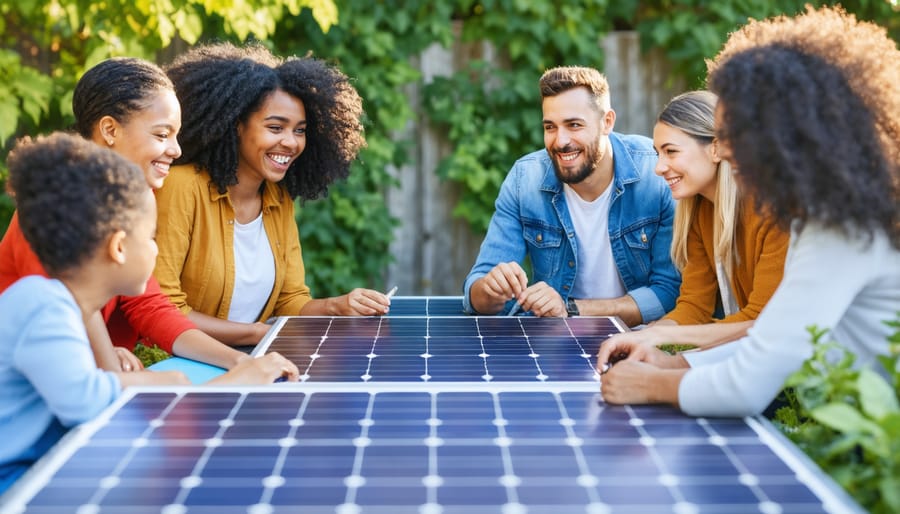
Throughout Illinois, communities are coming together through engaging energy-focused events that combine education with neighborhood fellowship. Popular gatherings include solar open houses, where homeowners showcase their installations and share firsthand experiences with neighbors. These casual meet-ups create opportunities for residents to ask questions and learn from real-world examples in a comfortable setting.
Many neighborhoods organize seasonal energy fairs featuring local solar installers, energy efficiency experts, and environmental organizations. These events often include family-friendly activities like solar-powered cooking demonstrations, DIY solar project workshops, and educational games for children. Some communities have started “Solar Sunday” traditions, combining renewable energy education with community picnics and outdoor activities.
Local libraries and community centers frequently host energy awareness workshops and documentary screenings, followed by group discussions about sustainable practices. These sessions help build connections between environmentally conscious neighbors while providing valuable information about solar adoption and energy conservation.
Annual “Green Home Tours” have become increasingly popular, allowing residents to visit multiple solar-powered homes in their area. These self-guided tours create opportunities for meaningful conversations about renewable energy benefits and installation experiences. Some communities even organize evening solar socials, where neighbors gather to discuss energy initiatives over locally sourced refreshments, strengthening both environmental awareness and community bonds.
Economic Benefits of Community Integration
Group Purchasing Power
When communities unite for solar energy initiatives, they unlock significant financial advantages through collective purchasing power. By pooling resources and negotiating as a group, neighborhoods can secure better rates on solar equipment, installation services, and maintenance contracts. This collaborative approach typically results in 15-30% lower costs compared to individual purchases, making solar energy more accessible to all community members.
Beyond the initial installation savings, integrated energy communities benefit from shared energy cost savings through coordinated maintenance programs. When multiple households participate in regular system upkeep, the per-household maintenance costs decrease substantially. Communities can establish shared service contracts, coordinate bulk equipment replacements, and distribute the costs of system monitoring across all participants.
This collective approach also strengthens the community’s bargaining position with utilities and service providers. Many Illinois neighborhoods have successfully negotiated favorable terms for grid connections and backup power arrangements by presenting themselves as a unified entity. Additionally, shared purchasing power often extends to community-wide energy storage solutions and smart grid technologies, making advanced energy management systems more financially feasible for everyone involved.
Local Economic Growth
Community solar initiatives serve as powerful catalysts for local economic development, creating a ripple effect of benefits throughout Illinois communities. When neighborhoods embrace solar projects, local businesses experience increased foot traffic and visibility, particularly during installation phases and maintenance periods. These projects typically generate both direct and indirect employment opportunities, from solar installation technicians to project managers and maintenance staff.
Local contractors and suppliers benefit from the increased demand for construction materials, electrical components, and related services. Small businesses often see growth opportunities through providing ancillary services such as landscaping, security, and consulting. Moreover, the reduced energy costs achieved through community solar programs allow businesses to reinvest savings into expansion, hiring, and improved services.
The economic impact extends beyond immediate project-related jobs. As communities become known for their sustainable practices, they often attract eco-conscious businesses and residents, further stimulating local commerce. Property values typically see positive trends in areas with established community solar programs, creating additional economic advantages for homeowners and businesses alike.
Studies show that for every dollar invested in community solar projects, approximately $2.50 circulates back into the local economy through wages, services, and increased business activity. This multiplier effect strengthens the overall economic fabric of Illinois communities, creating sustainable growth patterns that benefit all residents.
Future of Solar Communities in Illinois
Illinois stands at the forefront of a transformative shift in community energy systems, with integrated solar communities poised for significant expansion in the coming years. As more neighborhoods embrace shared solar initiatives, we’re seeing the emergence of sophisticated grid innovation partnerships that promise to revolutionize how communities generate and share power.
Industry experts predict that by 2030, Illinois could see a threefold increase in community solar projects, driven by improving technology, decreasing installation costs, and supportive state policies. These developments will likely foster stronger social bonds as neighbors collaborate on energy decisions and share in the benefits of renewable power generation.
Future integrated energy communities will likely feature advanced smart grid technologies, enabling real-time energy sharing and more efficient power distribution. Community-level battery storage systems will become commonplace, allowing neighborhoods to maintain power stability and share excess energy more effectively.
The social fabric of these communities is expected to strengthen through regular energy cooperative meetings, community education programs, and shared decision-making processes. New digital platforms will emerge to facilitate easier communication and energy management among community members, while maintaining the personal connections that make these initiatives successful.
As Illinois continues to lead in renewable energy adoption, these integrated communities will serve as models for sustainable living, demonstrating how shared solar initiatives can create both environmental and social value for future generations.
Community social integration through solar energy initiatives creates lasting benefits that extend far beyond power generation. By participating in local energy communities, Illinois residents can build stronger neighborhood connections, share resources, and work together toward common sustainability goals. These collaborative efforts often lead to increased property values, improved local infrastructure, and a more resilient community fabric. Whether you’re a homeowner or business owner, getting involved in your local energy community offers opportunities to make meaningful contributions while enjoying the advantages of shared solar resources. Take the first step today by reaching out to local solar organizations or attending community energy meetings – your participation helps build a more sustainable and connected Illinois.
