
Why Your Solar System Needs to Talk to the Grid (And What Happens When It Can’t)
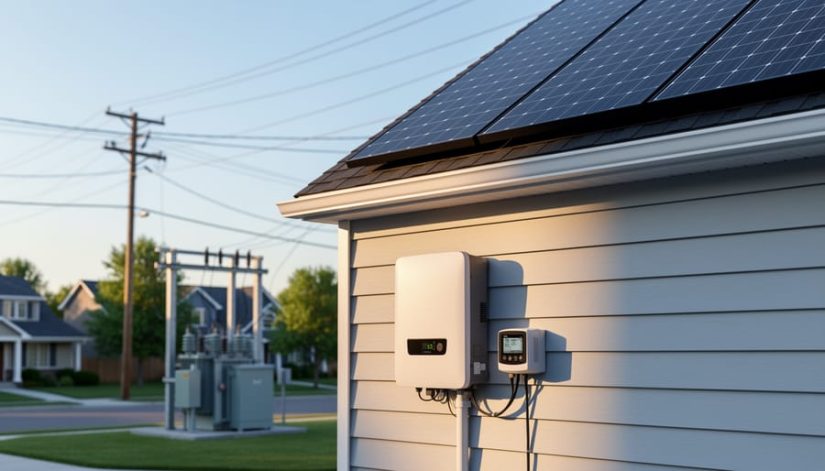
Verify that your solar installer adheres to IEEE 1547 standards, which govern how your solar system connects to the electrical grid and ensure it can safely disconnect during outages while maintaining power quality. This certification protects your investment and guarantees your system will work seamlessly with ComEd or Ameren Illinois infrastructure.
Confirm your equipment carries UL 1741 listing, the safety standard that validates inverters and other interconnection components meet rigorous performance requirements. Without this certification, your utility company may refuse to approve your system for grid connection, delaying or preventing your solar installation entirely.
Request documentation showing compliance with the National Electrical Code (NEC) Article 690, which establishes installation requirements specific to photovoltaic systems. Illinois contractors must follow these guidelines to pass state inspections, and non-compliant installations create safety hazards while voiding warranties and potentially affecting your homeowner’s insurance.
Understanding these interoperability standards matters because they determine whether your solar investment functions as part of Illinois’s growing integrated energy systems. When installers cut corners on compliance, you face rejected interconnection applications, failed inspections, and systems that can’t communicate with smart grid technologies or future battery storage additions.
The right standards create a foundation for reliable performance. Your solar array should operate for 25-plus years, working alongside evolving grid infrastructure and new energy technologies. Proper interoperability ensures compatibility with tomorrow’s innovations while delivering immediate benefits today. As a locally owned Illinois solar provider, we prioritize certified installations that meet every technical requirement, giving you confidence that your system will perform safely and efficiently from day one through decades of clean energy production.
What Interoperability Actually Means for Your Solar Investment
When you invest in solar panels for your Illinois home or business, you’re not just buying individual components—you’re creating an energy system that needs to work seamlessly with your utility, monitoring devices, batteries, and the broader electrical grid. That seamless communication is what interoperability means, and it’s crucial to protecting your investment.
Think of interoperability like having universal charging ports. Just as your phone charger works with different outlets and your devices connect to various networks, your solar equipment should communicate effectively with other energy technologies. This means your inverter can share data with your monitoring app, your battery storage can respond to grid signals, and your system can integrate with smart home devices—all without compatibility issues.
For solar panel owners, interoperability directly impacts several practical areas. First, it ensures your monitoring system provides accurate, real-time data about energy production and consumption, helping you maximize savings. When your equipment follows established standards, you can access detailed performance information through user-friendly apps rather than being locked into proprietary systems.
Second, interoperability affects your system’s efficiency and responsiveness. In Illinois, where net metering policies allow you to send excess energy back to the grid, your system must communicate properly with utility infrastructure. Equipment that meets interoperability standards can automatically adjust to grid conditions, participate in demand response programs, and potentially qualify you for additional incentive programs.
Third, it protects your resale value. As energy storage and electric vehicle charging become more common, systems built on open standards can easily expand and adapt. If you sell your property, buyers gain confidence knowing the solar installation works with modern technologies and won’t require expensive retrofits.
Without proper interoperability standards, you risk vendor lock-in, limited upgrade options, and compatibility headaches down the road. That’s why working with knowledgeable, locally owned solar installers who understand these technical requirements ensures your system is built right from the start.
The Standards That Make Solar Systems Work Together
IEEE 2030.5 and Smart Energy Communication
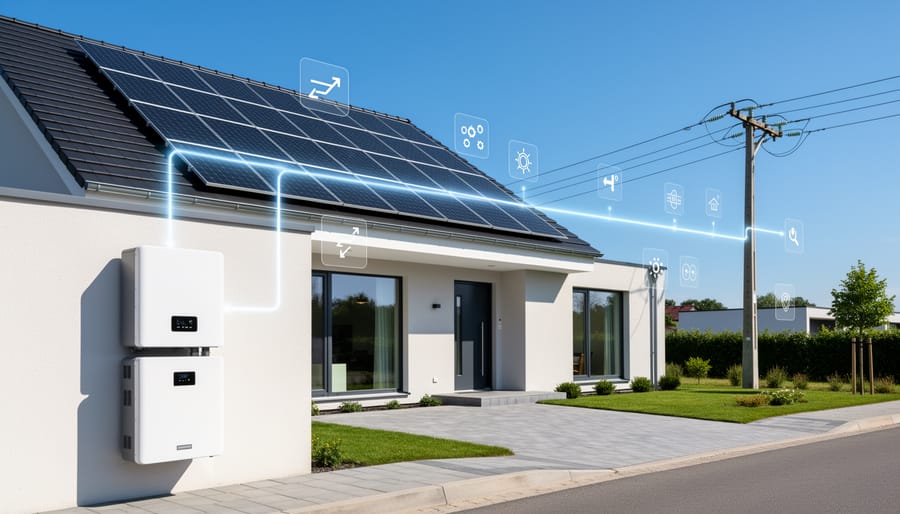
IEEE 2030.5 is a communication standard that acts as a translator between your solar system and the broader electrical grid. Think of it as creating a common language that allows your solar panels, battery storage, and inverters to have two-way conversations with your utility company’s systems.
For Illinois solar owners, this standard matters because it enables your system to respond intelligently to grid conditions. When demand is high or during peak pricing periods, IEEE 2030.5 allows utilities to send signals to your system. Your solar installation can then automatically adjust its output, draw from battery storage, or shift energy use to off-peak times, all while keeping your home or business running smoothly.
This communication protocol supports grid innovation partnerships by enabling demand response programs. These programs often provide financial incentives to solar owners who allow their systems to help balance grid loads during critical periods.
The standard also ensures secure, encrypted communication, protecting your system from unauthorized access. For businesses and homeowners planning solar installations, IEEE 2030.5 compliance means your investment is prepared for future utility programs, time-of-use rates, and grid modernization initiatives throughout Illinois. Your locally owned solar installer can configure systems that meet these standards while maximizing your energy independence and cost savings.
SunSpec Standards for Solar Equipment
SunSpec Alliance has developed widely-adopted standards that make it possible for solar equipment from different manufacturers to communicate seamlessly. Think of it like USB ports on your devices—SunSpec creates a universal “language” that allows your solar inverter, battery storage system, and monitoring equipment to work together, even if they’re made by different companies.
This standardization is particularly important for Illinois homeowners and businesses because it protects your solar investment. When you choose equipment that follows SunSpec standards, you’re not locked into one manufacturer’s ecosystem. If you want to add battery storage later or upgrade your monitoring system, you won’t need to replace your entire setup. Your components can simply plug and play.
SunSpec standards also ensure that your system can communicate properly with your utility company’s grid infrastructure. This is essential in Illinois, where utilities increasingly rely on advanced metering and grid management technologies. With compliant equipment, you can take advantage of net metering programs and future grid services without compatibility issues.
For locally-owned installers with expertise in solar energy, SunSpec certification means we can confidently design systems that will remain flexible and expandable for years to come. We prioritize equipment that meets these standards, giving you peace of mind that your investment is future-proof and adaptable to changing energy needs.
OpenADR and Demand Response Programs
OpenADR (Open Automated Demand Response) is a communication standard that enables your solar system to automatically respond to signals from your utility company during times of high energy demand. Think of it as a two-way conversation between your solar installation and the power grid, helping balance electricity supply and demand across Illinois.
When enrolled in demand response programs, your system can adjust energy usage or storage during peak periods—typically hot summer afternoons when air conditioning use spikes. For example, your solar battery might discharge stored power back to the grid when it’s needed most, or your system might shift certain energy-intensive operations to off-peak hours. In return, you receive financial incentives that directly lower your electricity bills.
This standard provides significant benefits for Illinois solar owners. You gain access to utility rebate programs that reward grid-friendly behavior, reducing your overall energy costs. Your participation also supports grid stability, helping prevent brownouts and reducing the need for expensive peaker power plants. Because OpenADR is an open standard, it ensures your equipment from different manufacturers can work together seamlessly, protecting your investment while maximizing financial returns from demand response opportunities available throughout the state.
Real Problems That Happen Without Proper Standards
Without proper interoperability standards, Illinois solar customers encounter real challenges that can significantly impact their investment and energy goals. These aren’t just theoretical concerns—they’re problems that homeowners and businesses across our state have faced firsthand.
Equipment incompatibility is one of the most frustrating issues. When solar panels, inverters, batteries, and monitoring systems don’t communicate effectively, you might find yourself locked into a single manufacturer for all future equipment needs. This happened to several Illinois homeowners who discovered their monitoring systems couldn’t connect with battery storage they wanted to add years later. The result? They had to choose between living with incomplete monitoring data or replacing perfectly functional equipment—an unnecessary expense that proper standards would have prevented.
Utility program participation becomes impossible when systems lack standardized communication protocols. Illinois utilities increasingly offer programs like demand response initiatives and time-of-use rate optimization that require your solar system to communicate with the grid. Without interoperability standards, your system simply can’t participate, meaning you miss out on potential savings and incentive programs. Some commercial solar customers in our area have discovered this limitation only after installation, leaving money on the table because their equipment couldn’t interface with ComEd or Ameren Illinois programs.
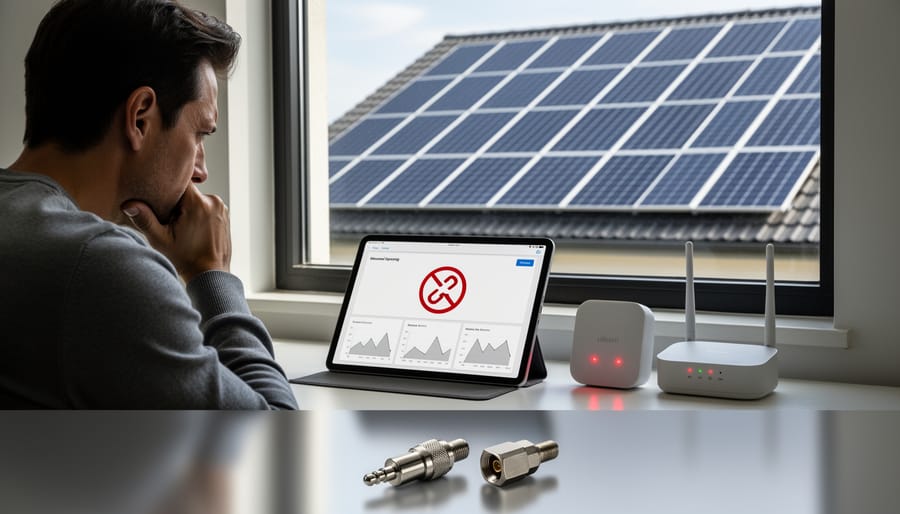
Monitoring failures create serious concerns for system performance. When your inverter can’t properly communicate with your monitoring platform, you won’t receive alerts about production issues, potential equipment failures, or warranty-qualifying problems. One Illinois business learned this the hard way when a malfunctioning inverter went undetected for months because their non-standard monitoring system failed to flag the issue, resulting in significant lost production.
System expansion complications arise when you want to add capacity or new technology. Perhaps you’re adding an electric vehicle charger, heat pump, or additional solar panels. Without interoperability standards, integrating new components becomes expensive or impossible. You might need costly workarounds, completely separate systems, or even replacement of existing equipment just to accommodate growth.
These real-world problems underscore why choosing an installer with expertise in implementing standards-compliant systems protects your long-term investment and ensures your solar system works seamlessly with Illinois’s evolving energy landscape.
How Interoperability Benefits Illinois Solar Customers
Easier System Monitoring and Maintenance
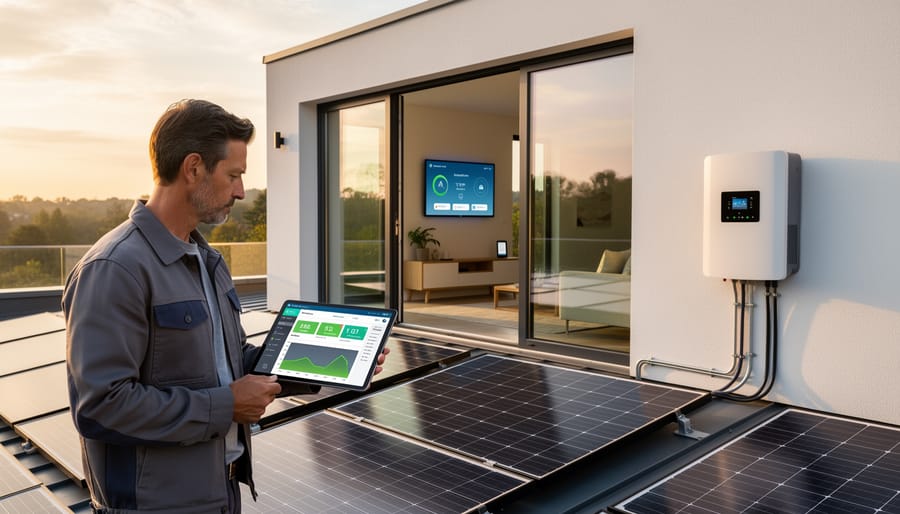
When your solar energy system follows standardized communication protocols, monitoring and maintenance become significantly simpler. These standards enable all components—from inverters to battery storage to your utility meter—to communicate using the same language, making it easy to track system performance in real time.
For Illinois homeowners and businesses, this means you can quickly identify when something isn’t working as expected. Standardized systems send alerts directly to your monitoring app when production drops or a component needs attention. Your solar installer can often diagnose issues remotely, reducing the need for on-site visits and minimizing downtime.
Think of it like having a universal dashboard for your car. Instead of needing different gauges and diagnostic tools for each component, standardized protocols provide one clear view of your entire system’s health. This is especially valuable during Illinois winters when snow coverage or shorter days might affect performance—you’ll know immediately whether reduced output is weather-related or indicates a maintenance issue.
For locally owned solar companies serving Illinois customers, these standards also mean faster service response times. Technicians can access detailed performance data before arriving, bringing the right parts and solving problems efficiently. This translates to lower maintenance costs and better long-term return on your solar investment.
Future-Proofing Your Investment
When you invest in solar energy, you’re making a commitment that should serve you for 25 years or more. Interoperability standards protect that investment by ensuring your system won’t become outdated as technology evolves.
Modern interoperability standards allow your solar installation to seamlessly integrate with emerging technologies like home battery storage systems, electric vehicle chargers, and smart home energy management platforms. This flexibility means you can add these features later without replacing your entire system. For Illinois homeowners and businesses, this adaptability is particularly valuable as state programs and utility offerings continue to expand.
These standards also ensure your system can participate in future utility programs, such as demand response initiatives or community solar projects that may become available in your area. As Illinois continues advancing its clean energy goals, compliant systems can take advantage of new incentive programs and grid services.
Working with experienced, locally owned solar installers who understand these technical requirements ensures your system is properly configured from the start. They’ll implement equipment and protocols that meet current standards while positioning you to benefit from tomorrow’s innovations, maximizing both your immediate savings and long-term value.
Participating in Grid Services and Incentive Programs
Standards-compliant solar installations unlock access to valuable financial programs available to Illinois residents and businesses. When your system meets IEEE 1547 and UL 1741 requirements, you qualify for ComEd and Ameren Illinois interconnection programs, which streamline the process of connecting your solar array to the grid. These utilities require certified equipment to ensure safe, reliable operation.
Net metering represents a significant benefit for standards-compliant systems. Your excess solar generation flows back to the grid, earning credits on your utility bill at retail rates. Both major Illinois utilities recognize this arrangement, but only when installations meet established interoperability standards.
Looking ahead, Illinois is expanding access to shared energy networks and community solar opportunities. These programs allow multiple participants to benefit from a single solar installation, reducing costs through economies of scale. Participation requires systems built to interoperability standards from the ground up.
Working with locally owned solar installers who understand these technical requirements ensures your investment qualifies for current incentives while remaining compatible with emerging programs. Proper implementation of standards protects your access to financial benefits both now and in the future.
What to Ask Your Solar Installer About Interoperability
When interviewing potential solar installers, asking the right questions about interoperability can protect your investment and ensure your system works seamlessly with Illinois utilities and future technologies. Here are essential questions to guide your conversation.
Start by asking which communication standards their equipment supports. Specifically, inquire whether their inverters and monitoring systems are IEEE 2030.5 compliant, as this is becoming the preferred standard for Illinois utilities. Request documentation showing that components are UL 1741 SA certified, which ensures equipment can safely communicate with the grid and respond to utility signals.
Ask about compatibility with your local utility provider. In Illinois, different utilities may have varying requirements for interconnection. Your installer should be familiar with ComEd, Ameren Illinois, or your municipal utility’s specific technical requirements. They should explain how their proposed system will communicate with your utility’s infrastructure and whether it supports demand response programs that could save you money.
Inquire about monitoring capabilities and data access. Will you be able to view your system’s performance in real-time? Can the monitoring platform integrate with home energy management systems or smart home devices? Understanding data ownership is also important—you should have full access to your system’s production and performance data.
Ask what happens when you want to add battery storage or other components later. A truly interoperable system should allow you to expand without replacing major equipment. Request specific examples of compatible battery brands and energy management systems that work with their proposed solar installation.
Don’t forget to discuss firmware updates and long-term support. How will the installer ensure your system remains compatible with evolving utility requirements? Illinois utilities are increasingly implementing advanced grid management, so your system needs to adapt through software updates.
Finally, request references from customers who have successfully interconnected similar systems with your utility provider. This demonstrates real-world experience with interoperability in your specific service territory. A knowledgeable, locally owned installer should readily answer these questions and provide documentation supporting their claims about standards compliance and system compatibility.
When you’re considering solar energy for your Illinois home or business, interoperability standards might seem like just another technical checkbox. But the reality is far more significant. These standards are the foundation that determines whether your solar system will communicate effectively with your utility’s grid, integrate seamlessly with battery storage, adapt to future technologies, and ultimately deliver the return on investment you expect.
As Illinois continues expanding its renewable energy programs and grid modernization efforts, having a standards-compliant system means you’re positioned to take advantage of new opportunities as they emerge. Whether it’s participating in evolving net metering programs, connecting to community solar initiatives, or integrating emerging smart home technologies, proper interoperability ensures your system remains relevant and functional for decades to come.
This is precisely why partnering with knowledgeable local installers makes such a difference. A locally owned solar company with expertise in Illinois-specific requirements understands not just the technical standards themselves, but how they apply to our state’s unique regulatory environment and utility landscape. They ensure your installation meets IEEE 1547 requirements, implements proper communication protocols, and positions you for maximizing your solar investment over its entire lifespan.
Your solar system represents a significant financial commitment. Ensuring it’s built on proper interoperability standards from day one protects that investment and gives you the flexibility to grow with Illinois’s evolving clean energy future.
