

Smart Energy Savings: How Demand Response Makes Your Hybrid System Work Harder
Imagine cutting your energy bills by up to 30% while helping stabilize the power grid during peak demand. That’s the power of demand response – a smart energy management strategy that’s revolutionizing how we consume electricity. By voluntarily adjusting your energy usage during high-demand periods, you become an active participant in grid stability while earning financial incentives. This innovative approach transforms traditional one-way power delivery into a dynamic, two-way relationship between utilities and consumers, creating a more resilient and efficient energy system for Illinois communities.
As solar adoption grows and grid demands evolve, demand response programs offer homeowners and businesses a practical way to optimize their energy consumption, reduce costs, and contribute to a more sustainable future. Whether you’re a homeowner with smart thermostats or a business owner managing large facilities, understanding demand response opens doors to significant savings and environmental benefits.
What Makes Demand Response Essential in Today’s Energy Landscape
The Growing Need for Grid Flexibility
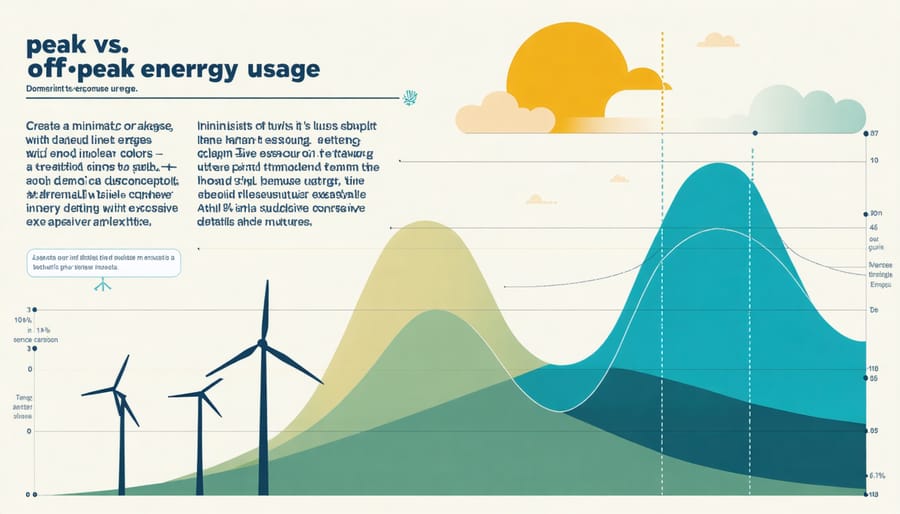
As Illinois continues to embrace renewable energy, our power grid faces new challenges. The traditional one-way power flow is evolving into a complex network where electricity generation and consumption patterns are increasingly variable. This variability, driven by solar power’s intermittent nature and changing consumption patterns, demands greater grid flexibility.
Modern smart grid systems must balance multiple power sources while maintaining reliability. When solar panels generate excess power on sunny afternoons, or when wind turbines produce more energy than needed during nighttime hours, the grid needs ways to manage these fluctuations effectively.
Demand response programs offer a solution by creating a more dynamic and responsive energy ecosystem. Instead of solely relying on increasing power generation to meet peak demands, these programs enable utilities to adjust energy consumption patterns. This approach helps maintain grid stability, reduces the need for expensive infrastructure upgrades, and creates a more sustainable energy future for Illinois communities.
Illinois Energy Market Dynamics
Illinois faces unique energy challenges, particularly during peak summer months when air conditioning drives substantial demand across the state. The regional grid operator, PJM Interconnection, manages electricity distribution across northern Illinois, while MISO oversees central and southern regions. During extreme weather events, these systems experience significant strain, leading to potential reliability issues and price spikes.
The state’s energy landscape is evolving, with a growing mix of renewable resources, particularly solar and wind power. This transformation, while beneficial for sustainability, creates new challenges for grid stability. Chicago and its suburbs, home to numerous data centers and industrial facilities, face especially high demand during business hours.
Recent legislative initiatives, including the Climate and Equitable Jobs Act (CEJA), have emphasized the importance of demand response programs in maintaining grid reliability. These programs have become increasingly crucial as Illinois works toward its goal of 100% clean energy by 2050, offering businesses and homeowners financial incentives to participate in load management efforts.
How Demand Response Works in Hybrid Energy Systems
Automated vs. Manual Response Systems
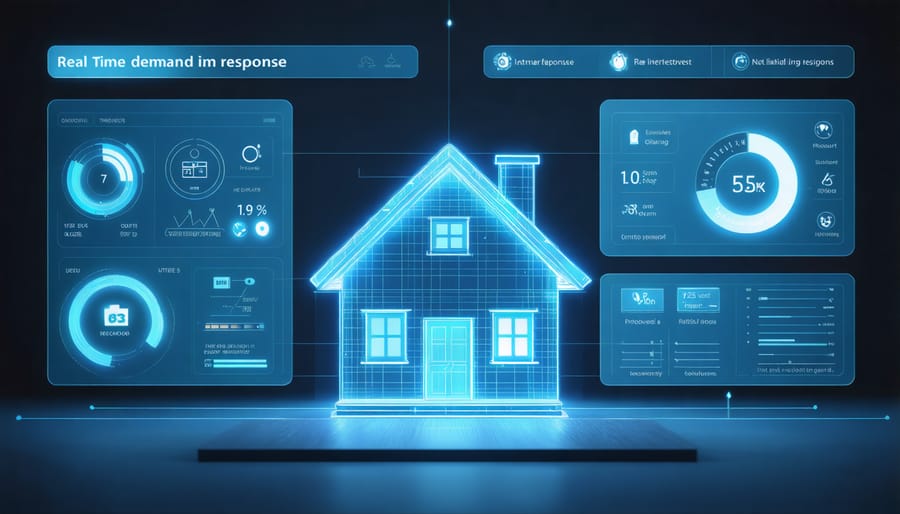
Demand response systems can be implemented through either automated or manual approaches, each offering distinct advantages for Illinois energy consumers. Automated systems utilize smart technology to adjust energy consumption automatically based on pre-set parameters and real-time grid conditions. These systems can integrate seamlessly with thermal storage systems and other energy management components, providing immediate response to utility signals without requiring human intervention.
Manual response systems, on the other hand, rely on direct communication between utilities and consumers. When demand peaks occur, participants receive notifications through text messages, emails, or phone calls, allowing them to manually reduce their energy usage. While this approach offers more control over energy reduction decisions, it requires active participation and may not capture savings opportunities as quickly as automated systems.
For homeowners and businesses in Illinois, automated systems typically offer greater convenience and consistency in participation. These systems can optimize energy use patterns throughout the day, taking advantage of time-of-use rates and demand response events automatically. Manual systems work well for operations where human oversight is preferred or in situations where specific equipment requires careful monitoring during adjustment periods.
The choice between automated and manual systems often depends on factors such as facility size, equipment complexity, and available resources. Many Illinois consumers opt for a hybrid approach, implementing automation for predictable loads while maintaining manual control over critical operations.
Integration with Solar Power Systems
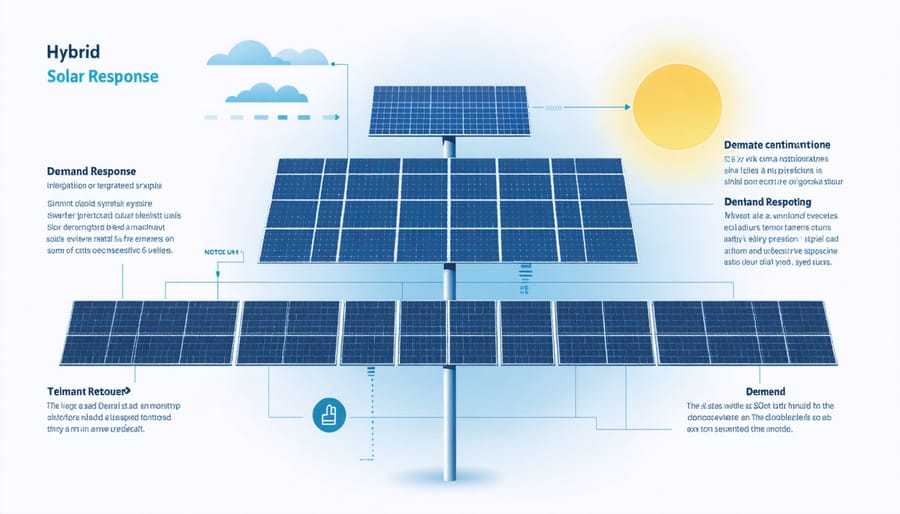
Solar power systems and demand response programs work together seamlessly to maximize energy efficiency and cost savings. When your solar panels generate electricity during peak sunlight hours, this clean energy can be used immediately or stored in batteries for later use. During peak demand periods, your system can automatically switch to using stored solar energy instead of drawing from the grid, reducing strain on the power network and lowering your costs.
In Illinois, where summer cooling demands can spike electricity usage, solar-equipped homes and businesses can participate in demand response programs more effectively. Your solar installation can be programmed to prioritize battery charging during off-peak hours when electricity rates are lower. Then, during peak periods or demand response events, you can rely on this stored solar energy while earning incentives from your utility provider.
Smart inverters and energy management systems make this integration even more powerful. These technologies can automatically balance solar production, battery storage, and grid consumption based on real-time electricity prices and demand response signals. For example, on hot summer afternoons when electricity demand is highest, your system can automatically prioritize solar power usage, helping you avoid premium rates while contributing to grid stability.
This solar-demand response partnership is particularly valuable for businesses and industries with significant daytime energy needs, as it allows them to maximize the benefits of both programs while maintaining operational efficiency.
Real Benefits for Illinois Homeowners and Businesses
Financial Incentives and Savings
Participating in demand response programs can lead to significant financial benefits for both residential and commercial customers in Illinois. Utility companies typically offer various incentive structures, including direct bill credits, reduced rates during off-peak hours, and annual reward payments based on participation levels.
For homeowners, these programs can reduce electricity bills by 10-20% annually through strategic energy use shifting and peak demand management. Businesses and industrial customers often see even greater savings, with some reporting 15-30% reductions in their energy costs through active participation in demand response initiatives.
Many Illinois utilities offer specific peak-time savings programs where participants receive credits for reducing energy use during high-demand periods. These programs often require minimal investment, as most modern smart thermostats and energy management systems are already equipped with demand response capabilities.
Additionally, some programs provide upfront incentives for installing smart devices or energy management systems that enable automated demand response participation. When combined with other energy efficiency measures, demand response participation can create a comprehensive energy savings strategy that benefits both participants and the grid.
Environmental Impact
Demand response programs play a crucial role in reducing environmental impact by helping minimize the need for additional power plants and decreasing reliance on fossil fuel-based peaker plants. When businesses and homeowners participate in demand response, they help prevent the activation of these high-emission backup generators during peak demand periods.
In Illinois, where renewable energy adoption is growing, demand response complements solar power systems by managing energy consumption more efficiently. This coordination results in lower greenhouse gas emissions and a smaller carbon footprint for participating properties. Studies show that effective demand response programs can reduce carbon emissions by up to 10-15% during peak periods.
The environmental benefits extend beyond emissions reduction. By optimizing energy use through demand response, communities can better integrate renewable energy sources into the grid, supporting the state’s clean energy goals. This leads to improved air quality, reduced water consumption from power generation, and a more sustainable energy future for Illinois residents. Additionally, demand response helps extend the life of existing grid infrastructure, reducing the environmental impact of new construction and equipment manufacturing.
Getting Started with Demand Response
System Requirements
To participate in demand response programs, your property needs to meet specific technical requirements. At minimum, you’ll need a smart meter installed by your utility company and a reliable internet connection. For more advanced hybrid energy solutions, additional equipment may include:
– An automated energy management system
– Smart thermostats or building automation controls
– Load controllers for major appliances
– Energy monitoring devices
– Compatible circuit breakers
– Grid-interactive inverters (for solar installations)
Your system should also have the capability to receive and respond to signals from your utility provider in real-time. For Illinois property owners, most modern smart home systems and building management platforms are already compatible with local demand response programs. However, it’s important to verify that your equipment meets the specific requirements of your chosen program provider.
The good news is that many utilities offer incentives or rebates to help offset the cost of installing compatible equipment, making it easier to participate in these energy-saving initiatives.
Implementation Process
Implementing demand response in your home or business starts with enrolling in a utility-sponsored program. In Illinois, ComEd and Ameren offer several demand response options. First, schedule an energy assessment to identify your potential for load reduction and determine which appliances or systems can be adjusted during peak periods.
Next, install smart meters and automated controls that enable communication between your facility and the utility. These devices help monitor energy usage in real-time and allow for automatic adjustments when demand response events are called.
Create an action plan outlining specific steps for reducing energy use during peak periods. This might include adjusting thermostat settings, shifting production schedules, or powering down non-essential equipment. Train staff or family members on these procedures to ensure smooth implementation.
Consider integrating your solar energy system with demand response capabilities. Modern solar installations can be programmed to optimize energy production and storage based on demand response signals, maximizing your benefits and grid support.
Finally, regularly review and adjust your demand response strategy based on performance data and changing energy needs. Most utilities provide detailed reports and recommendations for improving your participation.
Demand response programs represent a powerful tool for creating a more efficient and sustainable energy future in Illinois. By actively participating in these programs, homeowners and businesses can significantly reduce their energy costs while contributing to grid stability and environmental conservation. The benefits extend beyond individual savings to include improved grid reliability, reduced peak demand stress, and decreased reliance on fossil fuel power plants. Taking action is simple: start by contacting your local utility provider to learn about available demand response programs, consider installing smart thermostats and energy management systems, and explore how your existing solar installation can enhance your demand response capabilities. Together, we can build a more resilient and sustainable energy infrastructure while keeping costs manageable for everyone in our community. Don’t wait to become part of this energy revolution – the time to embrace demand response is now.
