

Smart Power: How Hybrid Energy Systems Are Revolutionizing Illinois Homes and Businesses
Hybrid energy systems revolutionize how Illinois properties harness and manage power, combining renewable sources like solar panels with conventional grid connections to create a more resilient and efficient energy infrastructure. These integrated solutions address the growing demands for reliable, sustainable power while significantly reducing carbon emissions and energy costs.
By intelligently merging multiple energy sources—typically solar, battery storage, and grid power—hybrid systems provide property owners with unprecedented control over their energy consumption and production. During peak sunlight hours, solar panels generate clean electricity, while battery storage captures excess power for use during nighttime or cloudy conditions. The seamless integration with the traditional power grid ensures uninterrupted service when renewable sources aren’t sufficient.
For Illinois businesses and homeowners, hybrid energy systems represent a strategic investment in energy independence and sustainability. With federal tax incentives, state rebates, and falling technology costs, these systems offer an increasingly attractive solution for those looking to reduce their environmental impact while maintaining reliable power access. The flexibility and scalability of hybrid systems make them suitable for various applications, from residential installations to large-scale industrial operations.
What Makes a Hybrid Energy System Work?
Solar + Storage: The Perfect Match
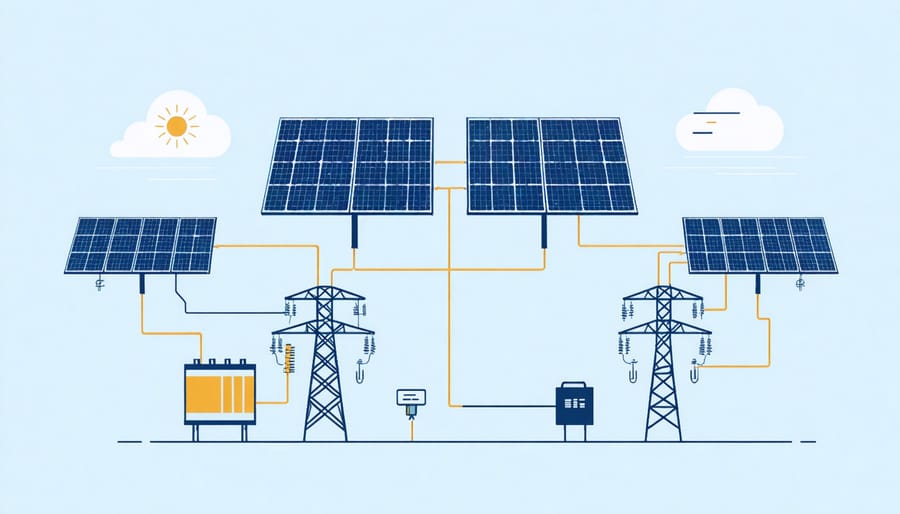
Solar panels and battery storage systems work together like a well-choreographed dance, maximizing your energy independence and efficiency. During daylight hours, your solar panels generate clean electricity for immediate use, while excess power charges your energy storage solutions. This stored power becomes invaluable when the sun sets or during cloudy days, ensuring consistent energy availability for your property.
The integration is seamless: smart inverters automatically manage the flow of electricity between your panels, batteries, and home. When your solar system produces more power than needed, instead of sending it back to the grid, the excess energy charges your batteries. Later, when your panels aren’t producing enough power to meet your needs, the system draws from these batteries, reducing your reliance on grid power and potentially lowering your utility bills.
This partnership is particularly beneficial in Illinois, where weather conditions can vary significantly throughout the year. During summer months, when solar production is at its peak, your batteries store excess energy for use during evening hours or overcast days, ensuring you maintain optimal energy efficiency year-round.
Grid Connection Benefits
Maintaining a grid connection while utilizing a hybrid energy system offers numerous advantages for Illinois property owners. Through smart grid integration, your property remains connected to the utility grid while benefiting from your renewable energy system.
This connection serves as a reliable backup during periods when your solar panels or wind turbines aren’t generating sufficient power, ensuring uninterrupted electricity supply during cloudy days or nighttime. Additionally, grid connection allows you to participate in net metering programs, where excess energy generated by your system can be fed back into the grid, potentially reducing your utility bills or earning credits.
In Illinois, grid-connected hybrid systems also provide protection against power outages. When the grid goes down, properly configured hybrid systems can continue powering your essential appliances using stored energy. This feature is particularly valuable during extreme weather events, which are becoming more frequent in our region.
The grid connection also future-proofs your investment, allowing you to adapt to new energy technologies and utility programs as they become available, maximizing the long-term value of your hybrid energy system.
Carbon Reduction Impact
Measurable Environmental Benefits
Hybrid energy systems demonstrate substantial environmental benefits through measurable reductions in carbon emissions. In Illinois, a typical residential hybrid system combining solar panels with battery storage can reduce carbon emissions by 6-8 metric tons annually, equivalent to taking two cars off the road. For commercial installations, these numbers increase significantly, with medium-sized businesses achieving reductions of 25-30 metric tons per year.
Data from Illinois-based installations shows that hybrid systems reduce reliance on grid power by 60-75% during peak usage hours. This translates to a significant decrease in fossil fuel consumption, as most grid power in Illinois still comes from non-renewable sources. During summer months, when the grid is typically under the most strain, hybrid systems can offset up to 90% of a property’s carbon footprint.
The environmental impact extends beyond carbon reduction. Hybrid systems in Illinois help prevent approximately 1,000 gallons of water consumption per megawatt-hour generated, as traditional power plants require substantial water for cooling. Additionally, these systems reduce sulfur dioxide and nitrogen oxide emissions by 70-80% compared to conventional energy sources.
Long-term environmental monitoring of hybrid installations across the state indicates that a single 10kW system prevents the equivalent of 150 trees worth of carbon dioxide from entering the atmosphere each year. These measurable benefits contribute significantly to Illinois’s clean energy goals and broader environmental protection efforts.
Illinois Climate Goals
Illinois has set ambitious climate goals through the Climate and Equitable Jobs Act (CEJA), aiming to achieve 100% clean energy by 2050. Hybrid energy systems play a crucial role in meeting these targets by combining renewable energy sources with traditional power systems, offering a practical pathway to reduce carbon emissions while maintaining reliable power supply.
The state’s commitment to reducing greenhouse gas emissions aligns perfectly with hybrid system implementation. These systems support the gradual transition from fossil fuels to renewable energy sources, helping businesses and homeowners contribute to Illinois’ environmental objectives while maintaining energy security. By 2030, Illinois aims to have 40% of its energy come from renewable sources, and hybrid systems provide a flexible solution to help achieve this milestone.
Hybrid systems particularly support Illinois’ goals for distributed energy generation, which aims to reduce strain on the power grid while increasing community resilience. The state offers various incentives and programs to encourage adoption of these systems, making them increasingly attractive to property owners who want to participate in the clean energy transition.
For Illinois businesses and homeowners, implementing hybrid energy systems represents a practical way to align with state environmental initiatives while benefiting from enhanced energy independence and potential cost savings. These systems demonstrate how individual actions can contribute to broader state environmental goals while providing immediate benefits to system owners.
Real Cost Benefits for Illinois Property Owners
Energy Bill Savings
Implementing a hybrid energy system can significantly reduce your monthly energy bills through multiple cost-saving mechanisms. Most Illinois property owners see a 40-60% reduction in their utility costs within the first year of installation. This savings comes from combining solar power generation with efficient energy storage and demand response capabilities.
During peak sunlight hours, your system generates free electricity, reducing grid dependency. Excess energy is stored in batteries for use during evening hours or cloudy days, eliminating the need to purchase expensive peak-rate power from utilities. In Illinois, net metering programs allow you to sell surplus energy back to the grid, creating additional revenue streams.
The smart monitoring systems included in hybrid setups automatically switch between energy sources based on real-time pricing, ensuring you always use the most cost-effective option. Many Illinois utilities offer special time-of-use rates for hybrid system owners, enabling further savings through strategic energy consumption patterns.
When combined with available federal tax incentives and Illinois state rebates, most systems achieve complete return on investment within 5-7 years, while continuing to deliver savings for decades.
Available Incentives
Illinois residents and businesses can take advantage of several attractive incentives when installing hybrid energy systems. The federal Investment Tax Credit (ITC) currently offers a 30% tax credit on the total system cost, including both solar panels and battery storage components. This credit significantly reduces the initial investment and improves return on investment.
At the state level, Illinois offers the Adjustable Block Program, which provides Solar Renewable Energy Credits (SRECs) for energy produced by your system. These credits can be sold for additional income, making hybrid systems more financially viable. The Illinois Property Tax Special Assessment ensures that adding a renewable energy system won’t increase your property taxes.
For businesses, additional incentives include accelerated depreciation through the Modified Accelerated Cost Recovery System (MACRS), allowing you to deduct the system’s value from your taxes over five years. Many Illinois utilities also offer net metering programs, enabling you to earn credits for excess energy produced by your hybrid system.
Local municipalities may provide additional rebates or grants, and some Illinois banks offer special financing options for renewable energy projects. We recommend checking with your local government and utility provider for the most current incentive programs, as they can change periodically.
Implementation and Maintenance
Installation Process
The installation of a hybrid energy system typically follows a structured process that begins with a thorough site assessment. Our experienced technicians evaluate your property’s solar exposure, available space, and existing electrical infrastructure to determine the optimal system configuration.
Once the assessment is complete, we develop a customized design that integrates solar panels, battery storage, and smart controls with your existing power setup. This design phase includes determining the number and placement of solar panels, sizing the battery system, and planning the integration with the grid connection.
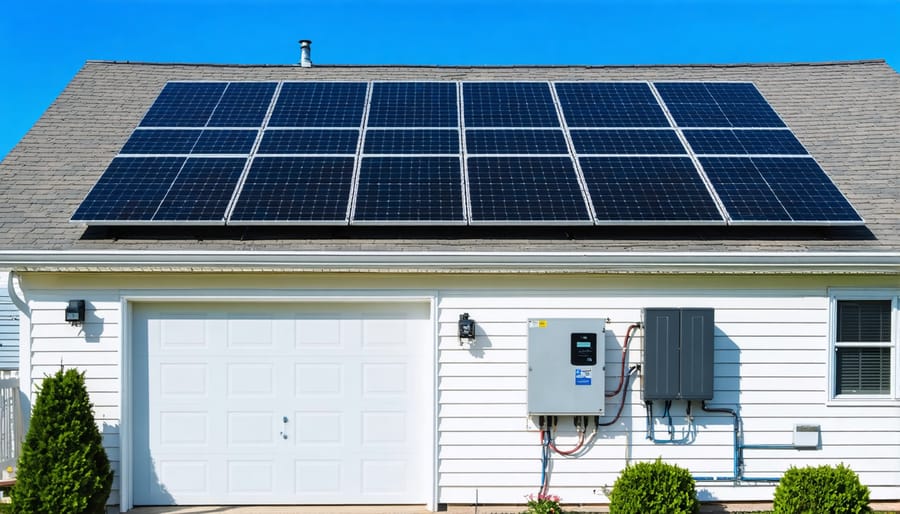
The physical installation starts with mounting the solar panel array, which usually takes 1-2 days for residential systems. Our teams use specialized mounting hardware designed for Illinois weather conditions, ensuring your panels remain secure through all seasons. Next, we install the battery storage system in a protected location, typically in your garage or utility room.
The inverter installation follows, creating the bridge between your solar panels, batteries, and existing electrical system. Our technicians then implement the smart control system, which automatically manages power flow between different sources. This includes programming the system to optimize energy usage based on your specific needs and utility rates.
Final steps include connecting to the grid, installing monitoring equipment, and conducting comprehensive system testing. Our team coordinates with local utilities and ensures all installations meet Illinois building codes and electrical standards. We also provide detailed training on system operation and monitoring tools, empowering you to track and optimize your energy usage.
The entire installation process typically takes 3-5 days, depending on system size and complexity. Throughout the installation, we maintain clear communication and ensure minimal disruption to your daily activities.
Long-term Care
Regular maintenance is crucial for ensuring the longevity and efficiency of your hybrid energy system. To optimize system performance, establish a routine maintenance schedule that includes both professional inspections and basic owner-performed checks.
For solar components, schedule professional cleanings at least twice yearly, particularly after Illinois’s fall and spring seasons when debris accumulation is highest. Battery systems require quarterly performance checks to ensure proper charging cycles and storage capacity. Inverters should be inspected annually for optimal functionality and updated firmware when necessary.
Monitor your system’s performance through its built-in management software daily. Look for unexpected changes in energy production or consumption patterns, which could indicate potential issues. Keep detailed records of maintenance activities, system outputs, and any irregularities observed.
During Illinois winters, clear snow from solar panels when accumulation exceeds six inches, using appropriate safety equipment and approved cleaning tools. Check battery enclosures for proper insulation and temperature control, as extreme temperatures can affect battery life and performance.
Consider enrolling in a preventive maintenance program with a certified local provider. These programs typically include regular system health checks, component testing, and immediate response to any performance issues. While this represents an additional cost, it often proves cost-effective by preventing major system failures and extending equipment life.
Remember to maintain clear access to all system components and keep emergency shutdown procedures readily available. Train family members or facility staff on basic system operations and safety protocols to ensure proper handling during routine maintenance activities.
Hybrid energy systems represent a smart, sustainable solution for Illinois property owners looking to take control of their energy future. By combining solar power with traditional grid connections and battery storage, these systems offer unparalleled flexibility and reliability while significantly reducing carbon footprints and energy costs.
The benefits are clear: enhanced energy independence, reduced utility bills, increased property value, and meaningful environmental impact. In Illinois, where weather conditions can be unpredictable, hybrid systems provide the peace of mind that comes with knowing your power supply remains stable regardless of external circumstances.
Now is the perfect time to consider implementing a hybrid energy system for your property. With federal tax incentives, state rebates, and declining equipment costs, the financial barriers to entry have never been lower. The technology has matured, installation processes have been streamlined, and local expertise is readily available to guide you through the transition.
By taking action today, you’re not just investing in your property – you’re contributing to a more sustainable future for Illinois. Whether you’re a homeowner looking to reduce monthly expenses or a business owner aiming to meet sustainability goals, hybrid energy systems offer a practical, proven solution that delivers both immediate and long-term benefits.
Contact local solar experts to learn how a custom hybrid energy system can work for your specific needs and start your journey toward energy independence.
