

Smart Grid Systems Transform Hybrid Energy: What Illinois Property Owners Need to Know
Smart grid systems are revolutionizing how Illinois homeowners and businesses interact with energy, transforming traditional one-way power distribution into an intelligent, two-way communication network. By integrating advanced sensors, smart meters, and automated controls, these systems optimize energy flow, reduce costs, and enhance reliability across the power network.
Think of a smart grid as your home’s energy command center – constantly monitoring, analyzing, and adjusting power usage in real-time. Unlike conventional power grids, smart systems can detect outages instantly, reroute power to prevent blackouts, and help property owners make informed decisions about their energy consumption. For solar-powered properties, smart grids are particularly valuable, enabling seamless integration of renewable energy while maintaining grid stability.
The benefits extend beyond individual properties to the entire community. During peak demand periods, smart grids can automatically adjust consumption patterns, reducing strain on the power network and lowering electricity costs for everyone. This technology also supports Illinois’ clean energy goals by facilitating greater adoption of renewable energy sources and improving overall grid efficiency.
For property owners considering solar installation, smart grid compatibility isn’t just a luxury – it’s becoming essential for maximizing energy independence and financial returns on renewable energy investments.
How Smart Grid Systems Revolutionize Hybrid Energy
Real-Time Energy Management
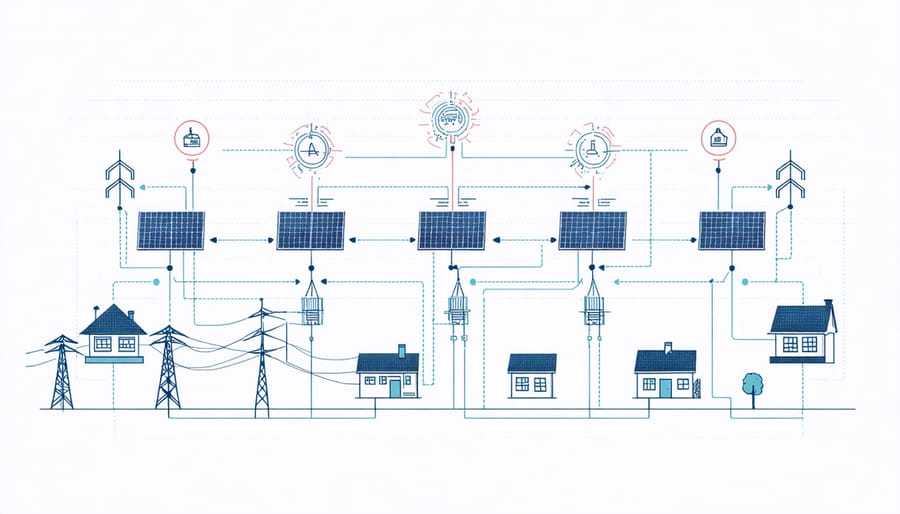
Smart grids revolutionize energy management by continuously monitoring and adjusting power flow between solar panels, traditional utility sources, and your property’s electrical systems. Think of it as a highly intelligent traffic controller for electricity, ensuring power flows efficiently exactly where and when it’s needed.
Using advanced sensors and automated controls, smart grids can instantly detect changes in solar production, such as when clouds pass overhead, and seamlessly switch to grid power to maintain consistent energy supply. During peak sunlight hours, when your solar panels generate excess electricity, the system can automatically export surplus power to the utility grid or store it in battery systems for later use.
This real-time optimization helps Illinois property owners maximize their solar investment by ensuring solar power is used efficiently while minimizing reliance on grid electricity during peak rate periods. The system also provides detailed energy consumption data through user-friendly interfaces, allowing you to track performance and make informed decisions about your energy usage.
Smart grids can also predict energy needs based on historical usage patterns and weather forecasts, preparing for increased demand before it occurs. This proactive approach helps maintain system stability and reduces the likelihood of power interruptions.
Demand Response Integration
Demand Response Integration allows smart grids to effectively manage peak energy usage by automatically adjusting power consumption based on grid conditions and electricity rates. During high-demand periods, the system can reduce strain on the grid by temporarily scaling back non-essential power usage in participating homes and businesses.
In Illinois, where summer cooling demands and winter heating can create significant load challenges, smart grid technology helps maintain grid stability while reducing costs. The system communicates with connected appliances and devices, adjusting their operation to optimize energy use during peak times. For example, your smart thermostat might slightly adjust the temperature, or your electric vehicle charging could pause briefly during high-demand periods.
Property owners can participate in utility demand response programs, receiving financial incentives for allowing their smart devices to automatically respond to grid signals. This cooperative approach helps prevent blackouts during extreme weather events and reduces the need for expensive backup power plants. The system also enables better integration of renewable energy sources, helping balance solar power generation with real-time grid demands.
Benefits for Illinois Property Owners
Cost Savings and Energy Efficiency
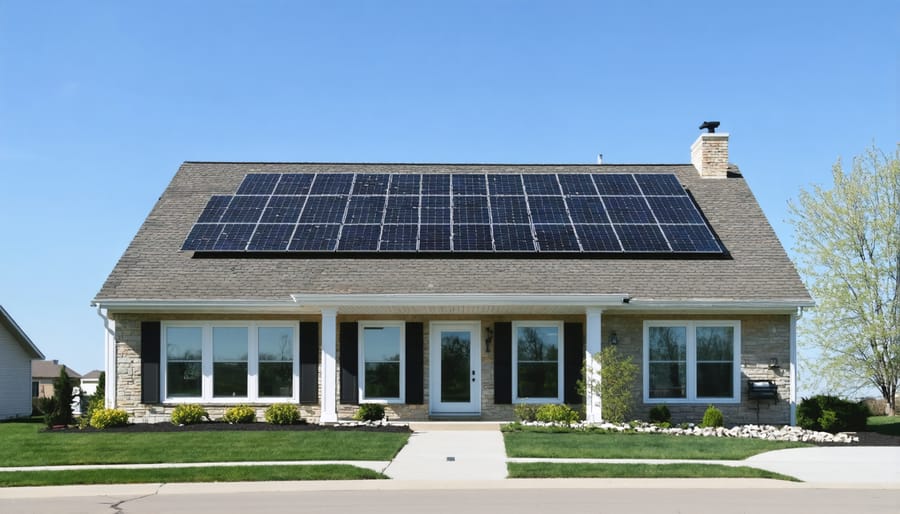
Smart grid systems offer substantial cost savings through improved energy management and reduced waste. Property owners can expect to see lower utility bills thanks to automated load balancing and real-time consumption monitoring. When combined with solar installations and available Illinois solar energy incentives, these savings become even more significant.
The efficiency gains come from multiple sources. Smart meters enable dynamic pricing, allowing consumers to shift their energy usage to off-peak hours when rates are lower. Automated systems can power down non-essential devices during peak demand periods, while maintaining comfort and functionality. Business owners particularly benefit from demand response programs, earning credits by reducing consumption when the grid is stressed.
For solar energy users, smart grids optimize power flow between panels, batteries, and the main grid. This intelligent management ensures maximum utilization of solar-generated electricity and minimizes reliance on grid power during expensive peak hours. The system’s predictive capabilities also help anticipate weather patterns and adjust energy storage accordingly, preventing waste and maximizing return on investment.
Studies show that smart grid implementations typically reduce energy consumption by 10-15% for residential properties and up to 20% for commercial buildings. These savings compound over time, often paying back the initial investment within 3-5 years while providing lasting benefits for both property owners and the environment.
Grid Reliability and Power Quality
Smart grid systems significantly enhance power reliability and quality through advanced monitoring and automated response capabilities. By continuously analyzing power flow and grid conditions, these systems can detect and respond to potential issues before they escalate into full-scale outages.
In Illinois, where extreme weather can challenge traditional power infrastructure, smart grids provide crucial stability through intelligent load balancing and real-time adjustment capabilities. When power disruptions occur, smart grids can automatically reroute electricity through alternative pathways, minimizing the impact on homes and businesses.
The integration of solar energy systems with smart grids further improves reliability through distributed generation. During peak demand periods or grid disturbances, local solar installations can help maintain stable power supply, reducing strain on the main grid. This decentralized approach means that a single point of failure is less likely to cause widespread outages.
Power quality also sees marked improvement with smart grid technology. Advanced voltage regulation and power factor correction ensure consistent electricity delivery, protecting sensitive electronic equipment and extending the lifespan of electrical appliances. For businesses operating precision machinery or critical systems, this enhanced power quality translates to reduced equipment maintenance costs and improved operational reliability.
The system’s self-healing capabilities mean faster recovery from disruptions, with many issues resolved automatically without human intervention. This results in shorter outage times and more reliable service for all connected customers.
Smart Grid Integration with Solar Systems
Solar Production Optimization
Smart grids revolutionize solar energy management by continuously monitoring and optimizing power flow between solar panels, battery storage, and the electrical grid. Through advanced sensors and automated control systems, smart grids can predict solar production patterns based on weather forecasts and historical data, adjusting energy distribution accordingly.
During peak sunlight hours, these intelligent systems ensure maximum power harvesting from solar panels while directing excess energy to either storage solutions or the main grid. When solar production decreases, smart grids seamlessly switch to stored power or grid electricity, maintaining consistent energy supply for your property.
Real-time monitoring capabilities allow homeowners and businesses to track their solar production and consumption patterns through user-friendly apps or web interfaces. This data helps in making informed decisions about energy usage and identifying opportunities for improved efficiency.
Smart grids also enable dynamic load balancing, automatically prioritizing critical appliances during periods of reduced solar production. In Illinois, where weather conditions can significantly impact solar generation, these systems prove particularly valuable by optimizing available sunlight and ensuring reliable power supply year-round.
By integrating weather forecasting and consumption patterns, smart grids help maximize the return on your solar investment while maintaining grid stability and reducing energy waste.
Energy Storage Management
Energy storage management is a crucial component of modern smart grid systems, working seamlessly with home energy storage systems to maximize efficiency and reliability. These sophisticated systems use advanced algorithms to determine the optimal times for storing and using energy, helping property owners make the most of their solar power generation.
During peak sunlight hours, excess solar energy is stored in battery systems for later use, particularly during evenings or cloudy days when panels aren’t producing power. Smart grid technology continuously monitors energy consumption patterns, weather forecasts, and electricity rates to make intelligent decisions about when to store power and when to use it.
In Illinois, where weather conditions can vary significantly throughout the year, this intelligent storage management becomes especially valuable. The system can automatically switch between stored energy and grid power based on real-time conditions and electricity costs, ensuring consistent power supply while maximizing savings.
For businesses and homeowners, this means reduced energy costs, increased energy independence, and improved grid stability. The system can also provide backup power during outages, offering peace of mind and continuous operation of essential equipment and appliances.
Implementation Considerations
System Requirements and Compatibility
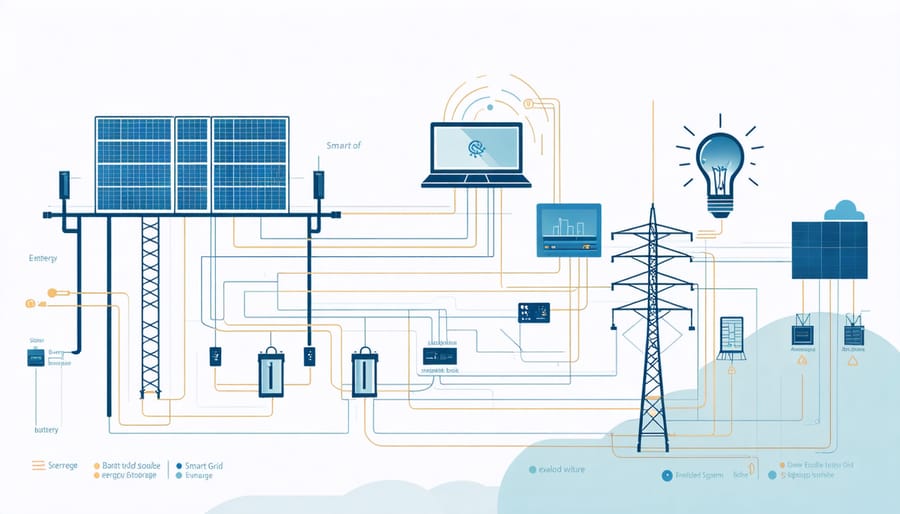
To successfully implement a smart grid system, your property needs to meet specific technical requirements. First, you’ll need a modern electrical panel capable of supporting bi-directional power flow and smart monitoring capabilities. Most homes built after 2000 have compatible panels, but older properties may require an upgrade during the solar panel installation process.
Internet connectivity is essential, with a minimum broadband speed of 10 Mbps for reliable communication between grid components. Your property should also have a smart meter installed – most Illinois utilities have already implemented these as part of their grid modernization efforts.
For optimal performance, you’ll need:
– A compatible inverter with smart grid integration features
– Advanced metering infrastructure (AMI)
– Home energy management system
– Secure wireless or ethernet network connection
– Backup power storage system (recommended)
Your electrical system must comply with Illinois utility interconnection standards and the IEEE 1547 requirements for grid-connected systems. Local building codes may have additional requirements, particularly in areas with high solar adoption rates.
Working with certified installers familiar with Illinois regulations ensures your system meets all necessary requirements while maximizing efficiency and reliability. They can assess your current infrastructure and recommend necessary upgrades for smart grid compatibility.
Local Utility Integration
The successful implementation of smart grid systems in Illinois relies heavily on collaboration with Illinois utility providers and their existing infrastructure. Local utilities are actively modernizing their grid networks to accommodate the growing demand for renewable energy integration, particularly solar power systems.
Commonwealth Edison (ComEd) and Ameren Illinois, the state’s major utilities, have invested significantly in smart grid technology, including advanced metering infrastructure (AMI) and automated distribution systems. These improvements enable better communication between your solar installation and the broader power grid, resulting in more efficient energy distribution and improved reliability.
When installing a solar system with smart grid capabilities, your local utility will work with you to ensure proper interconnection. This includes installing smart meters that enable two-way communication, allowing real-time monitoring of energy production and consumption. The utility also helps configure your system to participate in demand response programs, which can provide additional cost savings through reduced peak-hour usage.
The integration process typically involves a site assessment, equipment compatibility check, and necessary upgrades to local infrastructure. Your utility will guide you through the required documentation, permits, and interconnection agreements, ensuring your smart grid-enabled solar system meets all local regulations and safety standards while maximizing its benefits to both you and the grid network.
Smart grid systems represent a significant leap forward in how we manage and consume energy. By integrating solar power with intelligent monitoring and control systems, property owners can achieve unprecedented levels of efficiency and cost savings. The benefits are clear: reduced energy costs, improved reliability, and greater control over energy consumption patterns.
For Illinois property owners considering smart grid integration, the path forward involves several key steps. Start by conducting an energy audit to understand your current consumption patterns. Next, consult with local solar experts to design a system that meets your specific needs. Consider beginning with smart meters and basic monitoring systems, which can be expanded over time as your needs grow.
Remember that while the initial investment in smart grid technology may seem substantial, the long-term benefits often justify the cost through reduced energy bills and increased property value. Take advantage of available incentives and rebates to help offset installation costs. As the technology continues to evolve and become more accessible, smart grid systems will increasingly become the standard for modern energy management, positioning early adopters at the forefront of sustainable energy solutions.
