
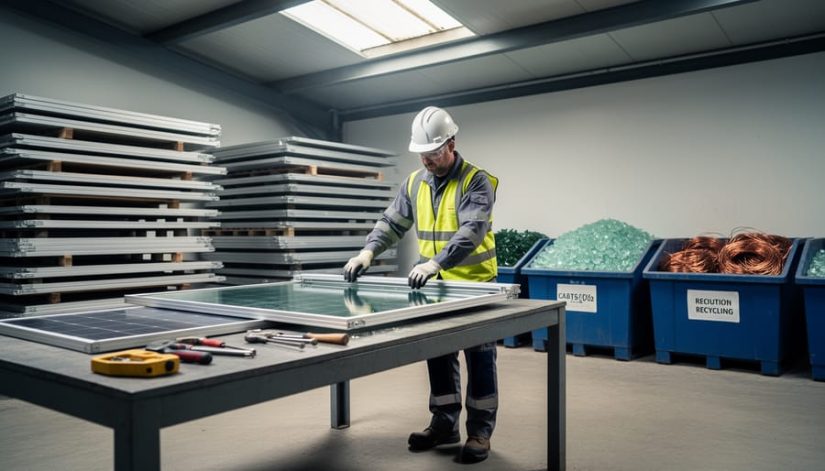
What Happens to Your Solar Panels After 25 Years? The Truth About Energy Recycling
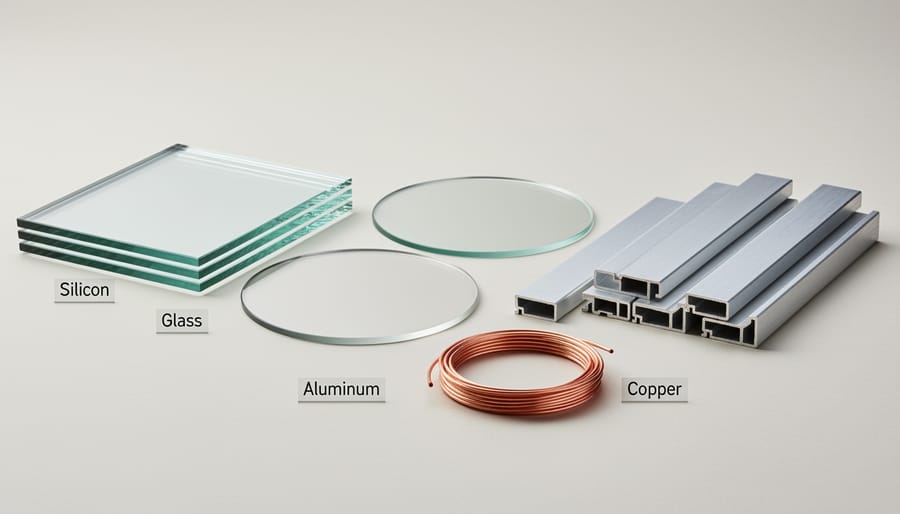
Understand that solar panels don’t last forever, but their materials can. Most photovoltaic panels maintain efficiency for 25-30 years before requiring replacement, and approximately 95% of their components—including silicon, glass, aluminum, and copper—can be recovered and reused through specialized recycling processes. This creates a circular economy where today’s solar installations become tomorrow’s raw materials.
Recognize that Illinois already has infrastructure supporting solar panel recycling. Several certified facilities across the Midwest accept end-of-life panels, processing them through mechanical and thermal techniques that separate valuable materials from hazardous components. The silicon recovered from one recycled panel can produce up to four new ones, while recovered aluminum and glass find new life in construction and manufacturing industries.
Plan ahead by documenting your solar equipment’s installation date and manufacturer details. Most reputable solar companies now include take-back programs or recycling partnerships in their service agreements, ensuring your panels won’t end up in landfills. Illinois homeowners and businesses should inquire about these programs during installation, as proper disposal planning protects both your investment and the environment that renewable energy sources aim to preserve.
The recycling of energy systems represents more than waste management—it’s a commitment to true sustainability. As Illinois continues expanding its solar capacity, establishing responsible end-of-life practices ensures that choosing clean energy today doesn’t create environmental burdens tomorrow. By understanding the recycling process and available local resources, you’re making informed decisions that support renewable energy’s promise across its entire lifecycle, from installation through responsible decommissioning.
Understanding the Solar Panel Lifecycle
When Do Solar Panels Need Replacement?
Solar panels are built to last, but they don’t operate at peak efficiency forever. Most quality panels come with warranties guaranteeing 80-90% efficiency after 25 years, which means Illinois homeowners can expect decades of reliable service. However, understanding when replacement becomes necessary helps you maximize your investment.
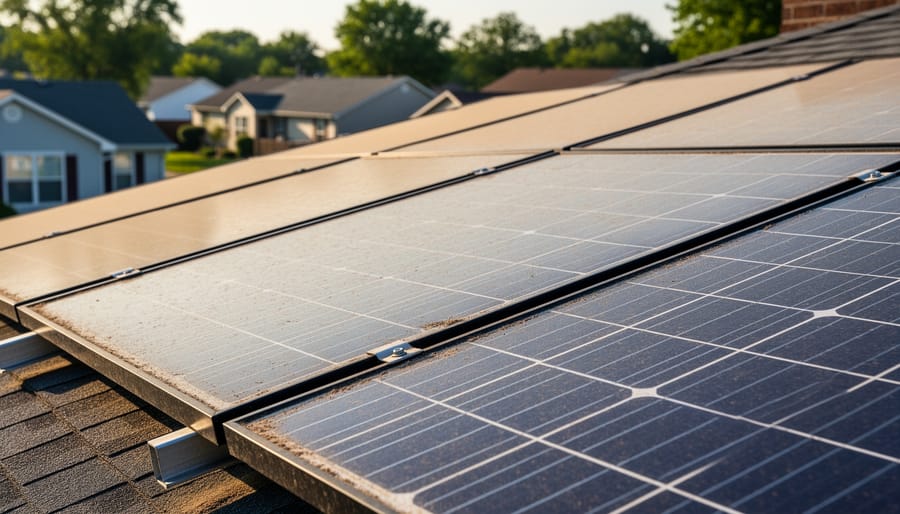
The most common sign that panels are reaching end-of-life is a noticeable drop in energy production. If your system consistently generates significantly less electricity than it did in previous years, and cleaning or minor repairs don’t resolve the issue, degradation may be the culprit. Physical damage is another clear indicator—cracked glass, delamination, or discoloration can compromise performance and safety.
Illinois homeowners should also watch for hot spots or burn marks on panels, which suggest internal failures. Monitoring your system’s output through inverter displays or mobile apps makes it easier to track performance trends over time. Keep in mind that severe weather common in our region, including hail and heavy snow loads, can accelerate wear.
When panels do reach the end of their productive life, responsible recycling ensures valuable materials are recovered rather than ending up in landfills, supporting Illinois’s commitment to sustainable energy practices.
The Growing Need for Solar Recycling Solutions
As solar energy adoption accelerates across Illinois, we’re approaching a significant milestone: the first generation of solar panels is nearing the end of its operational life. Most solar panels installed during the early 2000s boom were designed to last 25-30 years, meaning thousands of systems will require decommissioning within the next decade. This creates both a challenge and an opportunity for Illinois’s renewable energy sector.
With Illinois solar incentives driving continued installation growth, the volume of panels requiring proper end-of-life management will only increase. Currently, approximately 90% of a solar panel’s materials can be recovered and reused, including valuable silicon, glass, aluminum, and copper. However, without established recycling infrastructure, these materials risk ending up in landfills.
For homeowners and businesses who invested in solar technology to reduce environmental impact, responsible decommissioning matters. Understanding the recycling process ensures your commitment to sustainability extends throughout your system’s entire lifecycle, from installation through retirement.
What Is Energy Recycling in Solar Systems?
Materials Worth Recovering
Solar panels contain several valuable materials that make recycling both environmentally and economically worthwhile. Understanding what can be recovered helps homeowners and businesses in Illinois appreciate the full lifecycle value of their solar investment.
Silicon wafers form the heart of most solar panels and represent one of the most recoverable materials. Through specialized recycling processes, up to 85% of silicon can be extracted and purified for reuse in new panels or other electronic applications. This recovery significantly reduces the energy and resources needed to manufacture virgin silicon.
Glass comprises approximately 75% of a typical solar panel’s weight, making it the most abundant recoverable material. The tempered glass used in panels is high-quality and can be recycled into new glass products or even new solar panels after proper processing.
Aluminum frames surrounding panels are highly recyclable and retain significant value in secondary markets. The aluminum recycling industry is well-established, making this material particularly easy to process and reintroduce into manufacturing streams.
Copper wiring and connections within panels contain substantial value despite representing a smaller percentage of total weight. Copper maintains excellent recycling rates across industries and commands strong market prices.
Silver, though present in small quantities, serves as a crucial conductive element in solar cells. Its high value makes recovery economically attractive, even when measured in grams per panel. Advanced recycling facilities can extract this precious metal efficiently.
Together, these materials demonstrate that solar panels aren’t simply waste at end-of-life but rather repositories of valuable resources awaiting responsible recovery and reuse.
The Recycling Process Simplified
Understanding how solar panels are recycled doesn’t require a technical background. The process begins when panels reach your recycling facility, where workers first remove the aluminum frame and junction box. These components are easily separated and sent directly to metal recycling streams.
Next, the panel enters a thermal or mechanical treatment phase. In thermal processing, panels are heated to separate the layers of glass, silicon cells, and protective materials. Mechanical processing uses shredding and screening techniques to break panels into smaller pieces, making separation easier.
Once broken down, specialized equipment sorts materials by type. Glass, which makes up about 75% of a standard panel, is cleaned and prepared for reuse in new products. The silicon cells undergo chemical processing to extract valuable materials like silver, copper, and silicon wafers. Even the plastic backing and encapsulant materials can be recovered and repurposed.
The entire process typically recovers 85-95% of a panel’s materials. This high recovery rate means fewer raw materials need extraction from the earth, reducing environmental impact while creating economic value from what might otherwise become waste. As locally owned experts in Illinois solar energy, we stay informed about these processes to help our customers make sustainable choices throughout their solar journey.
Environmental and Economic Benefits of Solar Recycling
Reducing Landfill Waste and Toxins
Solar panels contain valuable materials, but they also house components that can pose environmental risks if not handled properly. When panels end up in landfills, they may release small amounts of heavy metals like lead, cadmium, or selenium into the soil and groundwater over time. While modern solar panels are designed with safety in mind, the sheer volume of panels reaching end-of-life in coming years makes proper disposal increasingly important.
Recycling prevents these potential toxins from entering our environment. Professional recycling facilities use controlled processes to safely extract and contain hazardous materials, ensuring they’re either neutralized or repurposed under strict safety protocols. This protective measure is particularly vital for Illinois communities that rely on local water sources and agricultural land.
Beyond preventing contamination, recycling dramatically reduces the volume of waste heading to already-strained landfills. A typical residential solar installation contains hundreds of pounds of materials that would otherwise occupy landfill space for decades. By choosing recycling, Illinois homeowners and businesses demonstrate environmental stewardship while supporting a circular economy that transforms yesterday’s panels into tomorrow’s sustainable products.
Creating a Circular Economy for Clean Energy
Solar panel recycling creates a closed-loop system that makes renewable energy even more sustainable. When panels reach the end of their 25-30 year lifespan, recovering valuable materials like silicon, aluminum, glass, and copper means these resources can be reused in new manufacturing processes. This significantly reduces the environmental impact of solar energy by decreasing the demand for virgin materials extraction.
The circular economy approach tackles one of the most resource-intensive aspects of solar manufacturing: mining and processing raw materials. Every ton of recycled solar panel materials recovered means less mining activity, reduced energy consumption during production, and fewer greenhouse gas emissions. For Illinois homeowners and businesses investing in solar, this creates a truly sustainable energy solution that minimizes environmental impact from installation through decommissioning.
Additionally, recovered materials help stabilize supply chains and reduce manufacturing costs over time. As recycling infrastructure expands and processing becomes more efficient, the solar industry can access high-quality materials at lower economic and environmental costs. This circular approach transforms solar panels from a single-use product into a renewable resource, ensuring that your investment in clean energy contributes to sustainability long after your panels stop producing power.
Cost Savings and Resource Conservation
Recycling solar panels and renewable energy equipment delivers significant economic advantages for Illinois communities. By recovering valuable materials like silicon, silver, and aluminum, recycling reduces the need for costly raw material extraction and processing. This approach can lower manufacturing costs for new solar panels by up to 15%, making renewable energy more affordable for homeowners and businesses alike. The recycling sector also creates job creation opportunities within Illinois, from collection and transportation to processing facilities. These positions support local economies while building specialized expertise in sustainable energy management. Additionally, proper recycling helps avoid landfill disposal fees and potential environmental cleanup costs. For business owners, implementing recycling programs can reduce operational expenses and demonstrate corporate responsibility, attracting environmentally conscious customers and partners throughout the state.
Recycling Options for Illinois Solar Panel Owners
Working with Your Solar Installer
When you invest in solar energy, you’re making a long-term commitment to sustainability. Working with a locally owned solar installer who understands the complete lifecycle of your system makes that commitment easier to maintain, especially when it comes to end-of-life panel management.
At Illinois Renewables, we recognize that responsible solar ownership extends beyond installation and energy production. Our team stays informed about the latest recycling options and maintains relationships with certified recycling facilities that handle solar panel disposal properly. When your panels eventually reach the end of their 25-30 year lifespan, we can help coordinate their removal and ensure they’re directed to appropriate recycling centers rather than landfills.
As the number of Illinois solar installations continues to grow, having a trusted local partner becomes increasingly valuable. We can provide guidance on timing panel replacement, help assess whether refurbishment is an option, and manage the logistics of recycling coordination. Our expertise in solar energy means we understand both the technical aspects of panel removal and the environmental importance of proper recycling practices, making the decommissioning process straightforward for our clients throughout Illinois.
Manufacturer Take-Back Programs
Many leading solar panel manufacturers have recognized their environmental responsibility by establishing take-back programs for end-of-life equipment. These manufacturer-led initiatives make it easier for homeowners and businesses to recycle their panels properly without searching for specialized facilities.
Major manufacturers like First Solar, SunPower, and Canadian Solar offer programs where they accept used panels for recycling, either directly or through authorized partners. These programs typically cover the breakdown and recovery of valuable materials like silicon, glass, and metals, ensuring minimal waste reaches landfills.
To access these programs, start by identifying your panel manufacturer and visiting their website to locate recycling information. Some manufacturers require you to work through your original installer or authorized service centers, while others accept panels directly from owners. Keep your product documentation handy, as you may need model numbers and installation dates.
As a locally owned company with expertise in solar energy, we help Illinois customers navigate these manufacturer programs. When you work with us, we maintain records of your equipment specifications and can coordinate with manufacturers on your behalf when it’s time for decommissioning. This partnership approach ensures your panels receive proper end-of-life handling while maximizing material recovery for future use.
Beyond Panels: Recycling Other Solar System Components
Battery Storage System Recycling
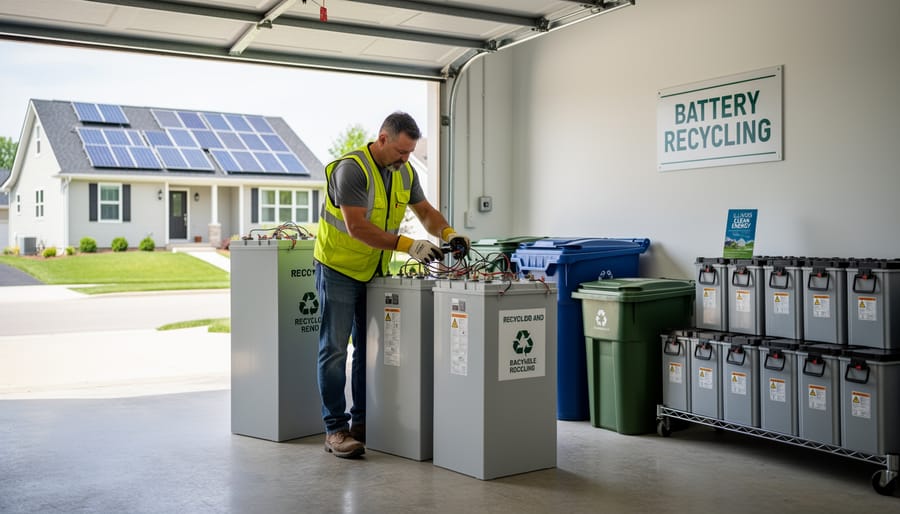
As battery storage systems become increasingly popular alongside Illinois solar installations, recycling these energy storage units presents new environmental considerations. Lithium-ion batteries, the most common type used in residential and commercial solar applications, contain valuable materials like lithium, cobalt, nickel, and manganese that can be recovered and reused.
The recycling process for battery storage systems differs from solar panel recycling but is equally important for maintaining sustainability. These batteries typically last between 10 to 15 years before requiring replacement. When they reach end-of-life, specialized facilities break down the battery packs, separate the materials, and process them for reuse in new batteries or other products.
Illinois homeowners and businesses using battery storage should plan ahead for responsible disposal. Many manufacturers offer take-back programs, and some locally owned solar companies provide guidance on proper recycling channels. The recovered materials reduce the need for new mining operations and decrease the environmental footprint of energy storage technology.
As energy storage adoption grows across Illinois, establishing efficient recycling infrastructure becomes critical. By choosing solar providers with expertise in complete system lifecycle management, you ensure your battery storage investment remains environmentally responsible from installation through retirement.
Inverters, Wiring, and Mounting Hardware
Beyond solar panels themselves, system components like inverters, wiring, and mounting hardware offer significant recycling value. Inverters contain copper, aluminum, and circuit boards with recoverable precious metals including gold and silver. These electronic components should never enter standard waste streams, as they qualify for specialized e-waste recycling programs throughout Illinois.
Aluminum mounting racks and rails are highly recyclable and retain substantial material value. Copper wiring, one of the most valuable recyclable materials in solar systems, can be processed through local metal recycling facilities. When decommissioning your solar system, separating these components ensures maximum material recovery and supports sustainable solar practices. Working with experienced solar professionals familiar with Illinois recycling infrastructure helps homeowners and businesses responsibly manage all system components, reducing landfill waste while recovering valuable resources for future manufacturing.
Planning Ahead: Making Recycling Part of Your Solar Investment
Questions to Ask Your Solar Installer
Before committing to a solar installation, it’s essential to have a conversation about what happens at the end of your system’s life. Ask your installer if they offer decommissioning services or have partnerships with certified recycling facilities in Illinois. Understanding their end-of-life plan demonstrates their commitment to sustainable practices beyond the sale.
Inquire about the estimated lifespan of your specific panels and components, along with any manufacturer take-back programs that might be available. Some manufacturers now offer recycling programs as part of their warranty packages.
Request information about projected recycling costs and whether the installer can help coordinate the process when the time comes. A locally owned company with long-term roots in Illinois is more likely to still be available decades from now when you need support.
Don’t hesitate to ask about their expertise in solar energy decommissioning and whether they stay current with evolving recycling technologies. Finally, clarify if they provide documentation or recommendations for proper end-of-life handling. These questions help ensure you’re partnering with a company that views solar as a complete lifecycle investment rather than just an installation project.
Choosing Recyclable and Sustainable Products
When selecting solar panels and equipment, making choices with end-of-life recycling in mind helps ensure your investment remains sustainable from purchase through disposal. Start by researching manufacturers who participate in recycling programs or have established take-back initiatives. Many reputable solar companies now commit to collecting their products after they reach the end of their 25-30 year lifespan, making future recycling significantly easier for you.
Look for manufacturers that publish transparency reports about their recycling rates and material recovery processes. These commitments demonstrate that the company takes responsibility for their products beyond the initial sale. Companies with certified recycling partnerships or memberships in organizations like the Solar Energy Industries Association often maintain higher environmental standards.
Consider purchasing equipment with standardized components, as these are typically easier to disassemble and recycle. Frameless or thin-film panels may present recycling challenges compared to traditional silicon panels with aluminum frames, which have well-established recovery processes.
As a locally owned business with expertise in solar energy, we help Illinois homeowners and business owners understand which products offer the best combination of performance and end-of-life sustainability. Don’t hesitate to ask your solar installer about manufacturer recycling programs and warranties that address equipment disposal, ensuring your clean energy investment supports environmental responsibility throughout its entire lifecycle.
Choosing solar energy represents more than just an immediate commitment to clean power—it’s an investment in a sustainable future that extends well beyond your panels’ active years. When you partner with a locally owned company that understands the complete lifecycle of solar technology, you’re ensuring that your environmental commitment doesn’t end when your system reaches retirement.
At Illinois Renewables, we’ve built our reputation on expertise in solar energy that encompasses every stage of your journey, from initial consultation through installation and ultimately to responsible end-of-life management. We recognize that true sustainability means thinking ahead about recycling and proper disposal, not treating it as an afterthought. Our commitment to environmentally responsible practices reflects the values of Illinois communities we serve.
The recycling infrastructure for solar panels continues to improve, with recovery rates for materials like glass, aluminum, and silicon reaching impressive levels. By planning now for responsible decommissioning decades in the future, you’re contributing to the circular economy that makes renewable energy genuinely renewable.
We encourage you to think long-term about your energy choices and understand that sustainable practices extend throughout your solar system’s entire lifespan. Whether you’re considering your first solar installation or planning for an aging system, our team is here to answer questions about the complete lifecycle of your investment. Contact Illinois Renewables today for a consultation that addresses not just your immediate energy needs, but your long-term commitment to environmental stewardship.
