
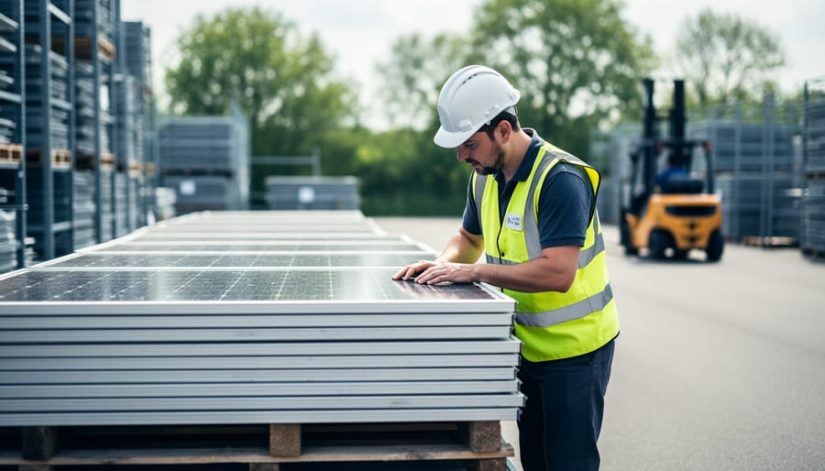
What Happens to Your Solar Panels After 25 Years?
Solar panels promise decades of clean energy, but what happens when they reach the end of their 25-30 year lifespan? For Illinois homeowners and businesses investing thousands of dollars in renewable energy systems, understanding the complete supply chain—from manufacturing through disposal—isn’t just an environmental concern. It’s a practical question that affects long-term costs, property values, and whether solar truly delivers on its sustainability promise.
The renewable energy supply chain faces a looming challenge: by 2050, experts predict millions of tons of solar panel waste globally, with Illinois contributing its share as early solar installations reach retirement age. Unlike traditional energy infrastructure, renewable systems create different end-of-life considerations. Panels contain valuable materials like silicon, silver, and aluminum that can be recovered, but they also include components requiring specialized handling. Currently, only a fraction of decommissioned panels get recycled, with most ending up in landfills—a contradiction to the clean energy mission that motivated their installation in the first place.
This gap between renewable energy’s promise and its current end-of-life reality matters for anyone considering solar investment today. The decisions you make now—choosing manufacturers with take-back programs, understanding warranty coverage for disposal, and planning for eventual decommissioning—directly impact both your financial return and environmental footprint decades from now.
As a locally owned Illinois solar provider, we believe responsible renewable energy means thinking beyond installation day. The supply chain doesn’t end when panels start generating power on your roof. It extends through their entire operational life and beyond, requiring careful planning that protects both your investment and our shared environment.
The Lifespan Reality: When Solar Panels Reach Their End
Solar panels are built to last, but they don’t operate at peak performance forever. Most manufacturers design panels with a 25 to 30-year lifespan in mind, which represents the period during which they’ll maintain sufficient efficiency for practical energy generation. However, it’s important to understand what end-of-life actually means in the solar context.
When we talk about panels reaching their end, we’re typically referring to degradation rather than complete failure. Solar panels don’t suddenly stop working after 25 years. Instead, they gradually produce less electricity over time. Industry standards suggest panels lose approximately 0.5% to 1% of their efficiency annually. By year 25, a panel might still generate 75% to 85% of its original output, which means it’s producing energy but at reduced levels that may no longer justify keeping it installed.
Complete panel failure is less common and usually results from physical damage, manufacturing defects, or severe weather events rather than simple age. Most panels will continue generating some electricity well beyond their rated lifespan, though at diminished capacity.
For Illinois, this timeline matters more than you might think. The state has experienced significant solar growth over the past decade, with installations accelerating particularly after 2016 when supportive policies expanded access to solar incentives. This means Illinois is now approaching a period where early installations will begin reaching retirement age. Within the next five to ten years, we’ll see a growing number of panels coming offline across residential and commercial properties throughout the state.
This approaching wave of retired panels presents both a challenge and an opportunity. Understanding what happens to these materials affects the true sustainability of solar energy. For homeowners and businesses considering solar now, planning for eventual panel retirement should be part of the decision-making process, ensuring your investment remains environmentally responsible from installation through disposal.
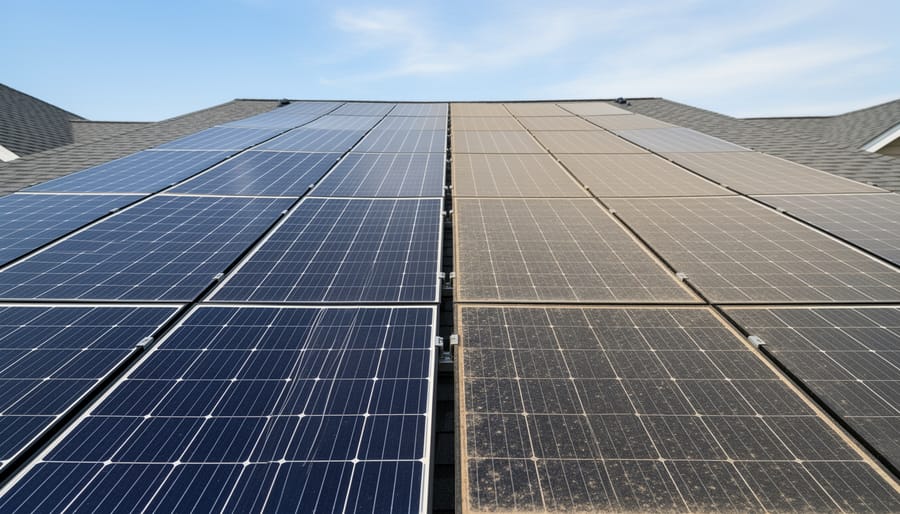
Inside Your Solar Panel: What Makes Recycling Complex
When you look at a solar panel on your roof, you see a sleek, sturdy component generating clean energy. But inside that frame is a surprisingly complex mix of materials that makes recycling far more challenging than tossing a glass bottle in your curbside bin.
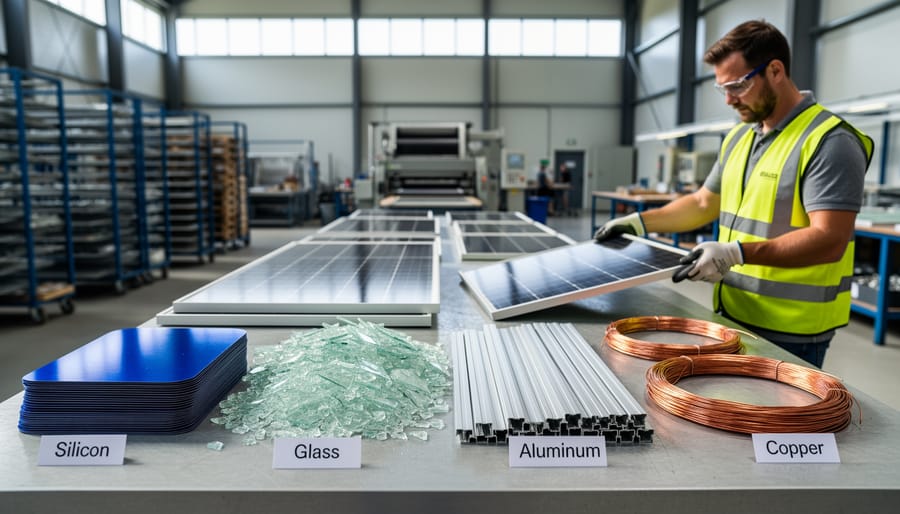
A typical solar panel consists of several layers working together. The most visible component is the protective glass sheet on top, which usually makes up about 75% of the panel’s weight. Beneath that sits the solar cells themselves, most commonly made from silicon wafers that convert sunlight into electricity. These cells are encased in a polymer layer, typically ethylene-vinyl acetate (EVA), which protects them from moisture and holds everything together. An aluminum frame surrounds the edges, while a plastic backsheet and a junction box with copper wiring complete the assembly.
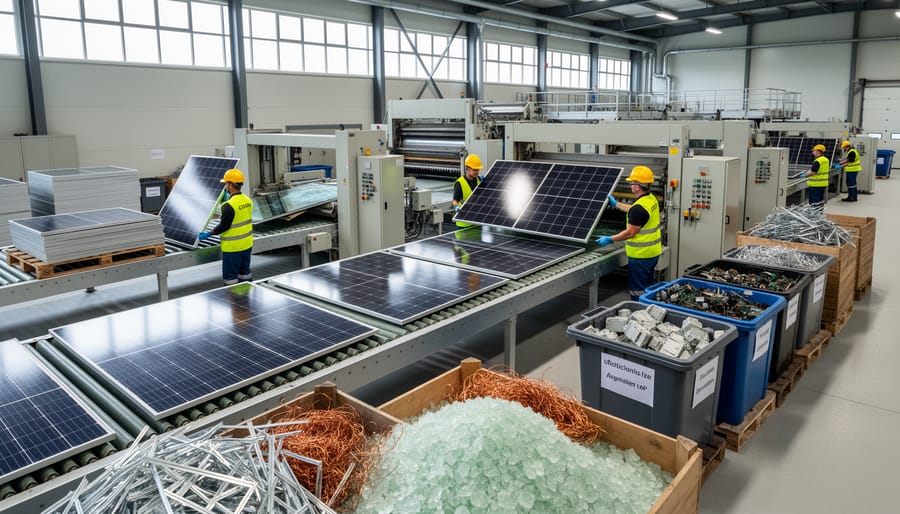
So why can’t these panels simply go to your local recycling facility? The answer lies in how tightly these materials are bonded together. The manufacturing process essentially laminate these layers into one solid unit, making separation difficult without specialized equipment. Regular recycling centers aren’t equipped to handle this complexity, and attempting to process solar panels alongside standard materials could damage their machinery or contaminate other recyclables.
The good news is that solar panels contain valuable materials worth recovering. Silicon, aluminum, copper, and silver can all be extracted and reused, potentially recovering up to 95% of a panel’s materials. This economic incentive is driving solar panel recycling innovations across the industry.
However, panels also contain materials requiring careful handling. Some older panels may include small amounts of lead in solder connections, while certain thin-film panels contain cadmium or other heavy metals. The EVA encapsulation material can release harmful fumes if improperly processed. This combination of valuable resources and potential hazards means that proper solar panel recycling requires specialized facilities with controlled processes to safely separate components, recover valuable materials, and properly dispose of any hazardous substances. For Illinois homeowners and businesses considering solar, understanding this complexity helps you appreciate the importance of working with installers who plan for responsible end-of-life management from the start.
The Current State of Solar Panel Recycling in Illinois
Illinois is making progress in solar panel recycling, though the state is still developing comprehensive programs compared to some neighboring regions. Currently, Illinois does not have specific state-level mandates requiring solar panel manufacturers to establish recycling programs, unlike states such as Washington and California. However, the growing adoption of solar energy across the state has sparked important conversations about responsible end-of-life solar management.
The Illinois Environmental Protection Agency recognizes solar panels as universal waste under federal guidelines, meaning they require special handling rather than being disposed of in standard landfills. This classification helps ensure that potentially hazardous materials like lead and cadmium are managed properly. However, homeowners and business owners currently have limited local recycling options. Most solar panel recycling in Illinois happens through specialized third-party providers who partner with national recycling facilities, as the state has few dedicated solar recycling centers.
Several Illinois waste management companies are beginning to offer solar panel collection services, though availability varies by region. Businesses in the Chicago metropolitan area typically have better access to these services than rural communities. Some solar installation companies, including locally owned providers with expertise in solar energy, are starting to incorporate take-back programs or partnerships with recycling facilities as part of their customer service offerings.
Illinois does benefit from its participation in broader Midwest sustainability initiatives and industry-led programs like the Solar Energy Industries Association’s national recycling network. The state’s commitment to renewable energy expansion, outlined in the Climate and Equitable Jobs Act, suggests that more formalized recycling infrastructure may develop as the first generation of solar installations approaches its end-of-life phase in the coming years.
For now, Illinois residents planning solar installations should ask potential installers about their recycling partnerships and end-of-life plans. Being proactive about understanding these options ensures your solar investment remains environmentally responsible throughout its entire lifecycle.
Your Options When Your Solar System Ages Out
Manufacturer Take-Back Programs
Many leading solar manufacturers now offer take-back programs to ensure responsible end-of-life management for their products. These programs typically cover solar panels, inverters, and sometimes mounting hardware, with manufacturers arranging pickup and recycling at no additional cost or for a nominal fee when the equipment reaches the end of its 25-30 year lifespan.
Major manufacturers like SunPower, Canadian Solar, and First Solar have established take-back initiatives, though program details and geographic coverage vary by company. Some manufacturers partner with specialized recycling facilities to recover valuable materials like silicon, silver, and aluminum, while others work through certified e-waste handlers who meet environmental standards.
When purchasing a new solar system, ask your installer about manufacturer take-back programs and request written documentation of what’s covered. Verify that the manufacturer participates in industry recycling initiatives and check if they’re registered with programs like the Solar Energy Industries Association’s national recycling network. Keep all warranty and program information with your system documentation, as you’ll need it decades later when disposal becomes necessary.
As a locally owned company with expertise in solar energy, we help Illinois homeowners and businesses select manufacturers committed to responsible lifecycle management, ensuring your investment supports true sustainability from installation through eventual recycling.
Specialized Recycling Services
When your solar panels reach the end of their 25-30 year lifespan, specialized recycling companies can recover up to 95% of the materials. These third-party providers extract valuable components including silicon cells, glass, aluminum frames, copper wiring, and silver contacts. Companies like We Recycle Solar and SOLARCYCLE operate facilities that process panels using advanced separation techniques, supporting circular supply chain models that minimize waste.
Recycling costs typically range from $15 to $45 per panel, depending on volume and location. Some companies offer bulk discounts for commercial installations, while transportation fees may apply for residential pickups. Illinois homeowners can arrange services by contacting recyclers directly through their websites or coordinating with your original solar installer, who may have established partnerships.
Many providers offer convenient pickup services for larger arrays, while smaller residential systems can sometimes be dropped off at designated collection events or facilities. Before scheduling, confirm the recycler is certified and follows environmental standards. Planning ahead for eventual recycling ensures your investment remains sustainable from installation through disposal.
Repurposing and Secondary Markets
Not all solar panels reaching the end of their warranty period need to be recycled immediately. Many panels experience gradual efficiency decline rather than complete failure, making them suitable for repurposing in less demanding applications. This secondary market approach extends the useful life of solar equipment while providing affordable options for specific use cases.
Panels operating at 70-85% of their original capacity remain valuable for off-grid applications where space isn’t constrained. Remote cabins, agricultural operations, and emergency backup systems can benefit from lower-cost panels that still generate meaningful power. These applications typically have lower energy demands and more flexibility in system sizing, making slightly degraded panels a practical choice.
Community organizations and international development projects often accept donated solar equipment. Panels that no longer meet the performance expectations of a commercial installation in Illinois can still provide reliable electricity in areas without grid access. This extends the environmental benefit of your original solar investment beyond your property.
A growing secondary market exists for used solar panels, with specialized dealers assessing, certifying, and reselling equipment. This market works best for panels with documented performance history and remaining functional life of 10-15 years. Before pursuing resale or donation, consult with your solar provider about testing services that can verify current output levels.
The key consideration is matching panel performance to application requirements. Understanding these repurposing options helps you make informed decisions about equipment replacement timing while supporting sustainable practices throughout the solar industry’s supply chain.
Planning Ahead: Questions to Ask Before You Install
Making an informed solar investment means looking beyond installation day to the complete lifecycle of your system. Before signing any contracts with installers or manufacturers, ask these essential questions to ensure you’re partnering with a responsible provider.
Start by asking about end-of-life management plans. Does the manufacturer participate in recycling programs? Will your installer help coordinate panel removal and disposal when the time comes? Understanding these details now prevents surprises decades later. Request information about warranty coverage, specifically whether it includes performance guarantees and what happens if panels need replacement before their expected lifespan ends.
Inquire about the total cost of ownership, not just the upfront price. Ask installers to provide estimates that include potential disposal or recycling fees in 25-30 years. While these costs seem distant, factoring them into your financial projections gives you a more accurate picture of your investment. Some manufacturers offer take-back programs or recycling partnerships that can reduce future expenses.
Don’t forget to ask about system components beyond the panels themselves. Inverters, mounting equipment, and solar energy storage systems all have different lifespans and disposal requirements. Understanding the full picture helps you plan maintenance budgets and replacement schedules.
Finally, ask whether your installer stays current with Illinois regulations regarding solar equipment disposal. A knowledgeable local partner will understand state-specific requirements and help you navigate future compliance needs. These conversations demonstrate an installer’s commitment to long-term customer relationships and environmental responsibility, both critical factors when choosing who will design and install your renewable energy system.

How Illinois Renewables Addresses End-of-Life Concerns
At Illinois Renewables, we believe responsible solar installation starts with thinking about the entire lifecycle of your system, including what happens 25 to 30 years down the road. When we design and install your solar panels, we plan for eventual decommissioning by using mounting systems and installation methods that make future removal straightforward and environmentally responsible.
We partner with solar manufacturers who participate in take-back programs and work with certified recyclers to ensure your panels don’t end up in landfills. Since solar panels are made of valuable materials like silicon, glass, and aluminum that can be recovered and reused, proper recycling makes environmental and economic sense. Our team stays current on Illinois recycling options and can connect you with appropriate facilities when the time comes.
During your initial consultation, we provide guidance on long-term planning, including realistic expectations for panel lifespan, performance degradation over time, and eventual replacement or decommissioning costs. This honest approach helps homeowners and businesses budget appropriately and make informed decisions from day one.
Our commitment to sustainability extends beyond installation. We prioritize supply chain transparency, working with manufacturers who demonstrate responsible sourcing and production practices. As a locally owned company, we’re invested in Illinois’s environmental future and take seriously our responsibility to ensure solar energy remains truly sustainable throughout its entire supply chain and lifecycle.
Investing in solar energy means thinking about more than just today’s electricity bills—it means considering the complete journey from manufacturing through installation to eventual recycling. By planning now for what happens in 25 or 30 years, you’re making a choice that’s truly sustainable, not just shifting the environmental burden down the road. The good news is that with proper planning, recycling programs, and responsible manufacturers, solar panels can deliver clean energy throughout their lifespan and find new purpose afterward.
Rather than waiting until millions of panels reach retirement age simultaneously, proactive end-of-life management ensures we’re ready with the infrastructure and processes needed. This forward-thinking approach is what separates genuinely sustainable energy from simply greener energy.
At Illinois Renewables, we’re a locally owned company that understands solar investments require looking at the complete picture. Our expertise in solar energy means we help Illinois homeowners and businesses plan installations with long-term sustainability in mind—from selecting quality components to understanding future options. Ready to explore solar solutions that consider the full lifecycle? Contact Illinois Renewables today to discuss how we can design a system that serves you responsibly for decades to come.
