
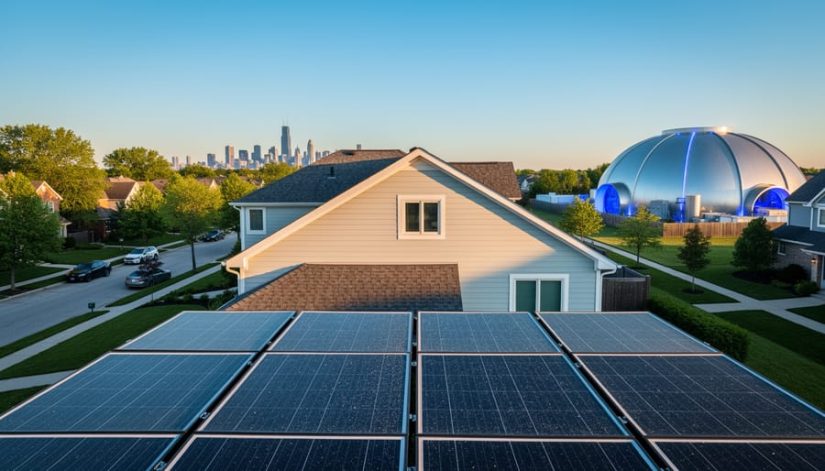
Why Nuclear Fusion Could Transform Energy (But Solar Powers Illinois Today)
The promise of unlimited, clean energy has captivated scientists for decades, and nuclear fusion stands at the frontier of this vision. Unlike conventional nuclear fission that powers today’s reactors by splitting atoms, fusion generates energy by combining them, mirroring the same process that fuels our sun. This fundamental difference means fusion produces minimal radioactive waste, eliminates meltdown risks, and relies on abundant fuel sources like hydrogen isotopes found in seawater.
For Illinois homeowners and businesses evaluating energy options today, understanding fusion’s timeline matters. While researchers have achieved groundbreaking milestones, including producing more energy than consumed in experimental reactors, commercial fusion power plants remain 15-30 years away from widespread deployment. This reality creates an important consideration: waiting for future technologies means missing current opportunities to reduce energy costs and environmental impact.
The sustainable energy landscape offers proven solutions available now. Solar technology has matured into a reliable, economically viable option for Illinois properties, delivering immediate returns on investment while contributing to cleaner energy grids. As a locally owned solar provider, we recognize that sustainable energy encompasses both revolutionary future technologies and practical present-day solutions. The question isn’t whether fusion will transform energy production eventually, but rather what actions you can take today to participate in the clean energy transition while fusion technology continues developing toward commercial viability. Understanding this broader context empowers informed decisions about your energy future.
What Makes Nuclear Fusion Different from Traditional Nuclear Power
The Science Behind Fusion Energy
Fusion energy works much like the sun, combining lightweight hydrogen atoms under extreme heat and pressure to create heavier helium atoms. This process releases tremendous amounts of clean energy without producing greenhouse gases or long-lived radioactive waste. Think of it as the opposite of traditional nuclear power plants, which split heavy atoms apart rather than fusing light ones together.
The fuel for fusion comes from hydrogen isotopes called deuterium and tritium. Deuterium occurs naturally in seawater, meaning we have an essentially limitless supply available right here on Earth. To put this in perspective, just one gallon of seawater contains enough deuterium to produce the energy equivalent of 300 gallons of gasoline.
The challenge lies in recreating the sun’s conditions here on Earth. Fusion requires temperatures exceeding 100 million degrees Celsius, hotter than the sun’s core. Scientists contain this superheated fuel using powerful magnetic fields since no physical material could withstand such extreme temperatures. While researchers have made remarkable progress, fusion power plants remain years away from commercial operation. In the meantime, proven renewable technologies like solar energy offer Illinois residents and businesses reliable, sustainable power solutions available today.
Safety and Environmental Benefits
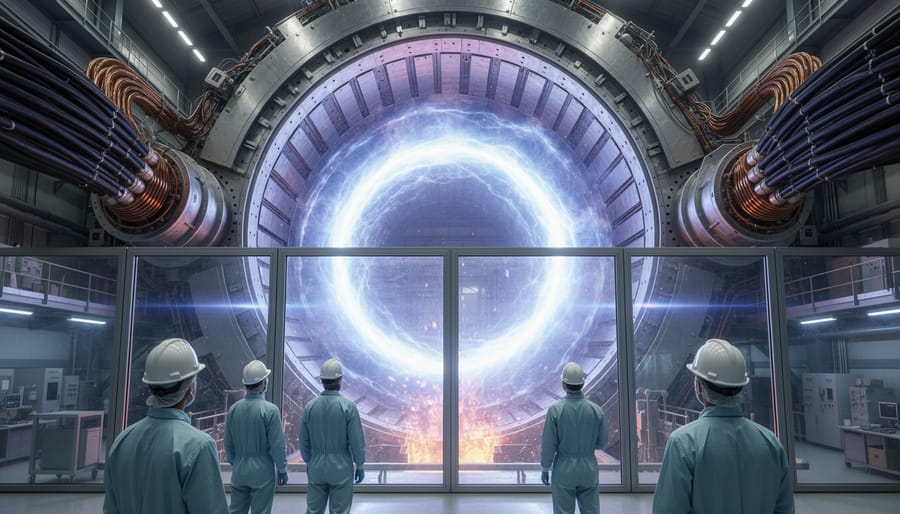
Fusion energy stands out for its remarkable safety profile compared to conventional nuclear fission. Unlike fission reactors, fusion reactions cannot experience meltdowns because the process requires precise conditions to sustain itself. If anything goes wrong, the reaction simply stops on its own within seconds. There’s no chain reaction to control, making fusion inherently self-limiting.
The environmental advantages are equally impressive. Fusion produces minimal radioactive waste compared to fission plants, and what waste does exist has a much shorter hazardous lifespan, typically becoming safe within decades rather than thousands of years. During operation, fusion reactors generate zero greenhouse gas emissions, addressing climate concerns without contributing to air pollution.
The fuel itself, primarily deuterium extracted from water and lithium, is abundant and doesn’t pose the security risks associated with enriched uranium or plutonium. While fusion technology remains in development stages, these safety and environmental benefits explain why researchers worldwide continue investing in this promising energy source. For Illinois residents and businesses seeking immediate sustainable energy solutions today, solar installations offer proven environmental benefits and energy independence while fusion technology advances toward commercial viability.
The Current State of Fusion Reactor Development
Recent Breakthroughs and What They Mean
In December 2022, scientists at the National Ignition Facility achieved something remarkable: they produced more energy from a fusion reaction than the lasers put into it. This milestone, called net energy gain, marked the first time humanity demonstrated that fusion could release more power than it consumed at the reaction level.
While this breakthrough is genuinely exciting, it’s important to understand what it means practically. The experiment required enormous amounts of energy to power the laser system itself, far exceeding what the fusion reaction produced. Think of it like using a gallon of gas to start a fire that produces half a gallon’s worth of heat—the fire itself might be efficient, but the whole system isn’t yet practical.
Researchers estimate that fusion power plants for everyday electricity generation remain at least 20 to 30 years away. Significant engineering challenges still exist, including developing materials that can withstand extreme temperatures, creating efficient energy capture systems, and scaling the technology to power-plant size.
For Illinois homeowners and businesses looking for sustainable energy solutions today, proven technologies like solar power offer immediate environmental and financial benefits. While fusion research continues progressing toward future possibilities, current renewable options provide reliable, cost-effective ways to reduce your carbon footprint right now.
Timeline to Commercial Viability
While fusion energy holds tremendous promise for the future, it’s important to set realistic expectations about when it might power your home or business. Most energy experts estimate that commercial fusion power plants are still 20 to 30 years away from widespread deployment, with some projections extending even further.
The recent breakthrough at the National Ignition Facility demonstrated that fusion can produce more energy than it consumes, which is a significant milestone. However, this experimental success occurred in a laboratory setting using lasers and extremely controlled conditions. Translating this into a practical power plant that can reliably generate electricity for the grid presents substantial engineering challenges.
Before fusion becomes commercially viable, scientists and engineers must solve several critical problems. These include developing materials that can withstand the extreme heat and radiation inside fusion reactors, creating systems that can sustain fusion reactions continuously rather than in brief pulses, and building facilities that can produce energy economically compared to other sources.
For Illinois homeowners and businesses looking to reduce their carbon footprint and energy costs today, proven renewable technologies like solar energy offer immediate, practical solutions. While we watch fusion research progress with excitement, solar power is already delivering clean, sustainable energy right now, with technology that’s tested, affordable, and ready to install.
Comparing Fusion to Today’s Renewable Energy Options
Solar Energy: Proven and Available Today
While fusion energy remains decades away from practical implementation, solar energy is proven, accessible, and delivering results for Illinois residents and businesses right now. The technology has matured significantly, with costs dropping over 70% in the past decade, making it an economically smart choice for those seeking energy independence today.
Across Illinois, homeowners and businesses are already benefiting from solar installations that generate clean electricity and reduce utility bills immediately. Unlike experimental fusion projects requiring billions in research funding, solar panels can be installed on your property within weeks, producing power from day one. The solar technology advances continue improving efficiency and affordability, ensuring systems deliver reliable performance even during Illinois winters.
Solar energy offers tangible benefits without the wait. Businesses reduce operating costs while demonstrating environmental leadership. Homeowners gain protection against rising electricity rates and contribute to cleaner air for their communities. The state’s net metering policies and federal tax incentives make solar financially attractive, with many systems paying for themselves within years.
As a locally owned solar provider, we’ve witnessed firsthand how Illinois properties thrive with solar energy. While fusion scientists work toward future breakthroughs, solar delivers sustainable energy solutions today, empowering you to take control of your energy needs now rather than waiting for technologies that may take decades to materialize.

Where Fusion Might Fit in the Future Energy Mix
Fusion energy represents an exciting possibility for the future, but it’s important to understand it won’t work alone. The most effective approach to sustainable energy involves combining multiple sources, each playing to its strengths. Think of it like a well-balanced team where different players contribute unique skills.
Solar and wind power excel at providing clean energy during peak production times, but they depend on weather conditions. Fusion, if successfully commercialized, could potentially provide steady base-load power that runs continuously, regardless of whether the sun is shining or wind is blowing. This combination creates resilience in our energy system.
For Illinois homeowners and businesses investing in solar today, this future diversity matters. Your solar panels will remain valuable assets, producing clean energy during daylight hours while other sources, whether fusion or conventional nuclear, could fill gaps during nighttime or low-production periods. Advanced energy storage solutions bridge these gaps even further, storing excess solar energy for later use.
Energy experts agree that relying on a single source creates vulnerability. A diversified portfolio including solar, wind, energy storage, and eventually fusion offers the most reliable path forward. While fusion development continues, proven renewable technologies like solar provide immediate benefits and remain essential components of any sustainable energy future, working alongside rather than competing with emerging technologies.
What Illinois Property Owners Should Consider Now
Making Sustainable Energy Choices Today
While fusion energy holds promise for the future, Illinois residents and businesses have proven sustainable energy solutions available right now. Solar technology has matured significantly, offering reliable, cost-effective renewable power that can start reducing your energy costs and carbon footprint today.
When evaluating current renewable options, Illinois presents several advantages for solar adoption. Despite our varied climate, Illinois receives sufficient sunlight to make solar installations highly productive. State incentives, including the Illinois Shines program and Adjustable Block Program, provide substantial financial support through rebates and Solar Renewable Energy Credits (SRECs). Additionally, favorable net metering policies allow you to receive credits for excess energy your system sends back to the grid.
Waiting for fusion or other emerging technologies means missing out on immediate benefits. Solar installations typically pay for themselves within 7-10 years, and modern panels last 25-30 years with minimal maintenance. By acting now, you gain decades of clean energy production, protection against rising utility rates, and increased property value. Our locally owned team understands Illinois-specific regulations and can help you navigate available incentives to maximize your investment in proven renewable technology.
Building Flexibility into Your Energy Strategy
Choosing solar energy today doesn’t lock you into outdated technology. Modern solar installations are designed with adaptability in mind, allowing homeowners and businesses in Illinois to benefit from current renewable solutions while remaining ready for future innovations.
Today’s solar systems typically come with 25-30 year warranties, but their modular design means you can upgrade components as technology advances. Inverters, batteries, and even panels can be replaced or enhanced without overhauling your entire system. This flexibility is particularly valuable as emerging solar technologies continue to improve efficiency and performance.
The infrastructure you install now serves as a foundation that grows with you. Your existing mounting systems, electrical connections, and monitoring equipment remain valuable assets even as you integrate new technologies. Many Illinois property owners start with solar panels and later add battery storage or expand their array capacity, demonstrating how renewable energy systems evolve alongside your needs.
Unlike waiting for fusion or other future technologies that may take decades to commercialize, solar provides immediate benefits while maintaining the flexibility to incorporate innovations as they become available. This approach delivers energy independence and cost savings now, while positioning you to take advantage of whatever comes next in sustainable energy.
Fusion energy represents an exciting frontier in sustainable power generation, with the potential to transform our energy landscape in the coming decades. While researchers continue making remarkable progress toward commercially viable fusion reactors, it’s important to recognize that this technology remains years, if not decades, away from widespread implementation. The challenges of achieving sustained fusion reactions, developing materials that can withstand extreme conditions, and scaling up to economically competitive levels are significant undertakings that require continued investment and innovation.
For Illinois residents and businesses seeking sustainable energy solutions today, the good news is that proven, cost-effective options already exist. Solar energy has matured into a reliable, accessible technology that delivers immediate environmental and financial benefits. With Illinois’ supportive renewable energy policies and advancing solar technology, homeowners and commercial enterprises can take meaningful action right now to reduce their carbon footprint and energy costs.
As a locally owned solar energy company, we understand the importance of balancing enthusiasm for future innovations with practical steps you can take today. While we remain optimistic about fusion’s potential contribution to our energy mix, we believe in empowering our community with solutions that work now. Solar installations provide tangible returns on investment, energy independence, and environmental stewardship without waiting for emerging technologies to mature. By embracing today’s renewable energy options while supporting research into tomorrow’s possibilities, Illinois can lead the way toward a truly sustainable energy future.
