

How Solar-Powered Transportation is Reshaping Illinois Travel
The transportation sector stands at the cusp of a remarkable transformation as industries across Illinois are revolutionizing their power systems with renewable energy solutions. Electric vehicles powered by solar and wind energy are rapidly replacing traditional fossil fuel-dependent transportation, offering a cleaner, more sustainable future for our communities. This shift extends beyond personal vehicles to encompass public transit systems, commercial fleets, and even emerging technologies like electric aircraft and autonomous vehicles.
The integration of renewable energy in transportation represents more than just an environmental choice—it’s becoming an economic imperative. With Illinois positioning itself as a leader in clean energy adoption, businesses and municipalities are discovering that renewable-powered transportation systems offer significant cost savings, improved operational efficiency, and enhanced energy security. From solar-powered charging stations at local businesses to wind-powered electric bus fleets, the state is witnessing a fundamental reimagining of how we move people and goods while reducing our carbon footprint.
This transformation provides Illinois residents and businesses with unprecedented opportunities to participate in and benefit from the clean transportation revolution, while contributing to a more sustainable future for generations to come.
The Solar Revolution in Transportation
Solar-Electric Vehicles
Solar-electric vehicles are gaining momentum across Illinois, combining two sustainable technologies to revolutionize transportation. Several Illinois municipalities have installed solar charging stations in public parking lots and community centers, making it easier for EV owners to charge their vehicles using clean energy. These stations typically feature overhead solar panels that generate electricity throughout the day, storing it in battery systems for consistent charging availability.
Major cities like Chicago and Springfield are leading the way with solar-powered charging infrastructure at train stations and park-and-ride facilities. These installations help reduce the grid load during peak hours while providing EV owners with renewable charging options. Some Illinois businesses have also embraced this technology, installing workplace charging stations powered by rooftop solar arrays.
The integration of solar charging with EVs offers multiple benefits for Illinois residents. It reduces charging costs, provides energy independence, and helps stabilize the local power grid. Additionally, several state incentives support the installation of solar charging infrastructure, making it an attractive option for both commercial and residential applications. As battery technology continues to improve and solar panel efficiency increases, solar-electric vehicles are becoming an increasingly practical solution for sustainable transportation in Illinois.

Solar-Powered Public Transit
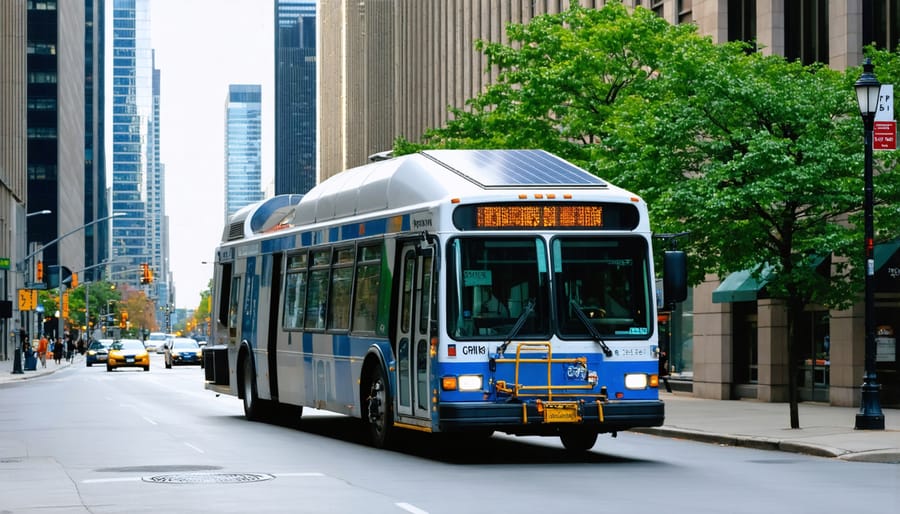
Solar power is revolutionizing public transit across Illinois and beyond, making transportation cleaner and more sustainable. Cities are increasingly integrating solar panels into bus shelters and train stations, providing renewable energy for lighting, digital displays, and ticket machines. Several transit authorities have introduced solar-powered buses featuring rooftop panels that help power air conditioning and internal electrical systems, reducing fuel consumption and emissions.
In Chicago, the CTA has piloted solar-powered bus stops that offer real-time arrival information and USB charging stations for waiting passengers. These installations demonstrate how solar technology can enhance both sustainability and passenger comfort. Meanwhile, some commuter rail stations have incorporated large-scale solar canopies over parking areas, generating power for station operations while providing covered parking for vehicles.
The movement toward solar-powered transit extends to maintenance facilities, where solar arrays help offset the energy needed for vehicle charging and operational requirements. This integration of solar power into public transportation infrastructure not only reduces operating costs but also demonstrates the practical applications of renewable energy in everyday transit operations, making Illinois communities more resilient and environmentally responsible.
Infrastructure Development
Charging Networks
Illinois is rapidly expanding its network of solar-powered charging stations, transforming the state’s transportation infrastructure as part of broader smart city initiatives. These innovative charging networks combine solar panels with energy storage systems to provide clean, reliable power for electric vehicles throughout the state.
Major metropolitan areas like Chicago, Springfield, and Rockford are leading the way with strategically placed solar charging stations in parking lots, shopping centers, and transportation hubs. These stations typically feature canopy-mounted solar panels that provide both shelter and renewable energy generation, with many locations offering Level 2 and DC fast-charging capabilities.
The Illinois Department of Transportation has partnered with local utilities and solar developers to establish charging corridors along major highways, ensuring EV drivers can travel confidently across the state. These solar-powered stations are typically spaced 25-50 miles apart and include smart monitoring systems that help drivers locate available charging spots through mobile apps.
Rural communities are also benefiting from this infrastructure expansion, with many agricultural centers and small towns installing solar charging stations to support local EV adoption and promote sustainable transportation options. These installations often serve as community gathering points and demonstrate the practical applications of renewable energy in everyday life.
Energy Storage Solutions
Energy storage solutions play a crucial role in making renewable transportation systems reliable and efficient. Modern battery technology has evolved significantly, with lithium-ion batteries leading the charge in electric vehicles and public transit systems. These advanced batteries offer longer ranges, faster charging times, and improved durability compared to earlier generations.
Grid integration is another vital component of renewable transportation infrastructure. Smart charging stations throughout Illinois are being equipped with energy storage systems that help balance grid load and store excess renewable energy for later use. This setup allows vehicles to charge during off-peak hours and even feed energy back to the grid when needed, creating a more resilient and flexible power network.
For fleet operators and transit authorities, large-scale battery storage facilities are becoming increasingly common. These installations help manage energy costs by storing solar and wind power when it’s abundant and providing it during peak demand periods. Some facilities in Illinois are already using this approach, combining solar canopies over parking areas with battery storage systems to power their electric vehicle fleets.
Emerging technologies like solid-state batteries and hydrogen fuel cells are also showing promise for transportation applications. These innovations offer potential advantages in terms of safety, charging speed, and energy density, though they’re still in various stages of development and implementation.
Benefits for Illinois Communities
Environmental Impact
The shift toward renewable energy in transportation brings significant environmental benefits, particularly in reducing greenhouse gas emissions. When vehicles powered by renewable energy sources replace traditional fossil fuel-powered vehicles, they eliminate tailpipe emissions, leading to cleaner air in our communities. In Illinois, where transportation accounts for nearly 30% of total emissions, this transition could dramatically improve air quality, especially in urban areas like Chicago and Springfield.
Electric vehicles powered by solar and wind energy produce zero direct emissions during operation, helping to reduce both carbon dioxide and harmful particulate matter. Studies show that widespread adoption of renewable-powered transportation could reduce transportation-related emissions by up to 90% compared to conventional vehicles. This improvement in air quality has direct health benefits, including reduced rates of respiratory illness and cardiovascular disease.
Beyond air quality, renewable transportation systems help decrease noise pollution in urban areas, as electric vehicles operate more quietly than traditional engines. They also reduce the environmental risks associated with oil spills and fuel leaks, protecting our soil and water resources for future generations.
Economic Advantages
The transition to renewable energy in transportation creates significant economic opportunities for Illinois communities. Studies show that investments in clean transportation infrastructure generate up to three times more jobs compared to traditional fossil fuel projects. Local communities benefit from new positions in manufacturing, installation, and maintenance of electric vehicle charging stations, solar panels, and related infrastructure.
Beyond job creation, clean energy cost savings are substantial for both individuals and municipalities. Fleet operators who switch to electric vehicles typically see a 40-50% reduction in fuel and maintenance costs. Public transit systems powered by renewable energy help stabilize operating expenses, allowing agencies to maintain affordable fares while reducing dependence on volatile fuel markets.
Local businesses also benefit from increased foot traffic around charging stations and reduced operating costs when they implement renewable energy solutions. Additionally, communities that embrace renewable transportation infrastructure often see increased property values and become more attractive to new businesses and residents, creating a positive cycle of economic growth.
Implementation Strategies
Planning and Assessment
Implementing renewable energy in transportation requires careful planning and thorough assessment of current needs and future goals. Start by evaluating your existing transportation infrastructure and energy consumption patterns. This includes analyzing vehicle fleets, fuel costs, and maintenance requirements.
Create a detailed inventory of vehicles that could be converted to renewable energy sources, considering factors like daily mileage, charging accessibility, and operational demands. For businesses, this might mean examining delivery routes and scheduling patterns. For municipalities, it involves assessing public transit systems and service coverage areas.
Conduct a cost-benefit analysis that includes both immediate expenses and long-term savings. Consider factors such as initial investment in vehicles or charging infrastructure, maintenance costs, fuel savings, and available incentives or tax credits in Illinois. Many local utilities offer special rates for electric vehicle charging, which should factor into your calculations.
Set realistic implementation timelines and establish measurable goals. This might include targets for reducing fossil fuel consumption, decreasing carbon emissions, or converting specific percentages of your fleet to renewable energy sources. Remember to account for training needs, infrastructure development time, and potential service disruptions during the transition.
Finally, develop a monitoring system to track progress and adjust plans as needed. Regular assessments help ensure your renewable transportation initiatives remain effective and aligned with your sustainability goals.
Funding and Resources
Illinois offers numerous financial incentives and support programs to encourage the adoption of renewable energy in transportation. The Illinois Environmental Protection Agency (IEPA) provides substantial grants and rebates for electric vehicle purchases and charging infrastructure development. Business owners can access the Alternative Fuel Infrastructure Tax Credit, which covers up to 30% of the cost for installing EV charging stations or renewable fuel facilities.
The state’s Drive Clean Illinois program offers vouchers for commercial fleet operators transitioning to alternative fuel vehicles, including those powered by electricity, hydrogen, and biofuels. Additionally, community solar project grants help organizations develop renewable energy infrastructure that can support transportation initiatives.
Local utilities also participate through various incentive programs. ComEd’s EV Infrastructure Program provides funding for public charging stations, while Ameren Illinois offers special rate plans for EV owners. The Illinois Clean Energy Community Foundation regularly issues grants for innovative transportation projects that incorporate renewable energy solutions.
For municipalities and public agencies, the Illinois Department of Transportation (IDOT) maintains several funding programs specifically designed to support sustainable transportation infrastructure. These include the Congestion Mitigation and Air Quality Improvement (CMAQ) Program and the Transportation Enhancement Program, both of which prioritize projects that reduce emissions and promote clean energy alternatives.
As Illinois continues to embrace renewable energy in transportation, the future looks increasingly promising. Our state is uniquely positioned to become a leader in sustainable transportation, thanks to robust infrastructure development, supportive policies, and growing public awareness. The combination of expanding electric vehicle charging networks, innovative public transit solutions, and emerging technologies like hydrogen fuel cells creates a solid foundation for a cleaner transportation future.
The transition to renewable transportation isn’t just an environmental imperative; it’s becoming an economic necessity. Illinois businesses and residents are already seeing the benefits through reduced operating costs, improved air quality, and new job opportunities in the green energy sector. As battery technology advances and renewable energy becomes more affordable, we can expect to see even greater adoption across all transportation sectors.
Looking ahead, Illinois’s commitment to renewable transportation will likely accelerate through continued investment in charging infrastructure, expansion of clean public transit options, and increased incentives for electric vehicle adoption. The integration of smart grid technology and renewable energy storage solutions will further enhance the reliability and efficiency of our transportation network.
For Illinois residents and businesses, this transformation presents numerous opportunities to participate in and benefit from the renewable transportation revolution. Whether through electric vehicle ownership, sustainable fleet management, or support for clean public transit initiatives, everyone has a role to play in driving our state toward a more sustainable transportation future.
