

Solar Generators vs Solar Panels: Which Power Solution Makes Sense for Your Illinois Property?
Choose between solar generators and traditional solar panels based on your specific power needs, mobility requirements, and available space in Illinois. Solar generators offer portable, ready-to-use power solutions that integrate storage and conversion components into one unit, while traditional solar panel systems provide long-term, fixed installations for maximum energy production and cost savings over time.
As Illinois homeowners increasingly seek energy independence, understanding these distinct solar solutions becomes crucial. Solar generators excel in emergency backup power, camping, and temporary installations, providing quick deployment without professional installation. In contrast, permanent solar panel systems deliver robust home power generation, significant utility bill reduction, and potential energy credits through Illinois’ net metering program.
Both technologies harness the same sun-to-electricity conversion principles, but their applications and benefits differ substantially. Solar generators typically cost less upfront but offer limited power capacity, while traditional solar panels require larger initial investments yet provide decades of reliable, high-capacity energy production. For Illinois residents navigating frequent weather-related power outages or seeking sustainable energy solutions, this comparison will help determine the most suitable solar investment for their specific situation.
Understanding Solar Generators and Solar Panels
What is a Solar Generator?
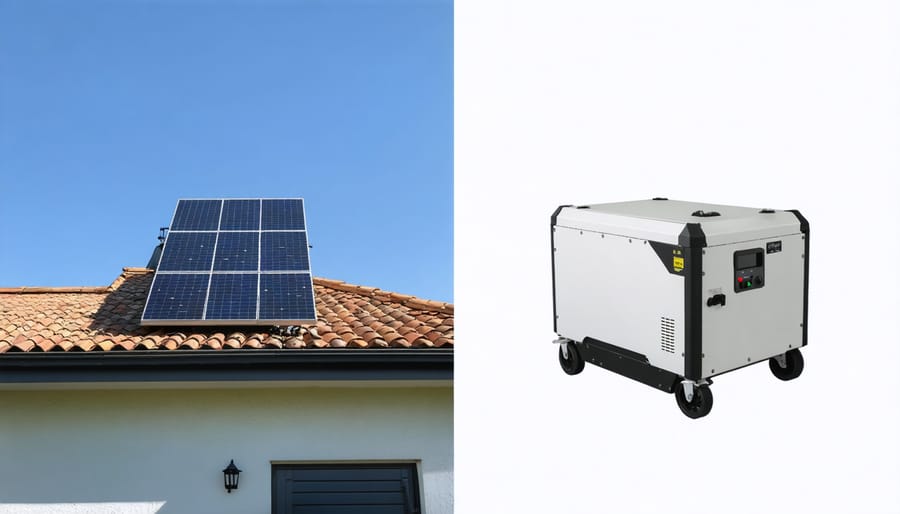
A solar generator is a portable power system that combines several components to capture, store, and distribute solar energy. At its core, you’ll find solar panels that convert sunlight into electricity, a battery bank for energy storage, and an inverter that transforms stored DC power into usable AC power for your devices and appliances.
Think of it as a complete solar power station in a compact package. Unlike traditional generators, solar generators operate silently and produce no emissions, making them perfect for both emergency backup power and outdoor activities. They’re particularly valuable during power outages in Illinois, where severe weather can disrupt the electrical grid.
Most solar generators available today feature multiple outlet types, including standard AC outlets, USB ports, and 12V DC ports. Their capacity typically ranges from 500 to 3000 watt-hours, suitable for powering everything from smartphones and laptops to refrigerators and power tools. While they can’t match the continuous output of whole-house solar systems, their portability and zero maintenance requirements make them an excellent solution for temporary power needs or small-scale applications.
Traditional Solar Panel Systems
Traditional solar panel systems come in two main configurations: grid-tied and off-grid installations. Grid-tied systems, the most common choice for Illinois homeowners, connect directly to the utility grid and can both draw and feed power back to the electrical network. These systems typically include solar panels, inverters, mounting equipment, and a bi-directional meter.
Off-grid systems, designed for complete energy independence, require additional components like battery banks and charge controllers to store and manage power. While the latest solar panel technology has made these systems more efficient, they still need careful planning to ensure sufficient energy storage for nights and cloudy days.
Both types require professional installation and must meet local building codes and utility requirements. A typical installation includes site assessment, structural evaluation, electrical work, and permitting. While the upfront investment is higher than portable solutions, traditional solar panels offer greater power generation capacity and long-term energy savings. Most systems are designed to last 25-30 years with minimal maintenance, making them an excellent choice for permanent structures with consistent energy needs.
Key Differences and Performance Comparison
Power Output and Capacity
Solar panels and solar generators differ significantly in their power output capabilities and storage capacity. Traditional solar panels typically generate more power during peak sunlight hours, with residential systems in Illinois averaging 5-10 kilowatts (kW) of capacity. These systems can produce enough electricity to power an entire home when properly sized and connected to appropriate energy storage solutions.
Solar generators, on the other hand, offer more modest power output, usually ranging from 150 watts to 2,000 watts, depending on the model. While this is sufficient for charging devices and running small appliances, it may not meet the demands of a whole household. However, solar generators include built-in battery storage, allowing for immediate power access even when the sun isn’t shining.
The storage capacity of solar generators typically ranges from 500Wh to 2,000Wh, suitable for emergency backup or portable power needs. Traditional solar panel systems can be paired with larger battery banks, offering storage capacities of 10kWh or more, providing extended backup power during outages.
For Illinois homeowners, considering seasonal variations in sunlight is crucial when sizing either system. Solar panels with grid connection offer the advantage of net metering, while solar generators provide flexibility and portable power solutions during emergencies or outdoor activities.
Installation and Mobility
When it comes to installation and mobility, solar generators and traditional solar panels offer distinctly different experiences. Solar generators are designed for plug-and-play functionality, requiring minimal setup. Most models come ready to use right out of the box – simply charge the unit, connect your devices, and you’re ready to go. This ease of installation makes them particularly attractive for Illinois residents who want a backup power solution without complex installation procedures.
In contrast, traditional solar panels require professional installation and are considered permanent fixtures. The process involves mounting hardware, electrical wiring, and often requires local permits and inspections. While this might seem more complicated, it’s a one-time process that provides long-term benefits for your property.
Mobility is where solar generators truly shine. Their portable nature makes them ideal for camping trips to Illinois state parks, outdoor events, or emergency situations where power needs to be relocated quickly. Most solar generators are designed with built-in handles and wheels, weighing between 30-100 pounds depending on capacity.
Solar panels, once installed, are fixed in place. While this limits their mobility, it ensures optimal positioning for maximum sun exposure and weather resistance. Some newer solar panel models offer semi-portable options, but these are typically less efficient than permanently installed systems and more cumbersome than dedicated solar generators.
For Illinois homeowners who frequently experience power outages or need portable power solutions, the mobility factor of solar generators might be particularly appealing. However, those seeking a long-term, fixed energy solution for their property will find traditional solar panels more suitable despite the more complex installation process.
Cost Analysis
When comparing solar generators and solar panels, understanding the financial implications is crucial for making an informed decision. Solar generators typically require a lower initial investment, ranging from $1,000 to $5,000 depending on capacity, while a complete solar panel system for an Illinois home can cost between $15,000 and $25,000 before incentives.
However, solar panels offer significant long-term cost savings through reduced electricity bills and potential income from net metering programs. The average Illinois homeowner can save $30,000 to $50,000 over 25 years with solar panels, while solar generators primarily serve as backup power solutions with limited financial returns.
Maintenance costs also differ substantially. Solar generators require battery replacement every 5-7 years, costing $500-$1,500 per replacement. Solar panels, however, need minimal maintenance beyond occasional cleaning and inspection, with most components lasting 25-30 years. The inverter might need replacement after 10-15 years, costing approximately $2,000-$3,000.
When factoring in Illinois solar incentives, including the federal tax credit and state rebates, the initial investment for solar panels becomes more manageable. These incentives typically don’t apply to portable solar generators, making the cost-benefit analysis particularly favorable for permanent solar panel installations in Illinois homes and businesses.
Making the Right Choice for Your Illinois Property
Best Uses for Solar Generators
Solar generators excel in specific scenarios where their portability and versatility offer distinct advantages. For homeowners in Illinois, these units prove invaluable during power outages, especially during severe weather events when grid power may be unavailable for extended periods. Their plug-and-play nature makes them perfect for emergency backup power to keep essential appliances running.
Outdoor enthusiasts find solar generators ideal for camping trips and RV adventures, providing clean, quiet power without the noise and fumes of traditional gas generators. They’re particularly useful for powering small appliances, charging devices, and running LED lights at campsites throughout Illinois’ state parks.
For construction sites and temporary work locations, solar generators offer a reliable power source where grid connection isn’t available or practical. Small businesses can use them for outdoor events, food trucks, or temporary retail setups, ensuring consistent power without depending on venue electrical connections.
Remote properties and agricultural applications benefit from solar generators for powering irrigation systems, security cameras, or equipment in locations far from power lines. They’re also excellent for powering tools and equipment during home renovation projects where permanent electrical connections aren’t yet established.
These portable power stations are particularly valuable for medical equipment backup, ensuring critical devices remain operational during emergencies. Their zero-emission operation makes them safe for both indoor and outdoor use, providing peace of mind when reliable power is essential.
When to Choose Solar Panels
Traditional solar panels are the optimal choice when you’re looking for a long-term, high-capacity solar energy solution. They excel in situations where you have a fixed location, such as a home or business, and adequate roof or ground space for installation. In Illinois, where we experience varying seasonal conditions, permanent solar installations can be strategically positioned to maximize sun exposure throughout the year.
These systems are particularly cost-effective for properties with high energy consumption, as they typically provide a better return on investment over time compared to portable solutions. The initial installation cost may be higher, but the energy savings and potential tax incentives make them financially advantageous for long-term use.
Solar panels are also ideal for businesses looking to reduce their carbon footprint and operating costs. With Illinois’s net metering programs, excess energy generated during peak sunlight hours can be fed back into the grid, potentially earning credits on your utility bill.
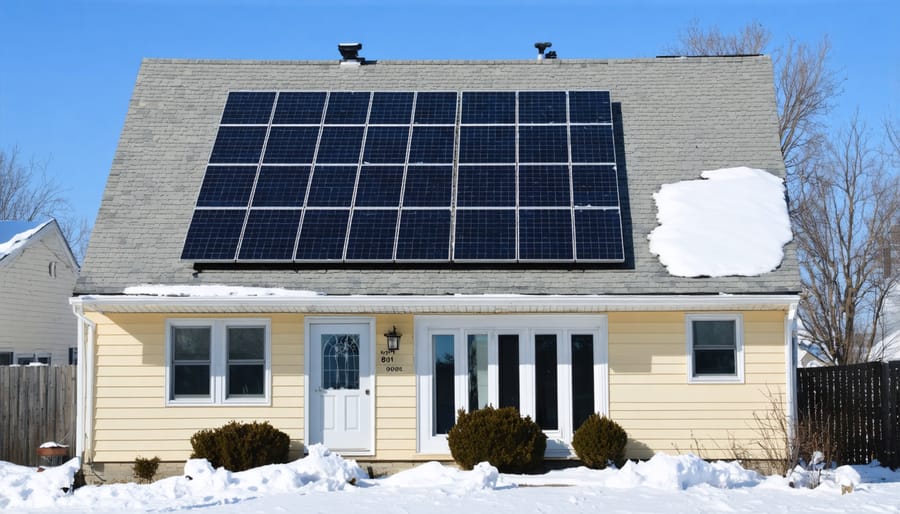
For homeowners planning to stay in their current residence for five years or more, traditional solar panels offer the most value. They increase property value and provide reliable power generation for decades with minimal maintenance. Additionally, modern solar panels are designed to withstand Illinois weather conditions, including snow loads and strong winds, making them a durable investment for your property.
Illinois-Specific Considerations
When choosing between solar generators and traditional solar panels in Illinois, several local factors come into play. The state’s climate presents unique challenges and opportunities for both solutions. Illinois experiences distinct seasonal variations, with hot summers and cold winters, affecting solar energy production throughout the year.
Recent data shows that Illinois solar installations have increased significantly, partly due to favorable state policies and incentives. The Illinois Shines program offers substantial rebates for solar panel installations, while portable solar generators may not qualify for these benefits. However, generators provide backup power during the state’s occasional severe weather events, including winter storms and summer thunderstorms.
Local regulations also influence your decision. Illinois has specific building codes and permit requirements for permanent solar panel installations, which don’t apply to portable solar generators. Many municipalities require professional installation and inspection of fixed solar systems, adding to initial costs but ensuring long-term safety and reliability.
The state’s net metering policy allows homeowners with traditional solar panels to earn credits for excess energy production, a benefit not available with solar generators. Additionally, Illinois’s Smart Solar Program provides performance-based incentives for grid-connected systems, making traditional solar panels more financially attractive for long-term investment.
Property tax considerations differ between the two options. Fixed solar panel installations may increase property value and qualify for the state’s special assessment for solar energy systems, while portable generators are considered personal property without tax implications.
Climate resilience is another crucial factor. While Illinois receives adequate sunlight for both solutions, fixed panels typically offer better performance during winter months due to their optimized installation angles. Solar generators, however, can be relocated indoors during extreme weather events, offering flexibility that permanent installations can’t match.
Choosing between solar generators and solar panels ultimately depends on your specific energy needs, budget, and lifestyle in Illinois. Solar panels offer a permanent, high-capacity solution that can significantly reduce or eliminate your monthly electricity bills while increasing your property value. They’re ideal for homeowners and businesses looking for long-term energy independence and maximum return on investment.
On the other hand, solar generators provide portable, versatile power solutions that can serve as reliable backup systems or power sources for outdoor activities. They’re perfect for those who need flexibility or aren’t ready to commit to a permanent installation.
For Illinois residents, it’s important to consider our state’s varying weather conditions, available solar incentives, and your property’s solar potential. Solar panels can harness our state’s average of 198 sunny days per year, while solar generators offer peace of mind during power outages caused by severe weather.
Remember that these options aren’t mutually exclusive. Many Illinois homeowners combine both systems, using solar panels for daily power needs while keeping a solar generator for emergencies or outdoor use. We encourage you to assess your energy consumption patterns, available space, and long-term goals before making a decision.
Whether you choose solar panels, a solar generator, or both, you’re taking a positive step toward energy independence and environmental sustainability. Consider consulting with local solar experts who understand Illinois’s unique energy landscape to create the perfect solar solution for your needs.
