

How Customer Engagement Scores Help Solar Companies Predict (and Prevent) Lost Sales
Track every interaction your potential solar customers make with your business—from website visits and email opens to consultation requests and quote downloads—then assign point values to each action based on its importance. A homeowner who downloads your solar savings calculator and attends a webinar signals stronger buying intent than someone who merely reads a blog post, and quantifying these behaviors creates your customer engagement score.
Calculate engagement scores by weighing recent activities more heavily than older ones, since a business owner who requested a commercial solar quote yesterday is far more likely to convert than one who did so six months ago. Solar sales cycles in Illinois typically span 3-6 months, making this scoring system essential for identifying which prospects need immediate attention and which require continued nurturing through educational content about federal tax credits, state incentives, and local installation timelines.
Set threshold scores that trigger specific actions: prospects scoring 70-100 points warrant a direct phone call from your sales team, those between 40-69 receive targeted email campaigns about financing options, and contacts below 40 get general educational newsletters. This systematic approach prevents your locally owned solar company from overlooking warm leads while avoiding premature pressure on people still researching their options.
Engagement scoring transforms guesswork into data-driven decisions, enabling you to build deep customer connections by reaching out at precisely the right moment with relevant information. The result is shorter sales cycles, higher conversion rates, and customers who feel understood rather than pestered throughout their solar journey.
What Is a Customer Engagement Score?

How Engagement Scores Differ from Traditional Lead Scoring
Traditional lead scoring focuses primarily on qualifying prospects at the initial contact point—assigning values based on demographics, company size, or initial interest signals. Once a lead converts to a customer, many businesses stop tracking altogether. This approach works for quick sales cycles, but it falls short for solar energy projects, which often span months from first inquiry to installation completion.
Customer engagement scoring takes a fundamentally different approach. Rather than ending after the first conversion, it continuously monitors how customers interact with your business throughout the entire relationship. For solar companies serving Illinois homeowners and businesses, this means tracking engagement from the research phase through system design, permitting, installation, and even post-installation support.
The key distinction lies in longevity and purpose. Lead scoring asks “Is this person ready to buy?” while engagement scoring asks “How interested and involved is this customer right now?” This ongoing measurement connects directly to customer journey mapping, allowing you to identify exactly where customers are in their solar journey.
For a locally owned solar company, engagement scoring reveals when customers need additional information about Illinois-specific incentives, when they’re comparing proposals, or when they might have concerns during installation. This insight enables timely, helpful communication rather than generic follow-ups. Unlike lead scoring’s one-time snapshot, engagement scoring provides a dynamic view of customer interest, helping you nurture relationships that extend well beyond the initial sale.
Why Proactive Customer Engagement Matters in Solar Energy
The Cost of Disengaged Customers
When customers lose interest halfway through the solar installation process, the impact on your business goes far beyond a simple lost sale. Consider the typical journey: a homeowner contacts you about going solar, your team invests hours conducting a site assessment, creating customized system designs, and explaining financing options. Then communication stops. They don’t return calls, and the proposal sits unanswered in their inbox.
This scenario happens more often than you might think in the solar industry. The time your consultants spent analyzing that property, calculating energy offsets, and preparing detailed proposals represents real costs—typically several hundred dollars in labor alone. When multiple customers disengage at various stages, these costs accumulate quickly.
The revenue loss extends beyond the immediate sale. A typical residential solar installation in Illinois represents $15,000 to $30,000 in revenue. More significantly, disengaged customers often pursue solar later with competitors, meaning you’ve essentially paid to educate your competition’s future customer. They’ve learned about solar technology, incentives, and system requirements through your efforts.
Re-engagement becomes increasingly difficult as time passes. Customers who’ve gone silent for months may feel awkward reconnecting, even if their interest returns. They might assume pricing has changed or that you’ve moved on to other clients. Without a systematic way to identify when engagement drops, your team wastes additional effort on poorly-timed follow-ups that feel pushy rather than helpful, further damaging the relationship.
What Actions Actually Measure Customer Engagement in Solar?
High-Value Engagement Signals
Not all customer interactions carry equal weight when predicting a purchase decision. Certain actions signal genuine interest and warrant immediate follow-up from your team. When customers request detailed project proposals or ask for customized system designs for their property, they’ve moved beyond casual browsing into serious consideration.
Questions about Illinois-specific solar incentives demonstrate research and intent. Customers who inquire about the state’s Adjustable Block Program, property tax exemptions, or Solar Renewable Energy Credit (SREC) programs are actively calculating their return on investment. These conversations indicate they’re comparing options and getting closer to making a decision.
Scheduling a roof assessment or site evaluation represents one of the strongest engagement signals. This action requires commitment of time and shows the customer is ready to explore feasibility. Similarly, inquiries about financing options, payment plans, or loan programs reveal they’re working through the practical aspects of affordability.
Other high-value signals include downloading detailed resources like system specifications, requesting references from previous installations, or asking about warranty terms and maintenance requirements. As a locally owned solar company with deep Illinois expertise, recognizing these engagement signals allows you to prioritize leads effectively and provide timely, personalized guidance when customers need it most.

Warning Signs of Declining Engagement
Understanding when a customer is losing interest helps your team take action before the opportunity disappears entirely. Several clear patterns signal declining engagement that deserve immediate attention.
One of the most obvious red flags is communication silence. When customers who previously responded to your emails within a day or two suddenly stop replying altogether, it indicates their priorities may have shifted. Similarly, if someone was regularly visiting your website to review solar panel options or check your financing calculator but hasn’t logged on in several weeks, their initial enthusiasm may be cooling.
Behavioral changes also reveal declining interest. Customers who postpone or cancel scheduled site assessments without rescheduling are often experiencing hesitation or competing priorities. When homeowners or business owners receive a detailed quote but fail to follow up with questions or next steps within a reasonable timeframe, they’ve likely encountered obstacles—whether financial concerns, confusion about the process, or competitive offers.
Another warning sign is decreased interaction with educational content. If someone was downloading guides about Illinois solar incentives or watching installation videos but has suddenly stopped engaging with these resources, their research phase may have stalled. Recognizing these patterns early allows your locally owned team to reach out with targeted support, address concerns, and reignite the conversation before the customer moves on completely.
Building Your Customer Engagement Scoring System
Assigning Point Values to Customer Actions
Creating a point system for customer actions helps you measure engagement consistently and identify when someone is truly interested in solar energy. The key is assigning higher values to actions that show stronger purchase intent.
Start by categorizing actions into three tiers. High-value actions (50-100 points) include attending an in-person or virtual consultation, requesting a detailed quote, or scheduling a site assessment. These indicate serious interest and deserve immediate follow-up from your team.
Medium-value actions (20-40 points) might include downloading an educational guide about solar panels, attending a webinar, completing a savings calculator on your website, or visiting your physical location. These show active research but not quite purchase readiness.
Low-value actions (5-15 points) cover behaviors like opening marketing emails, clicking through to your website from social media, or viewing blog posts about solar energy basics. While these demonstrate awareness, they represent the early stages of customer interest.
For Illinois-specific considerations, you might assign bonus points for actions related to state incentives, such as downloading information about Illinois Shines or the Federal Solar Tax Credit. Similarly, repeat visits to pricing pages or financing information warrant additional points since solar installations involve significant financial decisions.
Remember that point values aren’t permanent. Review and adjust your system quarterly based on which actions actually correlate with completed sales. This keeps your engagement scoring accurate and meaningful as your customer relationships evolve.
Setting Engagement Score Thresholds
Establishing clear score thresholds helps your team respond appropriately at each stage of the customer journey. Think of these ranges as signals that guide your engagement strategy.
For solar customers, we recommend a three-tier approach. Low engagement scores (0-30) indicate customers in the early research phase. These prospects benefit from automated educational content about solar basics, Illinois incentives, and how the technology works. This nurtures their interest without overwhelming them.
Medium scores (31-70) suggest genuine interest and require personalized attention. When customers reach this range, it’s time for direct outreach—a phone call from your solar consultant to answer specific questions about their property, financing options, or installation timelines. This personal touch often moves them closer to decision-making.
High scores (71-100) demand immediate action. These customers are actively comparing providers or ready to commit. Quick response times matter here—reach out within 24 hours to schedule site assessments or present proposals. Delayed responses at this stage risk losing them to competitors.
As a locally owned company, we’ve found that adjusting these thresholds based on seasonal patterns in Illinois helps optimize results. Winter months may require lower thresholds for personal outreach since solar interest naturally dips, while spring and summer engagement intensifies.
Taking Action: Proactive Engagement Strategies Based on Scores
Re-Engaging Customers with Declining Scores
When a customer’s engagement score starts declining, it’s an opportunity to reconnect, not push harder for a sale. The key is offering genuine value through helpful, timely communication rather than aggressive follow-ups.
Start with personalized customer outreach that addresses common concerns you’ve noticed in their journey. If they stopped responding after receiving a quote, perhaps they’re uncertain about financing. A simple check-in email sharing information about Illinois Solar for All programs or new federal tax credit updates can reignite interest without feeling pushy.
For homeowners who seemed enthusiastic but went quiet, consider whether external factors might be at play. A friendly message acknowledging that timing isn’t always right, while offering to answer any questions, keeps the door open. You might share recent success stories from their neighborhood or updates about utility rate changes that make solar more compelling.
Business owners often get sidetracked by operational priorities. Reach out with streamlined information, like a one-page comparison showing their potential savings or new commercial incentives available through Illinois programs. Make it easy for them to pick up where they left off.
The goal is staying helpful and accessible. Sometimes customers just need space, reassurance, or a simpler path forward. By monitoring engagement scores, you can time these touchpoints appropriately and demonstrate that you’re a trusted local resource, not just another sales pitch.
Nurturing Highly Engaged Prospects
When prospects show high engagement scores—regularly opening emails, spending time on your website’s solar calculator, or requesting multiple consultations—they’re signaling readiness to move forward. At this stage, your focus shifts from education to facilitation.
Start by providing detailed, personalized system designs that address their specific property and energy needs. Share concrete information about panel placement, expected energy production for Illinois weather patterns, and potential savings based on their current utility bills. This locally-informed approach demonstrates your expertise and builds confidence.
Connect these engaged prospects with financing partners who understand Illinois solar incentives and can present payment options that fit their budget. Many homeowners appreciate learning how monthly solar payments often cost less than their current electric bills.
Schedule realistic installation timelines and explain the permit process for Illinois municipalities. Transparency about these practical details reduces anxiety and keeps momentum going.
Share testimonials and case studies from nearby customers facing similar situations. When a Chicago homeowner sees results from a neighboring suburb, or a Peoria business owner reads about successful commercial installations in central Illinois, it validates their decision. These local success stories often provide the final reassurance needed to sign agreements and begin their solar journey with your locally owned company.
Real-World Application for Illinois Solar Companies
For Illinois solar companies, customer engagement scores become especially valuable when you consider the unique factors affecting our state’s solar installations. The decision-making process here isn’t just about choosing panels—it’s about navigating Illinois-specific timelines, incentives, and seasonal considerations that can span several months.
Take the Illinois Shines program as an example. When incentive application deadlines approach, your engagement score helps identify which prospects are furthest along in their decision-making process. If a customer has been actively reviewing their proposal, asking questions about the Adjustable Block Program, and checking their potential savings calculations, their high engagement score signals they’re ready for a timely reminder about upcoming deadlines. This prevents them from missing valuable incentive opportunities.
Seasonal factors also play a crucial role in Illinois. Many homeowners begin researching solar in late winter or early spring, hoping for installation before summer when their energy usage peaks. Your engagement score helps you identify these motivated prospects early, allowing you to schedule site assessments and engineering reviews before the busy season hits. Similarly, if engagement drops during our harsh winter months, automated check-ins can maintain the relationship without overwhelming your sales team.
Utility interconnection timelines with providers like ComEd or Ameren Illinois can extend several weeks. During this waiting period, engagement scores help you monitor customer sentiment. If a previously engaged customer stops opening emails about their interconnection progress, it might indicate concerns that need addressing before they escalate.
As a locally owned company, we understand these Illinois-specific challenges firsthand. We use engagement scoring to time our communications around permit approvals from local municipalities, HOA requirements common in Illinois subdivisions, and the realistic installation windows our climate allows. This localized approach ensures customers receive relevant information exactly when they need it, maintaining their enthusiasm throughout every stage of their solar journey.
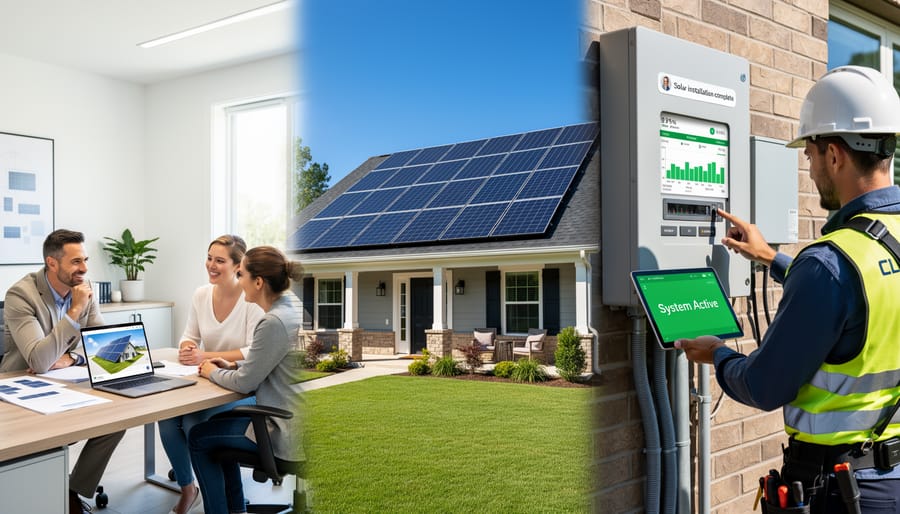
For locally-owned solar companies in Illinois, implementing a customer engagement score isn’t just about tracking numbers—it’s about building genuine relationships with your community. By measuring how customers interact with your business throughout their solar journey, you gain valuable insights into when someone needs information, reassurance, or that final nudge toward making their clean energy investment.
A well-designed engagement scoring system transforms your approach from reactive to proactive. Instead of waiting for customers to reach out with questions or concerns, you can anticipate their needs based on their behavior. This proactive engagement creates a better customer experience while naturally increasing your conversion rates. Homeowners and business owners appreciate timely, relevant communication that respects their decision-making process.
The good news? You don’t need expensive software or complex systems to get started. Even a simple spreadsheet tracking website visits, email opens, and consultation requests can provide meaningful insights. Start small, track what matters most to your solar business, and refine your approach as you learn what works. Your customers—and your bottom line—will thank you for making that connection when it matters most.
