
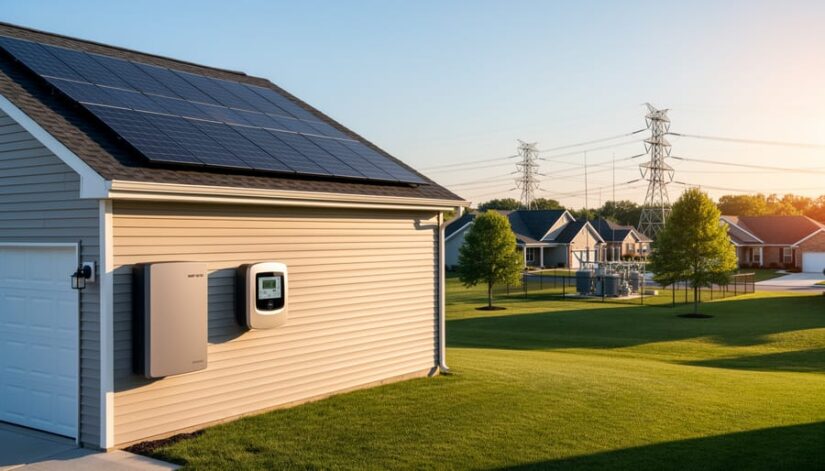
How Demand Response Programs Cut Your Energy Bills While Strengthening Illinois’ Power Grid
Enroll in your utility’s demand response program by contacting ComEd or Ameren Illinois directly to register your home or business, which can reduce your electricity bills by 10-30% annually while supporting grid stability during peak usage periods. Install a smart thermostat that automatically adjusts your cooling or heating by a few degrees during high-demand events, typically lasting 1-4 hours on hot summer afternoons, earning you incentive payments without noticeable comfort loss. Pair solar energy systems with battery storage to maximize demand response benefits, allowing you to draw from stored solar power during peak pricing periods instead of pulling from the grid, potentially saving $500-$1,500 yearly for Illinois homeowners.
Demand response programs represent a practical partnership between you and your utility company, creating a more resilient energy grid while putting money back in your pocket. When electricity demand spikes during extreme weather, these programs temporarily reduce consumption across thousands of participants rather than firing up expensive and polluting backup power plants. For Illinois residents and businesses, participation means you’re compensated for small, temporary adjustments to energy use during critical periods, typically through bill credits, direct payments, or reduced rates. The beauty of these programs lies in their simplicity: modern technology handles most adjustments automatically, requiring minimal effort while delivering measurable financial returns and contributing to a cleaner, more reliable energy infrastructure for your community.
What Are Demand Response Programs?
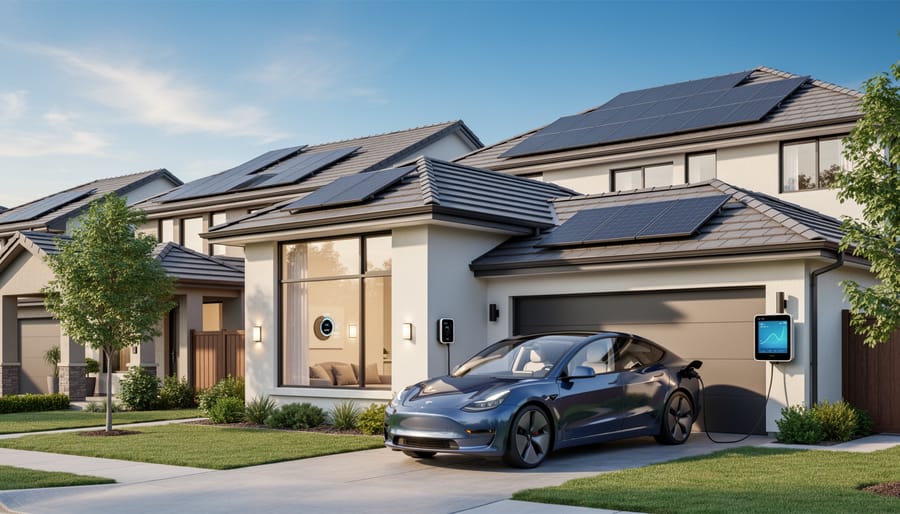
The Simple Concept Behind DR Programs
Think of electricity demand like rush hour traffic. Just as highways get congested when everyone drives at the same time, the electric grid experiences strain when millions of people simultaneously turn on air conditioners on a hot summer afternoon or fire up heating systems during a cold winter evening.
Demand response programs offer a straightforward solution to this challenge: instead of building expensive new power plants that sit idle most of the year (like adding extra highway lanes for occasional rush hour), utilities coordinate with customers to temporarily reduce or shift their electricity use during peak times.
Here’s how it works in practice. When the grid faces high demand, participating homes and businesses voluntarily reduce their energy consumption for a short period—maybe by adjusting thermostats a few degrees or delaying non-essential equipment operation. In return, they receive financial incentives or bill credits.
For Illinois homeowners and businesses with solar installations, these programs become even more valuable. Your solar system already generates power during peak afternoon hours when electricity is most needed, and pairing this with demand response participation creates additional opportunities to support grid stability while maximizing your energy savings.
Types of Demand Response Programs Available in Illinois
Illinois offers several types of demand response programs designed to meet different customer needs and operational capabilities. These programs fall into two main categories: voluntary and mandatory participation.
Voluntary programs are the most common for residential and commercial customers. These are typically incentive-based, meaning participants receive financial compensation for reducing electricity use during peak demand periods. For example, ComEd’s Peak Time Savings program rewards customers with bill credits when they voluntarily lower consumption during summer afternoons. Ameren Illinois offers similar opportunities through their PeakTime Rewards program, providing payments for each kilowatt-hour reduced during critical events.
Price-based programs use variable electricity rates to encourage conservation. Time-of-use rates charge more during peak hours and less during off-peak times, allowing customers to save money by shifting usage to cheaper periods. This approach works particularly well for solar customers with battery storage systems, who can use stored energy during expensive peak hours.
Mandatory programs typically apply to large industrial and commercial customers who agree to curtail operations during grid emergencies in exchange for substantial incentives. The PJM Interconnection, which manages Illinois’s grid, operates several capacity programs requiring firm commitments but offering reliable revenue streams.
Each program type provides different benefits depending on your energy consumption patterns and flexibility.
Why Demand Response Matters for Energy System Resilience
Protecting Against Peak Demand Strain
Illinois experiences extreme weather conditions that push the electrical grid to its limits. During summer heat waves, when temperatures soar above 90 degrees for consecutive days, air conditioning usage spikes dramatically across the state. Similarly, winter cold snaps with sub-zero temperatures force heating systems to run continuously, creating enormous demand on the grid.
These peak demand periods are particularly challenging for utility companies. The grid must have enough capacity to meet the highest demand moments of the year, even though these conditions may only occur for a handful of hours annually. Building and maintaining this excess infrastructure is expensive, and those costs get passed to consumers through higher electricity rates.
Demand response programs provide a practical solution to this challenge. Instead of constructing additional power plants that sit idle most of the year, utilities can partner with homes and businesses to temporarily reduce consumption during critical periods. When the grid operator forecasts extreme weather and anticipates high demand, they activate DR programs, sending signals to participants to reduce their energy use.
For Illinois residents and businesses with solar installations and battery storage systems, these programs offer a valuable opportunity. Your stored energy can power your facility during peak events while simultaneously supporting grid stability and earning financial incentives for your participation.
Building a More Flexible, Responsive Grid
Demand response programs are transforming how Illinois manages electricity by creating a more adaptable, efficient power grid. When you participate in these programs, you’re helping reduce strain during peak demand periods, which means utilities can avoid building expensive new power plants and transmission lines. This represents significant cost savings that ultimately benefit all ratepayers.
One of the most valuable aspects of demand response is how it enhances grid flexibility. Instead of constantly running backup power plants that sit idle most of the year, grid operators can call on thousands of homes and businesses to temporarily reduce consumption during critical times. This creates a responsive system that adjusts to real-time conditions.
For Illinois solar customers, demand response becomes even more powerful. Your solar panels generate clean energy during sunny days when air conditioning demand peaks. By pairing solar production with smart energy management, you’re actively supporting renewable energy integration into the grid. When thousands of participants shift their consumption patterns, it makes room for more wind and solar power on the system.
This flexibility is essential as Illinois moves toward its clean energy goals. Rather than building fossil fuel plants to handle occasional demand spikes, demand response provides a cleaner, more cost-effective solution that strengthens overall grid resilience.
How Solar Energy Systems Work With Demand Response
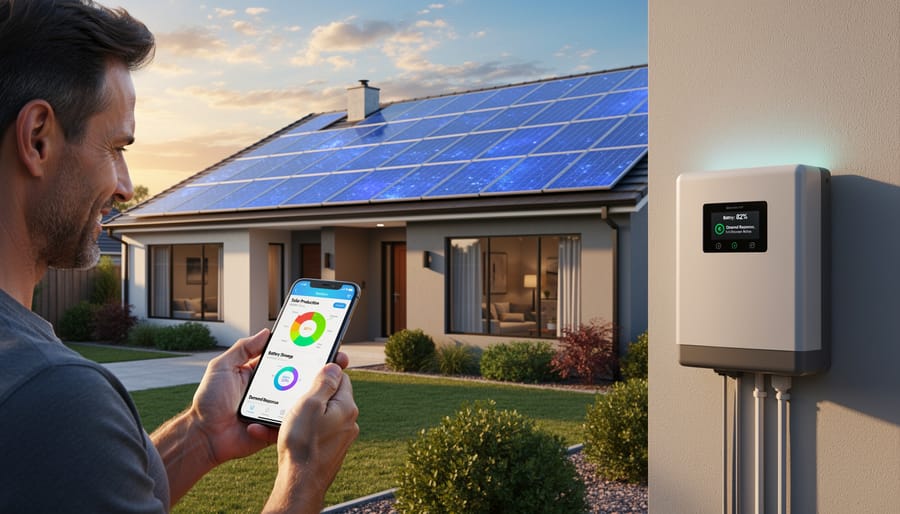
Solar Plus Battery Storage: The Perfect DR Combination
Solar panels paired with battery storage systems create a powerful combination for maximizing your demand response participation benefits. While solar panels generate electricity during daylight hours, batteries store that excess energy for use when it matters most—during peak demand periods when grid stress is highest and electricity prices spike.
Here’s how the combination works: Your solar panels produce energy throughout the day, powering your immediate needs while charging your battery system. When your utility signals a demand response event—typically during hot summer afternoons or cold winter evenings in Illinois—your battery automatically discharges stored solar energy to power your home or business. This means you’re not drawing from the grid during critical periods, earning incentive payments while maintaining your normal operations.
The advantage over solar alone is significant. Without storage, solar production naturally decreases during evening peak hours when demand response is most valuable. Batteries bridge this gap, allowing you to provide grid support exactly when needed. For Illinois homeowners and businesses, this translates to greater bill savings through time-of-use rate optimization and higher demand response payments.
Additionally, battery-backed solar systems provide backup power during outages, enhancing your energy independence beyond demand response benefits. As a locally owned company specializing in solar solutions, we help Illinois customers design systems that maximize both grid participation rewards and personal energy resilience.
Real Benefits for Illinois Solar Customers
Illinois solar system owners have access to several demand response programs that provide tangible financial rewards while supporting grid stability. Understanding these opportunities can help you maximize the return on your solar investment.
ComEd’s Peak Time Savings program offers one of the most accessible options for residential customers. Participants receive bill credits by reducing electricity use during peak demand periods, typically on hot summer afternoons. Solar customers are particularly well-positioned for this program since your panels naturally offset grid consumption during these critical hours. Credits range from $1 to $1.25 per kilowatt-hour reduced, which can add up to $50 to $100 annually for typical households.
For businesses and larger commercial operations, Ameren Illinois provides the Peak Time Rebate program. This initiative rewards customers who curtail energy use during utility-called events, with payments based on your actual reduction compared to baseline usage. Commercial solar installations combined with energy storage systems can generate substantial credits, sometimes exceeding $500 per year depending on facility size and participation frequency.
The Illinois Power Agency’s capacity market programs create additional revenue streams for solar plus storage systems. By committing to discharge battery power during grid emergencies, system owners can receive capacity payments that improve project economics. These programs typically require advanced metering capabilities and third-party aggregation services, but locally owned solar companies can help navigate enrollment requirements and maximize your benefits while strengthening community energy resilience.
Practical Demand Response Techniques You Can Implement Today
For Homeowners: Simple Steps to Participate
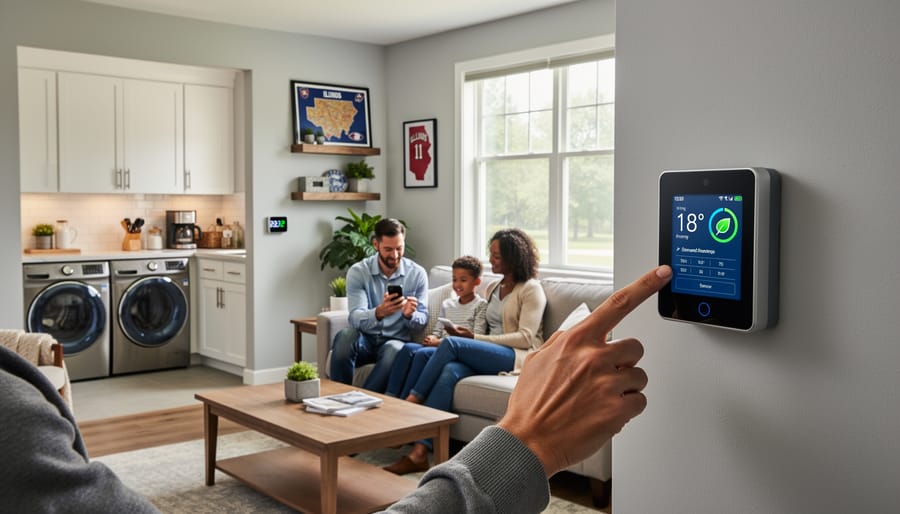
Illinois homeowners have several straightforward ways to participate in demand response programs and contribute to grid stability while reducing energy costs. The most accessible option is installing a smart thermostat, which allows your utility to make minor temperature adjustments during peak demand periods, typically shifting your air conditioning cycle by just a few degrees. ComEd’s Peak Time Savings program and Ameren Illinois’s Peak Time Rewards program both offer bill credits for participation through smart technology integration.
Homeowners can also schedule high-energy appliances like dishwashers, washing machines, and pool pumps to run during off-peak hours, typically evenings and weekends. If you own an electric vehicle, charging overnight rather than during afternoon peak hours significantly reduces strain on the grid while taking advantage of lower electricity rates.
Enrolling is simple. Contact your Illinois utility provider to join their residential demand response program. Many offer free smart thermostats or cash incentives for enrollment. Solar energy system owners can maximize benefits by combining demand response participation with battery storage, allowing you to draw from stored solar power during peak events rather than the grid.
For Business Owners: Commercial DR Strategies
Illinois businesses can significantly reduce energy costs while supporting grid stability through commercial demand response programs. Start by optimizing your HVAC systems, which typically account for 40-50% of commercial energy use. Modern programmable thermostats allow you to automatically adjust temperatures during peak demand periods without compromising comfort. Consider pre-cooling your facility before peak hours, then raising the temperature slightly during high-demand windows.
Lighting controls offer another accessible entry point. Installing occupancy sensors and automated dimming systems can reduce consumption during critical peak events while maintaining safe working conditions. Many businesses find they can defer non-essential lighting loads without operational impact.
Equipment scheduling provides additional flexibility. Analyze when you run major machinery, refrigeration systems, or production equipment. Shifting energy-intensive operations to off-peak hours often delivers immediate savings while preparing you for DR program participation.
Commercial DR programs in Illinois offer substantial financial incentives for businesses that commit to reducing electricity use during peak events. Participants receive capacity payments just for enrolling, plus additional compensation when responding to events. Your locally owned energy partner can help assess which programs align with your operational needs and maximize your return on participation.
For Industrial Facilities: Advanced Load Management
Industrial facilities have unique opportunities to maximize demand response benefits through strategic load management. Large manufacturing plants, food processing facilities, and distribution centers can shift energy-intensive operations to off-peak hours, significantly reducing demand charges while maintaining productivity. This might include scheduling machinery maintenance, running refrigeration systems at higher capacity during low-cost periods, or adjusting production lines based on real-time energy pricing signals.
Load curtailment strategies allow facilities to temporarily reduce non-essential equipment operation during peak demand events. Many Illinois industrial participants integrate backup generation systems with their demand response strategy, seamlessly switching to on-site power when called upon by utilities. This coordination not only earns incentive payments but also provides valuable backup power testing.
Industrial-scale demand response programs offer substantial financial benefits. Facilities can earn thousands of dollars monthly through capacity payments alone, with additional compensation for actual load reduction during events. For manufacturers with solar installations, combining on-site generation with demand response creates multiple revenue streams while demonstrating environmental leadership. Working with locally owned energy experts who understand both industrial operations and Illinois utility requirements ensures your facility maximizes these opportunities while maintaining operational efficiency and meeting production goals.
Understanding the Financial Benefits
Participating in demand response programs delivers tangible financial rewards that directly impact your bottom line. These programs compensate participants for reducing electricity consumption during peak demand periods, creating multiple revenue streams and cost savings opportunities.
In Illinois, financial incentives typically come in three forms. First, enrollment incentives provide upfront payments simply for joining the program, ranging from $50 to $200 per kilowatt of committed load reduction for businesses. Second, capacity payments offer ongoing monthly or annual compensation for maintaining your availability to reduce demand when called upon. Third, event payments reward actual performance during demand response events, often paying $1 to $2 per kilowatt-hour of reduced consumption.
For a typical Illinois commercial building reducing 50 kilowatts during peak events, annual earnings can reach $3,000 to $8,000 through capacity and performance payments alone. Residential participants with smart thermostats might earn $40 to $100 annually with minimal effort. These direct payments supplement the immediate bill savings achieved by avoiding expensive peak-rate electricity charges.
Businesses see particularly attractive returns on investment. Installing automated demand response technology typically costs $5,000 to $15,000 for mid-sized facilities, but combined program incentives and energy savings often deliver payback periods of two to four years. After that, the financial benefits continue year after year.
Solar energy system owners gain additional advantages. Your solar generation naturally offsets grid demand during sunny peak periods, making your participation more valuable and less disruptive to operations. Battery storage systems further enhance your earning potential by providing reliable, automated load reduction without affecting your comfort or productivity. The combination of solar generation credits, demand response payments, and reduced peak demand charges creates a compelling financial case that strengthens the return on your renewable energy investment.
Getting Started: How to Join a Demand Response Program in Illinois
Joining a demand response program in Illinois is straightforward, and most programs are designed to accommodate various customer types, from homeowners to large commercial facilities.
Start by contacting your utility provider to learn about available programs. ComEd serves northern Illinois and offers several demand response options through their Peak Time Savings and Central Air Conditioning Cycling programs. Ameren Illinois operates programs in central and southern regions, including their Peak Time Rewards initiative. Additionally, municipal utilities and electric cooperatives throughout the state often provide their own programs tailored to local needs.
Eligibility requirements vary by program but generally include having an active account with the utility, meeting minimum energy usage thresholds for commercial programs, and possessing compatible equipment for automated response programs. Homeowners with smart thermostats or solar energy systems often qualify for residential programs, while businesses may need interval metering or demand response automation systems.
The enrollment process typically involves three simple steps. First, visit your utility’s website or call their customer service line to express interest. Second, complete an application that includes information about your energy usage patterns and equipment. Third, schedule any necessary equipment installation, such as smart devices or communication hardware, which utilities often provide at no cost.
Once enrolled, you’ll receive notifications when demand response events occur, usually 24 hours in advance during summer afternoons or winter evenings. Your participation earns credits or payments on your utility bill, with specific amounts depending on your reduction contribution.
For comprehensive information, visit the Illinois Commerce Commission website or contact locally owned energy consultants who understand both demand response programs and how solar energy systems integrate with these initiatives to maximize your benefits and grid support capabilities.
Demand response programs offer a win-win opportunity for Illinois energy consumers. By participating, you can reduce your electricity costs during peak periods while contributing to a more resilient and stable power grid for your entire community. These programs transform how we think about energy consumption, shifting it from a passive experience to an active partnership between utilities and customers.
Solar energy systems significantly enhance your ability to participate effectively in demand response initiatives. With solar panels and battery storage, you gain greater control over your energy use, allowing you to respond to demand response events while maintaining comfort and productivity. Your solar investment becomes even more valuable as it provides both everyday savings and additional compensation through DR programs.
Illinois residents and businesses have multiple pathways to join these programs, whether through direct utility enrollment, third-party aggregators, or automated systems that handle responses for you. The key is finding the right fit for your specific energy needs and operational requirements.
Ready to maximize your energy savings and grid participation? Consulting with locally owned solar experts who understand Illinois energy markets can help you identify the best demand response opportunities for your situation and ensure your solar system is optimized for participation.
