How DG Solar Connects to Your Grid (And Why It Matters for Your Illinois Property)
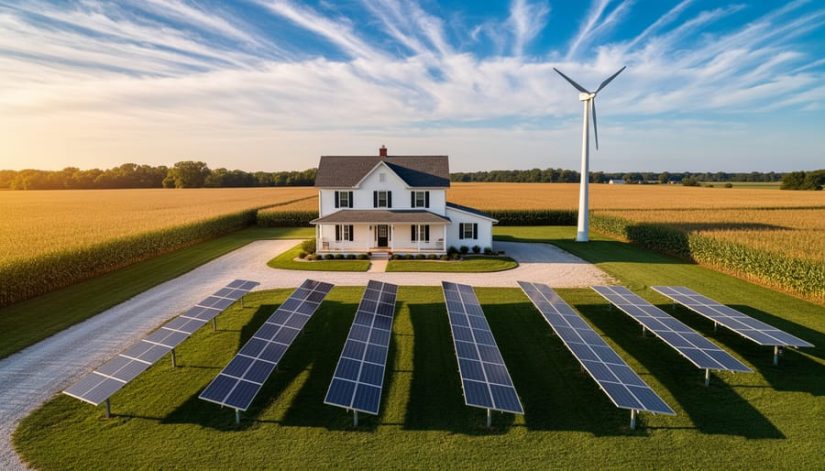
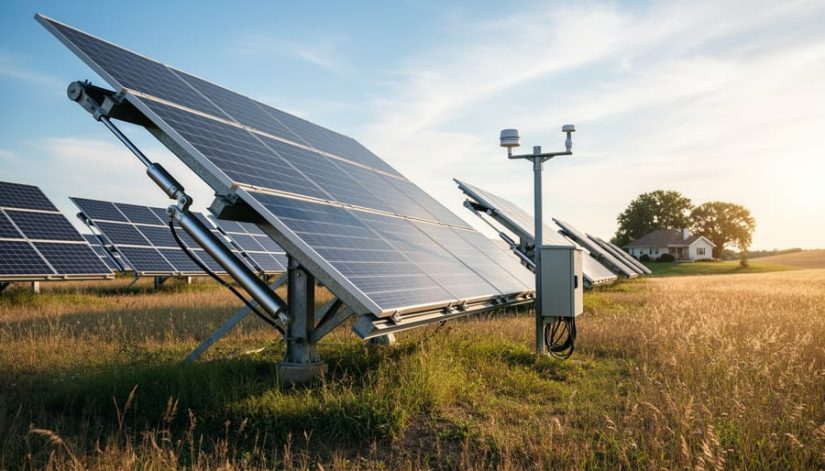
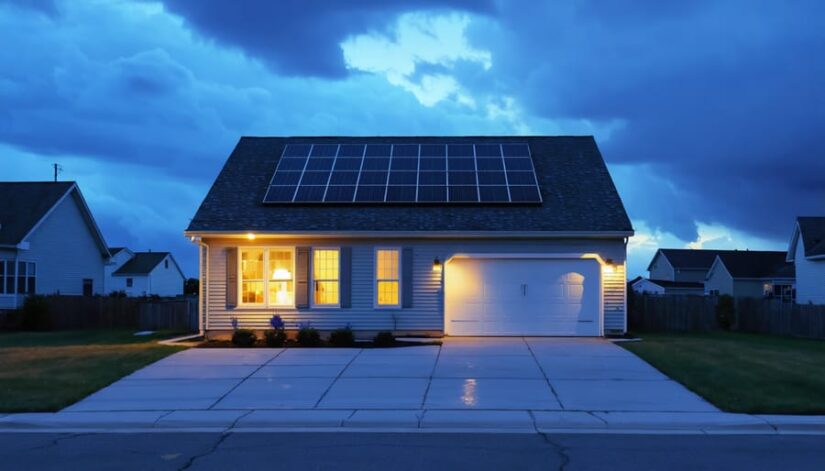
Distributed generation solar, or DG solar, refers to electricity produced by solar panels installed at or near the point where power is consumed—your home, business, or facility—rather than at a distant utility power plant. This decentralized approach transforms your property into its own mini power station, generating clean energy that reduces your reliance on the traditional electrical grid while lowering monthly utility costs. In Illinois, where net metering policies allow you to receive credits for excess solar energy sent back to the grid, understanding DG solar becomes essential for maximizing your investment returns.
The practical significance of DG solar extends beyond simple cost savings. When your solar system generates electricity during peak sunlight hours, that power immediately flows to your building’s electrical loads—running air conditioners, computers, machinery, and lighting without drawing from the utility company. Any surplus production gets exported to the grid, spinning your meter backward and creating credits that offset evening and nighttime consumption when your panels aren’t producing. This bidirectional energy flow represents the core advantage of distributed generation: you’re both a consumer and a producer, fundamentally changing your relationship with the electrical grid.
For Illinois property owners evaluating solar options, grasping DG solar’s meaning clarifies how installation, interconnection agreements, system sizing, and monitoring work together to create a seamless integration with your existing electrical infrastructure while positioning you to benefit from state and federal solar incentives.
What DG Solar Actually Means

The Traditional Grid vs. DG Solar
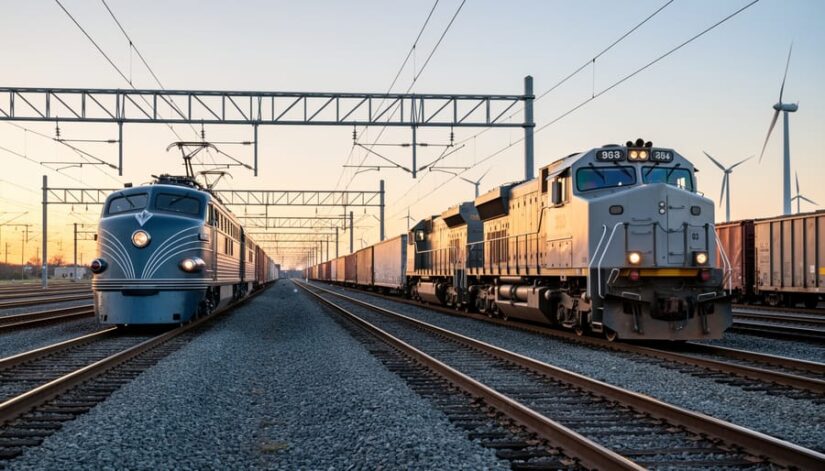
Traditional power grids operate on a simple, one-way model. Your local utility company generates electricity at a central power plant, then transmits it through power lines directly to your home or business. You consume the power, the meter tracks your usage, and you receive a bill. This relationship has remained essentially unchanged for over a century—power flows in one direction, from the utility to you.
DG solar fundamentally changes this dynamic by creating a two-way relationship with the grid. When you install solar panels on your property, you become both an energy consumer and a potential energy producer. During sunny hours when your panels generate more electricity than you’re using, that excess power flows back through your meter into the grid. Your neighbors or nearby businesses can use this clean energy, and you receive credit for your contribution through net metering programs available in Illinois.
Think of it like this: the traditional grid is like a one-way street where traffic only moves from the power plant to your property. DG solar transforms that street into a two-way exchange, where power can flow in either direction based on your real-time needs and production. This partnership means you’re drawing power from the grid when you need it—like at night or on cloudy days—while contributing your surplus solar generation when your panels are producing more than you consume.
Why Illinois Properties Are Going DG
Illinois has become an increasingly attractive market for distributed generation solar installations, thanks to a combination of progressive state policies and economic incentives that make the investment more accessible than ever. The Illinois Shines program, funded through the Future Energy Jobs Act and continued under the Climate and Equitable Jobs Act, offers substantial incentives for both residential solar installation and commercial solar systems. These programs provide Renewable Energy Credits that significantly reduce upfront costs and accelerate return on investment.
The state’s net metering policies allow property owners to receive credit for excess electricity their solar systems generate and send back to the grid. This means during peak production times, your system essentially runs your meter backward, offsetting energy costs during periods when your solar panels aren’t producing power. For Illinois property owners, this policy transforms solar panels from simple energy generators into financial assets that work around the clock.
Additionally, Illinois residents can take advantage of the federal Investment Tax Credit, which covers 30% of solar installation costs. When combined with state incentives and the savings from net metering, many property owners see payback periods of seven to ten years, with systems typically lasting 25 years or more. The state’s commitment to renewable energy, including mandates for utilities to source more power from clean energy, creates long-term stability and predictability for DG solar investments across Illinois.
How DG Solar Integrates With Your Existing Power System
The Key Components That Make It Work
Understanding how distributed generation solar connects to the grid requires knowing about three essential components that work together behind the scenes. These pieces of equipment ensure your system operates safely, efficiently, and in harmony with the existing electrical infrastructure.
The inverter serves as the heart of your solar system’s grid connection. Solar panels produce direct current electricity, but your home and the electrical grid run on alternating current. The inverter handles this conversion while also monitoring system performance and shutting down automatically if grid power fails, protecting utility workers during outages. Modern inverters are sophisticated devices that optimize energy production throughout the day and communicate system status in real-time.
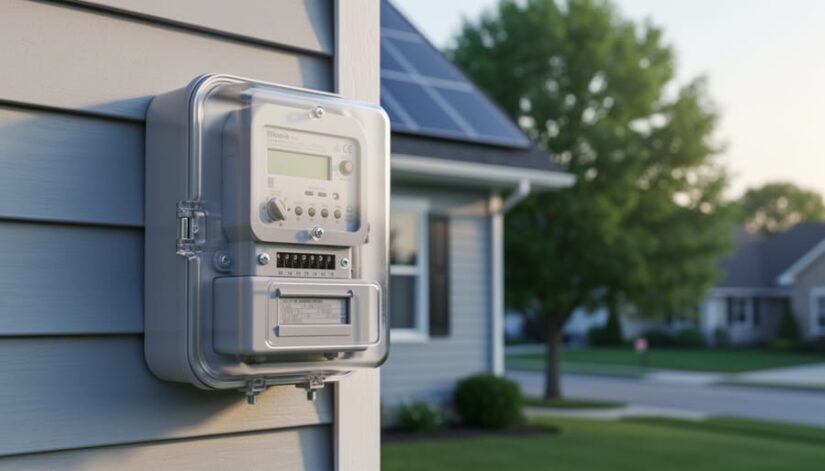
Smart meters replace traditional electric meters and provide two-way communication between your property and the utility company. Unlike older meters that only tracked consumption, smart meters measure both the electricity you draw from the grid and the excess power your solar system sends back. This bidirectional tracking is essential for net metering programs, which credit you for the energy you contribute. In Illinois, these meters enable accurate billing and help utilities manage distributed generation across their service territories.
Interconnection equipment includes safety devices like disconnect switches and specialized breakers that protect both your system and the grid. These components allow utility workers to safely isolate your solar installation when needed and prevent dangerous backfeeding during maintenance. While less visible than panels or inverters, this equipment is critical for meeting safety codes and utility requirements. Together, these three components create a seamless, secure connection that lets your solar system work as an integrated part of the larger electrical network.

The Interconnection Process in Illinois
Connecting your distributed generation solar system to the grid in Illinois follows a structured process designed to ensure safety and compliance. Understanding these steps helps property owners plan realistic timelines and budgets for their solar installation.
The interconnection process begins after you’ve selected your solar installer and signed a contract. Your installer will submit an interconnection application to your utility company, whether that’s ComEd, Ameren Illinois, or a municipal or cooperative utility. This application includes technical details about your system size, equipment specifications, and electrical diagrams.
Most residential systems under 10 kilowatts qualify for simplified, expedited review processes. Illinois utilities typically complete these reviews within 15 to 30 business days, though timelines can vary based on application volume. Larger commercial or industrial systems require more comprehensive engineering reviews that may extend to 60 days or longer.
Once your utility approves the application, your installer proceeds with the physical installation. After installation is complete, your local jurisdiction conducts a building inspection to verify code compliance. Following successful inspection, your installer schedules a final utility inspection where the utility company examines the interconnection equipment, metering setup, and safety disconnects.
The utility then installs or reprograms your meter to track both the electricity you consume and the excess power your system sends back to the grid. This bidirectional metering is essential for net metering credits. After final approval, your utility provides Permission to Operate, which officially authorizes you to energize your system and begin generating solar power.
Throughout this process, locally owned solar companies with expertise in solar energy navigate these requirements on your behalf, coordinating inspections and communications with utilities. Most residential installations receive full approval within 60 to 90 days from application submission, though individual experiences may vary.
Grid Optimization: Getting the Most From Your DG Solar System
Net Metering and How Your Meter Runs Backward
When your solar panels generate more electricity than your property needs, that excess power flows back to the utility grid. This is where net metering in Illinois becomes valuable for solar owners.
Net metering allows your electric meter to run backward when your solar system produces surplus energy. This surplus gets credited to your account at the retail electricity rate, effectively banking those kilowatt-hours for future use. During sunny days, your system might generate more power than you consume, building up credits. At night or on cloudy days when your panels produce less, you draw from the grid using those accumulated credits.
Here’s a practical example: If your solar system generates 1,000 kilowatt-hours in July but you only use 700, those extra 300 kWh become credits. In December, when your panels produce only 400 kWh but you need 800, you’ll use 400 kWh of banked credits instead of paying full price for that electricity.
Your monthly utility bill reflects this exchange. You’ll see charges for grid electricity consumed, credits for solar energy exported, and typically a small connection fee to maintain grid access. Many Illinois solar owners see their annual electricity costs reduced by 70-90 percent through net metering, with some months showing minimal or zero charges beyond basic service fees. This credit system maximizes the financial return on your distributed generation investment.
Smart Monitoring and Energy Management
Understanding how your distributed generation solar system performs requires more than just installing panels and hoping for the best. Modern monitoring systems give Illinois property owners complete visibility into their energy production, consumption, and grid interaction in real-time. These platforms, often accessible through smartphone apps or web dashboards, display how much electricity your panels generate throughout the day, how much power your property consumes, and exactly when you’re drawing from or sending energy back to the grid.
This level of insight transforms how you manage energy. By identifying your highest consumption periods, you can adjust usage patterns to maximize self-consumption of solar energy rather than purchasing from the utility. For businesses, monitoring reveals operational inefficiencies and opportunities to shift energy-intensive processes to peak production hours. You’ll also receive instant alerts about system performance issues, allowing for quick troubleshooting before minor problems become costly repairs.
The benefits extend beyond immediate savings. Historical data helps you understand seasonal variations in production, which is particularly valuable in Illinois where winter months differ significantly from summer. This information supports better financial planning and helps you maximize your return on investment. Many locally owned solar providers offer monitoring systems as standard equipment, ensuring you have expert support in interpreting your data and optimizing your distributed generation system’s performance over its entire lifespan.

Battery Storage and Grid Independence
While distributed generation solar systems reduce your reliance on the utility grid, adding battery storage systems takes your energy independence to the next level. These optional systems store excess electricity your solar panels generate during the day, making that power available when you need it most.
For Illinois property owners, batteries serve two primary purposes. First, they provide backup power during grid outages, keeping essential systems running when storms or other disruptions affect your area. Second, they maximize self-consumption by storing surplus solar energy instead of sending it back to the grid, allowing you to use your own clean power during evening hours when your panels aren’t producing.
Battery storage makes particular sense for Illinois properties in several situations. If you experience frequent power outages, a battery system ensures continuity for critical operations or home comfort. Businesses with high evening energy demands can shift their solar production to match their usage patterns. Properties in areas with time-of-use electricity rates benefit by avoiding expensive peak-hour grid charges.
The investment in battery storage depends on your specific needs and goals. While not necessary for every distributed generation solar installation, batteries provide valuable resilience and energy management capabilities. Our team can evaluate your property’s energy usage patterns, outage frequency, and financial considerations to determine whether adding battery storage makes sense for your situation.
Common Grid Integration Challenges (And How to Avoid Them)
Voltage Regulation and Power Quality
When your solar system generates electricity, it affects voltage levels on your local power grid. Think of voltage like water pressure in pipes—too much or too little causes problems. Solar panels pushing power back into the grid can raise voltage levels, especially during peak production hours on sunny days. Without proper management, this can damage appliances or create safety issues.
This is why equipment sizing matters tremendously. Your inverter, which converts solar power from DC to usable AC electricity, must be properly sized for both your system and your connection point to the grid. Oversized systems without adequate voltage regulation can cause utility equipment to disconnect your solar array automatically to protect the grid.
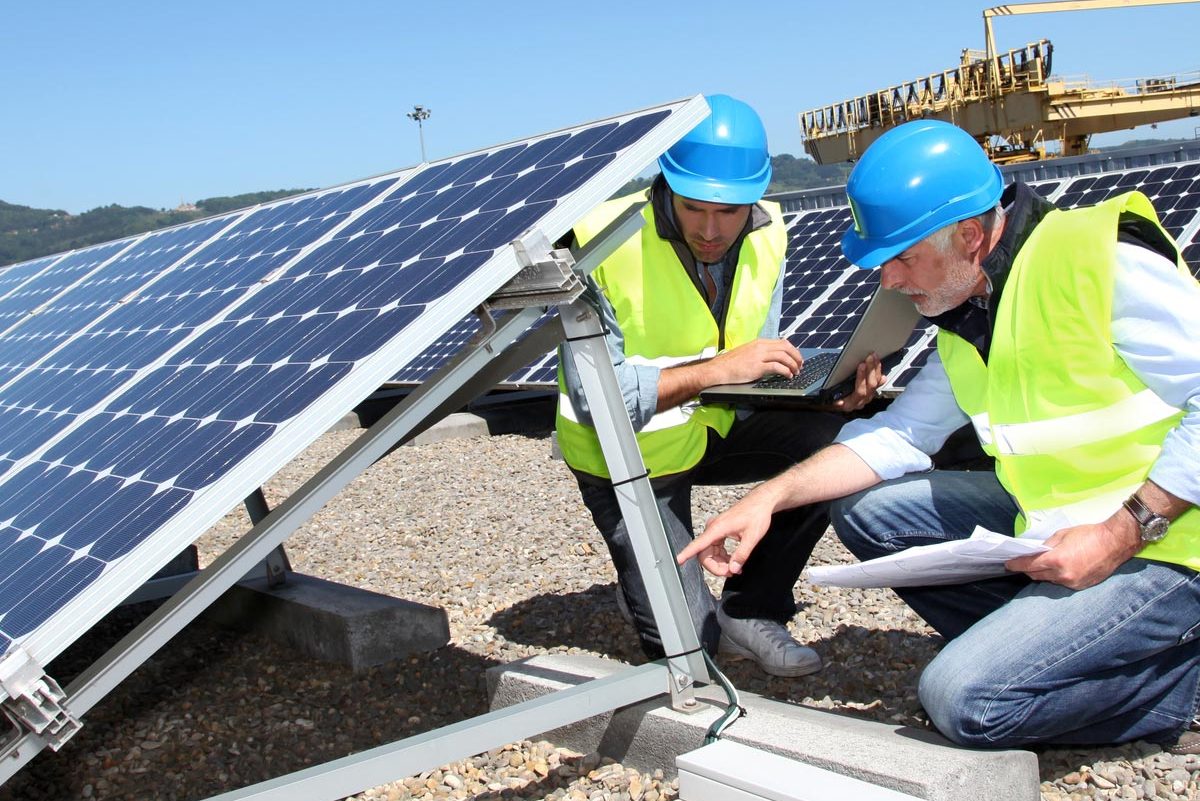
Professional installation ensures your distributed generation system meets Illinois utility requirements and national electrical codes. Experienced installers calculate load requirements, select appropriate inverters with built-in voltage regulation, and configure settings that maintain power quality. They also coordinate with your utility company to ensure proper metering and interconnection agreements are in place. As a locally owned solar provider with deep expertise in solar energy, qualified installers understand regional grid characteristics and utility-specific requirements that affect system performance and compliance. Proper installation protects your investment while maintaining safe, reliable power for everyone on the grid.
Utility Requirements and Code Compliance
Installing a distributed generation solar system in Illinois requires navigating specific electrical codes and utility standards to ensure safe, compliant operation. The National Electrical Code (NEC) provides the foundation, but Illinois has additional state and local requirements that govern solar installations. These regulations cover everything from proper grounding and wiring to fire safety and structural considerations.
Your utility company also has interconnection standards that must be met before your system can connect to the grid. This typically includes installing approved safety disconnects, meters capable of measuring bidirectional power flow, and protective equipment that automatically disconnects your solar system during grid outages to protect utility workers.
Working with experienced local installers significantly streamlines this complex process. These professionals understand Illinois-specific requirements, maintain relationships with local utilities, and handle permit applications and inspections on your behalf. They ensure your system meets all safety standards while maximizing performance, saving you time and preventing costly compliance issues that could delay your solar project or result in failed inspections.
What to Expect: DG Solar Performance in Illinois
Understanding how your distributed generation solar system will perform in Illinois helps set realistic expectations and maximize your investment returns. The state’s climate presents distinct seasonal patterns that directly impact energy production.
During summer months, DG solar systems in Illinois typically operate at peak capacity. Long daylight hours combined with the sun’s high angle create ideal conditions for maximum energy generation. Your system will produce the most electricity from May through August, often generating surplus power that feeds back into the grid through net metering agreements.
Winter performance naturally decreases due to shorter days and lower sun angles. Snow accumulation can temporarily reduce output, though panels typically shed snow quickly or continue producing through light coverage. Despite reduced winter production, modern solar panels remain efficient even in cold temperatures, and annual output still delivers significant value.
Spring and fall represent transitional seasons with moderate production levels. These periods often provide the most consistent day-to-day output, with comfortable temperatures helping maintain panel efficiency.
For residential properties, expect your DG solar system to offset 70-100% of annual electricity consumption when properly sized. Commercial and industrial facilities typically see similar percentages, though larger roof areas and higher daytime energy use often improve the economics further.
Long-term benefits accumulate regardless of seasonal variations. Illinois property owners typically achieve payback periods of 7-12 years, with systems continuing to generate savings for 25-30 years. Performance monitoring tools help you track daily, monthly, and annual production, ensuring your system meets expectations and identifying any maintenance needs quickly. Our locally owned team brings expertise in solar energy specific to Illinois conditions, helping you understand exactly what to expect from your investment.
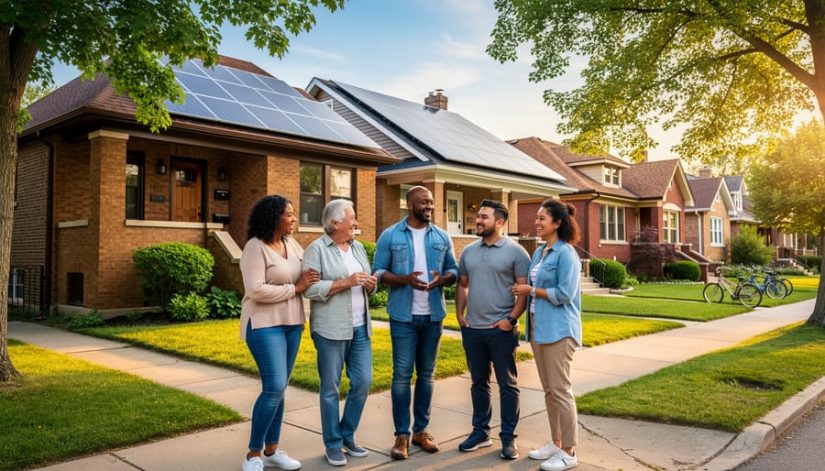
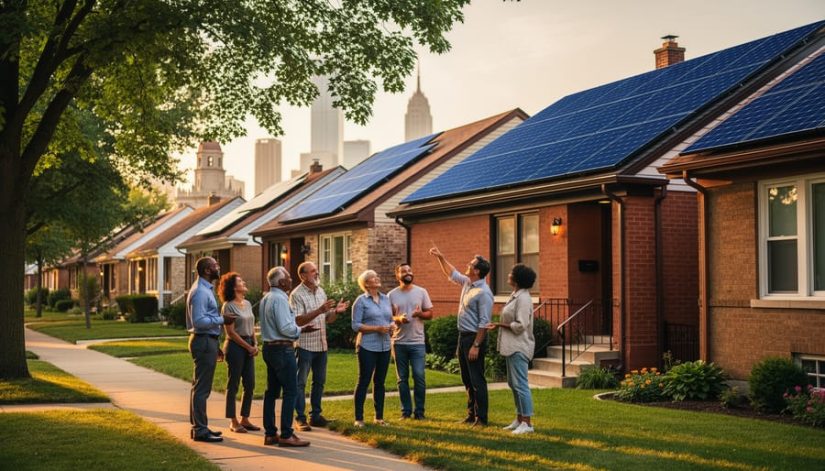
Distributed generation solar represents a fundamental shift in how we think about energy—transforming property owners from passive consumers into active participants in a smarter, more resilient power system. By generating electricity where it’s used and sharing the excess with neighbors through the grid, DG solar creates an efficient, sustainable energy relationship that benefits individual properties and the broader Illinois community alike.
Understanding what DG solar means is just the first step. The real question is whether your property can take advantage of this technology’s financial and environmental benefits. Factors like your roof condition, energy usage patterns, available incentives, and local utility policies all play a role in determining if distributed generation makes sense for your situation.
If you’re an Illinois property owner curious about joining the distributed generation movement, now is the time to explore your options. Working with locally owned solar experts who understand Illinois-specific regulations, incentive programs, and grid requirements ensures you get comprehensive guidance tailored to your unique needs. From initial assessment through installation and ongoing monitoring, the right partner makes navigating the DG solar journey straightforward and rewarding.