
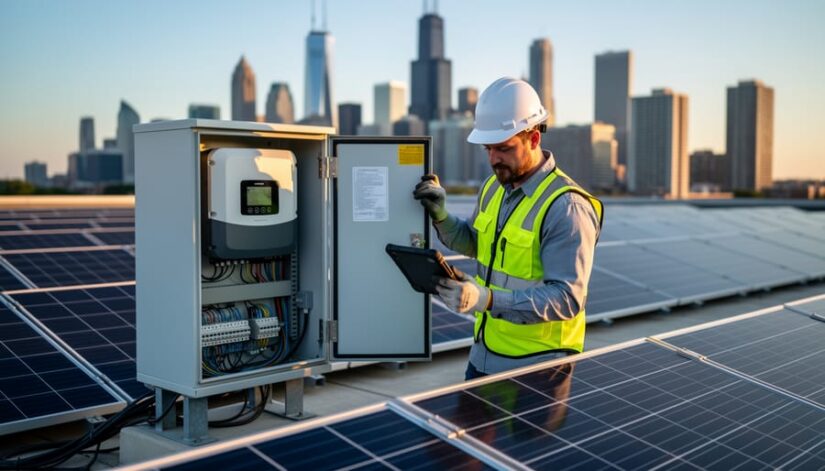
Why Your Solar System Needs Cyber Defenses (And How to Measure Them)
Your solar investment represents more than clean energy—it’s a digitally-connected system that requires protection from cyber threats just like any other business technology. As solar installations across Illinois become increasingly sophisticated, with smart inverters, cloud-based monitoring, and grid integration capabilities, they create new entry points that demand systematic measurement and management.
Resilience metrics provide the framework to evaluate how well your solar system can withstand, recover from, and adapt to cyber incidents without losing power generation capacity or compromising sensitive operational data. Unlike traditional reliability measures that focus solely on uptime, cyber resilience metrics assess your system’s ability to maintain essential functions even during an active security event.
For Illinois homeowners and businesses, understanding these metrics means knowing whether your solar installation can detect unauthorized access attempts, isolate compromised components, continue generating power during a cyberattack, and restore full functionality quickly. The stakes extend beyond theoretical risk—a compromised solar system could result in unexpected shutdowns, manipulated energy production data, or unauthorized access to your facility’s broader network.
This guide translates technical cybersecurity concepts into practical measurements you can use to evaluate solar proposals, assess existing installations, and work confidently with your solar provider. Whether you’re considering your first solar array or managing multiple commercial installations, knowing which resilience metrics matter helps you protect both your energy independence and your digital infrastructure investment.
The Digital Side of Your Solar Investment

What Makes Modern Solar Systems Connected
Today’s solar systems are far more sophisticated than simple panels on a roof. Modern installations incorporate Internet of Things (IoT) devices that continuously monitor system performance, tracking everything from energy production to equipment temperature. These connected devices communicate through your internet connection, sending real-time data to cloud-based platforms where it’s analyzed and stored.
Cloud monitoring allows you and your installer to access system performance from anywhere using smartphones or computers. You’ll receive alerts if production drops or equipment needs attention, often before you notice any issues yourself. Remote diagnostics enable technicians to troubleshoot problems without an immediate site visit, saving time and reducing service costs.
Smart grid connections represent another layer of connectivity. Your solar system communicates with the utility grid through smart inverters, automatically adjusting power flow based on grid conditions. This integration helps stabilize the broader electrical network while optimizing your system’s performance. While this connectivity brings tremendous benefits for monitoring and efficiency, it also introduces cybersecurity considerations that Illinois solar system owners should understand to protect their investment.
Real Threats to Energy Systems
Cyber threats to energy systems are real and increasingly common. In recent years, actual incidents have demonstrated vulnerabilities across the power sector. The 2015 Ukraine power grid attack left 230,000 residents without electricity when hackers compromised control systems. In 2021, the Colonial Pipeline ransomware attack disrupted fuel supplies across the Eastern United States, highlighting how digital vulnerabilities affect critical infrastructure.
For distributed energy systems like rooftop solar installations in Illinois, these threats take different forms but remain relevant. Solar inverters, monitoring systems, and battery storage units increasingly connect to the internet for remote management and optimization. While this connectivity offers convenience, it also creates potential entry points for unauthorized access. Hackers could theoretically manipulate system settings, disable production monitoring, or access customer data.
Understanding these real-world examples helps Illinois homeowners and businesses appreciate why solar power security matters. The good news is that smaller, distributed systems face different risk profiles than centralized utilities, and proper cybersecurity measures significantly reduce vulnerabilities. Knowing what threats exist allows system owners to ask informed questions about protection measures during installation and ongoing maintenance.
What Resilience Metrics Actually Measure
Recovery Time: How Fast Your System Bounces Back
When your solar system experiences a cyber incident, two key metrics determine how quickly you’re back to generating clean energy: Recovery Time Objective (RTO) and Recovery Point Objective (RPO).
RTO measures how long it takes to restore your system to normal operation after a disruption. For a home solar system that loses internet connectivity to its monitoring platform, your RTO might be 4 hours—the time needed to identify the issue, reset connections, and verify everything works properly. For businesses relying heavily on solar production, a shorter RTO of 1-2 hours might be critical to minimize operational impact.
RPO defines how much data or operational time you can afford to lose. If your solar system loses connection at 2 PM and doesn’t reconnect until 6 PM, your RPO determines whether you can recover that 4-hour gap of production data and system status. Modern solar systems with local data storage can often recover this information, ensuring accurate performance tracking and billing credits.
Understanding these metrics helps you evaluate solar providers and system designs. A locally owned company with expertise in solar energy can configure backup systems and redundancies that meet your specific RTO and RPO needs, ensuring your investment remains productive even during cyber disruptions.
Availability: Keeping Your Power Flowing
Availability measures how much time your solar system remains operational and connected to your monitoring network. This metric is typically expressed as a percentage—for example, 99.9% availability means your system is fully functional all but about 9 hours per year. For homeowners and businesses in Illinois, this directly impacts energy production and your return on investment.
Higher availability translates to more consistent electricity generation and greater cost savings. A system with 95% availability might miss critical sunny periods due to connectivity issues or cyber incidents, reducing your annual energy output by thousands of kilowatt-hours. That’s real money lost, especially during Illinois summer months when solar production peaks.
When evaluating solar providers, ask about their system uptime guarantees. Quality monitoring platforms should maintain 99.5% availability or higher, ensuring you receive real-time performance data and immediate alerts about potential issues. This constant connection allows for quick response to problems before they significantly impact your energy production. As a locally owned company with expertise in solar energy, we understand that availability isn’t just a technical metric—it’s about protecting your investment and maximizing the financial benefits of going solar in Illinois.
Detection Speed: Catching Problems Early
Mean Time to Detect (MTTD) measures how quickly your solar energy system identifies potential cyber threats or technical anomalies. Think of it as your system’s early warning radar—the faster it spots problems, the less damage occurs. For Illinois homeowners and businesses investing in solar, detection speed directly impacts system uptime and energy production reliability.
Modern solar installations connected to the grid face various digital vulnerabilities, from unauthorized access attempts to unusual data patterns. A system with strong MTTD catches these issues within minutes or hours rather than days or weeks. This rapid identification prevents small glitches from cascading into major failures that could leave you without power or compromise your energy data.
Advanced monitoring tools continuously scan your solar system’s digital infrastructure, analyzing thousands of data points to recognize abnormal behavior. When smart systems protect your installation, they automatically flag suspicious activity, allowing technicians to address concerns before they affect performance. For business owners, shorter detection times mean less revenue loss from downtime. For homeowners, it ensures consistent energy savings and grid reliability—essential for maximizing your solar investment’s value throughout Illinois’s varying seasonal demands.
Measuring Resilience in Your Solar Energy System
System Performance Monitoring
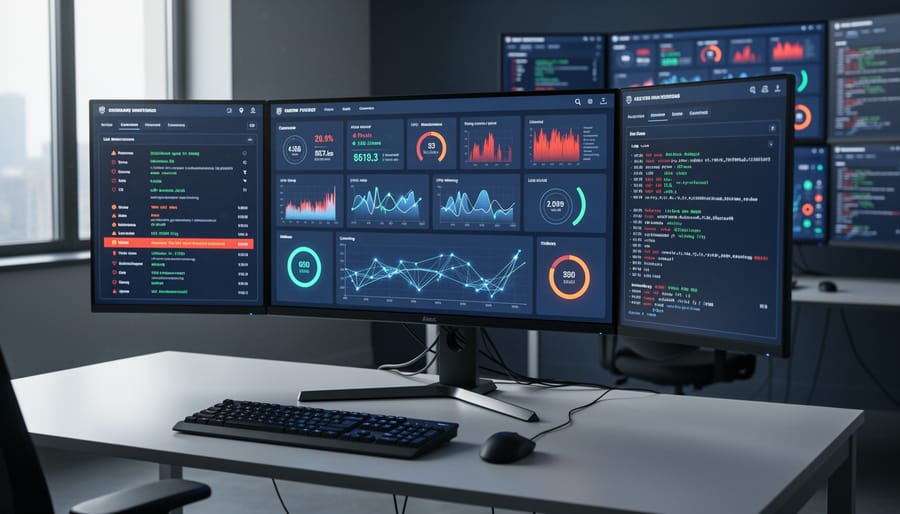
Modern solar systems rely on sophisticated monitoring tools that continuously track performance and security in real-time. These platforms measure energy production levels, inverter efficiency, grid connection status, and system communications around the clock. For Illinois homeowners and businesses with solar installations, these tools serve a dual purpose: optimizing energy output while identifying potential security vulnerabilities.
Monitoring software establishes baseline performance patterns for your system under various weather conditions and seasonal changes. When data deviates from expected ranges, whether through unusually low production or irregular communication patterns, the system flags these anomalies for review. Some irregularities indicate maintenance needs like panel cleaning or equipment adjustments, while others may signal unauthorized access attempts or cyber intrusions.
The data collected provides valuable insights into both operational health and digital security. Sudden disconnections, unexpected configuration changes, or unusual data transmission patterns can indicate cyber threats. Quality monitoring platforms used by experienced Illinois solar providers include cybersecurity features that track login attempts, monitor for malware signatures, and alert owners to suspicious activity. This proactive approach ensures your solar investment remains both productive and protected, giving you confidence in your system’s reliability and security throughout its lifespan.
Backup and Redundancy Measures
Resilient solar energy systems require multiple layers of protection against both physical and digital disruptions. For Illinois homeowners and businesses, this means implementing comprehensive backup strategies that safeguard your investment and maintain power availability during outages or cyber incidents.
Physical backup measures start with battery storage integration, which provides immediate power continuity when grid connections fail or solar production drops. Modern battery systems include built-in monitoring that detects anomalies in power flow, helping identify potential cyber threats before they disrupt operations. These systems automatically switch to backup mode if they detect unusual commands or unauthorized access attempts.
Digital redundancy involves maintaining duplicate copies of system configuration data and operational logs across separate secure locations. This ensures your solar system can be quickly restored if ransomware or other cyberattacks compromise control systems. Fail-safe mechanisms automatically disconnect your system from external networks when suspicious activity occurs, preventing unauthorized control while maintaining local power generation. Regular automated backups of system settings and performance data create recovery points, minimizing downtime and financial losses from cyber incidents while protecting your long-term energy independence.
Network Segmentation Benefits
Network segmentation creates protective barriers around your solar energy system by keeping it separate from your other digital networks. Think of it like having different keys for different rooms in your building—if someone gains access to your office Wi-Fi or home internet, they can’t automatically reach your solar system controls. This isolation is particularly valuable for decentralized solar systems because it protects your critical energy infrastructure from everyday cybersecurity threats. For Illinois businesses and homeowners, proper network segmentation means your power generation continues operating even if other systems face security issues. By creating these separate digital zones, you reduce the attack surface that cybercriminals could exploit, ensuring your solar investment remains a reliable energy source rather than a potential vulnerability in your broader network.
What Illinois Solar Owners Should Look For
Questions to Ask Your Solar Provider
Before selecting a solar provider for your Illinois property, ask specific questions about how they protect your system from cyber threats. Start with inquiries about their cybersecurity protocols: “What security measures are built into the monitoring systems?” and “How often do you update firmware and software to address new vulnerabilities?” Understanding their update schedule helps you gauge their commitment to ongoing protection.
Ask about monitoring capabilities with questions like “What metrics do you track to detect unusual system behavior?” and “Will I receive alerts about potential security issues?” A quality provider should monitor system performance continuously and notify you of anomalies that could indicate cyber threats.
Discuss their incident response plan by asking “What steps do you take if a security breach occurs?” and “How quickly can you restore system functionality after a cyber incident?” Their recovery time objectives reveal how seriously they take system resilience.
Finally, inquire about data privacy: “How is my energy usage data protected?” and “Who has access to my system’s information?” As a locally owned company with extensive solar expertise, we believe transparency about these cybersecurity measures is essential for protecting your investment and ensuring your solar system remains reliable for decades to come.
Built-In Protections in Quality Systems
Quality solar equipment from reputable manufacturers includes multiple layers of built-in security protections that work together to safeguard your investment. These features operate automatically in the background, much like the security systems in your smartphone or home computer.
Modern solar inverters and monitoring systems use encrypted communications as a fundamental protection. This means that data traveling between your solar panels, inverters, and monitoring apps is scrambled into code that unauthorized users cannot read. Think of it as having a private conversation in a locked room rather than shouting across an open field.
Secure firmware updates represent another critical protection layer. Firmware is the permanent software that runs your solar equipment. Quality manufacturers deliver updates through verified channels with digital signatures, ensuring that only legitimate updates from the actual manufacturer can be installed. This prevents malicious actors from tampering with your system’s operating instructions.
Access controls limit who can view and modify your solar system settings. These controls typically include password protection, user authentication, and different permission levels. For example, you might have read-only access to view your system’s performance, while only certified installers can adjust operational parameters.
Many systems also include network isolation features that separate your solar equipment from other devices on your property’s network, creating an additional security barrier. When selecting solar equipment, working with locally owned providers who understand these protections ensures you receive systems with robust security features properly configured for your specific situation.
Building Resilience Without Complexity
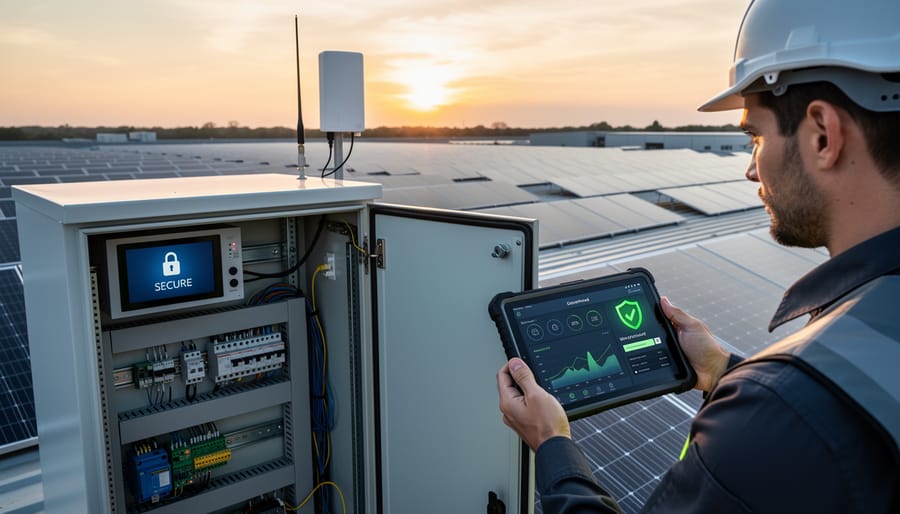
Regular System Updates and Maintenance
Keeping your solar system’s software and firmware updated represents the single most effective defense against cyber threats. Just as you wouldn’t drive a car without regular oil changes, your solar equipment needs consistent maintenance to operate securely and efficiently. Software updates patch security vulnerabilities that hackers could exploit, fix bugs that might compromise system performance, and ensure your monitoring platforms continue protecting your investment.
Quality solar providers in Illinois understand that maintenance extends beyond physical panels and inverters. They establish systematic update schedules for all connected components, from inverters to monitoring systems. This proactive approach typically includes automatic security patches, quarterly firmware reviews, and immediate responses to manufacturer advisories about potential vulnerabilities.
When evaluating solar installers, ask about their update protocols. Reputable providers will explain how they track manufacturer releases, schedule updates during low-impact times, and verify system functionality afterward. Many locally owned solar companies in Illinois offer maintenance agreements that include cybersecurity updates as part of ongoing service, ensuring your system remains protected without requiring technical expertise on your part. This hands-on approach to system maintenance directly impacts your resilience metrics, keeping detection rates high and recovery times low.
Access Control Best Practices
Strong access control forms the foundation of cyber resilience for any digitally-connected solar system. Start by implementing robust password management practices across all system accounts. Use unique, complex passwords for monitoring platforms and inverter controls, and update them regularly—at least every 90 days. Consider using a password manager to track credentials securely without compromising convenience.
Limit user access based on actual needs. Your solar monitoring system doesn’t require multiple administrators. Designate one or two trusted individuals with full control, while granting read-only access to others who simply need to view system performance. This principle of least privilege reduces the risk of accidental changes or unauthorized modifications to critical settings.
Regularly monitor who has access to your solar system controls. Review user lists quarterly, removing accounts for former employees or contractors who no longer require access. Enable activity logging if your system supports it, allowing you to track when changes occur and by whom. This audit trail proves invaluable when investigating unexpected system behavior or confirming that security protocols remain intact. For business owners, document your access control procedures and share them with your IT team to maintain consistent security standards across all operational systems.
As solar energy systems become increasingly sophisticated and connected, cyber resilience is no longer an optional feature—it’s an essential consideration that belongs alongside traditional factors like panel efficiency, inverter ratings, and warranty coverage. Just as you wouldn’t purchase a solar system without understanding its energy production capabilities, evaluating its security posture and resilience metrics helps ensure your investment remains productive and secure for decades to come.
For homeowners and businesses across Illinois making the transition to solar energy, understanding these resilience metrics doesn’t require becoming a cybersecurity expert. Instead, it means asking the right questions during the selection process and working with providers who take digital security seriously. When your solar installer can discuss monitoring protocols, firmware update procedures, and network segmentation as confidently as they explain inverter specifications, you know you’re dealing with professionals who understand modern energy systems.
The peace of mind that comes from a resilient solar installation extends beyond preventing cyberattacks. Systems designed with strong security foundations typically feature better overall reliability, more responsive monitoring, and clearer communication during any service needs. This comprehensive approach to system design reflects the evolution of solar technology from simple rooftop panels to intelligent energy management platforms.
Partnering with experienced local providers who understand both solar technology and contemporary security requirements ensures your system delivers reliable performance throughout its lifetime. These professionals stay current with emerging threats, implement industry best practices, and provide ongoing support that keeps your investment protected as technology evolves.
