
Why Your Illinois Solar Panels Are Losing Money (And What O&M Can Do About It)
Your solar investment deserves protection. A typical solar panel system in Illinois represents a $15,000 to $40,000 investment, yet many owners overlook the ongoing maintenance that ensures maximum return. Without proper operations and maintenance (O&M), solar systems lose 15-25% of their energy production capacity within just five years, directly impacting your electricity savings and system lifespan.
Solar O&M encompasses everything required to keep your panels generating optimal power: systematic inspections, performance monitoring, cleaning, vegetation management, and immediate repairs. Think of it as preventive care for your energy system. Just as you wouldn’t skip oil changes for your car, your solar array needs regular attention to deliver the 25-30 year performance you expect.
Illinois solar owners face unique challenges that make professional O&M particularly valuable. Our heavy snow loads, summer storms, and temperature swings from sub-zero winters to 90-degree summers put significant stress on solar equipment. Dust from agricultural areas, bird droppings, and tree pollen accumulate on panels, reducing efficiency by 5-20% annually without proper cleaning. Additionally, Illinois experiences an average of 50 thunderstorm days per year, creating potential for damage that goes unnoticed without systematic monitoring.
Understanding what professional O&M involves, recognizing the financial impact of neglected maintenance, and knowing how to select the right service provider will protect your investment and maximize your energy savings for decades to come.
What Solar Operations and Maintenance Actually Means
After investing in solar panel installation, understanding solar operations and maintenance becomes essential to protecting that investment. While these terms often appear together, they actually refer to two distinct but complementary functions that keep your solar energy system running efficiently.
Operations focuses on the day-to-day monitoring and management of your solar system. This includes tracking energy production levels, ensuring your system communicates properly with monitoring software, verifying that inverters are converting DC power to AC power correctly, and checking that your system connects safely to the electrical grid. Think of operations as the ongoing supervision that catches problems early before they become costly issues.
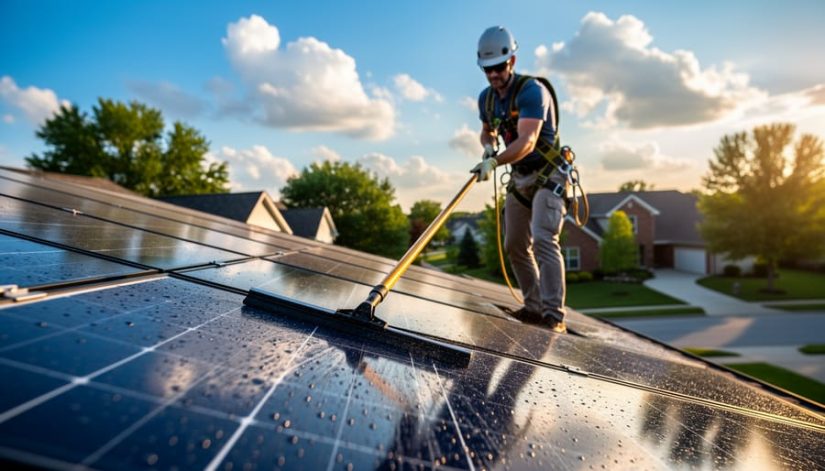
Maintenance, on the other hand, involves the physical upkeep and repairs needed to keep your panels and equipment in optimal condition. This includes regular cleaning to remove dirt, debris, and bird droppings that reduce efficiency, inspecting mounting hardware for wear or damage, checking electrical connections for corrosion, and replacing components when necessary. In Illinois, where we experience distinct seasonal changes, maintenance might also address snow removal and weather-related inspections.
It’s important to understand that operations and maintenance differs significantly from your initial installation or manufacturer warranties. Installation gets your system up and running, while warranties protect you against equipment defects. O&M services, however, ensure your system continues performing at peak capacity throughout its 25-plus year lifespan. Professional O&M typically includes preventive care, performance monitoring, troubleshooting, repairs, and detailed reporting on your system’s output. This comprehensive approach maximizes your energy production and return on investment while minimizing unexpected downtime.
The Real Cost of Skipping Solar Maintenance in Illinois
Performance Degradation You Can’t See
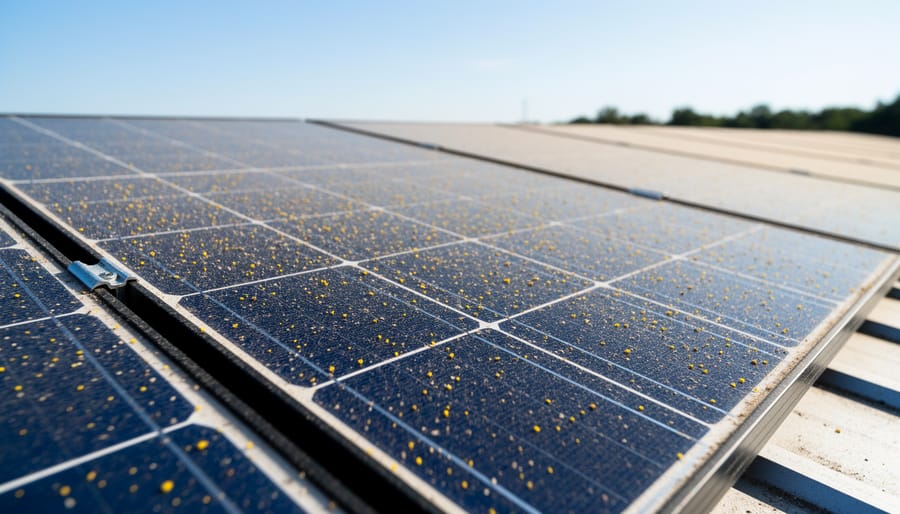
Your solar panels might be underperforming right now without showing any obvious signs of damage. In Illinois, several environmental factors quietly chip away at your system’s efficiency. During winter months, salt spray from road treatments settles on panels, creating a film that blocks sunlight. If you live near agricultural areas, seasonal dust from farming operations coats panel surfaces, reducing energy absorption by up to 25% in some cases. Bird droppings are another common culprit, creating hot spots that force panels to work harder while producing less power.
These contaminants don’t need to completely cover your panels to impact performance. Even a thin layer of grime can significantly reduce output. The challenge is that your system continues running, so you might not notice the gradual decline in production. Regular cleaning and inspection by experienced professionals ensures you’re capturing every available kilowatt-hour. As a locally owned company with expertise in Illinois conditions, we understand exactly what your panels face throughout the year and how to address these region-specific challenges before they cost you money.
Small Problems That Become Expensive Repairs
Small maintenance issues can quickly spiral into costly repairs when ignored. Loose electrical connections, for example, may seem harmless but can cause system inefficiencies and even pose fire risks. A simple tightening procedure during routine maintenance costs minimal time and money, but replacing damaged wiring or repairing fire damage can run into thousands of dollars.
Micro-cracks in solar panels often develop from weather stress or installation issues. While individual cracks might reduce a single panel’s output by only a few percentage points initially, they expand over time and can eventually cause complete panel failure. Replacing one panel might cost $200-300, but replacing multiple panels after years of neglect could exceed $2,000.
Inverter faults represent another common escalation point. Early warning signs like error codes or reduced output are easy to address with software updates or minor component replacements, typically costing $100-500. However, a completely failed inverter replacement can cost $1,500-3,000 or more for commercial systems. Illinois weather conditions, including freeze-thaw cycles and temperature extremes, make these preventive checks especially important. Regular professional inspections catch these problems early, protecting your investment and maintaining optimal energy production.
Lost Incentives and Warranty Complications
Neglecting proper maintenance can have serious financial consequences beyond just reduced energy production. Many Illinois solar incentive programs require proof of regular maintenance to maintain eligibility for rebates and performance-based incentives. Failing to document routine inspections and cleaning may result in lost incentive payments that helped make your system financially viable.
Manufacturer warranties also depend on proper care. Most solar panel and inverter warranties explicitly require regular maintenance according to specified guidelines. If you experience equipment failure and cannot demonstrate consistent upkeep, manufacturers may deny warranty claims, leaving you responsible for expensive repairs or replacements. Professional maintenance services provide detailed documentation that protects both your incentive eligibility and warranty coverage, ensuring your investment remains fully protected throughout your system’s lifespan.
Core Components of Professional Solar O&M Service
Regular System Inspections and Monitoring
Regular system inspections form the backbone of effective solar maintenance. For most residential and commercial systems in Illinois, professional inspections should occur at least once or twice annually—typically in spring and fall to prepare for peak production seasons and harsh winter conditions. These inspections involve visual examinations of panels for cracks or damage, checking mounting hardware for stability, inspecting electrical connections, and verifying inverter performance.
Modern monitoring systems provide real-time insights into your solar array’s health. These platforms track production data, comparing actual output against expected generation based on weather conditions and historical performance. They calculate performance ratios—a key metric showing how efficiently your system operates compared to ideal conditions. When something goes wrong, monitoring systems generate immediate alerts for issues like inverter failures, unusual voltage drops, or significant production decreases.
For Illinois solar owners dealing with seasonal weather variations, monitoring becomes especially valuable. A sudden production drop might indicate snow coverage requiring removal, or it could signal a more serious electrical issue. Professional monitoring combined with regular inspections ensures problems get identified and addressed quickly, maximizing your system’s energy production and protecting your solar investment throughout the year.
Preventive Maintenance Tasks
Regular preventive maintenance keeps your solar investment generating maximum energy for decades. Understanding these essential tasks helps you maintain peak system performance, whether you handle basic upkeep yourself or work with professional O&M providers.
Panel cleaning represents one of the most important maintenance activities. Illinois weather brings dust, pollen, bird droppings, and seasonal debris that accumulate on solar panels and reduce energy production. While rain provides some natural cleaning, it rarely removes all buildup. Professional cleaning typically occurs two to four times annually, using deionized water and soft brushes to avoid scratching the glass surface. Many homeowners can safely clean ground-mounted panels themselves, but rooftop systems require professional attention for safety reasons.
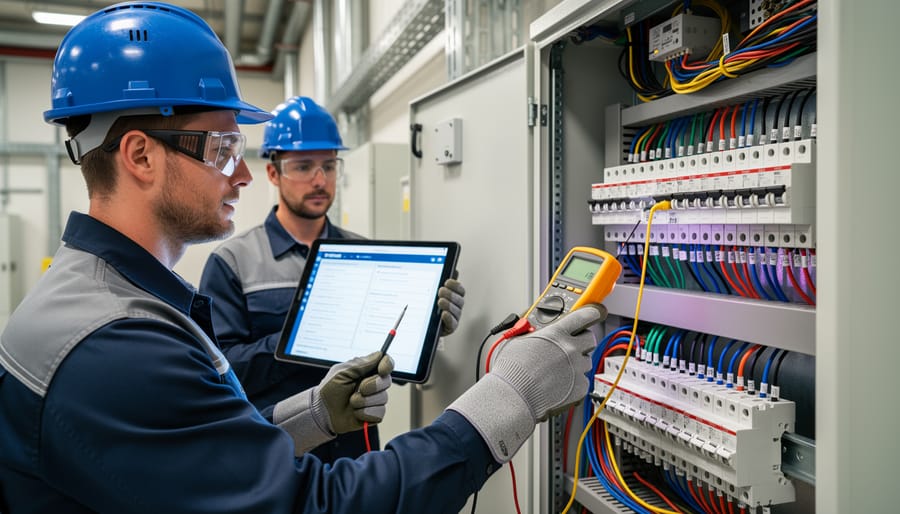
Electrical connection inspections identify potential problems before they cause system failures. Technicians examine wiring for signs of wear, corrosion, or loose connections that could create safety hazards or reduce efficiency. These checks include tightening terminals, testing voltage levels, and inspecting conduits for damage from weather or wildlife.
Inverter servicing ensures this critical component continues converting DC power to usable AC electricity. Maintenance includes cleaning air filters, checking cooling fans, updating firmware, and verifying performance metrics align with manufacturer specifications.
For ground-mount installations, vegetation management prevents shading issues that dramatically impact production. Regular mowing and trimming around your array maintains proper clearance, while monitoring for tree growth ensures nothing blocks sunlight as landscapes change over time. Proactive vegetation control protects your system’s output and prevents pest habitats near electrical equipment.
Corrective Repairs and Troubleshooting
When solar panels underperform or stop working entirely, quick action prevents revenue loss and system damage. Professional O&M teams use specialized monitoring tools to identify problems immediately, whether it’s a failed inverter, damaged panel, or wiring issue. The repair process typically begins with diagnostic testing to pinpoint the exact cause, followed by component replacement or repair using manufacturer-approved parts.
In Illinois, weather-related damage requires particular attention. Heavy snow loads can stress mounting systems, while ice accumulation may damage panels or connections. Summer hailstorms occasionally crack panel surfaces, and strong winds can loosen racking components. Experienced technicians assess this damage and perform repairs that restore full functionality while preventing future issues.
Common repairs include replacing malfunctioning inverters, fixing or replacing cracked panels, repairing compromised wiring connections, and addressing tracking system failures in larger installations. Local O&M providers maintain inventories of frequently needed components to minimize downtime. They also document all repairs thoroughly, which helps identify patterns that might indicate larger system issues requiring attention.
The goal is always the same: restore your system to optimal performance as quickly as possible, ensuring you continue generating clean energy and maximizing your solar investment.
Performance Reporting and Documentation
Regular performance reporting is essential for maximizing your solar investment. Your system should be monitored continuously, with detailed reports generated monthly or quarterly that track energy production, system efficiency, and any deviations from expected output. These reports should compare actual performance against projections, identify underperforming components, and document weather impacts specific to Illinois conditions like snow coverage or extended cloudy periods. This documentation creates a valuable historical record that helps predict maintenance needs, validate warranty claims, and demonstrate system value if you decide to sell your property. Working with locally owned solar experts who understand Illinois solar patterns ensures you receive meaningful insights from your performance data, not just raw numbers, allowing you to make informed decisions about system upgrades or adjustments that protect and enhance your long-term return on investment.
Illinois-Specific O&M Considerations
Weather and Seasonal Impacts
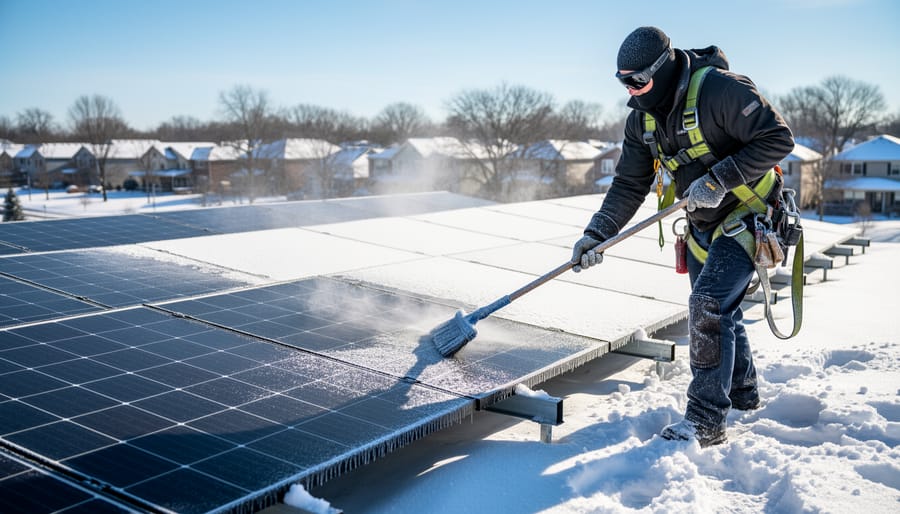
Illinois’s diverse weather patterns create unique challenges for solar system performance and longevity. The state experiences harsh winters with heavy snow accumulation, freezing temperatures, and ice formation that can temporarily reduce energy production. During winter months, snow covering panels blocks sunlight and requires removal, though most systems are installed at angles that promote natural snow shedding.
Spring and summer bring severe thunderstorms with high winds and hail, which can potentially damage panels if systems aren’t properly installed with impact-resistant materials. Regular inspections after major weather events help identify cracks, loose mounting hardware, or electrical issues before they escalate.
Temperature fluctuations throughout the year also affect panel efficiency and equipment performance. While solar panels actually perform more efficiently in cooler temperatures, extreme heat during Illinois summers can reduce output. These seasonal performance impacts require monitoring and adjustments to maintenance schedules.
Locally owned Illinois solar providers understand these regional weather patterns and design maintenance programs accordingly. Fall debris from trees, spring pollen buildup, and summer dust accumulation all necessitate seasonal cleaning schedules tailored to Illinois conditions, ensuring your system maintains optimal performance year-round regardless of weather challenges.
Local Regulations and Utility Requirements
Illinois solar system owners must comply with specific state regulations and utility interconnection standards to maintain their renewable energy credits and incentive eligibility. The Illinois Shines program requires ongoing performance verification and documentation to ensure systems operate as designed. Regular operations and maintenance help you stay compliant with Illinois Environmental Protection Agency guidelines and local utility requirements, which vary by service territory. Professional O&M providers familiar with Illinois regulations handle necessary reporting, performance monitoring, and documentation to keep your system compliant. This includes tracking production data for incentive programs, maintaining safety standards set by the Illinois Commerce Commission, and ensuring your system meets updated code requirements. Locally owned O&M companies understand regional compliance nuances and can navigate utility-specific interconnection agreements efficiently, protecting your investment and ensuring uninterrupted credit generation.
Maximizing Illinois Solar Incentives
Proper maintenance is essential for maximizing your return on investment through Illinois solar incentives. Well-maintained systems qualify for Renewable Energy Credits (RECs) through the Illinois Shines program, which provides significant financial benefits to solar owners. These credits are based on actual energy production, meaning poorly maintained systems that underperform may reduce your incentive payments.
Illinois solar owners participating in state programs must demonstrate their systems meet performance standards. Regular professional maintenance ensures your panels operate at rated capacity, keeping you compliant with program requirements. Documentation of maintenance activities may be required for certain incentive programs, making scheduled inspections and repairs crucial for continued eligibility.
The Illinois Solar for All program and various utility rebate programs also prioritize system reliability. A locally owned solar company with expertise in solar energy understands these state-specific requirements and can help you navigate compliance while ensuring your system delivers maximum energy production and incentive value throughout its lifespan.
When to Handle Maintenance Yourself vs. Hiring Professionals
DIY-Friendly Maintenance Tasks
While professional services handle complex repairs and diagnostics, there are several straightforward maintenance tasks you can perform to keep your solar system running efficiently. Regular visual inspections are essential—walk around your property monthly to check for obvious debris like leaves, bird droppings, or snow accumulation on panels. Look for any visible damage such as cracks, discoloration, or loose mounting hardware that might need professional attention.
Monitoring your system’s output through your inverter display or monitoring app is another crucial DIY task. Familiarize yourself with your system’s typical production patterns and watch for unexpected drops in energy generation, which could indicate a problem requiring professional evaluation. Most modern systems provide real-time data that makes this monitoring simple and accessible from your smartphone.
Keep surrounding vegetation trimmed to prevent shading issues that can significantly impact performance. In Illinois, seasonal changes mean different maintenance priorities—clear snow carefully in winter and check for storm damage after severe weather events. Document any unusual observations and maintain a simple log of your system’s performance, which can be valuable information if you need to contact a professional service provider for assistance.
Why Some Jobs Require Professional Service
While basic cleaning and visual inspections are manageable tasks for most solar system owners, certain maintenance activities require professional expertise. Working with electrical systems always carries safety risks, and solar panels operate at high voltages that can cause serious injury without proper training and protective equipment. Additionally, accessing rooftop installations presents fall hazards that professionals are equipped to handle with appropriate safety gear and protocols.
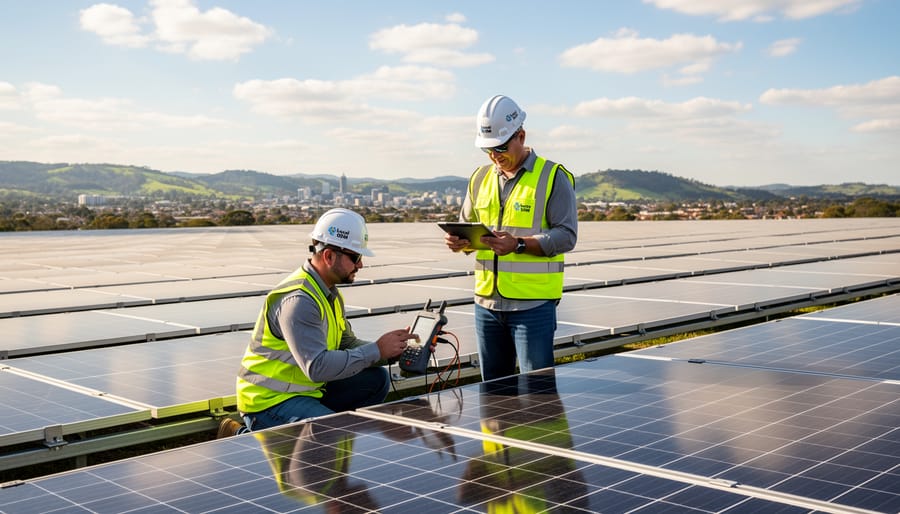
Professional solar technicians have specialized diagnostic equipment to accurately test system performance, identify electrical faults, and measure efficiency that isn’t available to typical homeowners or business owners. They understand the complex wiring, inverter systems, and monitoring technology that keep your solar array functioning optimally.
Warranty protection is another critical consideration. Many solar equipment manufacturers require professional installation and maintenance to keep warranties valid. Attempting DIY repairs or using unlicensed contractors can void these protections, potentially leaving you responsible for expensive equipment replacements.
Illinois experiences diverse weather conditions throughout the year, from heavy snow to intense summer heat, which can create unique maintenance challenges. Locally owned solar service providers understand these regional factors and have experience addressing weather-related issues specific to our state’s climate patterns, ensuring your investment remains protected year-round.
Choosing the Right O&M Provider in Illinois
Essential Qualifications and Certifications
When selecting a solar operations and maintenance provider in Illinois, certain qualifications separate professional companies from less reliable options. The North American Board of Certified Energy Practitioners (NABCEP) certification represents the gold standard in solar industry credentials. NABCEP-certified technicians have demonstrated comprehensive knowledge of photovoltaic systems and adhere to recognized safety and performance standards.
Beyond certifications, verify that your O&M provider carries appropriate licensing for electrical work in Illinois and maintains comprehensive liability insurance and workers’ compensation coverage. This protects you from potential damages during maintenance visits and ensures technicians can legally perform necessary electrical repairs.
Reputable providers should also demonstrate familiarity with Illinois-specific regulations, including interconnection requirements and utility protocols. Experience with your particular system type, whether residential rooftop or commercial ground-mount, matters significantly. Ask potential providers about their training programs, years of experience, and whether they employ in-house certified electricians. Locally owned companies often bring valuable knowledge of regional weather patterns and their impact on solar performance, helping you maximize your investment’s long-term returns.
The Value of Local, Experienced Providers
When it comes to maintaining your solar investment, partnering with a locally owned Illinois company provides distinct advantages that out-of-state providers simply cannot match. Local companies understand the unique weather patterns, seasonal challenges, and regional regulations that affect solar performance in Illinois. From harsh winter conditions to summer storms, experienced local providers know exactly what issues to anticipate and how to address them quickly.
Response time makes a critical difference when your system needs attention. A nearby service provider can dispatch technicians within hours rather than days, minimizing downtime and lost energy production. This proximity translates directly into better system performance and protected revenue for your installation.
Building relationships with local Illinois solar services providers also means working with teams invested in your community’s success. These companies depend on local reputation and long-term customer satisfaction, ensuring they remain accountable and responsive throughout your system’s 25-plus year lifespan. They understand Illinois incentive programs, utility interconnection requirements, and can provide personalized service that considers your specific location and energy goals. When you choose local expertise, you’re not just getting maintenance—you’re gaining a trusted partner committed to maximizing your solar investment for decades to come.
Service Agreements and What They Should Include
A well-structured service agreement protects both you and your O&M provider by clearly defining expectations. Your contract should specify exactly which services are included, such as routine inspections, panel cleaning, performance monitoring, and equipment repairs. Response times are particularly important for Illinois solar systems, where weather-related issues may require prompt attention. Look for agreements that guarantee response within 24-48 hours for system failures and scheduled maintenance visits at least twice annually.
Pricing structures vary among providers. Some offer fixed monthly fees that cover all routine maintenance, while others charge per visit or use tiered pricing based on system size. Understanding what triggers additional costs, such as replacement parts or emergency service calls, helps you budget accurately. Reputable locally owned providers will transparently outline warranty coverage, liability insurance, and performance guarantees. Before signing, verify that the agreement includes detailed reporting on system performance, maintenance activities performed, and any recommended upgrades. This documentation proves invaluable for warranty claims and helps track your system’s long-term value.
The Long-Term ROI of Professional Solar Maintenance
Professional solar operations and maintenance might seem like an added expense, but the numbers tell a different story. When you look at the long-term financial picture, investing in regular O&M services actually increases your overall return on investment significantly.
The most immediate benefit shows up in your energy production. A well-maintained solar system in Illinois can produce 15-25% more electricity than a neglected one. For a typical residential system, this translates to hundreds of dollars in additional energy savings annually. Over a 25-year system lifespan, that difference compounds substantially. Business owners and industrial facilities with larger arrays see even more dramatic returns, often recovering their O&M costs within the first few years through improved performance alone.
System longevity represents another major financial advantage. Solar panels are designed to last 25-30 years, but this assumes proper care. Regular maintenance prevents small issues from becoming expensive replacements. A corroded connection caught early costs pennies to fix, while the same problem left unaddressed can damage inverters or panels, leading to repair bills in the thousands. Professional O&M services identify these problems before they escalate.
Beyond production gains and equipment protection, maintenance preserves your warranty coverage. Most manufacturers require documented maintenance to honor their guarantees. Skipping professional service could void these protections, leaving you responsible for replacement costs that should have been covered.
Insurance companies increasingly recognize this value too. Many providers offer reduced premiums for systems with documented maintenance contracts, adding another layer of savings. When you calculate increased production, extended equipment life, avoided emergency repairs, and potential insurance discounts, professional O&M services typically deliver a return of three to five dollars for every dollar invested.
Your solar panel system represents a significant investment in clean energy and long-term savings, but like any valuable asset, it requires ongoing attention to deliver maximum returns. Regular operations and maintenance aren’t optional extras—they’re essential components of protecting your investment and ensuring your system performs at peak efficiency throughout its 25-30 year lifespan.
Whether you’re a homeowner, business owner, or facility manager in Illinois, now is the time to honestly assess your current maintenance approach. Are you conducting regular inspections? Monitoring performance data? Addressing potential issues before they become costly problems? If the answer is uncertain, professional O&M services can provide the expertise and consistency your system needs.
As a locally owned company with deep expertise in solar energy and Illinois-specific conditions, we understand the unique challenges your system faces—from harsh winter weather to summer storm damage. Professional O&M services don’t just maintain your panels; they maximize energy production, extend equipment life, protect warranty coverage, and give you peace of mind.
Contact us today to discuss how a customized maintenance plan can safeguard your solar investment and keep your system generating clean, cost-effective power for decades to come.
