

How Illinois Solar Advocates Are Building Tomorrow’s Clean Energy Workforce
Consumer advocacy programs stand at the forefront of Illinois’s renewable energy revolution, protecting homeowners and businesses while driving sustainable economic growth. These initiatives ensure fair practices, transparent pricing, and quality standards in solar installations while creating pathways for clean energy economic benefits throughout the state. By connecting trained professionals with energy consumers, these programs serve as vital bridges between Illinois residents seeking reliable solar solutions and certified installers committed to industry best practices.
Through rigorous oversight and standardized processes, consumer advocacy programs help Illinois families and businesses make informed decisions about their energy future while safeguarding their investments. These programs combine consumer protection measures with workforce development initiatives, ensuring that as our state transitions to renewable energy, both installers and consumers are equipped with the knowledge and resources needed for successful solar adoption.
The Role of Consumer Advocacy in Clean Energy
Protecting Consumer Interests
Consumer advocacy programs play a vital role in safeguarding homeowners and businesses throughout their solar installation journey. These programs establish strict quality standards and verification processes that installers must follow, ensuring all work meets local building codes and safety requirements. They also provide independent oversight of pricing practices, helping consumers avoid inflated costs and hidden fees.
Through dedicated consumer protection mechanisms, advocacy programs require clear, written contracts that outline project specifics, warranties, and performance guarantees. They maintain databases of certified installers and track their performance history, making it easier for consumers to make informed decisions. When issues arise, these programs offer mediation services and support to resolve disputes between customers and installers.
Additionally, advocacy programs conduct regular audits of installations and maintain communication channels for consumer feedback, creating a transparent ecosystem that promotes trust and accountability in Illinois’s growing solar energy market. This comprehensive approach ensures that consumers receive quality installations while supporting the industry’s sustainable growth.
Education and Awareness
Consumer advocacy programs prioritize educating Illinois residents about the advantages of solar energy through various outreach initiatives. These programs organize workshops, webinars, and community events where experts explain solar technology, installation processes, and financial benefits in clear, accessible terms. Participants learn about available energy efficiency incentive programs, tax credits, and rebates specific to Illinois.
Educational materials are tailored to different audiences, from homeowners considering rooftop solar to businesses exploring commercial installations. Programs often include guided tours of local solar installations, allowing potential adopters to see systems in action and speak with experienced owners. Digital resources, including online calculators and decision-making tools, help consumers evaluate their solar potential and expected returns.
These initiatives also focus on consumer protection, teaching participants how to identify qualified contractors, understand warranty terms, and avoid common pitfalls in the solar adoption process.
Workforce Development Initiatives
Training Programs and Certifications
Illinois offers several pathways for individuals interested in becoming consumer advocates in the clean energy sector. The Illinois Commerce Commission (ICC) provides specialized training programs focused on consumer protection and energy policy. These programs cover essential topics such as regulatory frameworks, consumer rights, and dispute resolution processes.
The Illinois Clean Energy Champion certification program, available through local community colleges, equips participants with fundamental knowledge of renewable energy systems and consumer advocacy skills. This comprehensive program includes both classroom instruction and hands-on training components.
Professional organizations like the Citizens Utility Board (CUB) offer continuing education opportunities and workshops throughout the year. These sessions help advocates stay current with evolving energy policies and consumer protection regulations specific to Illinois.
For those seeking advanced credentials, the Building Performance Institute (BPI) certification is widely recognized in Illinois. This certification validates expertise in home energy performance and consumer education, making it valuable for advocates working in residential energy efficiency programs.
Additionally, the Illinois Solar Energy Association provides specialized training focused on solar consumer protection and advocacy, helping ensure that homeowners receive accurate information and fair treatment in their solar energy investments.
Job Creation and Career Paths
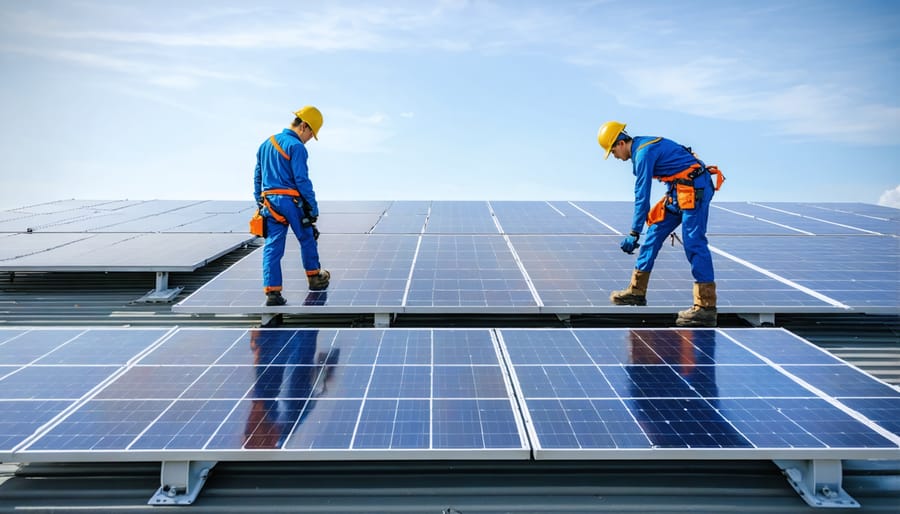
The solar industry in Illinois continues to experience remarkable growth, creating numerous job opportunities across various skill levels and specializations. From solar installers and technicians to project managers and system designers, the field offers diverse career paths with competitive salaries and advancement potential.
Entry-level positions typically begin with installation and maintenance roles, requiring minimal experience but providing comprehensive on-the-job training. As professionals gain expertise, they can advance to senior technical positions, sales roles, or management positions. Many companies also offer apprenticeship programs that combine practical experience with classroom instruction.
The consumer advocacy program supports workforce development by connecting job seekers with training resources, certification programs, and potential employers. Local community colleges and technical schools have partnered with industry leaders to develop curriculum that meets current market demands. These educational pathways often include hands-on experience with solar equipment and real-world project scenarios.
For those interested in the business aspect, opportunities exist in sales, customer service, and project coordination. The program also promotes entrepreneurship, helping qualified professionals establish their own solar installation or consulting businesses within Illinois’s growing renewable energy market.
Consumer Benefits and Protections
Quality Assurance Standards
Consumer advocacy programs maintain rigorous quality assurance standards to protect homeowners and businesses investing in solar energy solutions. These standards typically include certification requirements for installers, equipment quality checks, and performance verification protocols. In Illinois, solar contractors must meet specific licensing requirements and maintain proper insurance coverage to participate in state-approved programs.
Key quality measures include third-party inspections of installed systems, documentation of equipment warranties, and verification of system performance metrics. Programs often require participating contractors to maintain certain customer satisfaction ratings and respond promptly to service requests. Regular audits ensure compliance with safety codes and installation best practices.
Additionally, consumer protection mechanisms include clear disclosure requirements for pricing, energy production estimates, and contract terms. Many programs maintain databases of verified contractors and track their performance history. This transparency helps consumers make informed decisions while ensuring accountability in the solar energy marketplace. Regular program evaluations and updates to certification requirements help maintain high standards as technology and industry practices evolve.
Consumer Rights and Resources
When considering solar installation, Illinois residents have access to numerous consumer protection resources and support systems. The Illinois Consumer Protection Division offers guidance and dispute resolution services specifically for renewable energy projects. Through various energy justice initiatives, consumers can access free consultation services, contractor verification tools, and educational materials about their rights and responsibilities.
The Illinois Solar Consumer Protection Checklist serves as a valuable resource, helping homeowners understand contract terms, warranty provisions, and installation standards. Consumers can also access the Illinois Solar Rights Database, which outlines specific protections against homeowners’ association restrictions and ensures fair access to solar installation.
For additional support, the Illinois Solar Energy Association maintains a hotline where consumers can report concerns, verify contractor credentials, and receive guidance on best practices. These resources, combined with regular workshops and informational sessions, ensure Illinois residents can make informed decisions about their solar energy investments while feeling protected throughout the process.

Local Impact and Success Stories
The consumer advocacy program in Illinois has made significant strides in protecting homeowners while fostering growth in the solar energy sector. One notable success story comes from Springfield, where the program helped 150 homeowners navigate solar installation contracts and secure fair pricing in 2022, resulting in average savings of $3,500 per household.
In Peoria, the program’s intervention led to the successful resolution of 25 consumer complaints against misleading solar marketing practices, establishing clearer guidelines for solar companies operating in the region. This action not only protected consumers but also helped legitimate solar businesses thrive by creating a more transparent marketplace.
The workforce development aspect has been equally impactful. In Chicago’s South Side, the program partnered with local technical schools to train 75 residents in solar installation and maintenance. Within six months of completing the program, 80% of graduates secured full-time positions with local solar companies, earning an average starting salary of $45,000 annually.
Small businesses have also benefited. In Aurora, the program helped 30 local contractors obtain solar certification and proper licensing, enabling them to expand their services and create new jobs. These businesses collectively reported a 40% increase in revenue after joining the solar market.
The program’s community outreach efforts in Rockford resulted in the formation of a solar cooperative, allowing 200 homeowners to pool their resources and secure bulk pricing for solar installations. This initiative saved participants an average of 20% on installation costs while ensuring high-quality workmanship through vetted contractors.
These success stories demonstrate how consumer protection and workforce development can work hand in hand to build a stronger, more reliable solar energy market in Illinois.
Consumer advocacy programs play a vital role in shaping the future of clean energy workforce development in Illinois. By ensuring fair practices, protecting consumer interests, and maintaining high industry standards, these programs create a foundation of trust that benefits both consumers and workers. They help establish quality training programs, certification standards, and ethical business practices that lead to better job opportunities and more reliable clean energy installations. For homeowners and businesses investing in solar energy, these advocacy efforts mean access to well-trained professionals and quality workmanship. Moreover, the continued growth of consumer protection initiatives directly contributes to the expansion of green jobs, making clean energy careers more attractive and sustainable for Illinois residents. This symbiotic relationship between consumer protection and workforce development ensures the long-term success of our state’s clean energy transition.
