

How Smart Energy Companies Shield Their Supply Chains From Disruption
Building resilient supply chains demands a strategic combination of advanced technology, diversified sourcing, and proactive risk management – particularly crucial for Illinois’s growing solar energy sector. Establish multiple qualified supplier relationships across different geographic regions to create unbreakable energy systems that withstand disruption. Implement real-time inventory tracking systems integrated with predictive analytics to anticipate shortages and automatically trigger contingency plans. Maintain strategic buffer stock of critical components while optimizing working capital through data-driven forecasting. Cross-train teams across supply chain functions and develop clear communication protocols for rapid response to disruptions. These foundational strategies create robust supply networks that protect solar energy investments and ensure consistent power delivery to Illinois homes and businesses, even during global market volatility or regional challenges.
Why Traditional Supply Chains Fall Short in Renewable Energy
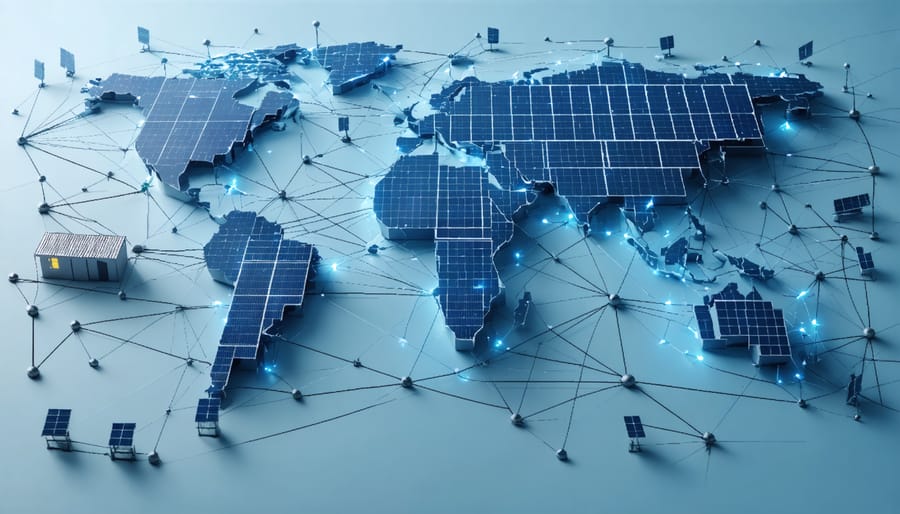
Global Dependencies and Local Impact
The interconnected nature of global supply chains has a direct impact on local solar installations in Illinois. When manufacturers in Asia face production challenges or shipping delays, it can affect the availability and cost of solar panels and components for Illinois projects. Recent years have shown how events like factory shutdowns, material shortages, or transportation bottlenecks halfway around the world can lead to extended wait times and price fluctuations for local installations.
For Illinois businesses and homeowners, these global dependencies mean that solar project timelines and budgets may need more flexibility. Working with local solar providers who maintain strong relationships with multiple suppliers and keep inventory on hand has become increasingly important. These providers can often navigate supply challenges more effectively, ensuring project continuity even when international supply chains face disruption.
Smart planning and early procurement have become essential strategies. By understanding lead times and potential bottlenecks, local installers can better manage customer expectations and maintain project momentum, even when facing global supply chain pressures.
Material Shortages and Price Volatility
The solar energy industry faces unique challenges when it comes to material availability and pricing. Key components like solar panels, inverters, and mounting systems often experience supply fluctuations due to global demand surges and manufacturing constraints. In Illinois, these challenges are particularly notable during peak installation seasons when demand outpaces supply.
Raw material shortages, especially in silicon and silver used in solar cell production, can lead to unexpected price increases and extended lead times. Recent supply chain disruptions have shown how dependent the solar industry is on international manufacturers, with some components seeing price variations of up to 40% within months.
To navigate these challenges, Illinois solar providers are increasingly diversifying their supplier networks and maintaining strategic inventory reserves. Some companies are forming partnerships with multiple manufacturers to ensure steady component availability, while others are implementing just-in-time inventory systems with built-in buffers for critical materials.
Weather events and transportation delays can further compound these issues, making it essential for solar businesses to develop robust contingency plans and maintain transparent communication with customers about potential timeline impacts.
Building a Resilient Solar Supply Network
Diversifying Supplier Relationships
Building strong relationships with multiple suppliers is crucial for maintaining a resilient solar energy supply chain in Illinois. Rather than relying on a single source, successful companies typically maintain partnerships with three to five suppliers for critical components like solar panels, inverters, and mounting systems.
Start by identifying potential suppliers who meet your quality standards and have proven track records in the renewable energy sector. Look for partners who demonstrate financial stability, consistent delivery performance, and a commitment to sustainability. Consider local suppliers when possible, as they can often provide faster response times and reduced transportation costs.
Develop clear communication channels and establish regular performance reviews with each supplier. This helps maintain transparency and ensures all parties understand expectations and capabilities. Consider implementing shared inventory management systems to track stock levels and forecast needs accurately.
Create tiered supplier agreements that account for different volume requirements and delivery timeframes. This flexibility allows you to scale orders up or down based on market demands while maintaining favorable pricing structures. Include contingency plans in these agreements that outline procedures for supply disruptions.
Remember to invest in relationship building beyond just transactions. Regular site visits, joint planning sessions, and collaborative problem-solving help create stronger partnerships. This approach not only secures your supply chain but also often leads to innovation and process improvements that benefit both parties.
Local Sourcing Advantages
Working with Illinois-based suppliers offers numerous strategic advantages for solar energy businesses looking to build resilient supply chains. Local partnerships reduce transportation costs and delivery times while providing greater visibility and control over the supply network. This proximity enables quick response times to changing market conditions and faster problem resolution when issues arise.
Illinois suppliers understand the unique requirements of our state’s renewable energy market, including specific regulations, climate considerations, and installation requirements. By partnering with local manufacturers and distributors, businesses can benefit from shared regional knowledge and expertise, leading to more effective decentralized energy solutions tailored to local needs.
The economic benefits extend beyond individual businesses, creating a robust local economy that strengthens the entire renewable energy sector in Illinois. Local sourcing supports job creation, promotes sustainable business practices, and builds long-term relationships that enhance supply chain resilience. Additionally, shorter supply chains reduce carbon emissions from transportation, aligning with environmental sustainability goals.
During times of global supply chain disruption, local suppliers often prove more reliable and adaptable than distant alternatives. Their proximity allows for more frequent quality control checks, easier communication, and the flexibility to adjust orders based on immediate needs. This localized approach helps businesses maintain consistent inventory levels and meet customer demands more effectively.
Smart Inventory Management
Effective inventory management in the solar energy sector requires a delicate balance between maintaining adequate stock levels and meeting project demands efficiently. By implementing smart tracking systems and predictive analytics, businesses can optimize their inventory without tying up excessive capital in stored components.
Real-time monitoring solutions enable companies to track solar panel components, inverters, and energy storage solutions across multiple locations. This visibility helps prevent stockouts while maintaining lean operations. Advanced inventory management systems can automatically trigger reorders when stock reaches predetermined levels, considering factors like seasonal demand fluctuations and supplier lead times.
For Illinois solar businesses, weather patterns and regional market demands play crucial roles in inventory planning. Smart systems can analyze historical data alongside weather forecasts to anticipate equipment needs for upcoming installations. This proactive approach helps companies maintain optimal stock levels during peak installation seasons while reducing carrying costs during slower periods.
Integration with supplier networks allows for better coordination and faster response to supply chain disruptions. By maintaining strong relationships with multiple suppliers and implementing vendor-managed inventory programs, businesses can ensure consistent access to critical components while minimizing warehouse space requirements.

Technology Solutions for Supply Chain Visibility
Real-time Monitoring Systems
Real-time monitoring systems have revolutionized how businesses track and manage their supply chains, offering unprecedented visibility into inventory movements and shipment status. These systems utilize a combination of GPS tracking, IoT sensors, and cloud-based platforms to provide instant updates on product location, condition, and estimated arrival times.
Smart sensors placed throughout the supply chain collect vital data on temperature, humidity, and handling conditions, ensuring that sensitive solar components remain within acceptable parameters during transit. This is particularly crucial for solar panels and electrical components that require specific environmental conditions for optimal performance.
Advanced tracking systems enable companies to monitor inventory levels across multiple locations, automatically triggering reorder points to prevent stockouts. These systems can also detect potential delays or disruptions in real-time, allowing managers to implement contingency plans before issues escalate.
Mobile applications and dashboard interfaces make this information easily accessible to team members at all levels, facilitating quick decision-making and coordinated responses to supply chain challenges. The integration of artificial intelligence helps predict potential bottlenecks and suggests optimal routing alternatives based on historical data and current conditions.
For Illinois solar businesses, these monitoring capabilities are especially valuable during extreme weather events or seasonal demand fluctuations, ensuring consistent service delivery to customers while maintaining efficient inventory management.
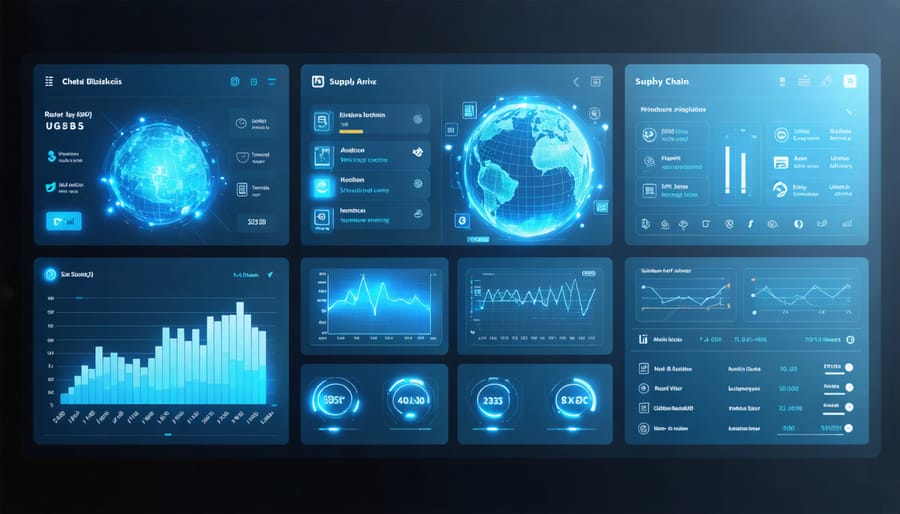
Predictive Analytics in Supply Planning
Predictive analytics has revolutionized supply chain management by enabling businesses to anticipate and prevent disruptions before they occur. By analyzing historical data, market trends, and real-time information, companies can identify potential bottlenecks and supply chain vulnerabilities with remarkable accuracy.
Modern supply planning systems utilize machine learning algorithms to process vast amounts of data from multiple sources, including weather patterns, shipping routes, supplier performance metrics, and market demand fluctuations. This comprehensive analysis helps businesses make informed decisions about inventory levels, supplier diversification, and resource allocation.
For example, in the solar energy sector, predictive analytics can forecast component availability based on global manufacturing trends, helping Illinois solar installers maintain optimal inventory levels. These systems can also anticipate seasonal demand patterns and adjust procurement strategies accordingly, ensuring consistent service delivery throughout the year.
Key benefits of implementing predictive analytics include:
– Early warning systems for potential supply chain disruptions
– Optimized inventory management and reduced carrying costs
– More accurate demand forecasting
– Better supplier relationship management
– Reduced operational risks
By incorporating real-time data analysis and predictive modeling, businesses can create more resilient supply chains that adapt quickly to changing market conditions. This proactive approach helps maintain business continuity while minimizing the impact of unexpected disruptions on operations and customer service.
Crisis-Ready Supply Chain Strategies
Emergency Response Planning
Effective emergency response planning is crucial for maintaining supply chain resilience in the solar energy sector. Companies should develop comprehensive contingency plans that outline specific actions for various disruption scenarios, from natural disasters to supplier bankruptcies. These plans should align with broader climate resilience strategies while addressing immediate operational concerns.
Key elements of a robust emergency response plan include establishing clear communication protocols, identifying backup suppliers, maintaining emergency inventory reserves, and creating detailed step-by-step procedures for different crisis scenarios. Regular testing and updating of these plans through simulated disruptions helps ensure their effectiveness when needed.
Illinois solar businesses should also consider regional factors such as extreme weather events and local regulatory changes when developing their response plans. Creating partnerships with local suppliers and maintaining relationships with multiple logistics providers can provide additional flexibility during emergencies. Regular staff training on emergency procedures and maintaining updated contact lists for key stakeholders are essential components of an effective response strategy.
Communication Protocols
Effective communication forms the backbone of a resilient supply chain, especially in the solar energy sector. Establishing clear, consistent communication channels with both suppliers and customers helps prevent misunderstandings and enables quick responses to potential disruptions. We recommend implementing a multi-channel communication strategy that includes regular video conferences, email updates, and real-time messaging platforms.
Set up automated notification systems to alert relevant stakeholders about inventory levels, shipping delays, or potential supply issues. This proactive approach allows for early intervention and alternative planning. Maintain a centralized documentation system where all communication protocols, contact information, and escalation procedures are readily accessible to team members.
Regular check-ins with suppliers help build stronger relationships and provide early warnings about potential challenges. Similarly, keeping customers informed about project timelines and any potential delays helps manage expectations and maintains trust. Consider implementing a customer portal where clients can track their orders and receive automated updates about their solar installation projects.
Documentation of all communications ensures accountability and provides valuable reference points for future planning and process improvement.
Building a resilient solar energy supply chain is crucial for ensuring a sustainable and reliable energy future in Illinois. By implementing comprehensive strategies such as diversifying suppliers, embracing digital technologies, and maintaining strong relationships with local partners, businesses can better withstand disruptions and continue serving their communities effectively.
The key to success lies in taking a proactive approach to risk management, regularly assessing potential vulnerabilities, and developing robust contingency plans. Smart inventory management, coupled with real-time monitoring systems, enables companies to respond swiftly to changing market conditions while maintaining optimal stock levels.
For Illinois businesses and homeowners investing in solar energy, working with locally-owned companies that understand the regional market and maintain strong supplier networks offers additional security. These partnerships often provide faster response times and more personalized solutions during supply chain disruptions.
Looking ahead, the integration of advanced technologies like AI and blockchain will continue to enhance supply chain visibility and efficiency. However, the human element remains crucial – building strong relationships with suppliers, maintaining open communication channels, and fostering a culture of continuous improvement are fundamental to long-term resilience.
By implementing these strategies, solar energy providers can ensure reliable service delivery while contributing to Illinois’s clean energy goals, creating a more sustainable and resilient energy landscape for future generations.
