
How Strong Supply Chains Keep Your Solar Energy Flowing (Even When Crisis Hits)
A resilient supply chain in solar energy operations safeguards against disruptions while maintaining consistent component availability and system performance. For Illinois solar installations, supply chain resilience extends beyond basic inventory management to encompass strategic supplier relationships, localized solutions, and adaptive procurement strategies. Understanding these fundamentals helps businesses and homeowners protect their solar investments from global market fluctuations, weather-related challenges, and unforeseen disruptions unique to the Midwest region. By implementing robust supply chain practices, Illinois solar stakeholders can ensure reliable access to critical components while maintaining competitive pricing and quality standards in an increasingly dynamic market environment.
The key elements of supply chain resilience include:
– Strategic supplier diversification
– Local warehousing capabilities
– Real-time inventory monitoring
– Risk assessment protocols
– Flexible transportation networks
This foundation of supply chain resilience directly impacts project timelines, maintenance schedules, and long-term system reliability for Illinois solar installations.
What Makes a Supply Chain Truly Resilient?

Flexibility and Adaptability
A resilient supply chain’s cornerstone is its ability to swiftly adapt to unexpected changes and disruptions. This flexibility manifests through multiple sourcing strategies, where companies maintain relationships with various suppliers across different geographical locations. By diversifying supplier networks, organizations can quickly pivot when one source faces challenges, ensuring continuous operations.
Smart inventory management plays a crucial role in adaptability. Companies implement dynamic stocking levels that adjust based on real-time data and market conditions. This approach allows them to maintain optimal inventory without overextending resources or risking stockouts. Additionally, modular system designs enable quick reconfigurations of production processes when needed.
Technology integration enhances this adaptability through real-time monitoring and predictive analytics. These tools help organizations anticipate potential disruptions and adjust their strategies proactively. Cloud-based systems enable seamless communication between supply chain partners, facilitating rapid response to changes in demand or supply conditions.
Cross-training employees and maintaining flexible workforce arrangements further strengthen a supply chain’s adaptability, ensuring operations can continue even when key personnel are unavailable.
Risk Management and Redundancy
Effective risk management in resilient supply chains requires a strategic approach to building redundancy into operations. Smart energy companies actively work to shield supply chains from disruption by maintaining relationships with multiple suppliers and establishing backup sourcing options. This multi-supplier strategy ensures that if one vendor faces challenges, alternative sources can quickly fill the gap.
For Illinois solar installations, this might include partnering with both local and national distributors of solar panels, inverters, and mounting systems. Companies often maintain emergency inventory levels and develop relationships with logistics providers across different regions to ensure continuous material flow. Additionally, implementing real-time monitoring systems helps identify potential disruptions early, allowing for proactive rather than reactive responses.
Digital tools and analytics platforms play a crucial role in managing these redundant systems, helping track inventory levels, supplier performance, and potential risks across the network. This comprehensive approach to risk management ensures that solar energy projects can proceed smoothly even when facing supply chain challenges.
Solar Supply Chain Challenges in Illinois
Weather-Related Disruptions
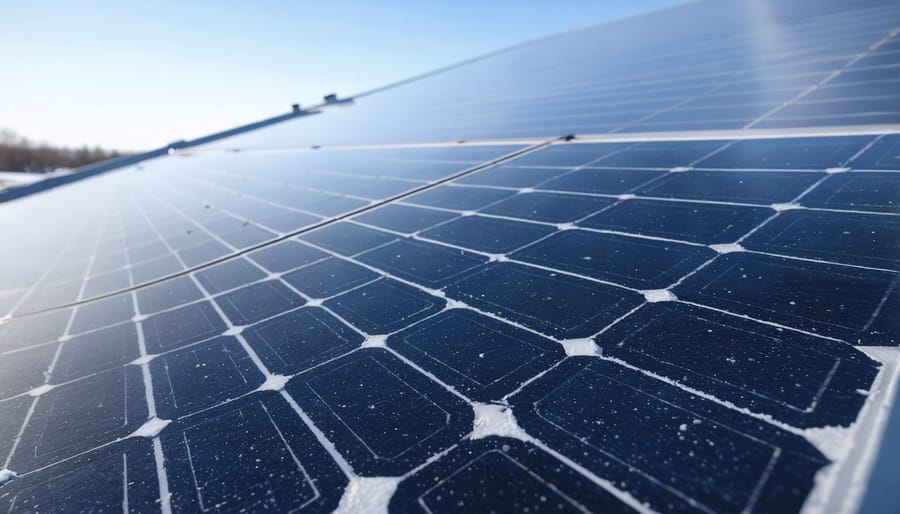
Weather poses significant challenges to supply chain resilience in Illinois, particularly for solar energy installations and component delivery. Extreme temperature fluctuations, heavy snowfall, and severe storms can delay shipments, damage inventory, and disrupt installation schedules. To maintain resilience, businesses must implement seasonal planning strategies that account for these weather-related risks.
Key mitigation approaches include maintaining climate-controlled storage facilities, developing alternative transportation routes, and building flexibility into delivery schedules. During winter months, when snow and ice can impact both ground transportation and rooftop installations, having multiple supplier relationships across different geographic regions helps ensure continuous operations.
Weather monitoring systems and predictive analytics enable proactive decision-making, allowing companies to adjust their supply chain operations before severe weather strikes. This might involve expediting deliveries ahead of storms or temporarily relocating inventory to safer facilities. By incorporating these weather-conscious strategies, businesses can maintain reliable solar component availability throughout Illinois’s diverse seasonal conditions.
Market Fluctuations
Market fluctuations pose significant challenges to supply chain resilience, particularly in the solar energy sector. Price variations can impact everything from raw materials to finished components, affecting project costs and timelines. To maintain stability, successful supply chains implement strategic pricing agreements and maintain relationships with multiple suppliers across different regions. Buffer inventory management helps protect against sudden availability issues, while diversified sourcing strategies reduce dependency on single markets or suppliers. In Illinois’ solar industry, weather-related disruptions and seasonal demand changes can amplify these challenges. Forward-thinking companies combat market volatility by leveraging data analytics to predict price trends, maintaining flexible supplier contracts, and developing alternative sourcing options. This proactive approach helps ensure consistent component availability and price stability, enabling smoother project execution even during market uncertainties.
Building a Crisis-Proof Solar Supply Network
Local Partnerships
Building strong relationships with local suppliers and manufacturers in Illinois creates a robust foundation for unbreakable energy systems. By partnering with regional businesses, solar installations benefit from shorter supply lines, faster response times, and reduced transportation costs. Local partnerships enable quick access to components and materials while supporting the state’s economy.
These relationships prove particularly valuable during supply chain disruptions, as nearby suppliers can often provide alternative solutions or expedited delivery when needed. Illinois-based suppliers understand local regulations, weather conditions, and installation requirements, ensuring components meet regional specifications. This familiarity translates into more reliable service and better-suited products for local installations.
Additionally, working with local partners allows for better quality control through direct communication and site visits. Regular face-to-face meetings help maintain strong working relationships and enable swift problem-solving when challenges arise. This proximity also facilitates collaborative innovation and customized solutions that address specific regional needs while maintaining supply chain resilience.
Technology Integration
Modern technology plays a crucial role in building and maintaining resilient supply chains. Digital platforms and smart monitoring systems provide real-time visibility into inventory levels, shipping status, and potential disruptions. Cloud-based supply chain management solutions enable businesses to track components from manufacturers to installation sites, ensuring smooth operations and minimizing delays.
Advanced analytics and artificial intelligence help predict potential supply chain disruptions before they occur, allowing companies to implement preventive measures. These tools analyze historical data, market trends, and external factors to optimize inventory management and supplier relationships.
Internet of Things (IoT) sensors monitor equipment conditions, track shipments, and maintain quality control throughout the supply chain. This technology integration enables quick responses to changes in demand or supply disruptions, helping businesses maintain consistent service levels.
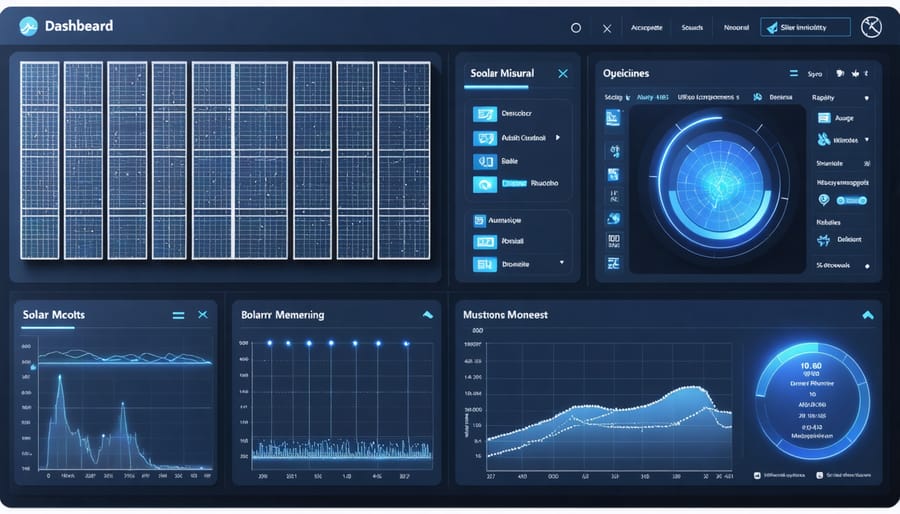
Mobile applications and digital dashboards give stakeholders immediate access to critical supply chain information, facilitating better decision-making and communication between suppliers, installers, and customers. This transparency helps build trust and ensures all parties stay informed about project timelines and material availability.
Future-Proofing Your Solar Investment
Ensuring the longevity of your solar energy system requires strategic planning and a comprehensive approach to future-proof solar investments. In Illinois’s dynamic energy landscape, implementing robust supply chain strategies is essential for maintaining reliable solar power generation for years to come.
Start by selecting components from manufacturers with established track records and multiple production facilities. This diversity in sourcing helps protect against regional disruptions and ensures a steady supply of replacement parts when needed. Consider partnering with local suppliers who maintain inventory of critical components, reducing dependency on long-distance shipping and potential international supply chain complications.
Regular maintenance scheduling is crucial for system longevity. Create a preventive maintenance calendar that includes component inspections, cleaning schedules, and performance monitoring. This proactive approach helps identify potential issues before they become critical, allowing for planned replacements rather than emergency repairs.
Data management plays a vital role in supply chain resilience. Implement a system to track component performance, maintenance history, and replacement cycles. This information helps predict when parts might need replacement and allows for strategic inventory management, preventing costly downtime due to parts unavailability.
Build relationships with multiple certified installers and maintenance providers in Illinois. Having a network of qualified professionals ensures access to expertise and support when needed, even if your primary service provider becomes unavailable. These relationships can also provide valuable insights into market trends and emerging technologies that could affect your system’s long-term performance.
Consider investing in energy storage solutions to enhance system resilience. Battery systems not only provide backup power during grid outages but also offer flexibility in managing energy supply and demand. This additional layer of energy security helps protect against both grid instability and supply chain disruptions affecting replacement components.
Finally, stay informed about industry developments and regulatory changes that could impact solar component availability or system requirements. Joining local solar energy associations and participating in community networks can provide early awareness of potential supply chain challenges and opportunities for system upgrades or improvements.
Building a resilient supply chain is essential for maintaining consistent solar energy installations and service delivery in Illinois. By implementing robust risk management strategies, diversifying supplier relationships, and maintaining strategic inventory levels, businesses can better weather disruptions and continue serving their customers effectively. Remember to regularly assess and update your supply chain strategies, invest in strong supplier partnerships, and leverage local resources when possible. Taking these proactive steps will help ensure your solar energy business remains reliable and responsive to customer needs, even during challenging times. Start by evaluating your current supply chain vulnerabilities and developing an action plan that incorporates these key principles of resilience.
