

Energy Efficiency Jobs Are Transforming Illinois’s Clean Energy Future
Energy efficiency jobs represent one of the fastest-growing sectors in Illinois’s emerging clean energy transition, offering diverse career paths with competitive salaries and strong growth potential. Building analysts, energy auditors, and retrofit specialists can earn $50,000-$85,000 annually, while senior energy managers and sustainability directors command six-figure salaries. The field desperately needs skilled professionals, with demand expected to grow 8% annually through 2030 as businesses and homeowners prioritize cost-saving efficiency measures.
Whether you’re a recent graduate, skilled tradesperson, or experienced professional seeking a career change, the energy efficiency sector offers multiple entry points. Engineering degrees, building science certifications, and hands-on construction experience all provide valuable pathways into this dynamic field. Local utilities, energy service companies, and consulting firms actively recruit professionals who can help Illinois businesses and residents reduce their energy consumption while supporting sustainability goals.
High-Demand Energy Efficiency Career Paths
Energy Auditors and Building Analysts
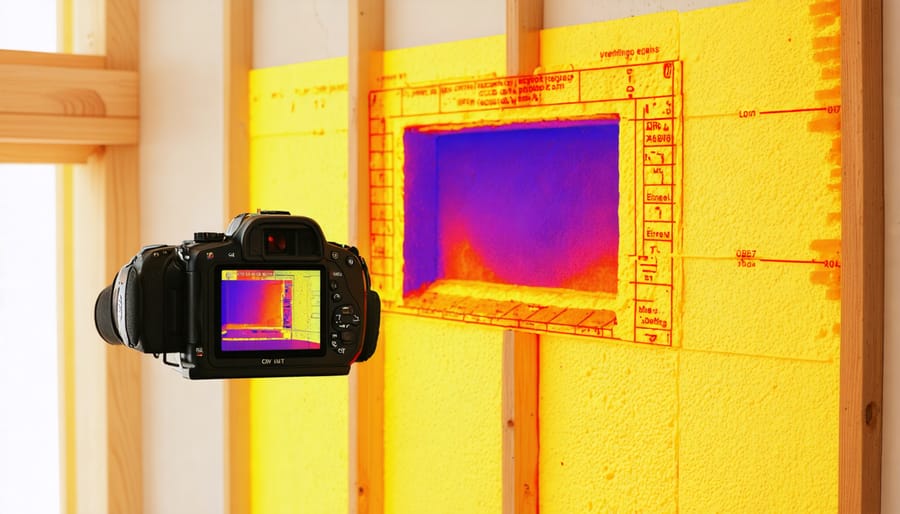
Energy auditors and building analysts play a crucial role in identifying energy-saving opportunities in homes and commercial buildings across Illinois. These professionals conduct thorough assessments of building systems, including HVAC equipment, insulation, lighting, and building envelopes, to pinpoint areas of energy waste and recommend cost-effective improvements.
To enter this field, professionals typically need a bachelor’s degree in engineering, architecture, or environmental science, along with specialized certifications such as the Building Performance Institute (BPI) certification or RESNET Home Energy Rater certification. Many successful auditors also pursue additional credentials in specific areas like commercial building analysis or industrial systems.
The career outlook for energy auditors in Illinois is particularly strong, driven by increasing energy costs, stricter building codes, and growing awareness of environmental sustainability. Energy auditors can work independently, join consulting firms, or find positions with utilities and government agencies. Entry-level salaries typically range from $45,000 to $60,000, with experienced professionals earning significantly more.
Energy Efficiency Project Managers
Energy Efficiency Project Managers play a crucial role in overseeing and coordinating efficiency initiatives from conception to completion. In Illinois, these professionals typically manage building retrofits, industrial energy upgrades, and large-scale sustainability projects. They work closely with contractors, engineers, and building owners to ensure projects meet efficiency goals while staying within budget and timeline constraints.
These managers handle multiple responsibilities, including conducting initial energy assessments, developing project scopes, coordinating with stakeholders, and monitoring implementation progress. They must also stay current with Illinois energy codes, available incentives, and emerging technologies to maximize project outcomes.
Successful project managers combine technical knowledge with strong leadership and communication skills. They often earn between $70,000 and $110,000 annually in Illinois, with compensation varying based on experience and project complexity. The demand for these professionals continues to grow as more organizations prioritize energy efficiency to reduce costs and meet sustainability goals.
Building Performance Specialists
Building Performance Specialists focus on optimizing energy systems and implementing efficiency measures in commercial and residential buildings. These professionals combine engineering expertise with practical knowledge to analyze building performance, recommend improvements, and oversee retrofitting projects. Using advanced digital technology in energy management, they conduct energy audits, evaluate HVAC systems, and implement smart building solutions. In Illinois, these specialists often work with property managers, construction companies, and energy consulting firms, helping buildings achieve energy certifications and meet state efficiency standards. The role offers competitive salaries ranging from $60,000 to $90,000 annually, with growing demand as businesses prioritize sustainability and energy cost reduction.

Skills and Qualifications That Matter
Technical Requirements
To succeed in energy efficiency careers, professionals typically need a combination of education and technical certifications. A bachelor’s degree in engineering, environmental science, or building science provides a strong foundation. Key certifications include Building Performance Institute (BPI) certification, LEED Green Associate, and Certified Energy Manager (CEM) credentials.
Technical skills requirements vary by role but commonly include proficiency in energy modeling software, building automation systems, and data analysis tools. Professionals should be comfortable using energy audit equipment like blower doors, infrared cameras, and power quality analyzers.
Essential technical competencies include:
– Understanding of building systems and HVAC operations
– Knowledge of energy codes and regulations
– Ability to read and interpret building plans
– Proficiency in energy analysis software
– Experience with measurement and verification protocols
– Understanding of renewable energy technologies
In Illinois, familiarity with local energy codes and utility incentive programs is particularly valuable. Many employers also look for experience with smart building technologies and knowledge of industrial process optimization, especially for manufacturing facility positions.
Soft Skills for Success
Success in energy efficiency careers requires more than just technical expertise. Strong communication skills are essential for explaining complex energy solutions to clients, coordinating with team members, and presenting findings to stakeholders. Problem-solving abilities help professionals identify innovative solutions to unique energy challenges, while attention to detail ensures accurate energy assessments and implementations.
Project management skills are crucial as many roles involve overseeing multiple energy efficiency initiatives simultaneously. Professionals must be able to manage timelines, budgets, and resources effectively while maintaining quality standards. Customer service skills are equally important, as building trust with clients and understanding their needs leads to better outcomes.
Adaptability is key in this rapidly evolving field. Energy efficiency professionals must stay current with new technologies, regulations, and industry best practices. Leadership qualities become increasingly important as careers advance, with many professionals eventually managing teams or departments. Business acumen helps in understanding the financial aspects of energy projects and making compelling cases for efficiency investments.
These soft skills, combined with technical knowledge, create well-rounded professionals who can drive successful energy efficiency initiatives while building strong relationships with clients and colleagues.
Growth Opportunities in Illinois
Current Market Demand
The energy efficiency job market in Illinois is experiencing unprecedented growth, driven by ambitious Illinois energy policies and increased demand for sustainable solutions. Current estimates show over 89,000 energy efficiency jobs across the state, with particularly strong demand in the Chicago metropolitan area and expanding opportunities in mid-sized cities like Springfield and Rockford.
Building automation specialists, energy auditors, and retrofit project managers are among the most sought-after positions, with starting salaries ranging from $45,000 to $75,000 annually. Commercial building energy management roles have seen a 25% increase in job postings over the past year, while residential energy efficiency consultants remain in steady demand as homeowners seek ways to reduce utility costs.
The manufacturing sector is actively recruiting energy efficiency technicians and engineers, offering competitive benefits packages and career advancement opportunities. Small and medium-sized businesses are increasingly creating positions for sustainability coordinators who can oversee energy efficiency initiatives and ensure compliance with new state regulations.
Remote and hybrid positions in energy efficiency program management and consulting are becoming more common, providing flexibility for professionals across the state. Many employers are offering comprehensive training programs and certification support, making it an excellent time for both experienced professionals and newcomers to enter the field.
Future Growth Projections
The energy efficiency sector in Illinois is poised for remarkable growth over the next decade, with projections indicating a 20% increase in job opportunities by 2030. This expansion is driven by the state’s aggressive clean energy goals, increasing demand for sustainable solutions, and significant investments in green infrastructure.
Career advancement paths in energy efficiency are diverse and promising. Entry-level technicians can progress to senior positions or specialize in specific technologies like smart building systems or renewable energy integration. Many professionals advance to project management roles, overseeing large-scale efficiency implementations across commercial and industrial facilities.
The Illinois Climate and Equitable Jobs Act has created additional momentum, establishing new programs and incentives that are expected to generate thousands of jobs in energy auditing, retrofitting, and system optimization. Business development opportunities are also expanding, with growing demand for energy efficiency consultants and entrepreneurs who can help organizations achieve their sustainability goals.
Emerging technologies in areas such as artificial intelligence, IoT-enabled building systems, and advanced analytics are creating new specialized roles. Professionals who combine technical expertise with these cutting-edge skills will be particularly well-positioned for career growth. Additionally, the increasing focus on building electrification and net-zero construction is expected to create sustained demand for energy efficiency experts across Illinois’s construction and renovation sectors.
Getting Started in Energy Efficiency
Starting a career in energy efficiency begins with understanding the educational pathways and certifications that align with your interests. For entry-level positions, consider pursuing certification programs like the Building Performance Institute (BPI) certification or LEED Green Associate credential. These credentials demonstrate your commitment to the field and provide essential foundational knowledge.
Networking plays a crucial role in entering the industry. Join professional organizations such as the Illinois Energy Association and attend local industry events to connect with professionals already working in the field. Many successful energy efficiency professionals started their careers through internships or apprenticeships, which provide hands-on experience and valuable industry connections.
Consider specializing in areas with high demand in Illinois, such as commercial building energy auditing or residential weatherization. Many local utilities and energy service companies offer training programs and entry-level positions that can serve as stepping stones to more advanced roles.
Educational requirements vary by position, but most technical roles require at least a bachelor’s degree in engineering, environmental science, or a related field. However, many successful professionals enter the field through technical certifications and practical experience. Start by researching local energy efficiency companies and organizations in Illinois to understand their specific requirements and opportunities for growth.
Remember to stay current with industry trends and continuing education opportunities, as the energy efficiency field constantly evolves with new technologies and regulations.
The energy efficiency sector offers diverse and rewarding career opportunities while playing a crucial role in Illinois’s transition to a sustainable future. From energy auditors and building analysts to project managers and sustainability consultants, professionals in this field directly contribute to reducing carbon emissions and lowering energy costs across our state. The growing demand for energy efficiency expertise, coupled with supportive state policies and increasing environmental awareness, makes this an excellent time to enter the industry. Whether you’re starting your career or considering a transition, the energy efficiency sector provides stable employment prospects, competitive salaries, and the satisfaction of making a meaningful impact on our environment and communities. As Illinois continues its commitment to clean energy goals, professionals in this field will remain at the forefront of driving positive change in how we use and conserve energy.
