

How Offshore Wind Powers Illinois’s Clean Energy Future
Offshore wind energy stands at the forefront of America’s clean energy revolution, promising to transform our coastal regions into powerful generators of sustainable electricity. As Illinois energy policies push toward renewable targets, offshore wind development emerges as a crucial complement to existing solar and onshore wind initiatives. With the potential to generate over 2,000 gigawatts of electricity along U.S. coastlines—nearly double the nation’s current electricity use—offshore wind represents a game-changing opportunity in our transition to clean energy.
The technology has already proven its worth in Europe, where thousands of turbines harness maritime winds to power millions of homes. Now, as the U.S. accelerates its renewable energy deployment, offshore wind projects are gaining momentum, promising not just clean power but also thousands of new jobs, improved grid reliability, and reduced carbon emissions. This mature technology, combined with declining costs and advancing installation techniques, positions offshore wind as a cornerstone of America’s sustainable energy future.
The Growing Momentum of Offshore Wind Development
Global Success Stories
Offshore wind energy has achieved remarkable success globally, with several countries leading the way in implementation and innovation. Denmark’s Horns Rev wind farm, established in 2002, pioneered large-scale offshore installations and continues to power over 150,000 homes. The United Kingdom has emerged as a global leader, with projects like Dogger Bank Wind Farm set to become the world’s largest offshore wind installation, capable of powering 6 million British homes.
China has rapidly expanded its offshore wind capacity, installing over 16 GW in 2021 alone. The Jiangsu Rudong project showcases how offshore wind can complement existing energy infrastructure while creating thousands of local jobs. The Netherlands’ Gemini Wind Park demonstrates how careful environmental planning and community engagement can lead to successful project implementation, providing clean energy to 785,000 Dutch households.
These success stories highlight the potential for offshore wind development in coastal regions worldwide, offering valuable lessons for future projects, including those being considered for the Great Lakes region.
Great Lakes Potential
The Great Lakes region presents a unique opportunity for offshore wind energy development, particularly in Lake Michigan. With consistent wind patterns and proximity to major energy markets, the Great Lakes could potentially generate over 700 gigawatts of electricity – enough to power millions of homes across the region. Illinois’s Lake Michigan shoreline offers approximately 1,500 square miles of potential development area, with water depths and conditions suitable for wind turbine installation.
Unlike ocean-based projects, the Great Lakes’ freshwater environment reduces corrosion concerns and maintenance costs. The region’s existing manufacturing infrastructure and skilled workforce provide additional advantages for project development. Several proposed projects are already in various planning stages, with studies showing that Lake Michigan’s wind resources could support multiple utility-scale installations.
However, development must carefully consider environmental impacts, shipping lanes, and local community interests. Collaborative efforts between Illinois, neighboring states, and Canadian provinces are essential for establishing consistent regulations and sharing infrastructure costs. When combined with solar energy solutions, Great Lakes wind power could significantly contribute to Illinois’s renewable energy goals while creating new economic opportunities.
Technical Innovations Driving Offshore Wind
Advanced Turbine Technology
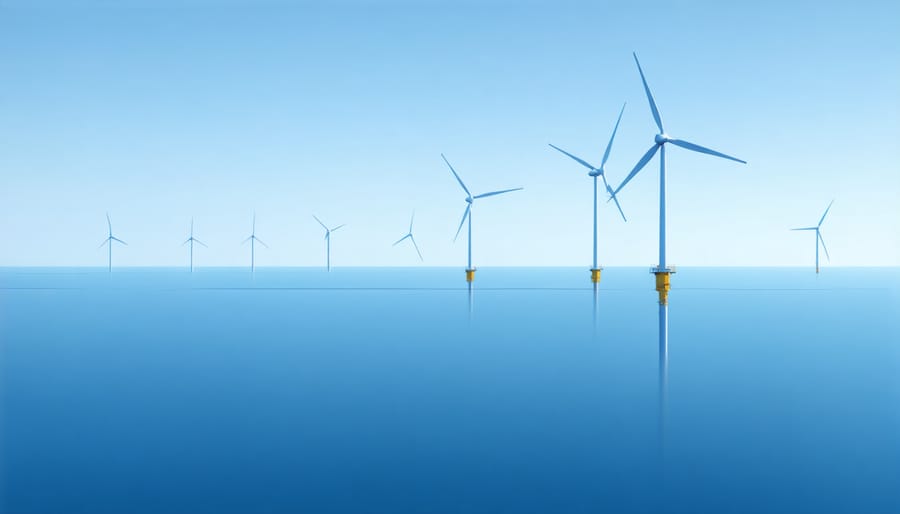
Modern offshore wind turbines have evolved significantly, incorporating cutting-edge technologies that maximize energy production while minimizing environmental impact. Today’s turbines can reach heights of over 850 feet and generate up to 14 megawatts of power – enough to supply electricity to thousands of homes.
These advanced turbines feature innovative designs like floating foundations, which allow wind farms to operate in deeper waters where winds are stronger and more consistent. Smart materials and sensors continuously monitor structural health and performance, while advanced blade designs improve efficiency and reduce noise.
Integration with digital energy technologies enables real-time monitoring and predictive maintenance, ensuring optimal performance and reduced downtime. Modern turbines also incorporate bird detection systems and other wildlife protection features, demonstrating a commitment to environmental stewardship.
Recent improvements in energy storage solutions and grid integration capabilities make offshore wind power more reliable and easier to incorporate into existing power networks. These technological advances, combined with decreasing installation costs, have made offshore wind increasingly competitive with traditional energy sources, positioning it as a crucial component of Illinois’s clean energy future.
Grid Integration Solutions
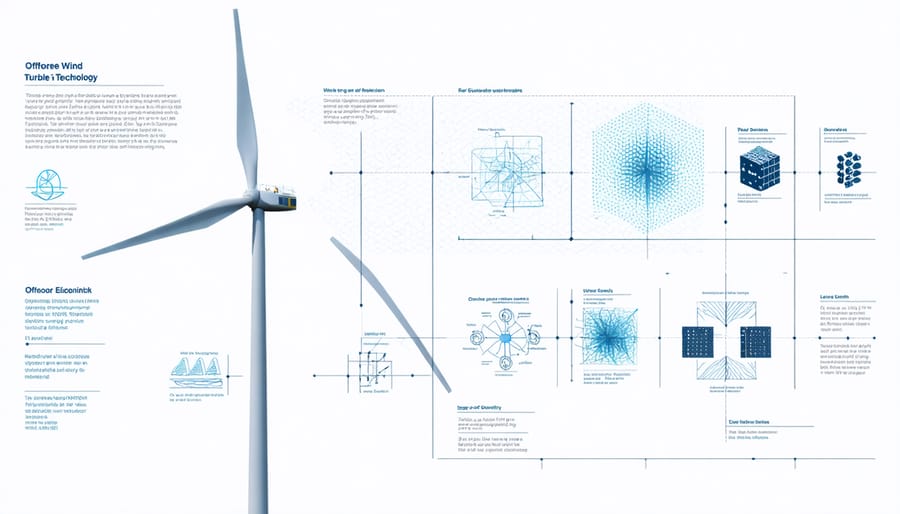
Connecting offshore wind farms to existing power grids requires sophisticated infrastructure and careful planning. The integration process involves multiple components, including subsea cables, offshore substations, and onshore connection points. These elements work together to ensure reliable power transmission from turbines to homes and businesses.
Modern smart grid integration technologies play a crucial role in managing the variable nature of wind power. Advanced monitoring systems and power electronics help balance supply and demand, while energy storage solutions address intermittency challenges. This infrastructure enables seamless coordination between offshore wind and other renewable sources, including solar installations.
The development of high-voltage direct current (HVDC) transmission systems has revolutionized offshore wind connectivity. These systems minimize power losses over long distances and provide greater control over electricity flow. For coastal regions, this means more efficient power delivery and improved grid stability.
Grid operators are implementing sophisticated forecasting tools to predict wind patterns and optimize power distribution. This predictive capability helps maintain grid reliability and ensures consistent power supply to communities. As offshore wind capacity grows, these integration solutions continue to evolve, making renewable energy increasingly accessible and dependable for Illinois residents and businesses.
Economic Benefits for Illinois Communities
Job Creation and Workforce Development
Offshore wind energy development is emerging as a significant driver of job creation and economic growth. The sector offers diverse employment opportunities across multiple phases of project development, from initial planning to long-term operations and maintenance. These positions range from skilled trades and technical roles to professional services and management positions.
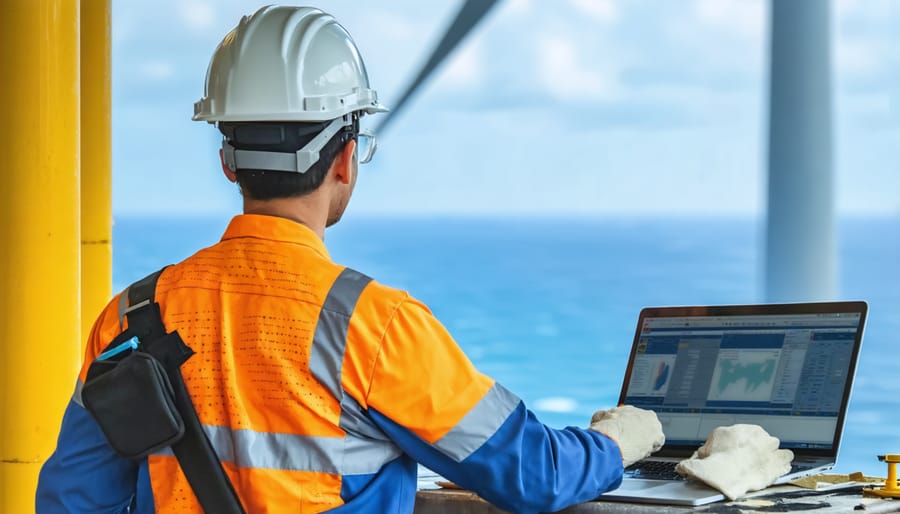
During the construction phase, projects require engineers, construction workers, electricians, and specialized vessel operators. Once operational, wind farms need technicians for regular maintenance, operations managers, and support staff. The supply chain also creates additional jobs in manufacturing, logistics, and port operations.
The industry particularly values transferable skills from related sectors like maritime operations, construction, and traditional energy. This creates opportunities for workers transitioning from conventional energy industries to join the renewable energy workforce. Training programs and apprenticeships are increasingly available to prepare workers for these emerging roles.
Local communities benefit from both direct employment and indirect job creation through supporting services and businesses. Studies indicate that offshore wind projects typically create 2-3 indirect jobs for every direct position. This multiplier effect strengthens local economies and provides sustainable career pathways in the growing renewable energy sector.
Supply Chain Development
The development of offshore wind energy creates significant opportunities for local businesses across various sectors. Manufacturing facilities can produce components such as turbine blades, towers, and foundation structures, while engineering firms can provide specialized design and consulting services. Port facilities play a crucial role in the supply chain, serving as staging areas for construction and maintenance operations.
Local contractors and construction companies can participate in site preparation, installation, and infrastructure development. The industry also creates demand for specialized maritime services, including vessel operations, underwater surveys, and marine logistics. Supporting industries such as electrical equipment suppliers, steel fabricators, and transportation companies also benefit from offshore wind projects.
Workforce development programs and technical training institutions can prepare local workers for new career opportunities in wind energy. This includes roles in project management, technical maintenance, safety inspection, and environmental monitoring. Small businesses can provide auxiliary services such as equipment maintenance, environmental consulting, and workplace safety training.
The growth of offshore wind creates a ripple effect throughout the regional economy, fostering innovation and technological advancement while supporting existing industrial capabilities. This development particularly complements regions with strong manufacturing bases and maritime infrastructure.
Environmental Impact and Sustainability
Carbon Reduction Potential
Offshore wind energy plays a crucial role in reducing carbon emissions and combating climate change. A single offshore wind farm can offset millions of tons of CO2 emissions annually, equivalent to removing hundreds of thousands of cars from the road. The carbon reduction potential is particularly significant because offshore wind farms typically generate more electricity than their onshore counterparts due to stronger, more consistent wind conditions at sea.
When integrated with existing renewable energy systems, offshore wind contributes to a robust clean energy portfolio. The technology’s high capacity factor – often exceeding 40% – means more reliable clean energy production throughout the year. Studies show that a typical 500-megawatt offshore wind facility can prevent approximately 1 million metric tons of carbon dioxide emissions annually, compared to traditional fossil fuel power generation.
These environmental benefits extend beyond carbon reduction, as offshore wind farms help decrease other air pollutants like sulfur dioxide and nitrogen oxides, contributing to better air quality and public health outcomes in coastal and inland communities alike.
Wildlife and Ecosystem Considerations
Offshore wind energy development requires careful consideration of marine ecosystems and wildlife protection. Developers implement comprehensive environmental impact assessments to identify and minimize potential risks to marine life, birds, and fish populations. Key protection measures include acoustic monitoring systems that detect marine mammals, seasonal construction restrictions during migration periods, and specialized foundation designs that reduce underwater noise during installation.
To protect bird populations, wind turbines are equipped with advanced radar systems and lighting configurations that help prevent collisions. Some projects incorporate artificial reefs around turbine foundations, which can actually enhance marine habitats and support local fish populations. Ongoing environmental monitoring programs track ecosystem health and wildlife behavior patterns, allowing for adaptive management strategies.
Developers also work closely with environmental agencies and marine biology experts to establish wildlife corridors and maintain safe distances from critical habitats. These collaborative efforts ensure that renewable energy goals are achieved while preserving marine biodiversity. The industry continues to innovate with new technologies and methods to further reduce environmental impact, making offshore wind an increasingly wildlife-friendly energy solution.
Integrating Offshore Wind with Solar Solutions
Offshore wind and solar energy create a powerful synergy in modern renewable energy systems, each complementing the other’s strengths and limitations. While solar panels generate peak power during daylight hours, offshore wind turbines often produce their maximum output during evening hours and overnight, creating a more consistent overall energy supply.
This complementary relationship is particularly valuable in grid stability. When solar production naturally decreases in the evening, offshore wind typically picks up, helping to maintain steady power supply during peak demand periods. The seasonal variations also balance well – offshore wind tends to be strongest during winter months when solar production is lower, while solar energy peaks during summer months when winds are generally calmer.
For Illinois businesses and homeowners, this integration means more reliable renewable energy availability throughout the year. The combination of offshore wind and solar can reduce the need for energy storage systems, though they remain important for grid resilience. This integrated approach also helps stabilize energy prices by reducing dependence on any single power source.
From a land-use perspective, offshore wind development leaves valuable terrain available for solar installations, agriculture, and other purposes. The two technologies can share transmission infrastructure, reducing overall system costs and environmental impact. This efficient use of resources makes the combination particularly attractive for states like Illinois, where maximizing renewable energy potential while preserving valuable farmland is crucial.
As we transition to cleaner energy sources, the strategic pairing of offshore wind and solar technologies offers a robust solution for meeting our growing energy needs while maintaining grid reliability and environmental responsibility.
Offshore wind energy stands as a pivotal solution in our transition to a sustainable energy future. As we face increasing environmental challenges and growing energy demands, the vast potential of offshore wind farms offers a reliable, clean power source that complements other renewable technologies, including solar energy systems. The development of offshore wind projects represents more than just an alternative energy source – it’s a crucial investment in our planet’s future and economic growth.
The success of offshore wind energy depends on continued technological innovation, supportive policies, and strong partnerships between government entities, private sectors, and local communities. By embracing this technology alongside other renewable solutions, we can create a more resilient and sustainable energy grid that benefits both urban and rural areas.
Looking ahead, it’s essential for stakeholders at all levels to support offshore wind development through advocacy, investment, and policy implementation. Businesses and homeowners can contribute by learning about renewable energy options and supporting clean energy initiatives in their communities. The time to act is now – every step toward expanding offshore wind capacity brings us closer to a cleaner, more sustainable energy landscape.
As we continue to advance renewable energy technologies, the combination of offshore wind and solar power presents a powerful strategy for achieving our clean energy goals while creating jobs and fostering economic growth in our communities.
