
How Circular Economy Powers the Clean Energy Revolution
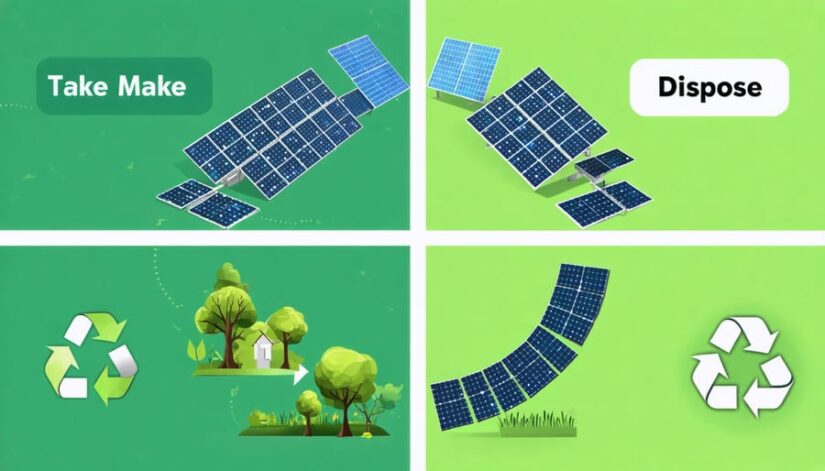
Transform your energy future by embracing the circular economy – a revolutionary approach where waste becomes a valuable resource and every product gets a second life. In Illinois’s rapidly evolving solar energy landscape, circular economy principles are reshaping how we generate, consume, and recycle energy components. This sustainable model moves beyond the traditional “take-make-dispose” pattern, creating a closed loop where solar panels, batteries, and related equipment are designed for reuse, remanufacturing, and recycling from the start.
For homeowners and businesses across Illinois, implementing circular economy practices in solar energy systems means lower operational costs, reduced environmental impact, and enhanced energy independence. By prioritizing durable materials, modular designs, and local recycling partnerships, we’re building a more resilient and sustainable energy infrastructure that benefits our communities today while preserving resources for future generations.
Learn how your solar investment can contribute to this innovative economic model, maximizing both environmental stewardship and financial returns through smart, sustainable choices.
What Makes an Economy Circular?
The Three R’s: Reduce, Reuse, Recycle in Energy
In the energy sector, the three R’s take on unique significance as we transition toward more sustainable practices. Reducing energy consumption starts with implementing efficient technologies and smart energy management systems, which help decrease overall demand and lower utility costs. This includes using LED lighting, smart thermostats, and energy-efficient appliances in homes and businesses across Illinois.
Reusing energy takes the form of heat recovery systems and energy storage solutions. For example, waste heat from industrial processes can be captured and reused for heating buildings or powering other operations. Solar energy systems paired with battery storage exemplify this principle by allowing excess daytime energy to be reused during evening hours.
Recycling in the energy sector focuses on both materials and resources. Solar panels, while long-lasting, can be recycled at the end of their life cycle, with up to 95% of their materials recoverable for future use. Additionally, the recycling of materials used in energy infrastructure, from copper wiring to aluminum components, helps create a closed-loop system that minimizes waste and preserves valuable resources.
By implementing these principles, businesses and homeowners can contribute to a more sustainable energy future while potentially reducing their operational costs.

From Linear to Circular: A Paradigm Shift
Traditional energy systems have long followed a linear “take-make-dispose” model, where resources are extracted, used once, and discarded. This approach has led to significant waste and environmental impact, particularly in the energy sector. Think of it as a one-way street that eventually leads to a dead end.
The circular economy represents a fundamental shift in how we think about and use energy resources. Instead of the traditional linear path, it creates a closed loop where resources are used, reused, and recycled continuously. In the context of solar energy, this means designing systems with end-of-life consideration from the start, using recyclable materials, and implementing maintenance practices that extend equipment lifespan.
For Illinois businesses and homeowners, this shift offers practical benefits. Solar panels and components can be refurbished, recycled, or repurposed at the end of their life cycle. Even the installation process can incorporate recycled materials and sustainable practices. This approach not only reduces waste but also creates local jobs in maintenance, recycling, and refurbishment while lowering long-term costs for energy consumers.
Circular Economy’s Impact on Solar Energy
Sustainable Solar Panel Manufacturing
Sustainable solar panel manufacturing embraces circular economy principles by transforming traditional production methods into a closed-loop system. Instead of following the traditional “take-make-dispose” model, manufacturers in Illinois are adopting innovative approaches that minimize waste and maximize resource efficiency.
The process begins with design optimization, where panels are engineered for eventual disassembly and recycling. Manufacturers use recycled materials whenever possible, particularly for aluminum frames and glass components. This approach reduces the demand for virgin materials while maintaining the high performance standards required for integration with modern energy networks.
During production, water recycling systems capture and reuse processing water, while energy-efficient manufacturing facilities often power their operations using solar energy themselves. Waste materials are carefully sorted and redirected back into the manufacturing process or sent to specialized recycling facilities.
End-of-life management is particularly crucial. When panels reach their 25-30 year lifespan, they’re dismantled into their core components: glass, aluminum, silicon, and precious metals. These materials are then processed and reintegrated into new panel production, creating a continuous cycle of material use.
This circular approach not only reduces environmental impact but also creates local jobs in recycling and remanufacturing, while helping Illinois manufacturers remain competitive by reducing material costs and meeting growing consumer demand for sustainable products.

End-of-Life Solutions for Solar Equipment
As solar installations reach the end of their operational life, proper disposal and recycling become crucial aspects of maintaining a circular economy. Solar panels typically last 25-30 years, and planning for their end-of-life management ensures materials are recovered and repurposed effectively.
Modern solar panels contain valuable materials including glass, aluminum, silver, and silicon that can be extracted and reused in new manufacturing processes. In Illinois, specialized recycling facilities separate these components through mechanical and chemical processes. The aluminum frames and glass components are easily recyclable, while silicon cells undergo specialized treatment to recover semiconductor materials.
Many local solar companies now offer take-back programs, working with certified recyclers to ensure proper handling of decommissioned equipment. These programs help prevent valuable materials from ending up in landfills while creating opportunities for material recovery and reuse in the local economy.
Beyond recycling, some components find new life through repurposing. For example, partially functioning panels may be used in smaller applications or educational settings. Inverters and mounting hardware can often be refurbished and reused in new installations, further extending their useful life.
By implementing these end-of-life solutions, Illinois’s solar industry is closing the loop on material use, reducing waste, and creating new economic opportunities while supporting environmental sustainability.

Benefits for Illinois Businesses and Homeowners
Cost Savings Through Circularity
Embracing circular economy principles can lead to significant cost savings for businesses and communities in Illinois. By implementing closed-loop systems and resource optimization strategies, local stakeholders can reduce operational expenses while contributing to environmental sustainability. For instance, solar installation companies that incorporate recycling and refurbishment programs can decrease material costs by up to 30%, passing these savings on to customers.
The implementation of solar energy policies has created new opportunities for cost reduction through circular practices. Businesses can benefit from reduced waste management costs, lower raw material expenses, and improved resource efficiency. Local manufacturers implementing circular principles report average cost savings of 15-25% in production processes.
Additionally, circular economy practices often lead to new revenue streams through the recovery and resale of valuable materials. For solar installations, end-of-life panel recycling can recover precious metals and other materials, creating economic opportunities while reducing disposal costs. This approach not only benefits individual businesses but strengthens the entire local economy by creating jobs in recycling, refurbishment, and material recovery sectors.
Environmental Impact in Our Community
In Illinois, the adoption of circular economy practices has yielded significant environmental benefits for our local communities. By implementing resource recovery and waste reduction strategies, municipalities have reported up to 40% decreases in landfill usage. Local businesses embracing circular principles have shown remarkable results, with manufacturing facilities reducing their carbon footprint by an average of 30% through material reuse programs.
Our communities have witnessed improved air quality as circular practices minimize industrial waste and emissions. Solar energy installations, a key component of the circular economy, have helped reduce greenhouse gas emissions by an estimated 500,000 metric tons annually across Illinois. Local recycling initiatives have created new job opportunities while keeping valuable resources within our community ecosystem.
Water conservation efforts through circular systems have helped preserve our local watersheds, with some businesses reporting water usage reductions of up to 60%. Urban farming projects utilizing composted organic waste have transformed unused spaces into productive gardens, providing fresh produce while reducing food waste. These tangible improvements demonstrate how circular economy principles create lasting positive impacts in our neighborhoods and business districts.
Taking Action: Implementing Circular Solutions
Implementing circular economy principles doesn’t have to be complicated. For businesses, start by conducting a waste audit to identify opportunities for resource optimization. Consider implementing returnable packaging systems, establishing repair services, or creating product take-back programs. Partnering with local recycling facilities and waste management experts can help develop effective material recovery strategies.
Homeowners can embrace circular practices through simple yet impactful actions. Start by choosing durable, repairable products and supporting companies that offer maintenance services. Consider installing smart energy solutions that optimize resource use and reduce waste. Composting organic waste, participating in local recycling programs, and sharing rarely-used items with neighbors all contribute to circular living.
For both businesses and households, success in circular implementation relies on:
– Setting clear goals and metrics for waste reduction
– Training staff or family members on circular practices
– Regularly reviewing and improving waste management systems
– Building relationships with local circular economy partners
– Documenting and sharing successful initiatives
Remember that transitioning to a circular economy is a journey, not a destination. Start with manageable changes and gradually expand your circular practices as you build confidence and expertise. The key is to maintain momentum while ensuring each new initiative aligns with your overall sustainability goals.
The circular economy represents a transformative approach that’s essential for creating a sustainable future, particularly in the energy sector. By embracing these principles, businesses and homeowners in Illinois can contribute to a more resilient and environmentally conscious community while benefiting from reduced costs and improved resource efficiency. The shift from linear “take-make-dispose” models to circular systems isn’t just an environmental imperative – it’s a smart business decision that creates new opportunities for innovation and growth.
As we move forward with solar energy adoption and sustainable practices, implementing circular economy principles becomes increasingly crucial. Whether you’re a homeowner considering solar installation or a business owner looking to optimize operations, the circular economy framework offers practical solutions for reducing waste, maximizing resource value, and creating positive environmental impact.
Take the first step today by evaluating your current practices and identifying opportunities to incorporate circular principles. Remember, every action toward sustainability, no matter how small, contributes to building a more circular and sustainable future for Illinois and beyond.
