
Solar Energy’s Dark Side: Environmental Challenges We Need to Address
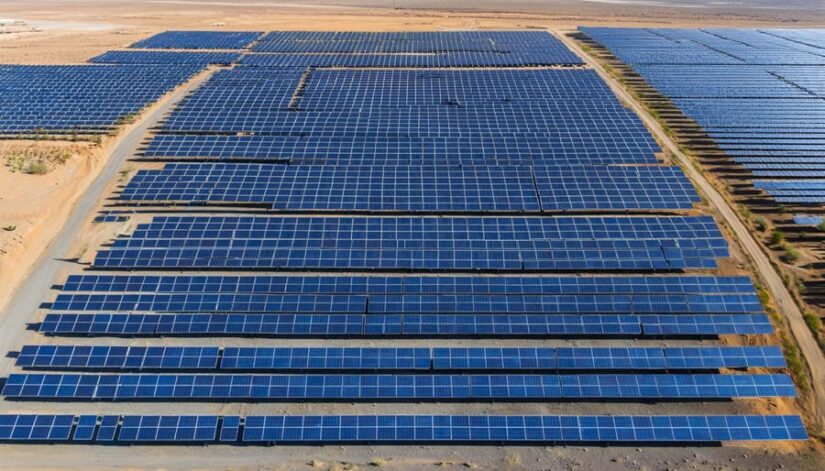
Solar energy’s rapid expansion across Illinois brings an important responsibility: understanding and addressing its environmental challenges. While solar power remains a crucial weapon against climate change, its production, installation, and disposal create significant ecological concerns that deserve careful consideration. From toxic chemicals used in manufacturing photovoltaic cells to habitat disruption during solar farm construction, these impacts require innovative solutions and thoughtful planning. The solar industry’s commitment to sustainability must extend beyond clean energy generation to encompass the entire lifecycle of solar technology.
As Illinois continues its ambitious transition toward renewable energy, acknowledging these environmental costs doesn’t diminish solar’s vital role in our energy future. Rather, it empowers homeowners, businesses, and industry leaders to make informed decisions that minimize negative impacts while maximizing clean energy benefits. Through careful site selection, responsible manufacturing practices, and comprehensive recycling programs, we can harness solar power’s potential while protecting our natural resources for future generations.
Land Use and Habitat Impact
Wildlife Displacement
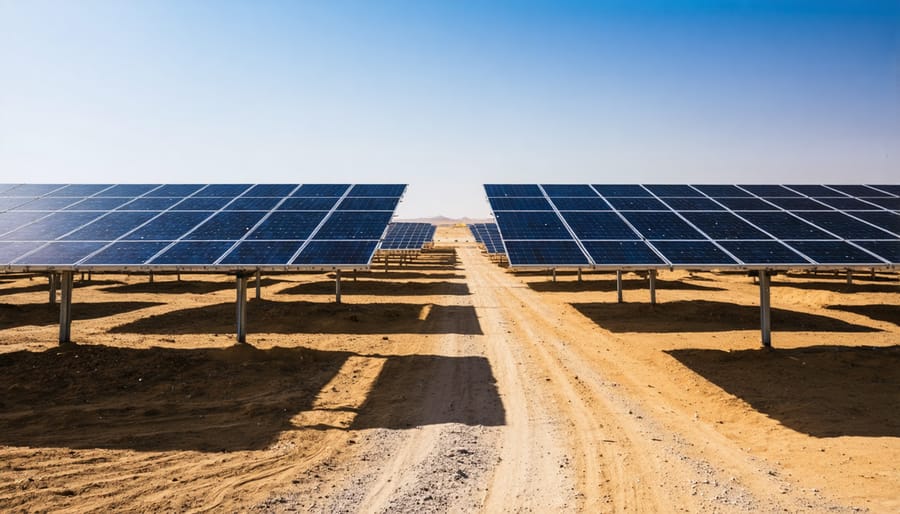
The installation of large-scale solar farms can significantly impact local wildlife habitats and migration patterns. When natural landscapes are converted into solar facilities, native species may be forced to relocate, disrupting established ecosystems. In Illinois, this is particularly relevant for grassland birds and small mammals that rely on open prairie habitats.
Solar farms typically require substantial land clearing and grading, which can fragment existing habitats and create barriers to wildlife movement. Some species, especially ground-dwelling animals, may find it challenging to navigate through or around these installations. The presence of security fencing and infrastructure can further restrict natural wildlife corridors.
However, many solar developers in Illinois are implementing wildlife-friendly solutions. These include maintaining native vegetation between solar panels, creating wildlife corridors through the installation, and incorporating pollinator-friendly plantings. Some facilities even allow for sheep grazing, which helps maintain vegetation while preserving some habitat functionality.
Regular environmental impact assessments and careful site selection can minimize wildlife displacement. By choosing previously disturbed or agricultural lands for solar development, we can reduce the impact on sensitive wildlife populations while still advancing renewable energy goals.
Agricultural Land Competition
In Illinois, the expansion of solar energy installations has sparked important discussions about land use competition, particularly regarding prime farmland. The state’s fertile soil, which has historically supported its robust agricultural economy, is now increasingly being considered for solar array placement. This has created a delicate balance between renewable energy goals and preserving agricultural resources.
Utility-scale solar projects typically require between 5 to 10 acres per megawatt of generating capacity. While this land can often be restored to agricultural use after the solar installation’s lifecycle, temporary displacement of farming activities remains a concern for local communities and agricultural stakeholders.
However, innovative solutions are emerging to address these challenges. Many Illinois farmers are adopting dual-use strategies, such as agrivoltaics, which allow for both solar energy generation and agricultural activities on the same land. Some installations incorporate elevated panels that enable livestock grazing or the cultivation of shade-tolerant crops underneath. Local zoning boards are also developing guidelines to ensure solar developments are strategically placed on less productive agricultural land when possible, helping maintain a balance between clean energy production and food security needs.
Manufacturing and Material Concerns
Resource Extraction
The production of solar panels requires significant raw material extraction, including mining for silicon, silver, copper, and rare earth elements. While these materials are essential for solar technology, their extraction can lead to habitat disruption and soil degradation in mining areas. In Illinois, where many businesses are transitioning to solar energy, it’s important to understand these upstream environmental impacts.
Silicon, the primary component in most solar panels, is abundant but requires extensive processing. The mining and purification of silicon can create dust pollution and require substantial water usage. Additionally, the extraction of silver and copper, used in the electrical components, can lead to acid mine drainage and groundwater contamination if not properly managed.
However, the solar industry is actively working to minimize these impacts through sustainable mining practices and increased recycling efforts. Many manufacturers now use recycled materials in their production processes, reducing the need for new raw material extraction. Local solar installers in Illinois often partner with manufacturers who prioritize responsible sourcing and sustainable production methods.
To further reduce environmental impact, consumers can choose solar panels from manufacturers with strong environmental standards and end-of-life recycling programs, ensuring materials are recovered and reused whenever possible.
Chemical Processing
The manufacturing process of solar panels involves several chemicals that require careful handling and disposal. Silicon purification, essential for creating solar cells, uses hazardous materials like hydrochloric acid, sulfuric acid, and hydrogen fluoride. These chemicals, if not properly managed, can pose risks to both worker safety and the environment.
During production, manufacturers use cleaning solutions and etching compounds that generate toxic wastewater. Without proper treatment, these substances can contaminate local water sources and harm ecosystems. Additionally, the process requires various solvents and gases that contribute to air pollution if emission controls aren’t strictly maintained.
However, leading Illinois solar manufacturers are implementing advanced chemical recovery systems and closed-loop processing to minimize these impacts. Modern facilities use sophisticated filtration and treatment technologies to capture and neutralize harmful compounds before they enter the environment. Many companies are also exploring greener alternatives to traditional chemicals and developing more environmentally friendly manufacturing processes.
While chemical processing remains a concern, it’s important to note that these impacts are largely confined to the manufacturing phase. Once installed, solar panels operate without chemical emissions for decades, making them a cleaner energy option overall.
End-of-Life Challenges
Recycling Limitations
While solar panels offer significant environmental benefits, their end-of-life recycling presents notable challenges. Current recycling processes can only recover about 80% of panel materials, leaving valuable components like silicon and silver difficult to extract cost-effectively. Many recycling facilities in Illinois and nationwide lack the specialized equipment needed to process solar panels properly, resulting in some materials ending up in landfills.
The complex composition of solar panels, which includes glass, aluminum, silicon cells, and various metals, makes separation and recovery particularly challenging. Additionally, some older panels contain hazardous materials like lead and cadmium, requiring careful handling during disposal. As the first generation of solar installations approaches retirement, the industry faces mounting pressure to develop more efficient recycling technologies and infrastructure.
However, manufacturers are actively working on designing newer panels with recycling in mind, incorporating easily separable components and reducing hazardous materials usage. This forward-thinking approach aims to address these limitations while maintaining panel efficiency.
Waste Management Solutions
As the solar industry matures, innovative solar panel recycling solutions are emerging to address end-of-life waste management. Illinois recycling facilities now employ advanced thermal and mechanical processes to recover valuable materials like silicon, silver, and aluminum from decommissioned panels. Many manufacturers are adopting circular economy principles, designing panels with easier disassembly in mind and using recyclable materials.
Local initiatives encourage responsible disposal through take-back programs and certified recycling partners. Homeowners and businesses can now schedule panel collection services, ensuring proper handling of materials. Additionally, new technologies are being developed to process panels more efficiently, reducing the energy required for recycling while maximizing material recovery rates.
By planning for end-of-life management during installation and working with certified recyclers, solar adopters can significantly minimize their environmental footprint while supporting the growth of sustainable waste management practices in Illinois.
Mitigation Strategies
While solar energy presents certain environmental challenges, numerous effective strategies exist to minimize these impacts. Responsible solar development begins with thoughtful site selection, prioritizing previously developed or disturbed lands over pristine habitats. In Illinois, many solar installations are successfully integrated into agricultural lands through agrivoltaics, allowing for dual land use that maintains farm productivity while generating clean energy.
To address end-of-life concerns, manufacturers are increasingly implementing recycling programs and developing more sustainable production methods. Many components of solar panels, including glass, aluminum, and semiconductor materials, can be recovered and reused, significantly reducing waste. Illinois-based solar installers often partner with certified recycling facilities to ensure proper disposal and maximum material recovery.
Wildlife protection measures include installing wildlife corridors beneath solar arrays and maintaining native vegetation between panels. These practices create habitat connections and support local biodiversity. Some installations incorporate elevated panels and wider spacing to allow for natural groundcover growth, which helps prevent soil erosion and provides shelter for local species.
Water conservation strategies are particularly relevant for large-scale solar facilities. Dry cleaning methods and robotic cleaning systems significantly reduce water consumption during maintenance. Additionally, innovative panel designs that require less frequent cleaning are becoming more common, further minimizing water usage while maintaining efficiency.
To balance the environmental benefits of solar energy with potential impacts, developers are implementing comprehensive land management plans. These include monitoring programs to track wildlife populations, implementing erosion control measures, and maintaining pollinator-friendly vegetation. Through careful planning and modern mitigation techniques, solar energy can be deployed responsibly while maximizing its positive environmental impact.
While solar energy remains a crucial solution for combating climate change, acknowledging its environmental impacts helps us implement more sustainable practices. The key challenges we’ve discussed – land use, habitat disruption, toxic materials in manufacturing, and end-of-life disposal – require thoughtful consideration and proactive solutions. In Illinois, many solar developers are already adopting wildlife-friendly designs, implementing responsible recycling programs, and choosing previously developed sites for installations.
By understanding these environmental concerns, we can make better decisions about solar project development and installation. Proper site selection, sustainable manufacturing processes, and comprehensive recycling programs can significantly minimize negative impacts. For homeowners and businesses considering solar energy, working with experienced local installers who prioritize environmental responsibility is essential.
The future of solar energy in Illinois looks promising, especially as new technologies and best practices continue to emerge. Through careful planning and responsible development, we can harness solar power’s benefits while protecting our local ecosystems and natural resources for future generations.
