

Solar Security: Protecting Your Hybrid Energy System from Cyber Threats
Protect your energy infrastructure with military-grade cybersecurity protocols while maintaining seamless operations across hybrid energy systems. Illinois’s interconnected power grid faces unprecedented digital threats, with solar installations and smart meters creating new vulnerability points that cybercriminals actively exploit. Recent data shows 60% of energy-sector cyberattacks specifically target renewable energy integration points, making robust security measures non-negotiable for property owners.
The convergence of traditional power infrastructure with renewable energy technologies has created a complex security landscape where a single breach can cascade across multiple systems. For Illinois property owners, this reality demands a sophisticated yet practical approach to cybersecurity that protects both individual installations and the broader grid infrastructure. As solar adoption continues to accelerate across the state, implementing comprehensive security measures becomes as crucial as the energy systems themselves.
The stakes are particularly high for Illinois businesses and homeowners, where weather extremes and grid dependencies make energy security a year-round concern. Modern cybersecurity solutions must balance accessibility with fortress-like protection, ensuring that energy systems remain both secure and efficiently manageable for property owners.
Why Hybrid Energy Systems Need Enhanced Protection
Digital Integration Points
Modern solar energy systems connect to the power grid through multiple integration points, creating a network of digital communication channels that require careful security consideration. The primary connection occurs at the inverter, which converts solar DC power to AC power and communicates with the utility grid to coordinate power flow. Smart meters, another crucial integration point, transmit usage data and enable two-way communication between your system and the utility provider.
These digital touchpoints, while essential for efficient operation, can become potential entry points for cybersecurity threats. Monitoring systems that allow remote access to your solar production data, while convenient, need robust protection. Similarly, battery storage systems that communicate with both your solar array and the grid require secure protocols to prevent unauthorized access.
In Illinois’s growing solar market, these integration points are particularly important due to our state’s advanced grid infrastructure and increasing adoption of smart grid technologies. Property owners should work with certified solar installers who understand these connection points and can implement appropriate security measures, including encrypted communications and regular security updates for all connected devices.
Smart Grid Vulnerabilities
As Illinois property owners increasingly adopt solar energy systems, understanding the vulnerabilities associated with smart grid integration becomes crucial. While smart grids enhance energy efficiency and management, they also introduce potential cybersecurity risks that need attention.
Key vulnerabilities include unauthorized access to smart meters, data manipulation of energy usage readings, and potential disruption of power distribution systems. Solar installations connected to smart grids may be susceptible to cyber attacks that could compromise both individual systems and the broader power network.
Common entry points for cyber threats include outdated firmware in smart meters, unsecured communication protocols between solar installations and grid systems, and weak authentication measures. These vulnerabilities could allow malicious actors to manipulate energy flow, access sensitive customer data, or even cause grid instability.
For Illinois property owners, understanding these risks is the first step toward implementing proper security measures. Working with certified solar installers who prioritize cybersecurity and regularly update system protections helps maintain the integrity of your solar investment while supporting grid security.
Common Cyber Threats to Hybrid Systems
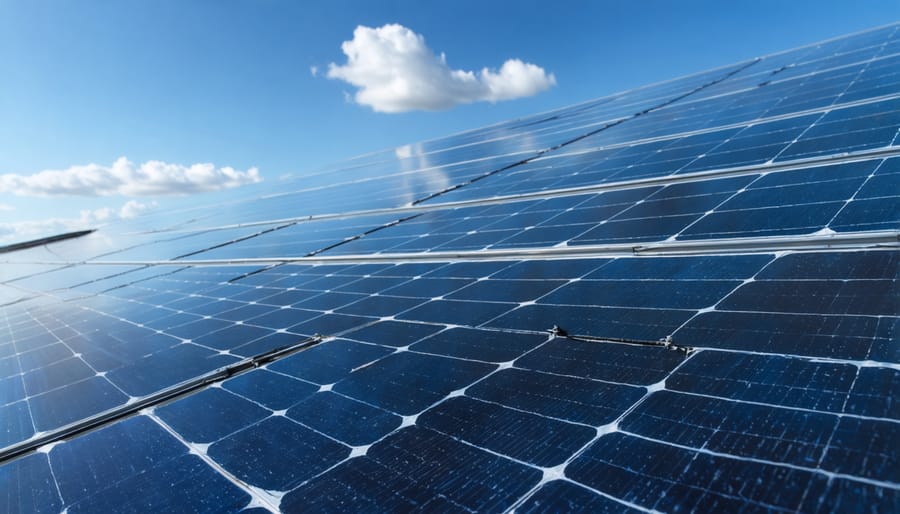
Data Breaches and Privacy Concerns
The energy sector faces unique challenges when it comes to data security, particularly as solar and traditional power systems become increasingly interconnected. Recent incidents have shown that energy management systems are prime targets for cybercriminals, with potential impacts ranging from data theft to operational disruptions.
In Illinois, energy providers and solar installations collect substantial amounts of consumer data, including energy usage patterns, billing information, and system performance metrics. This data, while valuable for optimizing energy delivery and maintenance, can be vulnerable to breaches if not properly protected.
Common privacy concerns include unauthorized access to smart meter data, which can reveal detailed information about a property’s occupancy patterns and energy consumption habits. For businesses, breaches could expose sensitive operational data and competitive information about their energy management strategies.
The integration of solar systems with existing power infrastructure creates additional security considerations. These interconnected systems often rely on remote monitoring and control capabilities, which, while beneficial for maintenance and optimization, can create potential entry points for cyber attacks if not properly secured.
To address these risks, energy providers and solar installers in Illinois are implementing robust data encryption, access controls, and regular security audits. Property owners can contribute to data security by regularly updating system passwords, monitoring access logs, and working with certified installers who prioritize cybersecurity in their installations.
Control System Attacks
Control systems in energy infrastructure manage crucial operations like power generation, distribution, and monitoring. These systems are increasingly becoming targets for cybercriminals who seek to disrupt energy services or gain unauthorized control. Common attack methods include compromising supervisory control and data acquisition (SCADA) systems, manipulating industrial control systems (ICS), and exploiting vulnerabilities in smart grid components.
One particularly concerning threat is the potential for attackers to alter system settings remotely, which could lead to equipment damage or grid instability. For solar energy installations, attackers might target inverter settings or energy management systems, potentially affecting both individual properties and the broader power grid.
In Illinois, where extreme weather conditions can impact energy systems, maintaining control system security is especially critical. Attackers could potentially exploit these vulnerabilities during peak demand periods or severe weather events, making grid stability even more challenging.
To protect against these threats, energy providers and property owners should implement strict access controls, regularly update system firmware, and maintain secure communication protocols. Regular security assessments and employee training are essential components of a comprehensive defense strategy. Additionally, having backup manual controls and emergency response procedures helps ensure continuous operations even if digital systems are compromised.
Protecting Your Solar Investment
Essential Security Features
When selecting solar installation components for your Illinois property, certain security features are essential to protect your energy system from cyber threats. Modern solar inverters should include robust encryption protocols for all data communications, ensuring that system performance data and control signals remain secure. Look for components that support two-factor authentication for remote access and management, preventing unauthorized users from tampering with your system settings.
Firmware security is another crucial element – choose devices that receive regular security updates and patches from manufacturers. Your solar monitoring system should include intrusion detection capabilities and automated alert systems that notify you of any suspicious activities or unauthorized access attempts.
Network segmentation features are vital, allowing you to isolate your solar equipment from other connected devices on your property. This creates an additional security layer, protecting both your solar installation and other smart home or business systems.
For grid-connected systems, ensure your components meet Illinois utility cybersecurity requirements and include grid protection features. These should automatically disconnect your system from the grid during potential security incidents while maintaining your property’s power supply through local generation.
Look for solar equipment that offers detailed audit logging capabilities, allowing you to track all system access and changes. This feature is invaluable for identifying potential security breaches and maintaining compliance with energy sector regulations.
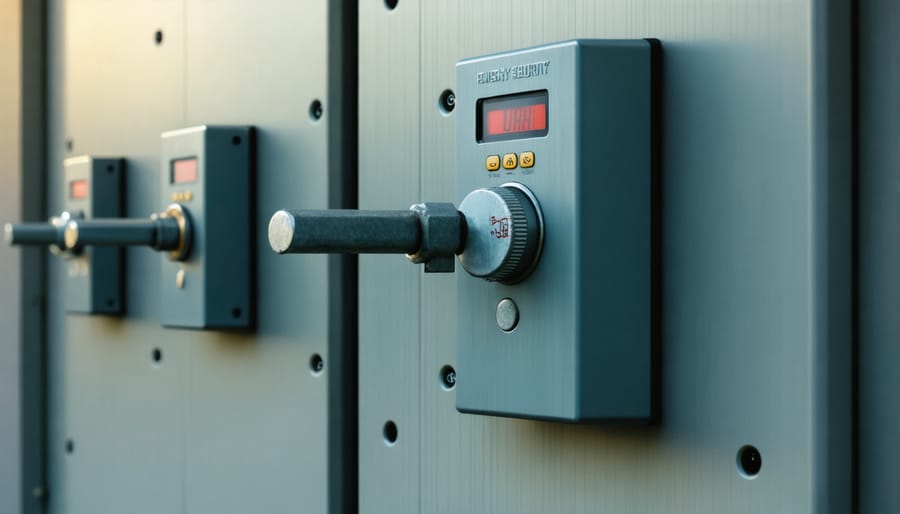
Monitoring and Maintenance
Effective cybersecurity in energy systems requires vigilant monitoring and proactive maintenance protocols. For Illinois energy providers and property owners with hybrid systems, implementing a comprehensive monitoring strategy is crucial for detecting and preventing potential security breaches.
Real-time monitoring tools should track system performance, network traffic, and unusual activities 24/7. This includes monitoring both traditional grid connections and renewable energy components, particularly those with demand response capabilities. Regular system audits should be conducted monthly, with detailed security assessments performed quarterly.
Key maintenance practices include:
– Regular software updates and patch management
– Continuous monitoring of access logs and user activities
– Regular testing of backup systems and recovery procedures
– Periodic validation of security certificates and encryption protocols
– Assessment of third-party vendor security compliance
Property owners should maintain detailed documentation of all security events and system changes. This documentation helps track patterns, identify potential vulnerabilities, and ensure compliance with Illinois state regulations. Additionally, establishing clear communication channels between security teams and system operators enables quick response to potential threats.
Remember to regularly review and update your monitoring tools and procedures to address emerging threats and technological advances in the energy sector. Working with local security experts familiar with Illinois energy systems can provide valuable insights for maintaining robust protection.
Working with Certified Installers
When it comes to implementing cybersecurity measures in energy systems, working with certified installers is crucial for maintaining the integrity of your infrastructure. These professionals not only understand the technical aspects of installation but are also well-versed in current security protocols and best practices.
In Illinois, certified installers must complete rigorous training programs that include cybersecurity awareness and implementation. They stay updated with the latest security standards and understand how different components of your energy system interact with the power grid. This knowledge is essential for creating secure connections and maintaining proper data protection measures.
Look for installers who hold relevant certifications from recognized organizations and have experience specifically with secure energy system installations. They should be able to demonstrate their understanding of both physical security measures and digital protection protocols. A qualified installer will conduct thorough security assessments, implement proper authentication systems, and ensure all components meet current cybersecurity standards.
During the installation process, certified professionals will properly configure security settings, establish secure communication channels, and document all security measures implemented. They should also provide training on basic security protocols and create a comprehensive handover package that includes security documentation and emergency procedures.
Remember that ongoing maintenance and security updates are just as important as the initial installation. Choose installers who offer continued support and regular security assessments to keep your energy system protected against evolving cyber threats.
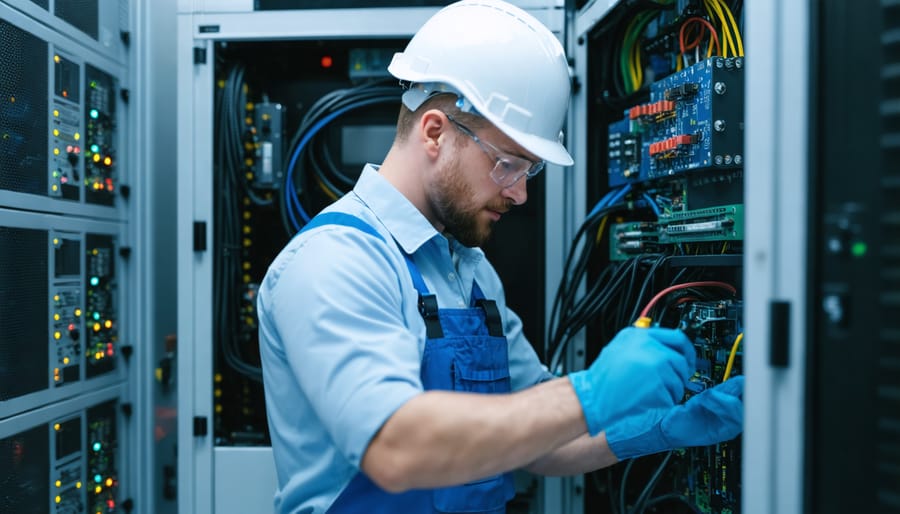
Future-Proofing Your System
Emerging Security Technologies
The energy sector’s cybersecurity landscape is rapidly evolving with innovative technologies designed to protect hybrid power systems. Advanced artificial intelligence and machine learning algorithms now monitor grid operations in real time, detecting and responding to potential threats before they impact service. These systems work alongside future-ready storage solutions to ensure both data and energy security.
Blockchain technology is emerging as a crucial tool for securing energy transactions and maintaining system integrity. In Illinois, utility providers are implementing distributed ledger systems that create transparent, tamper-proof records of energy generation and consumption. This technology is particularly valuable for solar installations connected to the main grid.
Zero-trust architecture is gaining traction, requiring verification at every access point within the energy network. This approach, combined with quantum-resistant encryption methods, helps protect against both current and future cyber threats. For Illinois property owners with hybrid systems, these technologies offer enhanced protection without compromising system performance or energy efficiency.
Edge computing solutions are also being deployed to process security data closer to the source, reducing response times and strengthening overall system resilience.
Regulatory Compliance
In Illinois, new cybersecurity standards are being implemented to protect our evolving energy infrastructure. The Illinois Commerce Commission (ICC) has established guidelines requiring energy providers to conduct regular security assessments and maintain robust incident response plans. Starting in 2024, all grid-connected solar installations must comply with the Illinois Energy Security Act, which mandates specific encryption protocols and monitoring systems.
For homeowners and businesses with solar installations, these regulations introduce important requirements. Systems must now include approved firewall protection, secure authentication methods, and regular software updates. Local utilities are also required to provide cybersecurity awareness training to customers with grid-connected systems.
The Illinois Department of Energy has introduced a compliance checklist for solar installers, ensuring all new installations meet these security standards. Small businesses and homeowners have until July 2024 to upgrade existing systems, while larger industrial installations must comply by January 2024. Financial assistance programs are available through the state to help offset the costs of these security upgrades, making it easier for property owners to meet these essential requirements while maintaining the safety of our energy infrastructure.
The convergence of renewable energy and cybersecurity in Illinois’s evolving energy landscape demands a proactive and comprehensive approach to protection. As we’ve explored throughout this article, the integration of solar systems with traditional power infrastructure creates both opportunities and vulnerabilities that require careful attention.
Property owners and energy stakeholders must recognize that cybersecurity isn’t just an IT concern but a fundamental component of modern energy management. Regular security assessments, employee training, and the implementation of robust monitoring systems are no longer optional but essential investments in protecting our energy infrastructure.
For Illinois businesses and homeowners with solar installations, the path forward involves partnering with qualified professionals who understand both renewable energy systems and cybersecurity protocols. This includes maintaining up-to-date security software, establishing clear incident response procedures, and regularly backing up critical system data.
Remember that cybersecurity in the energy sector is an ongoing process, not a one-time solution. As threats evolve, so must our defensive strategies. By staying informed about emerging threats, implementing recommended security measures, and working with experienced local providers, we can better protect our energy systems from cyber threats while maintaining the efficiency and reliability of our renewable energy investments.
The future of energy security in Illinois depends on our collective commitment to maintaining strong cybersecurity practices today. Through vigilance and proactive measures, we can ensure the continued safe operation of our integrated energy systems for years to come.
