

How Digital Supply Chains Are Transforming Solar Energy in Illinois
The solar industry is undergoing a fundamental transformation, and if you’re considering solar panels for your Illinois home or business, understanding digitization of the supply chain directly impacts your project’s success. Traditional solar installations once relied on phone calls, paper contracts, and manual coordination between manufacturers, distributors, and installers—a process that could stretch timelines by weeks and introduce costly errors. Today, digital supply chains connect every step from panel production to your rooftop through integrated software platforms, real-time inventory tracking, and automated scheduling systems.
This technological shift matters because it translates into measurable benefits for your solar investment. Projects that once took 12-16 weeks now complete in 8-10 weeks. Equipment costs drop when installers can instantly compare supplier pricing and availability. Quality improves as digital systems flag potential issues before installation begins, reducing callbacks and warranty claims.
For Illinois property owners evaluating solar companies, digitization serves as a reliable indicator of installer sophistication. Companies leveraging digital supply chains demonstrate operational maturity that protects your investment through transparent timelines, accurate pricing, and streamlined communication. Understanding how these systems work—and what questions to ask potential installers about their supply chain technology—empowers you to make informed decisions that maximize both the financial and environmental returns of your solar project.
What Digitization Actually Means for Solar Supply Chains
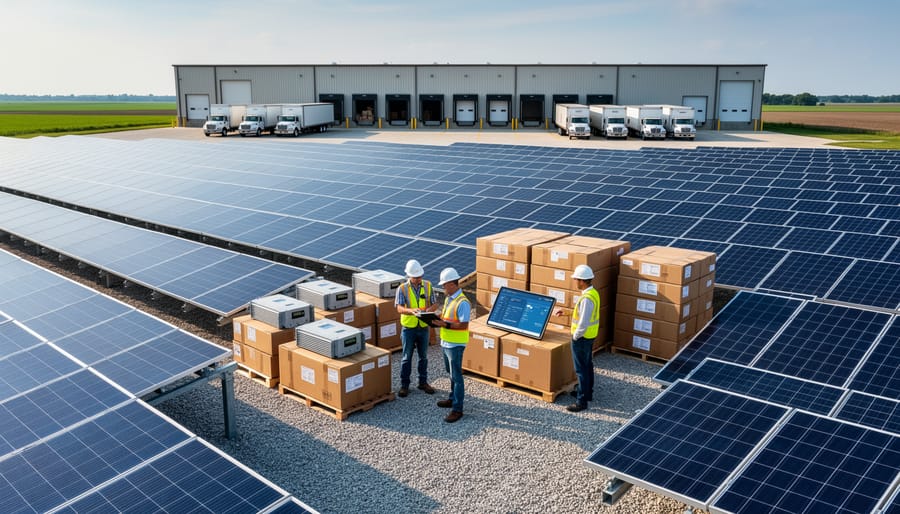
From Purchase Order to Your Rooftop: The Digital Journey
When you invest in solar panels for your Illinois home or business, understanding how those components reach your property helps illustrate the value of modern supply chain approaches. Let’s follow the digital journey of your solar equipment from manufacturer to installation.
Your journey begins when you approve a purchase order. At that moment, the digitized system triggers automatic notifications to manufacturers and logistics partners. Solar panels leave the production facility with unique identifiers that link to their specifications, quality certifications, and shipping details. You can access this information through a customer portal, seeing exactly where your panels are in real time.
As components move to regional distribution centers, digital tracking updates continue. Inverters and mounting equipment each carry their own digital records, ensuring nothing gets lost or confused with other orders. Weather monitoring systems alert the logistics team if conditions might delay shipping, allowing proactive communication with you about any timeline changes.
When your equipment arrives at the local staging area, quality control teams scan each component, verifying that specifications match your system design. This digital verification prevents installation delays caused by incorrect or damaged equipment. The system automatically schedules your installation crew once all components pass inspection and weather conditions align favorably.
Throughout this process, you maintain visibility into each step, building confidence in your solar investment through transparency that traditional supply chains simply cannot provide.
Why This Matters to Your Solar Project
Faster Installation Timelines
Traditional solar installations often face frustrating delays when equipment gets stuck in outdated ordering systems or when miscommunication occurs between suppliers, installers, and manufacturers. A digitized supply chain eliminates these bottlenecks by providing real-time inventory tracking and automated ordering processes.
When your solar installer uses digital supply chain tools, they can instantly verify panel availability, confirm delivery dates, and coordinate installation schedules with accuracy. For example, projects that previously required 8-12 weeks from contract signing to installation can now be completed in 4-6 weeks. This happens because digital systems flag potential equipment shortages before they become problems, allowing installers to source alternatives immediately rather than discovering back-orders weeks into the process.
The time savings extend beyond just equipment delivery. Digital platforms enable seamless communication between all parties involved in your project. Your installer can share real-time updates about shipment tracking, coordinate with electricians for interconnection work, and schedule inspections without the phone tag that traditionally added days or weeks to project timelines. For Illinois homeowners and businesses, this means faster access to clean energy savings and quicker return on your solar investment.
Better Equipment Quality and Warranties
When you invest in solar panels, you’re making a commitment that should last 25 years or more. That’s why equipment quality matters so much. Modern supply chain digitization protects your investment by creating a complete record of your solar components from the moment they leave the factory until they’re installed on your property.
Digital tracking ensures authentic components reach your installation site. This system verifies that panels, inverters, and mounting hardware are genuine manufacturer products rather than counterfeit or refurbished items being sold as new. For Illinois homeowners and businesses, this authentication matters because only genuine components qualify for full manufacturer warranties.
The digitized supply chain also monitors storage conditions throughout shipping. Solar panels exposed to extreme temperatures or humidity during transit can develop hidden defects that reduce performance. Digital sensors flag any temperature excursions or handling issues, ensuring compromised equipment never reaches your roof.
Perhaps most importantly, digital systems maintain complete warranty documentation. Every component’s serial number, manufacturing date, and chain of custody are recorded automatically. If you ever need warranty service, this documentation eliminates disputes about coverage or installation dates, giving you peace of mind throughout your system’s lifetime.
More Accurate Project Pricing
One of the most frustrating aspects of any home improvement project is getting an initial quote, only to face unexpected price increases halfway through installation. With digital supply chain management, solar companies can provide more accurate, reliable pricing from the start.
When your solar installer has real-time visibility into equipment costs, availability, and shipping timelines, they can give you a quote that reflects actual current conditions rather than estimates based on outdated information. This transparency means fewer surprises when it comes time to sign your final contract or complete your installation.
Digital supply chain systems track price fluctuations across suppliers, monitor tariff changes, and account for transportation costs in real time. For Illinois homeowners and businesses, this means your installer can factor in regional considerations like Midwest shipping routes and seasonal delivery patterns when preparing your estimate.
This level of precision protects you from common cost overruns caused by delayed shipments, discontinued products, or sudden price spikes. A locally owned solar company with expertise in solar energy and modern digital tools can confidently stand behind their quotes, giving you the financial certainty you need to move forward with your renewable energy investment.
How Illinois Solar Installers Use Digital Supply Chain Tools
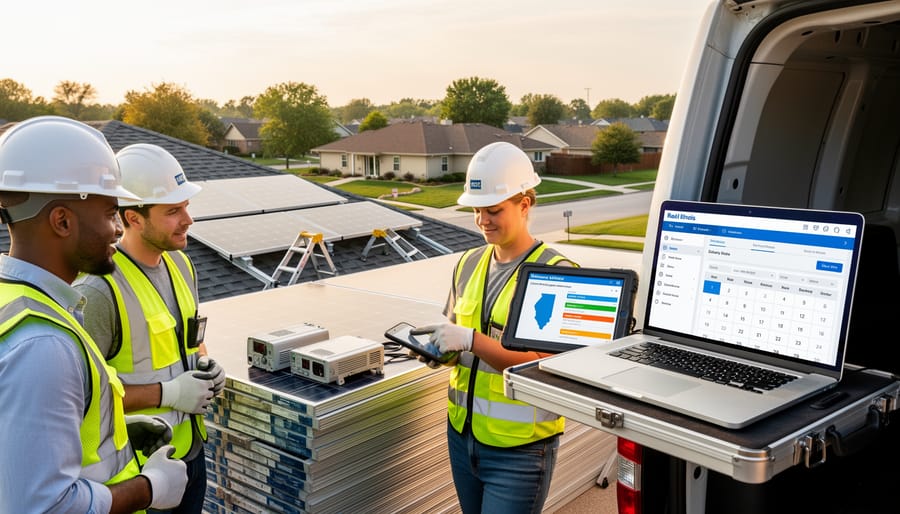
Real-Time Equipment Tracking
Real-time equipment tracking uses digital tools like GPS sensors, barcode scanners, and cloud-based software to monitor solar panels, inverters, and other components as they move from manufacturers to warehouses and finally to your installation site. This transparency helps installers know exactly where equipment is at any moment, allowing them to anticipate delivery dates with greater accuracy and adjust schedules accordingly.
For Illinois homeowners and businesses, this technology translates into fewer frustrating delays and more reliable installation timelines. When your solar installer can track a shipment in real-time, they’ll know immediately if a delivery is running behind schedule, enabling them to communicate proactively with you rather than discovering problems on installation day. This level of coordination also helps reduce storage costs and minimizes the risk of equipment sitting exposed to weather or potential damage.
Experienced installers integrate tracking data directly into their project management systems, automatically updating crew schedules and customer notifications as shipments progress. This digital coordination means your installation crew arrives precisely when equipment does, eliminating wasted trips and accelerating your transition to clean energy. When evaluating solar companies, ask about their equipment tracking capabilities to ensure your project stays on schedule.
Digital Inventory Management
Digital inventory management systems transform how solar installers track and manage the thousands of components required for each installation. These automated platforms provide real-time visibility into material availability, automatically tracking everything from solar panels and inverters to mounting hardware and electrical components. When your solar installer uses these systems, they can immediately identify which materials are in stock, which are in transit, and when specific components will arrive at the installation site.
This digital approach prevents common project delays that frustrated homeowners in the past. Instead of discovering missing parts on installation day, automated alerts notify project managers days in advance if inventory levels are low or if shipments face delays. The system can even trigger automatic reordering when supplies reach predetermined thresholds, ensuring critical components remain available.
For Illinois property owners, this means fewer rescheduled installation dates and more predictable project timelines. Locally owned solar companies with strong digital inventory systems can coordinate multiple projects simultaneously without the chaos of manual tracking methods. The result is smoother installations, reduced labor costs from avoiding repeat site visits, and ultimately better pricing for customers who benefit from these operational efficiencies.
Coordination with Roofing and Construction Work
Digital project management platforms help coordinate solar installation alongside roofing repairs or new construction work, eliminating scheduling conflicts that can delay projects by weeks. These tools create shared timelines between roofers, electricians, and solar installers, ensuring each phase completes before the next begins. For Illinois property owners planning roof replacement, digital coordination means your contractor can schedule solar mounting immediately after roof completion, rather than waiting for separate assessments and permitting rounds. The same systems that track solar panel delivery also monitor construction milestones and weather windows, automatically adjusting installation dates when delays occur. This integration extends to energy storage systems and electrical upgrades, creating one unified project timeline. Locally owned installers with digital coordination capabilities can provide real-time updates showing exactly where your project stands relative to roofing work, reducing uncertainty and preventing costly gaps between construction phases.
The Challenges Digital Systems Are Solving
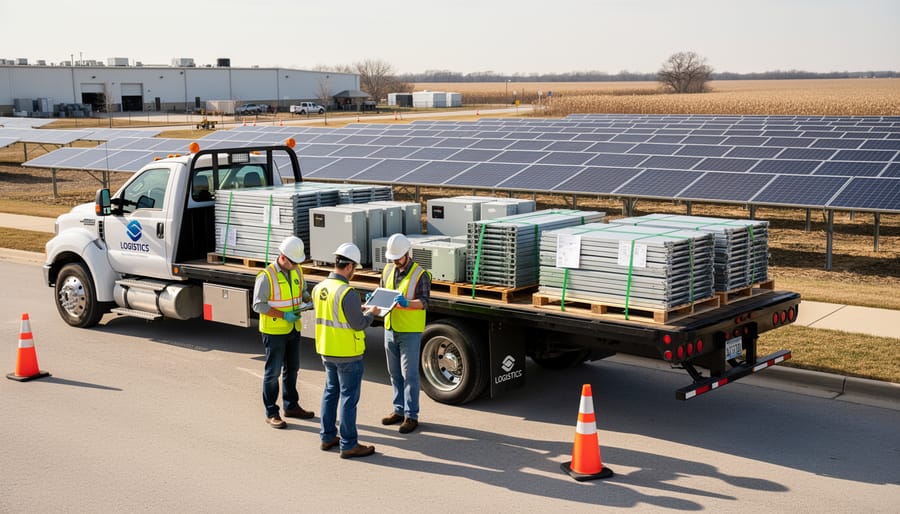
Weather-Related Delays in the Midwest
Illinois weather presents unique challenges for solar equipment delivery, from heavy winter snowstorms to spring flooding that can disrupt transportation routes. Modern supply chain digitization helps minimize these delays through advanced weather forecasting tools and real-time tracking systems. When severe weather threatens scheduled deliveries, digital platforms allow logistics teams to identify alternative routes and adjust shipping schedules proactively, rather than reactively responding to delays after they occur.
Smart routing algorithms analyze weather patterns, road conditions, and traffic data to determine the most reliable delivery paths for solar panels and equipment. This technology enables locally owned solar companies to maintain project timelines even during unpredictable Midwest weather events. For homeowners and businesses investing in solar energy, this means fewer installation delays and more predictable project completion dates, as suppliers can communicate accurate delivery windows based on real-time data rather than estimates.
Component Compatibility Issues
Before solar panels, inverters, and mounting systems arrive at your property, digital supply chain systems verify that every component works together seamlessly. This compatibility check happens through sophisticated software that matches equipment specifications, electrical ratings, and manufacturer requirements across the entire system.
Think of it like ensuring puzzle pieces fit before assembly begins. Digital tools cross-reference panel voltage outputs with inverter input ranges, confirm mounting hardware matches your roof type, and verify that all electrical components meet Illinois building codes. This eliminates the costly delays that occur when installers discover mismatched equipment on-site.
For homeowners and businesses, this means your solar installation proceeds smoothly without unexpected substitutions or modifications. The digital verification process also supports equipment lifecycle management by creating detailed records of every component’s specifications and compatibility history.
As a locally owned solar provider, we use these digital systems to guarantee that your system components arrive tested, matched, and ready for efficient installation. This attention to compatibility reduces installation time and ensures your solar investment performs as designed from day one.
What to Ask Your Solar Installer About Their Supply Chain
When meeting with solar installers, asking the right questions about their supply chain practices can reveal whether they’re using modern systems that benefit your project. Start by inquiring how they track equipment from manufacturer to installation. Companies using digital supply chain systems can provide real-time updates on panel deliveries and component availability, which directly affects your project timeline.
Ask about their inventory management approach. Modern installers can quickly verify equipment specifications and availability through digital platforms, reducing delays and ensuring your system uses compatible, high-quality components. This is particularly important for Illinois projects where weather windows matter.
Request information about how they handle equipment warranties and product tracking. Digitized systems maintain detailed records of serial numbers, purchase dates, and manufacturer information, which streamlines warranty claims if issues arise years after installation.
Inquire whether they can provide transparent pricing breakdowns. Digital supply chains allow companies to track costs accurately and share detailed quotes that show exactly what you’re paying for. This transparency helps you understand the value you’re receiving.
Don’t hesitate to ask about their communication methods during the project. Installers using modern supply chain tools typically offer customer portals or regular digital updates, keeping you informed throughout the installation process. As a locally owned company serving Illinois communities, we understand that clear communication and reliable project execution matter most to homeowners and businesses making this important investment.
Digital supply chain management represents more than just technological advancement—it’s a fundamental shift in how solar projects reach completion. For Illinois homeowners and businesses, this transformation translates directly into tangible benefits: installations that happen weeks faster, components that meet rigorous quality standards, and pricing that remains stable from quote to completion. When your solar installer operates with real-time inventory visibility, automated quality checks, and predictive logistics, you experience fewer delays, better communication, and greater confidence in your investment.
The difference between traditional and digitized supply chains becomes clear during project execution. Where paper-based processes might leave customers wondering about equipment arrival or installation timing, digital systems provide transparency at every stage. This visibility reduces anxiety, minimizes scheduling conflicts, and ensures your solar project stays on track.
As renewable energy technology continues advancing, supply chain digitization will play an increasingly vital role in making solar accessible to more Illinois residents and businesses. Enhanced automation, artificial intelligence, and data analytics promise even greater efficiency improvements in the coming years. At Illinois Renewables, we’re committed to leveraging these technologies to deliver modern, efficient service that matches the innovation of the solar panels themselves. Our locally owned approach combines cutting-edge digital tools with personalized attention, ensuring you benefit from both technological advancement and the expertise that comes from understanding Illinois’s unique energy landscape. The future of solar accessibility depends on this seamless integration of technology and service excellence.
