

Consumer Advocate Legit? The Truth About Energy Efficiency Incentive Programs
Protect your home improvement investment by verifying consumer advocate credentials through the Illinois Commerce Commission’s registered contractor database. Legitimate consumer advocates deliver measurable value by negotiating better rates with energy suppliers, identifying cost-saving opportunities, and ensuring compliance with state regulations. In Illinois, where homeowners face complex decisions about solar installations and energy efficiency upgrades, a qualified consumer advocate serves as your expert partner, typically saving 15-30% on project costs while preventing common pitfalls.
The key difference between legitimate advocates and questionable operators lies in their transparency, documented track record, and industry certifications. Professional consumer advocates maintain clear fee structures, provide detailed service agreements, and offer verifiable references from past clients. Before engaging any advocate, request their Illinois business registration number and confirm their standing with both the Better Business Bureau and local chambers of commerce. This due diligence protects your interests while maximizing the benefits of working with a genuine energy efficiency expert.
What is a Consumer Advocate in Energy Efficiency?

Official vs. Private Consumer Advocates
In Illinois, consumer advocates generally fall into two distinct categories: official government-appointed representatives and private consultants. Government advocates typically work through organizations like the Illinois Office of Consumer Protection and the Citizens Utility Board (CUB), providing free services to protect public interests in utility matters. These official advocates have legal authority to represent consumers in regulatory proceedings and policy discussions.
Private consumer advocates, on the other hand, are independent consultants or firms that offer specialized services for a fee. While they don’t have governmental authority, legitimate private advocates often bring valuable industry expertise and personalized attention to individual cases. They commonly focus on specific areas like energy efficiency, solar installations, or utility bill disputes.
The key difference lies in their scope and funding. Government advocates serve the broader public interest and are funded by tax dollars or utility fees, while private advocates work directly for their clients and charge for their services. Both can be legitimate and valuable resources, but it’s important to understand their different roles and limitations when seeking assistance with energy-related matters.
Services Provided by Energy Consumer Advocates
Legitimate energy consumer advocates provide a comprehensive range of services designed to help homeowners and businesses navigate their energy choices effectively. These professionals work to understand your current energy usage patterns and analyze Illinois utility rates to identify potential savings opportunities.
Core services typically include bill analysis and optimization, where advocates review your utility bills to spot billing errors and recommend more favorable rate structures. They also conduct energy audits to identify efficiency improvements and provide detailed recommendations for reducing consumption. When it comes to solar installations, advocates help evaluate quotes from different providers, explain available incentives and rebates, and ensure proposed systems align with your energy needs.
Additionally, these professionals assist with utility dispute resolution, represent your interests in regulatory proceedings, and provide ongoing support for energy-related decisions. They often help navigate the complexities of renewable energy contracts and ensure you understand the terms of any agreements you’re considering. This comprehensive support helps ensure you make informed decisions about your energy investments while maximizing potential savings.
Legitimacy Indicators for Consumer Advocates
Credentials and Certifications
In Illinois, legitimate consumer advocates must hold specific credentials and certifications to operate professionally. The Illinois Commerce Commission (ICC) requires advocates to complete a rigorous certification program covering energy markets, consumer protection laws, and community solar programs. This includes completing at least 40 hours of specialized training and passing a comprehensive examination.
Key qualifications include a minimum of a bachelor’s degree in energy management, business administration, or related fields, plus two years of experience in energy consulting. Advocates must also maintain active membership with recognized organizations such as the Illinois Solar Energy Association (ISEA) or the Association of Energy Services Professionals (AESP).
Additionally, legitimate advocates must carry professional liability insurance and register with the Illinois Attorney General’s Office. They are required to complete annual continuing education courses to stay current with evolving energy policies and technologies. Consumers can verify an advocate’s credentials through the ICC’s public database or by requesting documentation directly from the advocate.
Red Flags to Watch For
Be cautious if a consumer advocate demands large upfront fees or pressures you into making immediate decisions. Legitimate advocates typically offer transparent pricing structures and give you time to review proposals thoroughly. Watch out for representatives who make unrealistic promises about energy savings or tax incentives, particularly those that seem too good to be true for the Illinois market.
Another red flag is the lack of proper licensing or certification documentation. Legitimate consumer advocates should readily provide their credentials and be registered with relevant state authorities. Be wary of companies that can’t provide local references or have no physical presence in Illinois.
Poor communication practices, such as avoiding written documentation or refusing to provide detailed contracts, should raise concerns. Additionally, if an advocate suggests circumventing local building codes or permit requirements for energy projects, this is a serious warning sign.
Check for inconsistent company information across different platforms and be cautious of advocates who operate under multiple business names. Legitimate organizations maintain consistent, verifiable business identities and professional online presence.
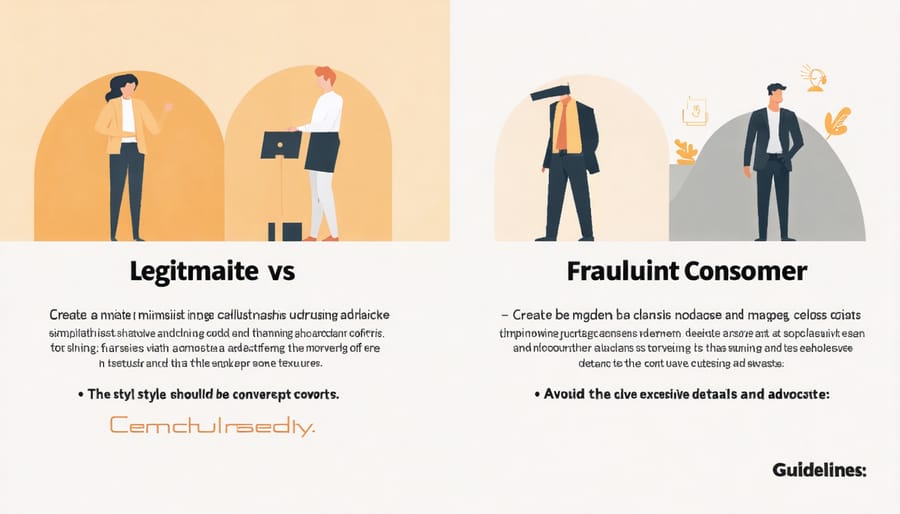

Benefits of Working with Legitimate Consumer Advocates
Working with a legitimate consumer advocate can significantly enhance your energy efficiency journey in Illinois. These professionals bring valuable expertise and insider knowledge that can help you maximize your energy efficiency savings while navigating complex utility programs and incentives.
One of the primary benefits is personalized guidance throughout your project. Legitimate advocates take time to understand your specific energy needs, budget constraints, and long-term goals. They then develop customized solutions that align with Illinois’s renewable energy programs and local utility requirements.
These professionals also help you avoid common pitfalls and expensive mistakes. Their experience with Illinois-specific regulations and incentive programs ensures you receive all eligible rebates and tax credits. They can identify the most cost-effective improvements for your property and help prioritize projects for maximum return on investment.
Access to vetted contractors is another significant advantage. Legitimate consumer advocates maintain networks of reliable, certified professionals who specialize in energy efficiency installations. This saves you time and reduces the risk of working with unreliable contractors.
Additionally, legitimate advocates serve as your representative when dealing with utilities and contractors. They can help resolve disputes, ensure proper documentation, and verify that work meets quality standards. Their expertise in Illinois energy policies and programs helps streamline the entire process, from initial assessment to project completion.
Most importantly, working with a legitimate advocate provides peace of mind. You can trust that your energy efficiency investments are being managed professionally, with your best interests in mind, while supporting local Illinois businesses and contributing to the state’s renewable energy goals.
How to Verify a Consumer Advocate in Illinois
To verify a consumer advocate in Illinois, start by checking their registration with the Illinois Attorney General’s Office, which maintains a database of licensed consumer advocates. Visit the official website and use the license lookup tool to confirm their credentials.
Next, research their professional affiliations. Legitimate consumer advocates often belong to recognized organizations such as the Illinois Solar Energy Association (ISEA) or the National Association of Consumer Advocates (NACA). These memberships indicate a commitment to industry standards and ongoing professional development.
Request and verify their credentials and certifications. In Illinois, consumer advocates working in the energy sector should have relevant certifications from recognized institutions. Ask for documentation and contact the issuing organizations to confirm their validity.
Check the advocate’s standing with the Better Business Bureau (BBB) of Illinois. Look for their rating, read customer reviews, and check if there are any unresolved complaints. A legitimate advocate typically maintains a good BBB rating and responds professionally to any customer concerns.
Review their local presence and history. Established consumer advocates should have a physical office location in Illinois and verifiable references from past clients. Contact these references and ask about their experiences working with the advocate.
Finally, schedule a consultation and ask detailed questions about their experience, particularly with solar energy projects in Illinois. A legitimate advocate will readily provide clear information about their services, fees, and process without using high-pressure sales tactics.
Document all verification steps and keep copies of any credentials or licenses provided. This documentation can be valuable if any issues arise during your working relationship with the advocate.
Consumer advocates play a vital role in helping Illinois residents make informed decisions about their energy solutions. By understanding their legitimacy through proper licensing, industry certifications, and verified customer reviews, you can confidently partner with a reputable advocate for your energy efficiency projects. Remember to thoroughly research potential advocates, verify their credentials, and ask for references before making your decision. Taking these steps will help ensure you work with a trustworthy professional who truly has your best interests in mind. For additional peace of mind, consider consulting with local business associations and checking with the Better Business Bureau before making your final choice. The right consumer advocate can be an invaluable partner in maximizing your energy savings while protecting your interests throughout the process.
