

How Integrated Energy Systems Are Transforming Illinois Communities
Integrated energy systems are revolutionizing how Illinois communities power their future, combining renewable sources, smart storage solutions, and advanced grid management to create resilient, sustainable power networks. These sophisticated systems seamlessly blend solar panels, wind turbines, and energy storage technologies with traditional power infrastructure, enabling communities to reduce costs, enhance reliability, and minimize environmental impact. By interconnecting various energy sources and implementing intelligent control systems, integrated energy solutions provide the flexibility needed to meet fluctuating power demands while maintaining grid stability.
Unlike conventional single-source power systems, integrated approaches create a dynamic energy ecosystem that adapts to changing conditions, whether it’s a sunny day perfect for solar generation or an unexpected power outage requiring backup resources. For Illinois businesses and homeowners, these systems offer practical benefits: reduced utility bills, increased energy independence, and improved power quality. The growing adoption of integrated energy systems across the state demonstrates their vital role in building sustainable, resilient communities ready to meet tomorrow’s energy challenges.
This holistic approach to energy management represents more than just technological advancement—it’s a fundamental shift in how we think about and utilize power resources in our daily lives.
What Makes an Energy System Truly Integrated?
Smart Grid Technology
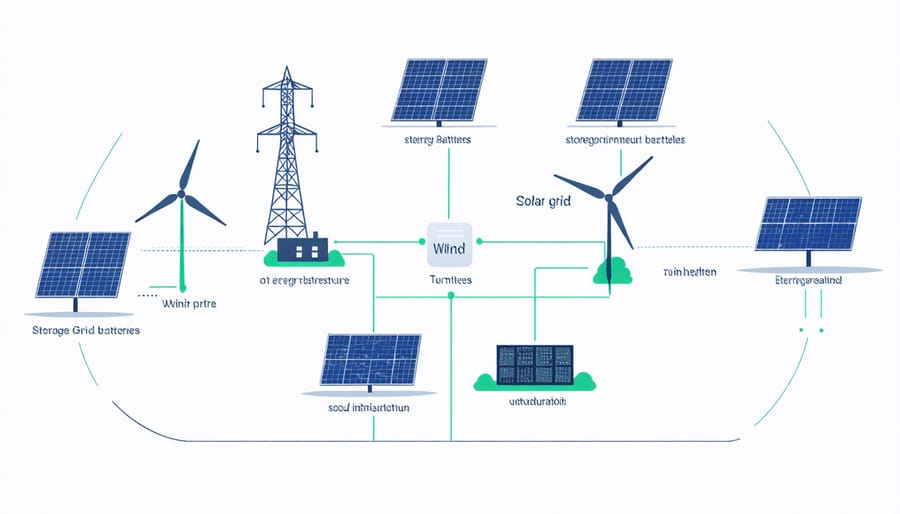
Smart grids represent the backbone of modern integrated energy systems, using advanced digital communications and automated controls to create a more responsive and efficient power network. These intelligent systems continuously monitor energy consumption patterns and adjust power distribution in real-time, ensuring optimal resource utilization across homes and businesses throughout Illinois.
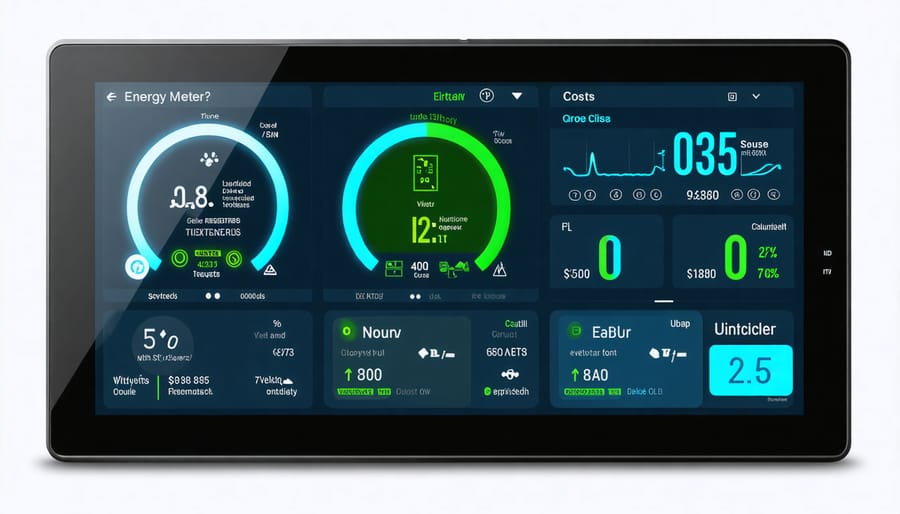
Through grid innovation partnerships, local utilities are implementing smart meters and advanced sensors that enable two-way communication between energy providers and consumers. This technology allows homeowners to track their energy usage in real-time and make informed decisions about their consumption patterns.
The smart grid’s ability to integrate various energy sources, including solar panels, wind turbines, and traditional power plants, makes it essential for creating a reliable and sustainable energy future. When severe weather threatens power supply, smart grids can automatically reroute electricity to prevent outages and maintain service to critical facilities. This self-healing capability, combined with improved energy storage solutions, helps create a more resilient power system for Illinois communities.
Energy Storage Solutions
Energy storage solutions are the backbone of reliable integrated energy systems, especially in Illinois where weather patterns can be unpredictable. Modern storage technologies help balance energy supply and demand, ensuring consistent power availability even when renewable sources aren’t actively generating electricity.
Battery storage systems, particularly lithium-ion batteries, are becoming increasingly popular for both residential and commercial applications. These systems can store excess solar energy during peak production hours and release it when needed, such as during evening hours or cloudy days. For larger installations, flow batteries offer longer-duration storage capabilities and are ideal for industrial applications.
Beyond batteries, thermal storage solutions are gaining traction in Illinois. These systems store energy in the form of heat, using materials like molten salt or specialized phase-change materials. During winter months, this stored thermal energy can supplement heating systems, reducing overall energy costs.
Mechanical storage options, including compressed air and flywheel systems, provide additional alternatives for specific applications. These solutions are particularly valuable for businesses requiring uninterrupted power supply or those looking to optimize their energy consumption patterns during peak rate periods.
Community Benefits of Integrated Energy Systems
Cost Savings and Economic Impact
Implementing integrated energy systems offers substantial financial advantages for Illinois communities, with studies showing potential utility bill reductions of 20-40% for participating households. These community cost savings stem from multiple factors, including reduced transmission losses, optimized energy distribution, and shared infrastructure costs.
Businesses and industries benefit from predictable energy expenses and reduced peak demand charges, while homeowners enjoy lower monthly bills and increased property values. The economic impact extends beyond direct energy savings, creating local jobs in system maintenance, installation, and operations.
Recent data from Illinois pilot programs demonstrates that communities implementing these systems have experienced an average return on investment within 5-7 years. Additionally, participants benefit from various state and federal incentives, including tax credits and rebates, which can significantly offset initial implementation costs.
The collective purchasing power of integrated systems allows communities to negotiate better rates with utilities and equipment suppliers. This bargaining advantage, combined with reduced infrastructure maintenance costs and improved grid reliability, creates a sustainable economic model that benefits all participants while strengthening local economies.
Through smart energy management and load sharing, these systems also provide protection against future energy price volatility, ensuring long-term financial stability for community members.
Environmental and Grid Reliability Benefits
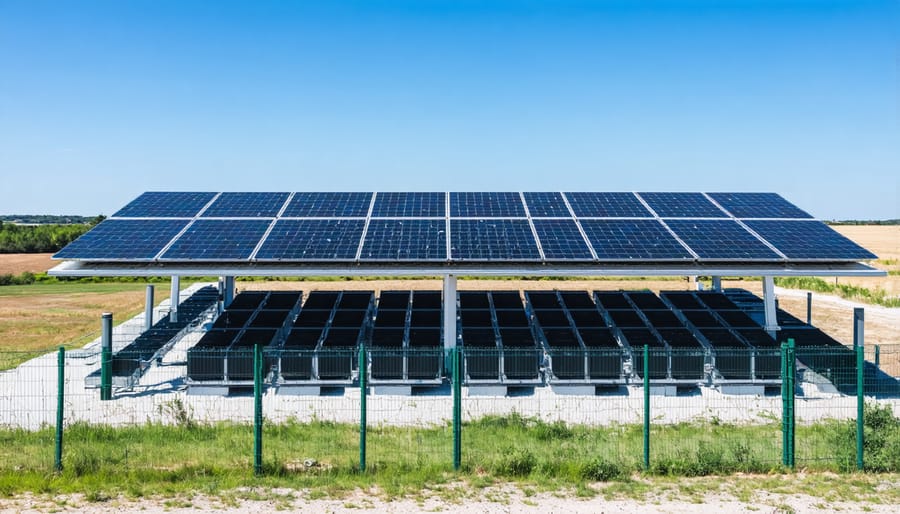
Integrated energy systems offer significant environmental benefits by optimizing the use of renewable energy sources and reducing overall carbon emissions. When solar panels, energy storage, and smart management systems work together, they maximize clean energy utilization while minimizing reliance on fossil fuels. This coordination results in measurably lower greenhouse gas emissions and a smaller environmental footprint for homes and businesses across Illinois.
The reliability benefits are equally impressive. By combining multiple energy sources and storage solutions, integrated systems create a more resilient power supply that can maintain operations during grid outages or extreme weather events. This is particularly valuable in Illinois, where weather conditions can be unpredictable and demanding on traditional power infrastructure.
These systems also help stabilize the broader electrical grid by managing peak demand periods more effectively. During times of high energy usage, integrated systems can switch to stored power or reduce consumption through smart load management, preventing strain on the grid. This load-balancing capability not only improves overall grid stability but also helps prevent brownouts and blackouts during critical times.
For businesses and homeowners, this translates to fewer service interruptions, more consistent energy costs, and the satisfaction of knowing their energy choices support environmental sustainability. The system’s ability to adapt to changing conditions and energy needs ensures reliable power delivery while maintaining a smaller environmental impact.
Implementation Strategies for Illinois Communities
Planning and Assessment
Effective planning is crucial for successful integrated energy system implementation. The process begins with a comprehensive assessment of current energy usage patterns and available renewable resources in your community. Following our proven community energy planning framework, communities can develop realistic goals and implementation strategies.
Key planning steps include:
1. Conducting an energy audit to establish baseline consumption
2. Identifying potential renewable energy sources
3. Assessing existing infrastructure capabilities
4. Evaluating storage requirements
5. Determining budget constraints and funding options
The assessment phase should involve stakeholder engagement, including local utilities, businesses, and residents. This collaborative approach ensures that the system design meets community needs while maintaining grid reliability. Consider factors such as seasonal energy demand variations, peak usage times, and future growth projections.
Regular monitoring and evaluation help optimize system performance and identify areas for improvement. Communities should establish clear metrics for success, including energy cost savings, carbon reduction targets, and system reliability benchmarks. This data-driven approach enables continuous improvement and helps demonstrate the value of integrated energy systems to stakeholders.
Funding and Support Resources
Illinois offers numerous funding opportunities and support resources for implementing integrated energy systems. The Illinois Solar for All program provides significant incentives for low-income households and communities, covering up to 100% of solar installation costs. Additionally, the Smart Grid Investment Program offers grants and rebates for businesses incorporating advanced energy management systems.
Property owners can take advantage of federal tax credits, which currently allow you to deduct 30% of the total system cost from your federal taxes. The Illinois Clean Energy Community Foundation regularly issues grants for renewable energy projects, particularly those incorporating storage solutions and smart grid technologies.
Local utilities like ComEd and Ameren Illinois provide energy efficiency incentives and technical assistance for both residential and commercial customers. The Illinois Environmental Protection Agency’s VW Settlement Program offers funding specifically for clean energy infrastructure projects.
For businesses, the Illinois Finance Authority offers low-interest loans and bond programs to support clean energy installations. Additionally, several Illinois counties provide Property Assessed Clean Energy (PACE) financing, allowing property owners to fund energy improvements through property tax assessments.
Contact your local energy provider or municipality to learn about specific programs available in your area.
Real-World Success Stories
Illinois is leading the way in implementing successful integrated energy systems, with several notable projects demonstrating the power of these innovative solutions. One standout example is the Bronzeville Community Microgrid on Chicago’s South Side, which combines solar panels, energy storage, and smart distribution systems to provide reliable power to critical facilities, including the Illinois Institute of Technology campus and local emergency services.
The Village of Rantoul showcases how solar community transformations can revitalize smaller municipalities. Their integrated system, completed in 2021, connects municipal buildings, schools, and local businesses through a smart grid network, resulting in a 35% reduction in energy costs and improved grid resilience during extreme weather events.
In Champaign County, the Sidney Community Solar Farm demonstrates the successful integration of agricultural land use with renewable energy production. This 12-acre solar installation powers over 400 homes while allowing for continued farming activities beneath the elevated panels. The project has become a model for dual-use land management and community energy independence.
The Bloomington-Normal Smart Cities Initiative presents another compelling case study. Their integrated energy system incorporates electric vehicle charging stations, smart streetlights, and building automation systems across both cities. Since implementation in 2020, the initiative has reduced municipal energy consumption by 28% and decreased carbon emissions by an estimated 12,000 metric tons annually.
Rock Island’s Industrial Innovation District showcases how integrated energy systems can support manufacturing facilities. Their micro-grid system, which combines solar, natural gas generators, and advanced energy storage, has helped local manufacturers reduce operational costs by 40% while maintaining 99.999% power reliability.
These success stories demonstrate that integrated energy systems can work effectively across various scales and settings in Illinois, from urban neighborhoods to rural communities. Each project has not only achieved significant energy cost savings but also improved grid resilience, reduced environmental impact, and created new opportunities for community development.
Integrated energy systems represent a transformative approach to power management, offering Illinois communities and businesses a path toward greater energy independence and sustainability. By combining various energy sources, smart technology, and storage solutions, these systems provide reliable, cost-effective power while reducing environmental impact. The success stories we’ve seen across Illinois demonstrate that integrated systems can effectively serve diverse needs, from residential neighborhoods to industrial complexes.
Looking ahead, the future of integrated energy systems in Illinois appears promising. With continuing technological advancements, decreasing costs of renewable components, and growing support from state policies, these systems are becoming increasingly accessible and practical. We expect to see more communities embracing this approach, particularly as grid resilience becomes more crucial and environmental concerns remain at the forefront.
For property owners and businesses considering integrated energy solutions, the time is right to explore these options. With experienced local providers, supportive regulations, and proven benefits, integrated energy systems offer a practical path toward a more sustainable and energy-independent future in Illinois.
