

Smart Meters Explained: How Your Electric Bill Is Getting Smarter (And More Private)
Smart meters are revolutionizing how Illinois homeowners monitor and control their electricity usage, offering unprecedented insights into energy consumption patterns in real-time. Unlike traditional electric meters that require manual readings, these digital devices automatically transmit usage data to utility companies while providing homeowners with detailed information about their energy habits through user-friendly apps and online dashboards.
Think of a smart meter as your home’s energy command center – it’s like having a personal energy advisor that helps you make informed decisions about when and how you use electricity. This technology not only eliminates estimated billing and ensures accurate readings but also enables homeowners to identify energy-hungry appliances, shift usage to off-peak hours, and potentially reduce their monthly utility bills.
For Illinois residents exploring ways to optimize their energy consumption, smart meters represent a crucial step toward a more efficient and sustainable home energy management system, especially when combined with modern energy solutions like solar panels and home automation systems.
What Makes an Electric Meter ‘Smart’?
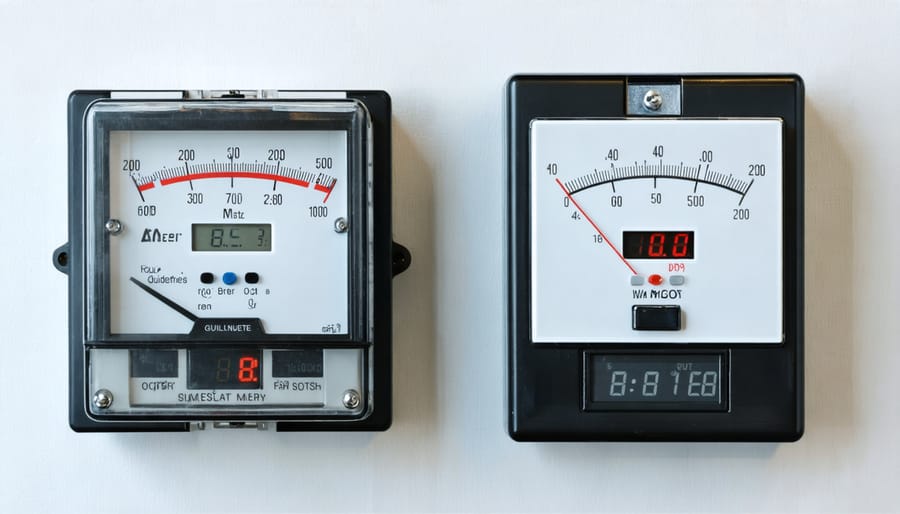
Core Features of Modern Smart Meters
Modern smart meters pack several essential features that revolutionize how we monitor and manage electricity usage. At their core, these devices provide real-time energy consumption data, allowing you to track exactly how much electricity you’re using at any given moment. This instant feedback helps you make informed decisions about your energy use and identify potential savings opportunities.
Two-way communication capabilities enable these meters to both send and receive information from your utility company. This means no more estimated bills or manual meter readings – your usage data is automatically transmitted to your provider, ensuring accurate billing every time. Many smart meters also offer detailed consumption analysis through user-friendly mobile apps or web portals, giving you unprecedented insight into your energy patterns.
Another key feature is power quality monitoring, which helps detect issues like voltage fluctuations that could affect your appliances. Smart meters can also facilitate automated outage reporting, allowing utilities to respond more quickly to power disruptions. Some advanced models even support time-of-use pricing, enabling you to save money by shifting your energy usage to off-peak hours when rates are lower.
How Smart Meters Communicate With Utilities
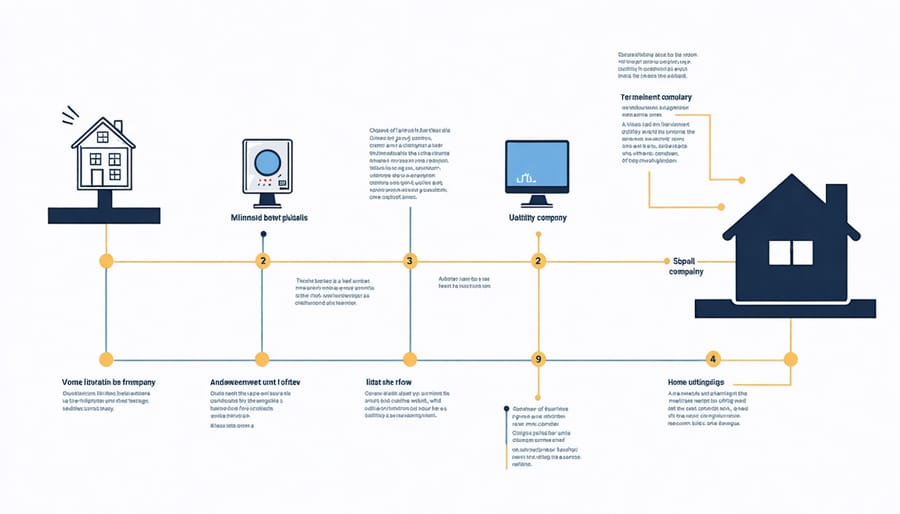
Smart meters use secure wireless technology to communicate with your utility company, similar to how your cell phone sends and receives data. These devices transmit your energy usage information several times per day through a dedicated radio frequency network or cellular connections.
The communication process typically works in two stages. First, your smart meter collects detailed data about your electricity consumption, including when and how much power you’re using. Then, it securely transmits this information to nearby data collectors or relay stations, which forward the data to your utility company’s central system.
Most Illinois utilities use encrypted communications to ensure your data remains private and protected. The amount of radio frequency energy used for these transmissions is minimal – far less than what’s produced by common household devices like cell phones or Wi-Fi routers.
This two-way communication system also allows utilities to remotely monitor system performance, detect outages quickly, and even connect or disconnect service when needed. For consumers, this means more accurate billing and the ability to track their energy usage in near real-time through online portals or mobile apps.
Benefits for Illinois Homeowners
Real-Time Energy Usage Insights
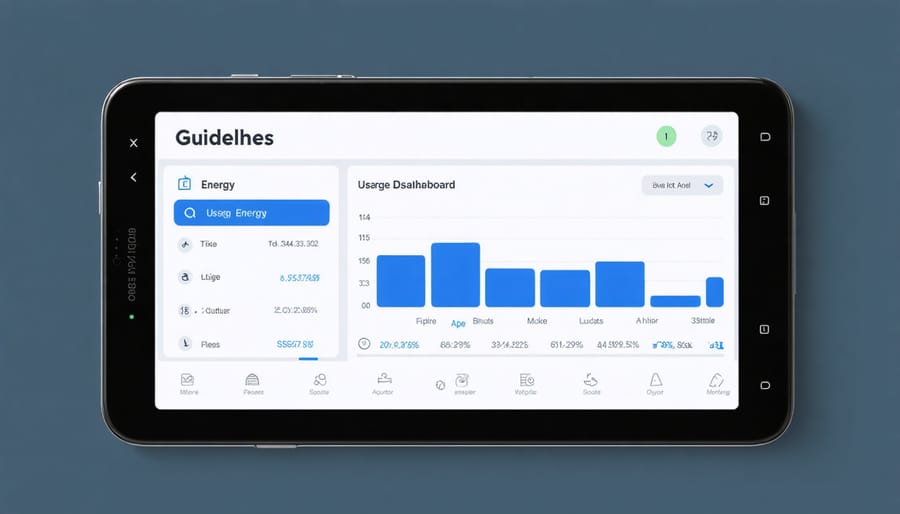
Smart meters provide homeowners with unprecedented visibility into their energy consumption patterns through user-friendly digital interfaces and mobile apps. By accessing real-time data, you can track exactly when and how much electricity your household uses throughout the day. This valuable information helps identify energy-hungry appliances and peak usage times, enabling you to make informed decisions about your consumption habits.
Many utility providers offer online portals where you can view detailed usage graphs, set consumption alerts, and receive personalized energy-saving recommendations. These insights make it easier to participate in various energy efficiency incentives and time-of-use rate programs, potentially reducing your monthly bills.
The data collected by smart meters can help you:
• Monitor daily, weekly, and monthly consumption trends
• Identify opportunities to shift energy-intensive activities to off-peak hours
• Detect unusual usage patterns that might indicate malfunctioning appliances
• Set and track energy-saving goals
• Compare your usage with similar households in your area
• Receive automated alerts when approaching predetermined usage thresholds
This level of insight empowers you to take control of your energy consumption and make sustainable choices that benefit both your wallet and the environment.
Accurate Billing and Cost Savings
Smart meters revolutionize billing accuracy by eliminating manual readings and estimated bills, ensuring you only pay for the energy you actually use. This advanced technology provides detailed consumption data in real-time, allowing you to make informed decisions about your energy usage and potentially reduce your monthly expenses.
By understanding your utility rates and energy savings opportunities through smart meter data, you can identify peak usage periods and adjust your consumption patterns accordingly. For example, you might discover that running your dishwasher during off-peak hours could lead to significant savings on your energy bills.
The digital display on smart meters makes it easy to monitor your daily energy consumption, helping you spot unusual usage patterns or energy-hungry appliances. Many utility companies provide online portals or mobile apps that work with smart meters, giving you access to detailed energy reports and consumption trends.
This transparency in energy usage often leads to more conscious consumption habits. Illinois homeowners with smart meters typically report reduced energy bills through better awareness and strategic timing of their electricity use. Some utility providers even offer time-of-use rates and special programs that help customers maximize their savings with smart meter technology.
Privacy and Security Considerations
Data Protection Measures
Smart meters incorporate multiple layers of security to protect your personal data and consumption information. The devices use advanced encryption technology, similar to what banks use for online transactions, to secure data transmission between your home and the utility company. This ensures that your energy usage information remains confidential and protected from unauthorized access.
These meters operate on their own secure network, separate from your home’s internet connection, adding an extra layer of protection. The data they transmit is anonymized and includes only the necessary information for billing and grid management purposes. Utility companies must comply with strict federal and state regulations regarding data protection and privacy.
Additionally, smart meters feature tamper-detection mechanisms that alert the utility company to any unauthorized physical interference. Regular security updates and monitoring ensure the system stays protected against emerging threats. The Illinois Commerce Commission oversees these security measures, requiring utilities to maintain rigorous standards for data protection and customer privacy.
Remember that you can always request information about how your utility company handles and protects your smart meter data.
Your Rights as a Consumer
As a consumer with a smart meter, you have specific rights protected by Illinois law. Your utility company must ensure your data privacy and security, with strict protocols governing how your energy usage information is collected, stored, and shared. You maintain full control over who can access your detailed energy consumption data beyond your utility provider.
You have the right to access your own energy usage data through secure online portals or mobile apps. This information can help you make informed decisions about your energy consumption and identify opportunities for savings. The data collected must be accurate, and you have the right to dispute any inconsistencies you notice in your readings or bills.
If you have concerns about your smart meter’s operation or data collection, you can request an investigation from your utility company. While opting out of smart meter installation might be possible, be aware that some utilities may charge additional fees for manual meter reading services.
Your utility provider must notify you before installing a smart meter and provide clear information about its features, benefits, and any associated changes to your service.
Smart Meters and Solar Energy Integration
Smart meters play a crucial role in maximizing the benefits of solar panel installations, making them an essential component for homeowners embracing renewable energy benefits. These advanced devices accurately measure both the electricity you consume from the grid and the excess power your solar panels generate and send back to the utility company.
When your solar panels produce more electricity than your home needs, smart meters track this surplus energy through a process called net metering. This two-way communication capability ensures you receive proper credits on your utility bill for the clean energy you contribute to the grid. The precise measurements provided by smart meters make it easier to monitor your solar system’s performance and optimize your energy usage patterns.
For Illinois homeowners, smart meters provide real-time data about solar production and consumption, helping you make informed decisions about when to use major appliances. For example, you might choose to run your dishwasher during peak solar production hours to maximize your solar investment. The meter’s detailed energy reports also help identify potential issues with your solar system, ensuring it operates at peak efficiency.
Additionally, smart meters facilitate the integration of battery storage systems with your solar installation. These meters can help determine the best times to store excess solar energy and when to use stored power, maximizing your energy independence and reducing reliance on grid electricity during peak rate periods.
Smart meters are particularly valuable during Illinois’ varying seasons, helping you track how weather patterns affect your solar production and adjusting your energy consumption accordingly.
Smart meters represent a significant advancement in how we monitor and manage electricity consumption. By providing real-time data, improved accuracy, and enhanced control over energy usage, these devices empower homeowners and businesses to make informed decisions about their power consumption. The benefits extend beyond just accurate billing – from detecting outages faster to supporting renewable energy integration, smart meters are helping to build a more sustainable and efficient energy future.
While some concerns about privacy and EMF emissions exist, extensive research and strict regulations ensure these devices meet safety standards. For Illinois residents considering smart meters, the advantages typically outweigh potential drawbacks. They offer valuable tools for energy management, cost savings, and environmental responsibility.
As we continue to embrace clean energy solutions and modernize our power grid, smart meters serve as a crucial link between consumers and utilities. By understanding and utilizing their features effectively, you can take greater control of your energy usage while contributing to a more sustainable energy landscape in Illinois.
