

Energy Resilience: Safeguarding Your Power When Nature Strikes Back
Energy resilience represents our power grid’s ability to withstand, adapt to, and rapidly recover from disruptions – a critical factor as extreme weather events and cyber threats become increasingly common. For Illinois homeowners and businesses, building energy resilience means developing systems that maintain reliable power access during outages while reducing dependence on traditional grid infrastructure. From severe storms to equipment failures, a resilient energy system combines advanced technology, strategic planning, and diverse power sources to ensure continuous operations when conventional systems fail. Solar energy, battery storage, and smart grid solutions are transforming how Illinois communities approach energy security, offering unprecedented control over their power supply while strengthening local infrastructure against emerging challenges. Understanding energy resilience isn’t just about backup power – it’s about creating a flexible, sustainable energy framework that protects homes and businesses while supporting broader community stability.
What Makes a Power System Resilient?
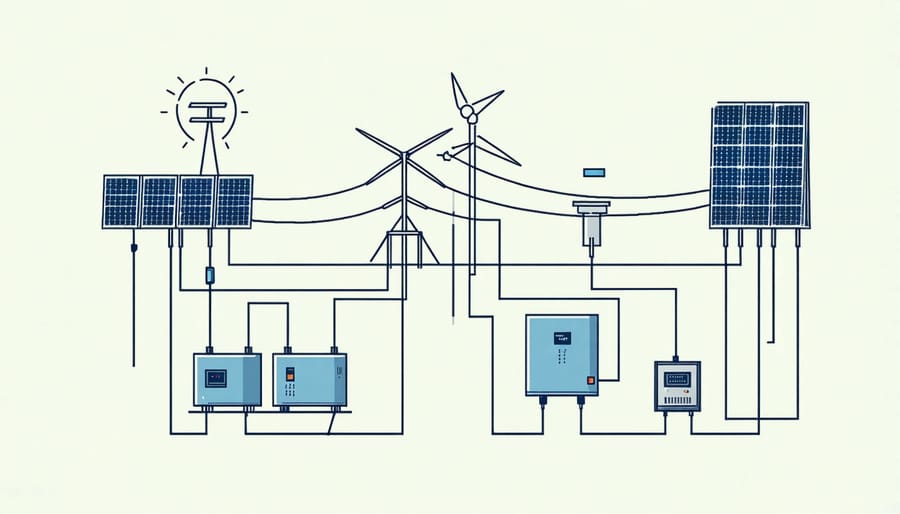
Grid Independence
Grid independence represents a crucial aspect of energy resilience, enabling homes and businesses to maintain power even when the main electrical grid fails. Through backup power systems and self-generation capabilities, particularly solar panels paired with battery storage, property owners can create their own reliable power supply. This approach proves especially valuable during extreme weather events or grid disruptions common in Illinois.
By incorporating solar panels and energy storage solutions, properties can generate and store their own electricity, reducing dependence on the traditional power grid. During daylight hours, solar panels produce electricity that can either power immediate needs or charge batteries for later use. When grid power becomes unavailable, these systems automatically switch to stored power, ensuring continuous operation of essential equipment and appliances.
This self-sufficiency not only provides peace of mind but also offers financial benefits through reduced utility bills and potential energy credits. For Illinois businesses and homeowners, achieving even partial grid independence through solar solutions represents a strategic investment in long-term energy security and cost stability.
System Redundancy
System redundancy forms the backbone of energy resilience by incorporating multiple power sources and backup systems to ensure continuous operation during disruptions. For Illinois property owners, this typically involves combining solar panels with traditional grid connections and battery storage systems. This layered approach means that if one power source fails, others can seamlessly take over.
A well-designed redundant system might include solar panels for primary daytime power generation, battery storage to maintain power during nighttime or cloudy conditions, and grid connectivity as a backup. Some systems also incorporate generators as an additional safety net. This multi-layered strategy is particularly valuable during Illinois’s extreme weather events, from summer storms to winter ice.
For businesses and homeowners, implementing redundant systems doesn’t mean installing everything at once. Starting with solar panels and gradually adding components like battery storage allows for a phased approach to building resilience. The key is strategic planning that considers your specific energy needs, budget, and local climate conditions to create a system that provides reliable power under various circumstances.
Solar Power’s Role in Energy Resilience

Battery Storage Solutions
Battery storage systems are revolutionizing the way Illinois homeowners and businesses approach energy resilience. When paired with solar panels, these advanced storage solutions provide continuous power supply even when the sun isn’t shining or during grid outages. By storing excess energy generated during peak sunlight hours, batteries ensure you maintain power independence while optimizing your utility rates and solar savings.
Modern battery systems like the Tesla Powerwall and LG Chem RESU offer smart features that automatically detect power outages and seamlessly switch to stored energy within milliseconds. This instant response ensures your critical systems remain operational without interruption. For Illinois residents, this capability is particularly valuable during severe weather events or grid maintenance periods.
The size of your battery system can be customized based on your specific needs. A typical home battery can power essential appliances for 24-48 hours, while larger commercial systems can support operations for extended periods. When designing your storage solution, consider factors like daily energy consumption, critical load requirements, and backup power duration needs.
Battery storage also enables you to participate in demand response programs, where you can use stored energy during peak rate periods instead of drawing from the grid. This strategic energy management not only enhances your resilience but also maximizes your investment in solar technology.
Smart Grid Technology
Smart grid technology represents a revolutionary advancement in how we distribute, monitor, and manage electricity. This modern infrastructure combines digital communications, automated controls, and advanced smart meter technology to create a more responsive and efficient power system.
For Illinois residents and businesses, smart grids offer unprecedented control over energy consumption and distribution. These systems can automatically detect and respond to power outages, reroute electricity to prevent widespread blackouts, and optimize power distribution based on real-time demand. During peak usage periods, smart grids can balance loads more effectively, reducing strain on the system and preventing service interruptions.
The integration of renewable energy sources, particularly solar power, becomes more seamless with smart grid technology. When your solar panels generate excess electricity, smart grids enable efficient two-way power flow, allowing you to feed energy back into the grid. This capability not only helps maintain grid stability but also supports fair net metering practices for solar energy producers.
Moreover, smart grids provide valuable data insights that help utilities and consumers make informed decisions about energy usage. Through real-time monitoring and automated alerts, you can track your energy consumption patterns, identify potential savings opportunities, and contribute to a more resilient energy future for Illinois.

Practical Steps to Build Energy Resilience
Energy Assessment
The first step in building energy resilience is conducting a thorough energy assessment of your property. This process involves analyzing your current energy consumption patterns, identifying critical loads, and understanding potential vulnerabilities in your power supply.
Start by reviewing your utility bills from the past 12-24 months to establish your baseline energy usage. Pay attention to seasonal variations and peak demand periods. Next, create an inventory of essential equipment and systems that must remain operational during power disruptions. For homes, this typically includes refrigeration, heating/cooling systems, medical equipment, and basic lighting. For businesses, critical loads might include servers, security systems, and production equipment.
Consider conducting a professional energy audit to identify inefficiencies and opportunities for improvement. This assessment should also evaluate your property’s exposure to various risks, such as severe weather events common in Illinois, grid reliability issues, or other potential disruptions to power supply.
Understanding these factors helps determine the appropriate size and type of backup power solutions needed, whether it’s solar panels with battery storage, generators, or a combination of systems. This assessment forms the foundation for developing an effective energy resilience strategy tailored to your specific needs and circumstances.
Implementation Strategy
Building energy resilience requires a systematic approach that combines strategic planning with practical implementation. Start by conducting a comprehensive energy audit to identify vulnerabilities in your current system. This assessment should evaluate power consumption patterns, peak demand periods, and potential failure points.
Next, develop a diversified energy portfolio. For Illinois residents and businesses, this typically involves combining solar power systems with traditional grid connections. Consider installing battery storage systems to maintain power during outages and optimize energy use during peak rate periods.
Implement smart monitoring systems to track energy usage and system performance in real-time. These technologies help identify inefficiencies and allow for proactive maintenance, reducing the risk of unexpected failures. Take advantage of available energy efficiency incentives to offset implementation costs.
Establish redundancy in critical systems through backup power solutions and microgrids. For businesses, consider implementing load-shedding protocols during high-demand periods. Regular maintenance schedules and emergency response plans should be developed and regularly updated.
Finally, invest in workforce training to ensure proper system operation and maintenance. This includes educating staff on energy management practices and emergency procedures, creating a culture of energy awareness and responsibility.
Illinois-Specific Considerations
Illinois faces unique challenges and opportunities in building energy resilience, particularly due to its diverse climate conditions and energy infrastructure. The state experiences both extreme summer heat and harsh winter conditions, making reliable energy access crucial year-round. During summer months, air conditioning demands can strain the power grid, while winter storms occasionally threaten power distribution systems.
The state’s energy landscape is further shaped by its aging infrastructure, with many power distribution systems requiring modernization. However, Illinois has made significant strides in renewable energy adoption, particularly in solar power implementation. The Future Energy Jobs Act and subsequent legislation have created favorable conditions for solar energy development, offering incentives for both residential and commercial installations.
Natural disasters, particularly tornadoes and severe thunderstorms, pose specific threats to Illinois’ energy infrastructure. These weather events underscore the importance of distributed energy resources and backup power systems. Urban areas like Chicago face additional challenges related to grid congestion and peak demand management, while rural communities often deal with transmission reliability issues.
Illinois’ position as a major agricultural state also influences energy resilience considerations. Farms and agricultural facilities require consistent power for critical operations, making backup power systems and microgrids increasingly important. The state’s industrial sectors, particularly in manufacturing and food processing, similarly benefit from enhanced energy resilience strategies to maintain continuous operations and protect against costly downtime.
Energy resilience is not just a concept but a crucial investment in your future security and sustainability. By implementing solar energy solutions and developing robust backup systems, you can protect your home or business from power disruptions while contributing to a more sustainable Illinois. Remember that energy resilience starts with small steps – from energy efficiency improvements to installing solar panels – and builds toward comprehensive energy independence. Take action today by assessing your current energy vulnerabilities and exploring solar solutions that match your needs. With the right planning and implementation, you can create a more resilient energy future for your property while supporting our state’s clean energy goals. The path to energy resilience is clear, and the benefits of taking that first step extend far beyond just keeping the lights on.
