
Solar Panels at Night: The Truth About Light Pollution and Glare
Solar panels generate clean electricity without emissions, but like any technology, they do create some environmental considerations worth understanding before you install them on your Illinois property. The environmental effects of solar energy extend beyond the overwhelmingly positive impact of reducing carbon emissions—they also include localized concerns like reflective glare and nighttime light pollution that can affect your neighbors and local wildlife.
These impacts are real but manageable. Modern solar panels are designed with anti-reflective coatings that minimize glare significantly compared to older models, and most installations in residential areas produce less reflection than standard windows. Light pollution from solar facilities typically comes from security lighting rather than the panels themselves, and it can be controlled through proper fixture selection and strategic placement.
Understanding these effects helps you make an informed decision about solar installation and address any concerns from neighbors or local planning boards. For Illinois homeowners and business owners, the key is recognizing that while solar energy systems do have some environmental footprint during manufacturing and installation, these impacts are minimal compared to the decades of clean energy production they provide. This knowledge empowers you to move forward confidently with solar while implementing simple strategies to minimize any potential negative effects on your immediate surroundings.
What Exactly Are Solar Glare and Light Pollution?
When you’re considering solar panels for your Illinois property, you may have heard concerns about solar glare and light pollution. Let’s break down what these terms actually mean in everyday language.
Solar glare happens when sunlight reflects off the surface of photovoltaic panels, similar to how light bounces off a car windshield or window. Solar panels are designed to absorb as much sunlight as possible to generate electricity, but no panel can capture 100% of the light that hits it. The small percentage that isn’t absorbed gets reflected back into the environment. This reflection can occasionally create bright spots or flashes of light, particularly when viewed from certain angles during specific times of day.
The amount of glare depends on several factors, including the panel’s angle, its position relative to the sun, and the type of glass coating used. Modern solar panels typically feature anti-reflective coatings that minimize this effect, making them less reflective than standard window glass.
Light pollution, in the context of solar installations, refers to any unwanted artificial light that affects the natural darkness of the night sky or neighboring properties. While solar panels themselves don’t emit light, some solar facilities include security lighting, indicator lights on inverters, or illuminated monitoring equipment that could contribute to light pollution if not properly managed.
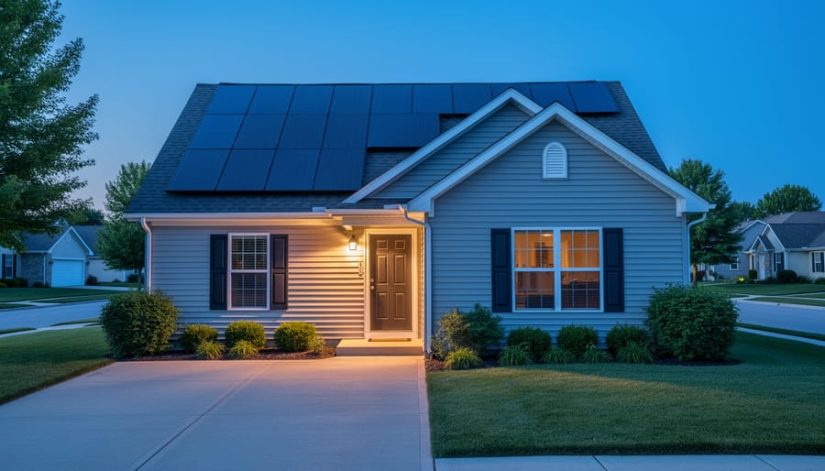
For most residential and commercial installations in Illinois, these concerns are minimal. The panels sit quietly on your roof, absorbing sunlight during the day and remaining dark at night. Understanding these basic concepts helps you make informed decisions and address any questions your neighbors might have about your solar project.
How Solar Panel Glare Affects Your Neighbors and Community
Residential Glare Concerns
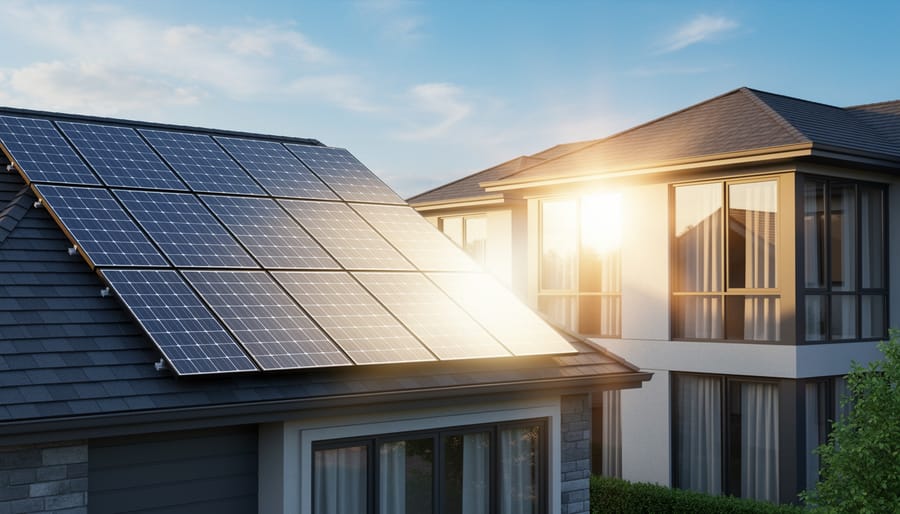
Solar panel glare can occasionally affect neighboring properties in Illinois communities, though modern panel technology has significantly reduced this concern. Reflective glare occurs when sunlight bounces off panel surfaces toward nearby windows or outdoor living spaces, potentially causing temporary visual discomfort or increased heat in adjacent homes.
The good news is that today’s solar panels are designed with anti-reflective coatings that absorb rather than reflect light—making them less reflective than standard window glass. Most residential installations in Illinois experience minimal glare issues because panels are strategically positioned to maximize sun exposure while considering surrounding structures.
If you’re concerned about potential glare affecting your neighbors, several practical solutions exist. Professional installers can conduct glare analysis during the design phase, adjusting panel angles and placement to minimize reflections. In some cases, choosing panels with enhanced anti-reflective properties or adding strategic landscaping can further reduce any impact.
Open communication with neighbors before installation helps address concerns proactively. Many Illinois homeowners find that discussing placement plans and sharing glare assessments builds community support for their solar projects. Remember, experienced local solar installers understand these neighborhood dynamics and can design systems that work harmoniously within residential settings.
Commercial and Industrial Considerations
Large-scale solar installations near airports, highways, and commercial areas require thoughtful planning to minimize environmental concerns. One primary consideration is glare, which can affect pilots during takeoff and landing or distract drivers on nearby roadways. The Federal Aviation Administration evaluates proposed solar projects near airports to ensure reflections don’t create safety hazards. Modern anti-reflective coatings and strategic panel positioning help mitigate these risks effectively.
In commercial districts across Illinois, rooftop and ground-mounted arrays must comply with local zoning regulations that address visual impact and light reflection. Highway-adjacent installations benefit from careful site orientation that directs any potential glare away from traffic lanes. Many commercial property owners work with experienced installers who understand these placement considerations and can design systems that maximize energy production while respecting surrounding infrastructure.
Industrial facilities often have expansive roof space ideal for solar arrays, but proper assessment ensures installations don’t interfere with aviation patterns or create unintended light pollution in neighboring areas. Working with locally owned solar experts familiar with Illinois regulations helps businesses navigate these requirements smoothly, ensuring their renewable energy investments benefit both their operations and the broader community without creating environmental drawbacks.
Seasonal Variations in Illinois
Illinois experiences significant seasonal changes in sun position that directly influence solar panel glare patterns throughout the year. During summer months, the sun reaches its highest point in the sky, approaching nearly 70 degrees above the horizon at noon. This steep angle means sunlight strikes panels more directly from above, producing minimal glare for neighbors or passing motorists at ground level.
Winter brings a different scenario. The sun remains much lower in the sky, reaching only about 25 degrees at its peak. This shallow angle can create more noticeable reflection issues, particularly during morning and afternoon hours when the sun sits closest to the horizon. However, these low-angle reflections typically affect a smaller area and occur for shorter durations due to limited daylight hours.
Spring and fall represent transitional periods where sun angles gradually shift between these extremes. Professional solar installers familiar with Illinois weather patterns account for these seasonal variations when positioning panels, helping minimize year-round glare concerns while maximizing energy production for your property.
The Light Pollution Question: Do Solar Panels Really Contribute?
One common misconception about solar panels is that they contribute to light pollution, but the reality is quite different. Unlike artificial lighting sources that emit their own light, solar panels are designed to absorb light rather than reflect it. Their purpose is to capture as much sunlight as possible to convert into electricity, making them fundamentally different from typical light-polluting sources.
During daylight hours, solar panels do reflect some sunlight, but modern panels incorporate anti-reflective coatings that minimize glare. These specialized coatings help panels absorb more light while reducing reflection to around 2-6%, comparable to or less than standard window glass. In fact, your typical home or commercial building windows often reflect more light than properly installed solar arrays. At night, solar panels produce no light whatsoever, as they’re passive devices that only function when sunlight is available.
The primary concern with solar installations isn’t light pollution but rather the occasional glare issue, which is one of several environmental challenges of solar that can be easily managed. Glare typically occurs when panels are positioned at certain angles relative to nearby buildings or roadways. However, experienced solar installers in Illinois routinely address this through careful system design, considering factors like panel orientation, tilt angle, and proximity to neighbors or traffic areas.
For homeowners and businesses concerned about potential glare affecting neighbors or drivers, professional solar companies conduct site assessments that include glare analysis. Modern installation practices and technology have made glare incidents increasingly rare. When properly designed and installed, solar panels integrate seamlessly into their surroundings without creating light pollution or significant glare issues. The reflectivity of solar arrays is minimal compared to the substantial environmental benefits they provide through clean energy generation.
Proven Solutions to Minimize Solar Glare
Anti-Reflective Coatings and Panel Selection
Today’s modern panel technologies incorporate anti-reflective coatings that significantly reduce glare while maximizing energy absorption. These specialized coatings, typically made from silicon dioxide or titanium dioxide, allow panels to capture more sunlight rather than reflecting it back into the environment. The result is a win-win situation: improved energy efficiency for your home or business and minimal light disturbance for neighbors.
When selecting solar panels for your Illinois property, look for options with multi-layer anti-reflective coatings. These advanced surfaces can reduce reflection to less than 2%, compared to older panels that reflected up to 30% of incoming light. Many manufacturers now offer panels with textured surfaces that further diffuse any remaining reflected light.
Working with locally owned solar installation experts ensures you receive panels specifically suited for Illinois conditions. Professional installers understand local regulations regarding glare and can position panels at optimal angles to minimize reflection toward neighboring properties. This thoughtful approach to panel selection and placement addresses community concerns while delivering maximum clean energy production for your investment.
Strategic Placement and Angle Optimization
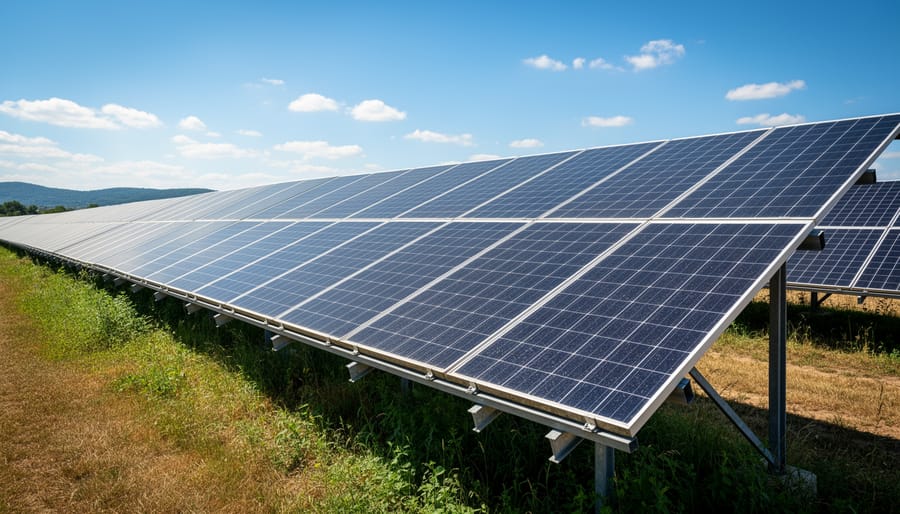
Proper solar panel placement significantly reduces potential glare and light pollution concerns while maximizing energy production. In Illinois, professional installers carefully analyze your property’s specific conditions, including seasonal sun angles that vary considerably between our warm summers and cold winters. The sun’s path across the sky changes throughout the year, affecting both panel efficiency and reflection patterns.
A thorough site assessment examines your roof orientation, nearby structures, and vegetation that might cast shadows or receive unwanted reflections. Installers also consider neighboring properties to ensure panels don’t create visual disruptions for others in your community. In Illinois, where weather patterns include frequent cloud cover and seasonal variations, angle optimization becomes even more critical for consistent performance.
Modern installation practices use specialized tools to predict sun exposure and potential reflection points before installation begins. This proactive approach allows adjustments to panel tilt and positioning that minimize glare while maintaining optimal energy capture. Local factors like Illinois-specific building codes and homeowner association guidelines are incorporated into the design process, ensuring your system performs efficiently while being a considerate addition to your neighborhood. Working with experienced local installers who understand regional conditions ensures your solar investment benefits both your energy goals and community relationships.
Landscaping and Barrier Solutions
If you’re concerned about glare from your solar installation affecting neighbors or nearby properties, landscaping offers an effective and environmentally friendly mitigation strategy. Strategic planting of trees, shrubs, and hedges can naturally diffuse or block reflected light while enhancing your property’s aesthetic appeal. When selecting vegetation, consider native Illinois plants that thrive in your region’s climate and require minimal maintenance.
For more immediate solutions, barriers such as privacy fences or lattice screens can effectively redirect reflected light. These constructed barriers work particularly well in areas where vegetation takes time to mature or where space limitations make planting impractical. Many homeowners combine both approaches, using fences as interim solutions while trees and shrubs develop.
Before implementing any barrier solution, consult with your solar installer about optimal placement. Barriers positioned too close to panels can create unwanted shading that reduces energy production. A locally owned solar company with expertise in Illinois installations can help you balance glare reduction with system efficiency. They’ll assess your property’s specific layout and recommend landscaping or barrier options that address neighbor concerns without compromising your solar investment’s performance.
Illinois Regulations and What You Need to Know
If you’re planning a solar installation in Illinois, understanding state and local regulations can help you navigate potential concerns about glare and property rights while ensuring a smooth approval process.
Illinois doesn’t currently have statewide regulations specifically addressing solar glare, which means requirements vary by municipality. Before moving forward with your project, check with your local zoning board to understand specific requirements in your area. Many communities have adopted solar access ordinances that balance property owners’ rights to install solar panels with neighbors’ concerns about potential impacts.
Most Illinois municipalities require solar installations to comply with standard setback requirements, which typically mandate that panels remain a certain distance from property lines. These setbacks naturally help minimize glare impacts on neighboring properties. Some jurisdictions may also require site plan reviews for ground-mounted systems, giving neighboring property owners an opportunity to voice concerns during the planning phase.
The Illinois Solar Energy Association recommends working with experienced local installers who understand regional regulations and can design systems that minimize potential issues. A qualified installer will conduct a thorough site assessment, considering factors like panel placement, tilt angles, and orientation to reduce glare while maximizing energy production.
When planning your installation, consider proactively communicating with neighbors about your project. Sharing information about anti-reflective coatings, proper panel positioning, and the temporary nature of any glare issues can address concerns before they become obstacles.
Illinois law also protects solar access through the Solar Rights Act, which prohibits homeowners associations from unreasonably restricting solar installations. However, this doesn’t eliminate the importance of being a considerate neighbor and following local best practices.
Working with a locally owned solar provider familiar with Illinois-specific requirements ensures your installation meets all regulatory standards while respecting community considerations.
The Bigger Picture: Comparing Solar’s Environmental Impact
When considering solar energy, it’s essential to put concerns like glare and light pollution into proper perspective. While these issues deserve attention and appropriate mitigation strategies, they represent minor challenges compared to the substantial environmental advantages solar power provides.
Solar panels generate clean electricity without producing greenhouse gas emissions, air pollutants, or water contamination during operation. In Illinois, every kilowatt-hour of solar energy produced displaces electricity that might otherwise come from fossil fuel sources, directly reducing carbon emissions and improving air quality across our communities. Solar’s environmental benefits extend far beyond individual installations, contributing to statewide climate goals and public health improvements.
Conventional energy sources present significantly greater environmental challenges. Coal and natural gas power plants emit substantial quantities of carbon dioxide, sulfur dioxide, and nitrogen oxides. These facilities also require continuous water usage for cooling and produce toxic ash and other waste products requiring long-term management. The extraction processes for fossil fuels often lead to habitat destruction, water contamination, and landscape disruption.
In contrast, concerns about solar panel glare and light pollution are typically localized, temporary during specific times of day, and manageable through thoughtful system design and placement. Modern anti-reflective coatings and strategic positioning can effectively minimize these impacts without compromising energy production.
For Illinois property owners evaluating solar installation, understanding this context is valuable. While being a considerate neighbor and addressing legitimate concerns about glare matters, these manageable issues shouldn’t overshadow the meaningful environmental contributions your solar system will make. The transition to renewable energy represents a practical step toward cleaner air, reduced carbon emissions, and a more sustainable future for Illinois communities.
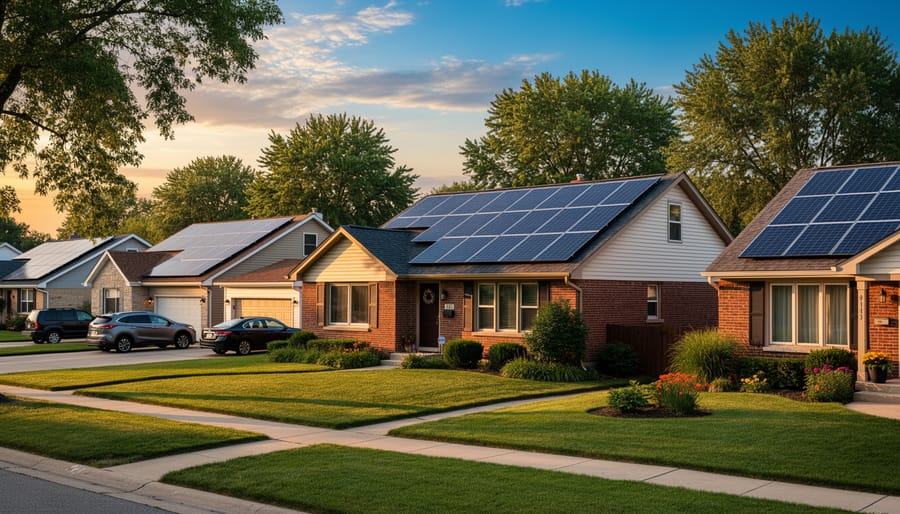
While solar glare and light pollution are legitimate considerations when installing solar panels, these concerns are entirely manageable with thoughtful planning and professional installation. The key is understanding that these environmental effects are minimal compared to the substantial benefits solar energy provides, and with the right approach, they can be effectively mitigated or eliminated entirely.
Modern solar panel technology has evolved significantly, and today’s anti-reflective coatings dramatically reduce glare issues. When panels are positioned correctly based on your property’s unique characteristics, surrounding structures, and local conditions, the likelihood of creating disruptive reflections becomes extremely low. Light pollution concerns are similarly addressable through strategic placement and proper equipment selection.
The most important factor in minimizing these environmental impacts is working with experienced local installers who understand Illinois-specific conditions. Professionals familiar with your region’s sun angles, weather patterns, and typical property layouts can design systems that maximize energy production while respecting your neighbors and the surrounding environment. They’ll conduct thorough site assessments, consider seasonal variations in sunlight, and ensure compliance with local regulations.
By choosing knowledgeable installers who prioritize both performance and environmental responsibility, you can confidently move forward with solar energy knowing that potential concerns have been properly addressed. A professional assessment of your property will identify the optimal configuration that delivers clean energy benefits without creating unintended environmental impacts.
