
Why On-Site Renewable Energy Beats Buying It from the Grid
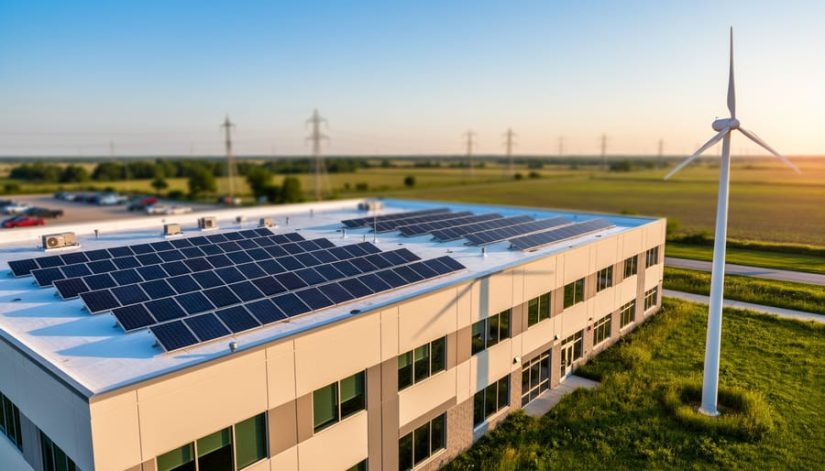
On-site renewable energy puts power generation directly where you use it—on your rooftop, property, or facility—eliminating the middleman and transforming how Illinois property owners control their energy costs. Instead of relying solely on the grid, you produce clean electricity right at your location through solar panels, wind turbines, or other renewable systems that work for your specific situation.
The decision between installing your own system versus purchasing renewable energy credits or remaining grid-dependent comes down to three factors: long-term cost savings, energy independence, and available incentives. On-site solar installations in Illinois typically pay for themselves within 7-12 years through reduced utility bills, while providing 25-30 years of total service life. Federal tax credits currently cover 30% of installation costs, and Illinois-specific programs offer additional financial benefits that significantly improve return on investment.
Technology sharing partnerships have revolutionized access to on-site renewables by reducing upfront costs and technical barriers. These arrangements allow property owners to leverage group purchasing power, shared maintenance expertise, and collective negotiating strength with installers—making systems affordable that might otherwise seem out of reach for individual homeowners or small businesses.
The transition requires understanding your current energy consumption, evaluating your property’s renewable potential, and partnering with experienced local installers who know Illinois regulations and incentive programs. Working with locally owned renewable energy experts ensures your system is properly sized, permitted, and optimized for Illinois weather patterns and utility requirements, maximizing both performance and financial returns over decades of operation.
What On-Site Renewable Energy Actually Means
On-site renewable energy refers to generating clean electricity right where you use it—at your home or business. Instead of solely relying on power from the utility grid, you produce your own renewable energy through systems installed on your property. For most Illinois homeowners and businesses, this means solar panels mounted on rooftops or ground-mounted arrays on available land.
The key distinction is location and ownership. With on-site renewable energy, the generation equipment sits on your property, and you directly benefit from the electricity it produces. This differs significantly from other renewable energy options available to Illinois residents. For example, when you purchase renewable energy credits, you’re supporting clean energy production elsewhere while still receiving conventional electricity from the grid. Similarly, community solar programs allow you to subscribe to a shared solar farm located off-site, receiving credits on your utility bill rather than generating power directly at your location.
On-site systems give you greater control over your energy production. When your solar panels generate electricity during daylight hours, that power immediately flows into your home or business, reducing the amount you need to purchase from your utility company. Any excess generation can often be sent back to the grid, potentially earning you credits through net metering programs available in Illinois.
Understanding this fundamental concept helps you evaluate whether on-site renewable energy aligns with your goals. As a locally owned Illinois company with expertise in solar energy, we’re here to help you determine if on-site generation makes sense for your specific situation and property.
The Real Benefits of Generating Power Where You Use It
Lower Energy Costs Over Time
One of the most compelling reasons to invest in on-site solar energy is the immediate and lasting impact on your electricity costs. When you generate power directly at your property, you reduce the amount of electricity you need to purchase from the utility company. For many Illinois homeowners and businesses, this translates to monthly savings that begin as soon as your system goes live.
The financial benefits extend well beyond simple bill reduction. Solar energy systems provide a hedge against rising electricity rates, which have historically increased over time. By producing your own power, you lock in a portion of your energy costs at today’s rates, protecting yourself from future rate hikes. This predictability makes budgeting easier and provides peace of mind for the decades your system will operate.
Most solar installations in Illinois pay for themselves within 7 to 12 years through accumulated energy savings, after which the electricity generated is essentially free. When combined with available federal tax credits, state incentives, and net metering programs that credit you for excess power sent back to the grid, the return on investment becomes even more attractive. As a locally owned company with expertise in solar energy, we help clients understand their specific savings potential based on their unique energy usage patterns.
Energy Independence and Control
One of the most compelling advantages of on-site renewable energy is the independence it provides. When you generate your own electricity through solar panels or other renewable systems, you’re no longer entirely dependent on utility companies for your power needs. This means greater control over your energy costs and protection from unpredictable rate increases that can impact your budget.
For Illinois homeowners and businesses, this control translates into real financial predictability. Instead of wondering what your next utility bill will bring, you’ll know that a significant portion of your energy comes from a source you own and manage. During peak demand periods when utility rates spike, your on-site system continues producing power at no additional cost.
Energy independence also means increased resilience. While you’ll likely remain connected to the grid for backup power and net metering benefits, your own generation capacity reduces vulnerability to grid outages and supply disruptions. This is particularly valuable for businesses that can’t afford downtime or homeowners seeking peace of mind during severe weather events common in Illinois.
Environmental Impact Right in Your Community
When you generate renewable energy right where you use it, the environmental benefits stay local too. On-site solar systems directly reduce emissions in Illinois communities by displacing electricity that would otherwise come from the regional grid. Since the Midwest grid still relies heavily on fossil fuels, every kilowatt-hour your solar panels produce means less coal or natural gas burned at power plants.
The difference between on-site and off-site renewable energy matters for your carbon footprint. On-site systems avoid transmission losses—typically 5-8% of electricity is lost as it travels through power lines. Your solar panels deliver clean energy directly to your building with zero transmission waste, making them more efficient at reducing emissions per kilowatt generated.
Beyond carbon reduction, on-site solar systems improve local air quality. Power plants emit pollutants that affect respiratory health, and by reducing demand on these facilities, you’re contributing to cleaner air in Illinois. The environmental impact is measurable and immediate, creating tangible benefits for your neighborhood while reducing your facility’s environmental footprint.

How Technology Sharing Partnerships Make On-Site Solar Easier
Shared Expertise and Installation Resources
One of the most significant advantages of working through technology sharing partnerships is gaining access to specialized equipment and experienced installation teams without the burden of acquiring these resources yourself. Installing on-site renewable energy systems requires specific tools, including mounting hardware, electrical testing equipment, and safety gear that many property owners wouldn’t use beyond a single installation.
Through partnerships, you benefit from professionals who bring years of hands-on experience to your project. These experienced installers understand Illinois-specific building codes, weather considerations, and optimal system configurations for our regional climate. They know how to navigate local permitting processes efficiently and can identify potential installation challenges before they become costly problems.
Locally owned solar companies maintain relationships with qualified installation crews who specialize in renewable energy systems. These teams stay current with the latest installation techniques and safety protocols, ensuring your system is installed correctly the first time. They also carry the necessary insurance and certifications that protect you as a property owner.
Rather than attempting a complex installation yourself or hiring general contractors unfamiliar with solar technology, partnerships connect you directly with specialists who focus exclusively on renewable energy. This expertise translates into faster installation times, reduced risk of errors, and systems that perform optimally from day one, maximizing your return on investment while minimizing potential complications.
Group Purchasing and Financing Options
One of the most effective ways to reduce the upfront cost of on-site renewable energy is through group purchasing and shared financing arrangements. When multiple homeowners, businesses, or community members join together, they gain significant advantages that wouldn’t be available to individual purchasers.
Group purchasing works by combining the buying power of several participants to negotiate lower equipment prices and installation costs. Solar panels, inverters, and other system components become more affordable when ordered in bulk quantities. Installation teams can also work more efficiently when completing multiple projects in the same area, reducing labor costs per installation.
Local energy alliances throughout Illinois have demonstrated how this model brings solar energy within reach for more residents and businesses. These partnerships typically negotiate pre-vetted contractor agreements and standardized pricing, eliminating the confusion of comparing multiple bids.
Shared financing options further enhance accessibility. Some partnerships establish group loan programs with favorable interest rates, while others facilitate power purchase agreements where participants pay only for the electricity generated rather than owning the equipment outright. These arrangements spread costs over time and reduce financial barriers, making clean energy adoption practical for organizations and individuals with varying budgets and circumstances.
On-Site Solar Solutions for Illinois Properties
Residential Solar Systems
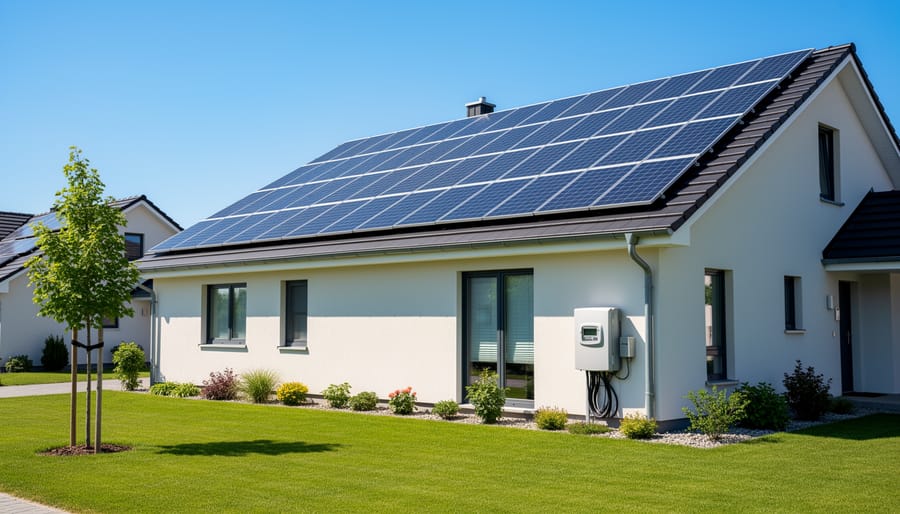
For most Illinois homeowners, residential solar installations typically range from 5 to 10 kilowatts, generating enough electricity to cover a significant portion of household energy needs. The size of your system depends on your average energy consumption, available roof space, and your energy goals.
When considering a home solar installation, expect a thorough evaluation of your property. This includes assessing your roof’s condition, orientation, and shading from trees or nearby structures. South-facing roofs with minimal shade generally produce the most energy, but east and west-facing installations can also be highly effective. Illinois experiences four distinct seasons, so your system should be designed to maximize production year-round, even during shorter winter days.
The installation process typically takes one to three days once permits are secured, though the entire timeline from consultation to activation usually spans several weeks. Working with a locally owned solar provider ensures you receive personalized service and expertise specific to Illinois building codes, utility requirements, and available incentives. Most homeowners notice immediate reductions in their electricity bills, with systems often paying for themselves within 8 to 12 years through energy savings and available federal and state incentives.
Commercial and Industrial Applications
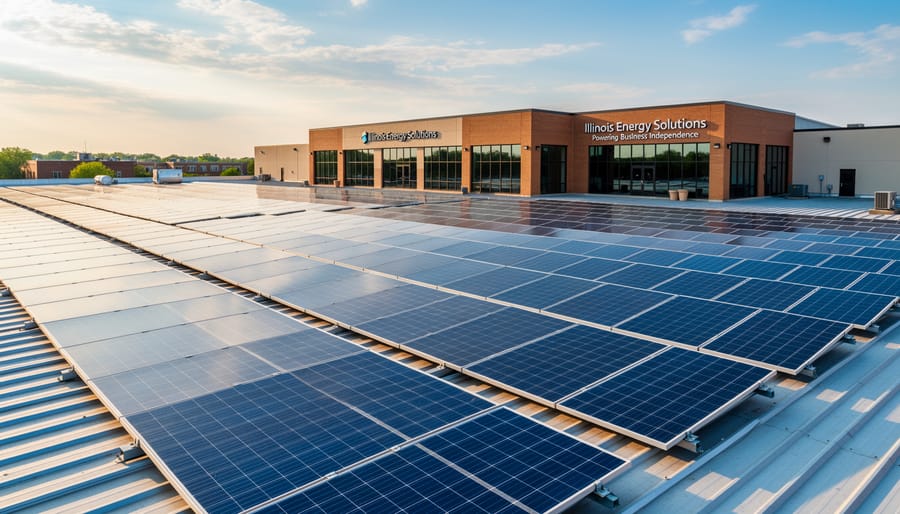
For businesses and industrial facilities in Illinois, on-site renewable energy systems offer substantial advantages that go beyond what residential installations provide. Commercial-scale solar arrays can significantly reduce operating costs while demonstrating environmental leadership to customers and stakeholders. These larger systems typically range from rooftop installations on warehouses and office buildings to ground-mounted arrays on unused land adjacent to manufacturing facilities.
The benefits for commercial and industrial users are compelling. Businesses can offset major portions of their electricity expenses, protecting against rising utility rates while improving their bottom line. Many Illinois companies also qualify for accelerated depreciation through federal tax incentives, making the financial case even stronger. Additionally, on-site generation can enhance energy reliability, which is particularly valuable for facilities that require uninterrupted power for operations.
However, commercial installations require careful planning. Businesses need to consider their energy consumption patterns, available space, structural requirements for rooftop systems, and potential utility interconnection needs. Working with locally owned solar experts who understand Illinois regulations and commercial energy requirements ensures these projects are designed and implemented effectively. The right partnership can navigate incentive programs, handle permitting processes, and optimize system design to match your specific operational needs.
Working with Your Utility Company
Installing on-site renewable energy in Illinois requires coordination with your local utility company. Understanding net metering, interconnection requirements, and the hookup process will help ensure a smooth installation.
Net metering is a billing mechanism that credits solar system owners for the electricity they add to the grid. When your system produces more energy than you use, the excess flows back to the utility grid, and you receive credits on your bill. These credits offset the cost of power you draw from the grid when your system isn’t producing enough, like at night. Illinois utilities are required to offer net metering, though specific terms vary by provider.
Before your system can connect to the grid, you’ll need to complete an interconnection application with your utility company. This process ensures your system meets safety and technical standards. Your solar installer typically handles most of this paperwork, including submitting engineering plans and equipment specifications. The utility will review your application and may conduct an inspection before granting permission to operate.
Recent changes to Illinois solar policy have streamlined these processes for residential and commercial installations. Working with a locally owned solar company familiar with Illinois utilities can simplify navigation through these requirements and help avoid common delays.
Financial Incentives and Return on Investment
Installing on-site renewable energy in Illinois comes with substantial financial benefits that make the investment increasingly attractive for both homeowners and businesses. Understanding the available incentives and realistic return timelines helps you make an informed decision about going solar.
At the federal level, the Investment Tax Credit (ITC) allows you to deduct 30% of your solar installation costs from your federal taxes through 2032. For a typical residential system costing $20,000, this translates to $6,000 in direct tax savings. Commercial properties benefit from the same credit percentage, which can represent significant savings on larger installations.
Illinois offers additional state-level incentives through the Adjustable Block Program, which provides Solar Renewable Energy Credits (SRECs) based on your system’s energy production. These credits generate ongoing income for 15 years, substantially improving your return on investment. Illinois homeowners typically receive between $800 and $1,500 annually in SREC payments, depending on system size and production.
Several financing options make on-site renewable energy accessible without large upfront costs. Solar loans, leases, and power purchase agreements allow you to start saving immediately while spreading payments over time. Many Illinois property owners choose zero-down financing, which means monthly loan payments are often lower than the electricity bill savings from day one.
Payback periods vary by property type and energy usage. Residential systems in Illinois typically achieve full payback in 8 to 12 years, with systems lasting 25 to 30 years. Commercial and industrial properties often see shorter payback periods of 5 to 8 years due to higher energy consumption and larger tax benefits. After payback, your system generates essentially free electricity for the remainder of its operational life, representing decades of energy cost savings and protection against rising utility rates.
Making the Switch: Your Next Steps
Ready to explore on-site renewable energy for your property? The journey begins with understanding your current energy consumption. Start by reviewing your electricity bills from the past year to identify usage patterns and peak demand periods. This baseline information helps determine the right system size and technology for your needs.
Next, schedule a professional site assessment with an experienced local installer. A qualified team will evaluate your property’s solar potential, considering factors like roof condition, orientation, shading, and available space. In Illinois, working with locally owned companies ensures your installer understands regional weather patterns, local building codes, and available state incentives that can significantly reduce your upfront costs.
During the planning phase, you’ll receive a detailed proposal outlining system design, projected energy production, financial savings, and payback timeline. Don’t hesitate to ask questions about equipment warranties, maintenance requirements, and monitoring capabilities. Understanding these details upfront prevents surprises down the road.
Once you’ve selected your installer, they’ll handle permitting and utility interconnection paperwork. The installation itself typically takes one to three days for residential systems, though larger commercial projects require more time. After installation, your system undergoes inspection and receives permission to operate from your utility company.
Working with experienced professionals who specialize in solar energy makes this transition smooth and straightforward. Their expertise ensures your system is properly designed, efficiently installed, and optimized for Illinois conditions, setting you up for decades of clean, cost-effective energy production.
On-site renewable energy represents more than an investment in technology—it’s a commitment to energy independence and long-term financial stability. Through technology sharing partnerships, Illinois homeowners and businesses can access cutting-edge solar solutions without navigating the complexities alone. These collaborations make renewable energy more accessible, affordable, and effective than ever before.
Taking the first step toward on-site solar doesn’t have to be overwhelming. As a locally owned company with deep roots in Illinois communities, Illinois Renewables understands the unique challenges and opportunities our region presents. From navigating state incentives to ensuring your system performs optimally through our changing seasons, we bring expertise that generic providers simply can’t match.
The future of energy belongs to those who take control today. Whether you’re exploring solar for cost savings, environmental impact, or reliability during grid disruptions, on-site renewable energy offers tangible benefits that grow stronger each year. Our comprehensive services—from initial consultation through installation and ongoing support—ensure your transition to clean energy is smooth and successful.
Contact Illinois Renewables today to discover how technology sharing partnerships can make on-site renewable energy a reality for your home or business.
