
How Real-Time Solar Data Transforms Your Energy Investment from Guesswork to Guaranteed Returns
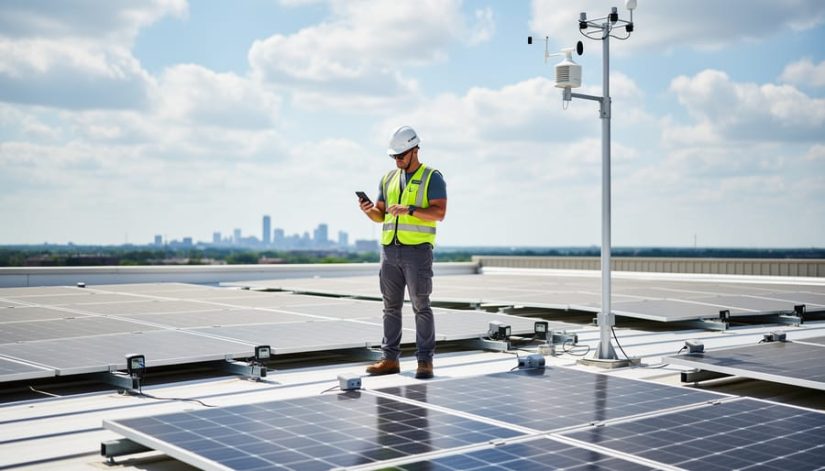
Install real-time monitoring equipment on your solar panels to track energy production down to the individual module level, allowing you to identify underperforming components before they significantly impact your electricity savings. Connect wireless sensors throughout your array that measure voltage, current, and temperature every few seconds, transmitting this information to cloud-based platforms accessible from your smartphone or computer. Set automated alerts that notify you immediately when production drops below expected thresholds based on current weather conditions and historical performance patterns.
A solar data acquisition system transforms your Illinois solar investment from a passive installation into an intelligent energy asset. Without monitoring technology, you’re essentially flying blind—unable to verify that your panels are delivering the return on investment promised during installation or detect gradual efficiency losses that accumulate over time. Modern data acquisition systems collect thousands of performance measurements daily, converting raw electrical readings into actionable insights about your system’s health, expected output, and long-term financial performance.
For Illinois property owners facing variable weather conditions and seasonal sunlight changes, this technology enables data-driven decision making about maintenance schedules, warranty claims, and system expansions. Commercial operations particularly benefit from granular production data that supports renewable energy credit documentation, utility billing verification, and sustainability reporting requirements. Understanding how these systems capture, analyze, and present solar performance data empowers you to maximize your energy independence while protecting your investment through early problem detection and performance optimization.
What Is a Solar Data Acquisition System?
The Key Metrics Your System Tracks
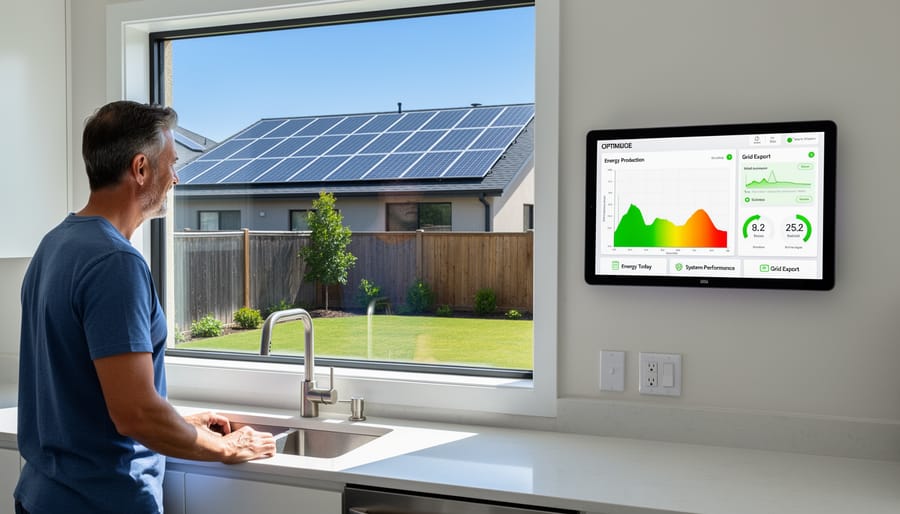
Your solar data acquisition system continuously monitors several critical performance indicators that together paint a complete picture of your solar investment’s health and productivity.
Energy output measures the total electricity your panels generate, typically recorded in kilowatt-hours (kWh). This number directly translates to your savings and return on investment, showing exactly how much power you’re producing versus pulling from the grid.
Voltage and current readings provide insight into the electrical flow within your system. Think of voltage as water pressure and current as the flow rate in a pipe. Together, they help identify connection issues, wiring problems, or underperforming panels before they become costly repairs.
Temperature monitoring tracks both panel and inverter heat levels. Solar panels actually lose efficiency as they get hotter, which is particularly relevant during Illinois summers. Knowing temperature trends helps you understand seasonal performance variations and spot cooling problems early.
Irradiance measurements record the actual sunlight hitting your panels. This data is essential for understanding whether your system is performing as expected for the available sunshine. Lower-than-expected output on a bright day signals a problem worth investigating.
System efficiency combines all these metrics to show how effectively your panels convert available sunlight into usable electricity. In practical terms, efficiency tracking reveals whether dirt buildup, shading changes, or equipment degradation is reducing your system’s performance over time.
Together, these metrics give you the knowledge to maximize your solar investment’s value and longevity.
From Data Collection to Actionable Insights
Raw solar data means little until it’s processed into meaningful information you can act on. Your solar data acquisition system collects thousands of data points daily, including energy production levels, weather conditions, equipment performance, and grid interaction patterns. This information flows through specialized software that transforms numbers into clear visual dashboards and reports.
The system identifies patterns that matter to your bottom line. You’ll see which panels produce the most energy, how weather impacts your system throughout Illinois seasons, and whether your equipment operates at peak efficiency. Many systems send alerts when performance drops below expected levels, letting you address issues before they significantly impact your energy savings.
Most importantly, these insights guide practical decisions. Homeowners can adjust energy usage to maximize solar benefits, while business owners can predict cash flow from energy savings and plan maintenance schedules. The data also helps you understand your return on investment in real terms. As a locally owned solar provider, we’ve seen Illinois property owners use these insights to reduce their energy costs by identifying the best times for high-consumption activities and catching equipment issues early. The difference between having data and having actionable insights is what makes modern solar monitoring truly valuable for protecting your investment.
Why Data-Driven Solar Management Matters in Illinois
Making Sense of Illinois Weather Patterns
Illinois experiences dramatic weather swings throughout the year, from snowy, overcast winters to humid, sun-drenched summers. A solar data acquisition system helps you navigate these extremes by continuously monitoring performance and weather conditions in real time. During cloudy winter months, the system tracks how much energy your panels produce despite reduced sunlight, helping you understand seasonal patterns and adjust energy usage accordingly. When summer arrives with longer days and intense sunshine, the system ensures you’re capturing maximum output while detecting any efficiency drops from heat or storms.
These monitoring tools collect local weather data alongside production metrics, creating a complete picture of how Illinois conditions affect your solar investment. By analyzing this information, the system can identify when clouds, snow cover, or seasonal changes impact generation, allowing for proactive maintenance or system adjustments. This intelligence proves invaluable for optimizing performance year-round, ensuring your solar array delivers reliable returns regardless of Illinois’s unpredictable climate. For homeowners and businesses alike, understanding these patterns means better energy planning and confidence that your system adapts to local conditions.
Maximizing Your Return on Investment
A solar data acquisition system transforms your investment from a passive energy generator into an actively optimized asset. Real-time monitoring allows Illinois homeowners and businesses to immediately identify when panel performance drops below expected levels. For example, if your system typically produces 30 kWh on sunny days but suddenly drops to 22 kWh, you’ll receive alerts indicating potential issues like debris accumulation or equipment malfunction.
Early problem detection prevents small issues from becoming costly repairs. One Illinois business owner discovered through their monitoring system that a single underperforming inverter was reducing overall system output by 15 percent. Addressing the problem quickly saved thousands in lost energy production over the system’s lifetime.
Performance data also helps you validate that your installation is delivering the financial returns promised. By comparing actual production against projections, you can ensure your system meets warranty terms and energy savings targets. Many Illinois solar owners use this data when claiming federal tax credits and state incentives, providing documented proof of system performance. Additionally, tracking production patterns across Illinois’s varied seasons helps you plan energy usage and storage strategies, maximizing the value of every kilowatt-hour your system generates.
How Solar Data Improves Your Project from Day One
Smarter System Design and Sizing
Proper system sizing makes the difference between a solar investment that pays for itself and one that disappoints. A solar data acquisition system provides the information you need to size your installation correctly for your specific property and energy needs.
Historical weather data for Illinois helps determine how much sunlight your location receives throughout the year, accounting for our region’s seasonal variations and cloudy periods. Real-time monitoring from existing nearby installations provides practical insights into actual performance you can expect. This data-driven approach prevents the common mistake of oversizing your system based on peak summer production, which leads to unnecessary upfront costs, or undersizing based on average estimates that leave you buying expensive grid power.
For businesses, accurate sizing becomes even more critical. Data acquisition systems analyze your consumption patterns throughout the day and match them against production forecasts. This ensures your system generates power when you actually need it, maximizing your return on investment.
Our locally owned team uses sophisticated data analysis to recommend the right system size for your property. We examine your utility bills, roof characteristics, and local weather patterns to design a solution that meets your energy goals without overspending. This precision approach means you invest exactly what you need, nothing more and nothing less.
Installation Verification and Commissioning
Once your solar system is installed, your data acquisition system becomes the essential tool for confirming everything works as designed. During commissioning, baseline performance data collected over the first few weeks helps verify that your system meets the specifications outlined in your contract. This verification phase ensures panels are properly oriented, inverters are functioning efficiently, and no components are underperforming.
Your monitoring system should immediately show energy production matching or exceeding projections based on current weather conditions. Any significant discrepancies signal potential issues with installation quality that need immediate attention. Many locally owned Illinois solar companies provide commissioning reports comparing actual output against expected performance, giving you documented proof your investment is delivering results.
This initial data collection period also establishes your system’s performance baseline, making it easier to identify degradation or maintenance needs down the road. Don’t wait months to discover problems—your data acquisition system helps catch issues during warranty periods when repairs cost you nothing. From day one, you’re not just trusting promises; you’re seeing verified proof of your solar system’s performance.
Ongoing Performance Monitoring
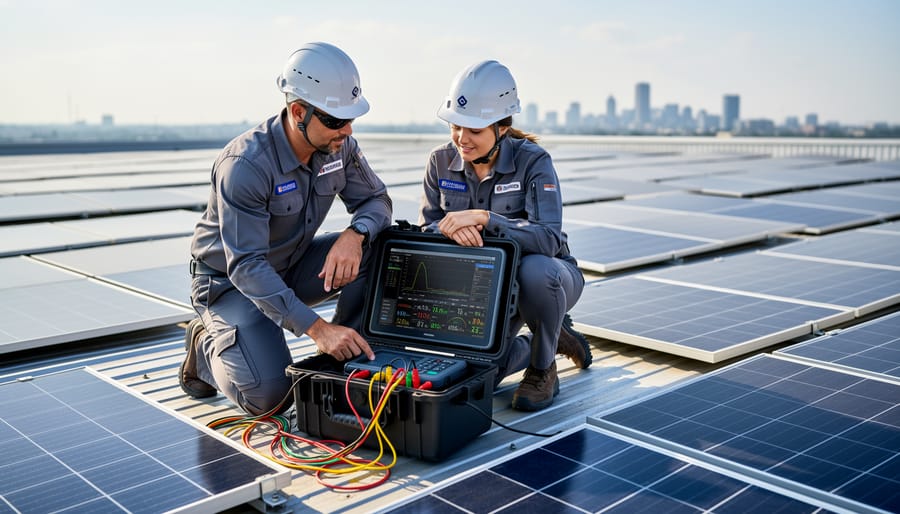
A solar data acquisition system provides real-time monitoring that acts as an early warning system for your solar investment. By continuously tracking energy production patterns, the system quickly identifies when panels aren’t performing at expected levels. This immediate visibility allows you to spot issues like dirt accumulation, shading changes, or equipment degradation before they significantly impact your energy savings.
For Illinois property owners dealing with variable weather conditions throughout the seasons, ongoing monitoring becomes especially valuable. The system compares actual output against expected production based on weather data, helping distinguish between normal seasonal variations and genuine performance problems. When equipment malfunctions occur, such as inverter failures or connection issues, your monitoring system alerts you immediately rather than waiting until you notice higher utility bills.
This continuous oversight also enables smarter maintenance scheduling. Instead of performing unnecessary inspections, you can use performance data to schedule preventive maintenance only when needed, reducing service costs while maximizing system uptime. Many locally owned solar providers in Illinois offer monitoring packages that include automatic alerts and regular performance reviews, ensuring your system consistently delivers the returns you expected.
Real-World Benefits You’ll Actually Notice
Catching Problems Before They Cost You Money
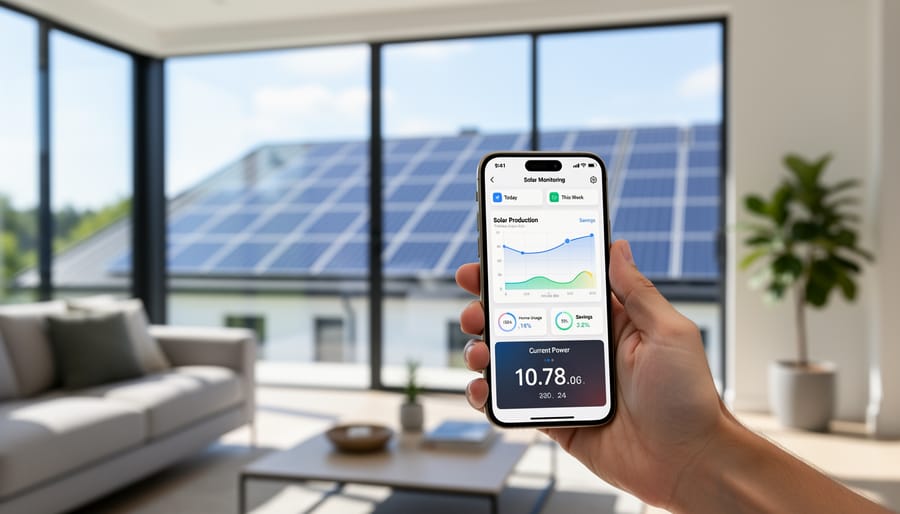
Imagine waking up to discover that a single malfunctioning panel went unnoticed for months, slowly degrading your system’s output and costing you hundreds in lost energy production. With early problem detection through your data acquisition system, you receive instant alerts when performance dips below expected levels.
Consider this common scenario: A tree branch falls during an Illinois storm, partially shading three panels. Without monitoring, you might not notice the 15% production drop until your next utility bill arrives weeks later. Your data system flags the issue within hours, allowing you to address it immediately and prevent ongoing losses.
Another frequent example involves inverter issues. When an inverter begins showing temperature fluctuations or efficiency drops, your monitoring system sends notifications before complete failure occurs. Replacing a component proactively costs significantly less than emergency repairs after a total breakdown. These automated alerts transform your solar investment from a passive installation into an actively protected asset, catching small problems before they escalate into expensive repairs that impact your return on investment.
Proving Your System’s Value
Your solar data acquisition system does more than track energy production—it creates valuable documentation that protects your investment and maximizes financial returns. When equipment issues arise during the warranty period, detailed performance records provide the evidence manufacturers and installers need to process claims quickly. Instead of relying on memory or guesswork, you’ll have concrete data showing exactly when performance declined and by how much.
For Illinois property owners, documented solar performance can increase property value during resale. Prospective buyers appreciate seeing verified energy savings and system reliability over time. Your monitoring data becomes a selling point that demonstrates the solar installation’s track record rather than just its theoretical potential.
Additionally, many state and federal incentive programs require ongoing performance verification. Illinois solar incentives, including Adjustable Block Program payments, depend on accurate production reporting. Your data acquisition system automatically generates the documentation needed for these programs, ensuring you receive the full value of available incentives without manual calculations or estimates. This systematic record-keeping simplifies compliance, supports accurate tax credit claims, and provides peace of mind that your solar investment delivers measurable, verifiable returns year after year.
What to Look for in a Solar Data System
User-Friendly Monitoring Platforms
A quality monitoring platform transforms raw solar data into information you can actually use. The best interfaces feature intuitive dashboards that display your system’s performance at a glance, showing energy production, consumption patterns, and savings in real dollars. For Illinois homeowners and businesses, mobile apps provide convenient access to this data anywhere, letting you check system status from your phone during cloudy winter days or peak summer production periods.
Effective platforms include customizable alert systems that notify you immediately if production drops unexpectedly or equipment needs attention. These alerts help you address issues before they significantly impact your energy savings. Look for systems that generate automated reports, summarizing weekly or monthly performance in formats you can easily share with accountants or facility managers.
The difference between a good and great monitoring platform often comes down to simplicity. Quality systems present information visually through charts and graphs rather than overwhelming you with technical specifications. Many locally owned Illinois solar providers prioritize user-friendly interfaces, understanding that most customers want straightforward answers about system performance and return on investment. Features like historical comparisons, weather overlay data, and projected savings calculations help you make informed decisions about energy usage without needing an engineering degree to interpret the results.
Professional Support and Data Interpretation
Raw solar data means little without proper interpretation. A locally owned Illinois company brings invaluable context to your numbers, understanding regional weather patterns, seasonal variations specific to our state, and local utility rate structures that impact your return on investment. Rather than simply presenting graphs and figures, experienced professionals translate data into actionable insights tailored to Illinois conditions.
Expert support means identifying performance issues before they become costly problems. When your system underperforms, knowledgeable analysts can pinpoint whether it’s due to equipment malfunction, shading from new construction, or simply typical cloudy Illinois weather. This distinction matters when deciding whether action is needed or if your system is operating normally.
Working with a local provider also ensures responsive communication when you have questions. Instead of navigating automated phone systems or waiting for overseas support teams, you connect with experts who understand Illinois-specific challenges like winter snow accumulation or summer humidity effects on panel efficiency. This personalized service transforms raw data into a strategic tool for maximizing your solar investment, ensuring you’re making informed decisions based on accurate interpretation rather than guesswork.
Solar data acquisition systems fundamentally change how you interact with your solar investment. Rather than simply installing panels and hoping for the best, these monitoring systems transform your solar array into an actively managed asset that delivers measurable, verifiable performance. You gain real-time visibility into energy production, immediate alerts when issues arise, and comprehensive data that helps you make informed decisions about energy usage and system maintenance.
For Illinois property owners, where weather patterns vary significantly throughout the year, this active management approach is particularly valuable. You can track how seasonal changes affect production, identify underperforming periods, and optimize your energy consumption patterns accordingly. The financial benefits extend beyond simple energy savings—proper monitoring helps protect your investment by catching problems early, maintaining warranty coverage, and ensuring your system delivers the expected return over its 25-year lifespan.
When evaluating solar installers, ask detailed questions about their data monitoring capabilities. What platforms do they use? How often is data updated? What kind of support do they provide for interpreting performance metrics? Can you access historical data? These questions reveal whether an installer views monitoring as an essential service or an afterthought.
At Illinois Renewables, our locally owned team prioritizes data-driven performance management as part of every solar installation. We believe informed customers are empowered customers, and we’re committed to providing the tools and expertise you need to maximize your solar investment. Contact us to learn how our comprehensive monitoring solutions can give you complete confidence in your system’s performance.
