

Flexible vs. Rigid Solar Panels: Which Option Powers Your Property Better?
The choice between flexible and rigid solar panels represents a crucial decision in modern solar installations, particularly as next-generation solar technology continues to reshape Illinois’ energy landscape. While traditional rigid panels dominate residential rooftops with their proven efficiency and durability, flexible solar panels offer unique advantages for specific applications. Their lightweight design and adaptability to curved surfaces open new possibilities for solar integration, from RV roofs to commercial buildings with weight restrictions. Understanding these distinct characteristics becomes essential as property owners seek to maximize their solar investment while working within structural and aesthetic constraints. The decision between these two options ultimately hinges on specific installation requirements, energy production goals, and long-term performance expectations – factors that significantly impact the success of any solar project in Illinois’ diverse climate conditions.
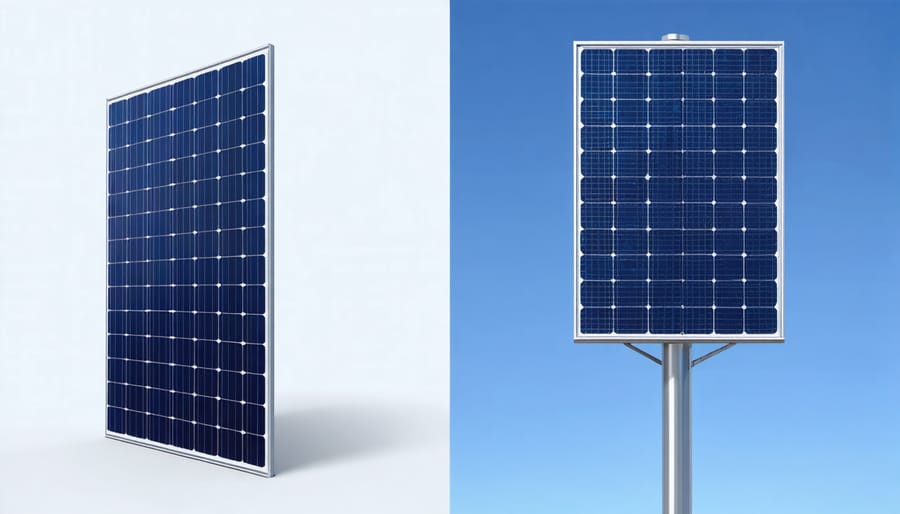
Understanding Flexible Solar Panels
Key Features and Benefits
Flexible solar panels offer distinct advantages that set them apart from their rigid counterparts. Their lightweight construction, typically weighing 70-80% less than traditional panels, makes them ideal for structures with weight limitations. This feature is particularly beneficial for Illinois property owners concerned about roof load capacity, especially during heavy winter snowfall.
The adaptability of flexible panels allows them to conform to curved or uneven surfaces, opening up installation possibilities on rounded roofs, RVs, boats, and architectural features unique to many Illinois buildings. Their thin profile, usually less than an inch thick, creates a sleek, low-profile appearance that many property owners prefer for aesthetic reasons.
Installation versatility is another key benefit, as flexible panels often use adhesive backing rather than mounting hardware. This reduces the need for roof penetrations and simplifies the installation process. Additionally, their lightweight nature means they can be easily transported and handled during installation, potentially reducing labor costs and installation time.
However, it’s important to note that this flexibility comes with trade-offs in efficiency and durability compared to rigid panels, which we’ll explore in later sections.
Common Applications
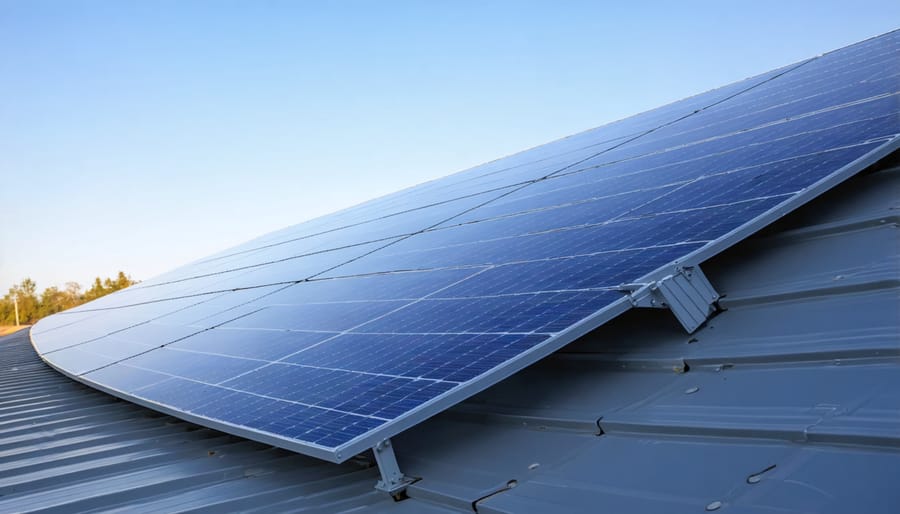
In Illinois, flexible solar panels offer unique advantages for properties with specific architectural challenges. These versatile panels excel on curved metal roofs commonly found in agricultural buildings and modern homes throughout the state. Their lightweight nature makes them ideal for older buildings in Chicago’s historic districts where structural load capacity is a concern.
Business owners frequently choose flexible panels for commercial properties with large, weight-restricted roofs, such as warehouses and retail spaces. The panels’ ability to conform to different surfaces makes them perfect for curved awnings and carports, providing both shade and energy generation. Many Illinois boat owners also install flexible panels on their vessels for auxiliary power during Lake Michigan excursions.
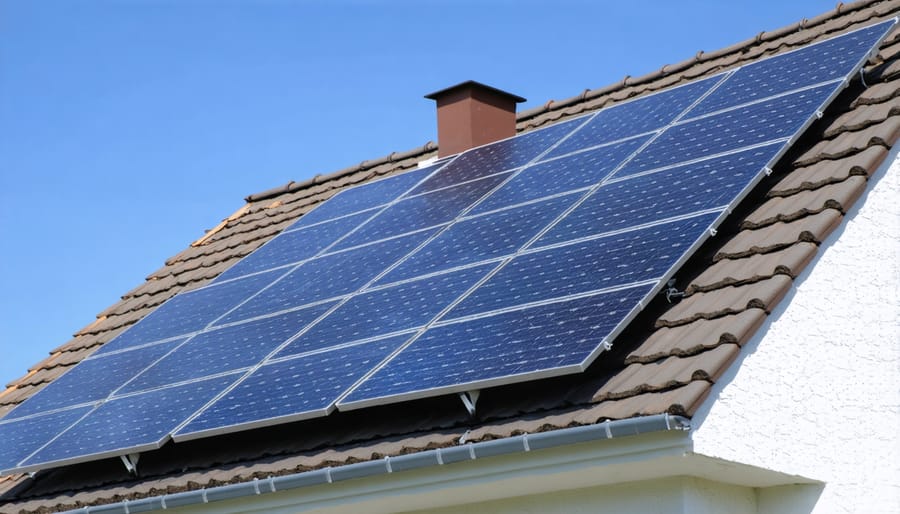
Rigid panels, while less versatile in application, remain the go-to choice for traditional flat and pitched roofs across Illinois suburbs. They’re particularly well-suited for new construction projects where roof design can accommodate their weight and mounting requirements. Industrial facilities often utilize rigid panels on their extensive flat roofs, maximizing energy production through optimal angle placement.
Traditional Rigid Solar Panels
Durability and Performance
When comparing durability and performance, rigid solar panels generally demonstrate superior longevity and efficiency. Traditional rigid panels typically maintain 80-90% of their original output even after 25 years of use, while flexible panels may show more significant degradation over time, often maintaining 70-80% efficiency after 15-20 years.
Rigid panels achieve higher energy conversion rates, typically ranging from 15-22% efficiency, compared to flexible panels’ 11-15% range. This difference means rigid panels generate more power per square foot, making them more productive for long-term energy generation.
However, flexible panels have their own performance advantages. Their ability to conform to curved surfaces can actually improve energy capture in certain situations, particularly during morning and evening hours when the sun is at different angles. They also perform better in high winds due to their lower profile and reduced wind resistance.
In Illinois’s variable climate, rigid panels have proven more resilient against severe weather conditions, including heavy snow loads and hail. Their sturdy construction provides better protection for the solar cells, resulting in more consistent performance throughout all seasons. While flexible panels might require more frequent replacement, their lighter weight and adaptability make them valuable for specific applications where traditional mounting isn’t feasible.
Installation Requirements
Illinois buildings require different mounting considerations for flexible and rigid solar panels. Rigid panels typically need a robust racking system anchored directly to roof trusses or beams, with proper spacing for ventilation and maintenance access. These installations often require professional assessment to ensure your roof can handle the additional 2-4 pounds per square foot of weight.
Flexible solar panels offer more versatile installation options, especially on curved or unconventional surfaces. They can be adhered directly to many roofing materials using industrial-strength adhesives or specialized mounting systems, reducing the need for penetrating roof structures. This makes them particularly suitable for metal roofs common in Illinois commercial buildings.
For both types, local building codes and wind load requirements must be considered. Illinois experiences significant seasonal weather changes, from summer storms to winter snow, requiring secure mounting systems that can withstand these conditions. Flexible panels typically require less structural reinforcement due to their lighter weight, while rigid panels need more substantial support systems but offer better long-term stability.
Remember to factor in maintenance access when planning your installation, as snow removal and periodic cleaning are essential in Illinois’s varied climate.
Making the Right Choice
Cost Considerations
When comparing flexible and rigid solar panels, cost considerations play a significant role in the decision-making process. Initially, flexible solar panels typically cost 10-20% less per panel than their rigid counterparts, making them an attractive option for budget-conscious buyers. However, the total system cost involves more than just the panels themselves.
Installation costs for flexible panels are generally lower due to their lighter weight and simpler mounting requirements. They often don’t require extensive roof reinforcement or complex mounting hardware, potentially saving thousands in installation expenses. However, their shorter lifespan (15-20 years compared to 25-30 years for rigid panels) affects long-term value.
Rigid panels, while requiring a higher upfront investment, typically offer better efficiency and durability, leading to greater energy production and potential savings over time. When paired with modern energy storage solutions, rigid panels often provide better return on investment through consistent performance and lower degradation rates.
For Illinois property owners, it’s essential to consider both immediate costs and long-term value, factoring in local weather conditions, maintenance requirements, and potential energy savings over the system’s lifetime.
Both flexible and rigid solar panels offer unique advantages for Illinois property owners. When choosing between the two, consider your specific needs, installation surface, and energy requirements. For personalized guidance on the best solar solution for your property, connect with a local solar expert who can evaluate your site conditions and recommend the most suitable option. Taking the next step toward solar energy can lead to significant long-term benefits for both your property and the environment.
