
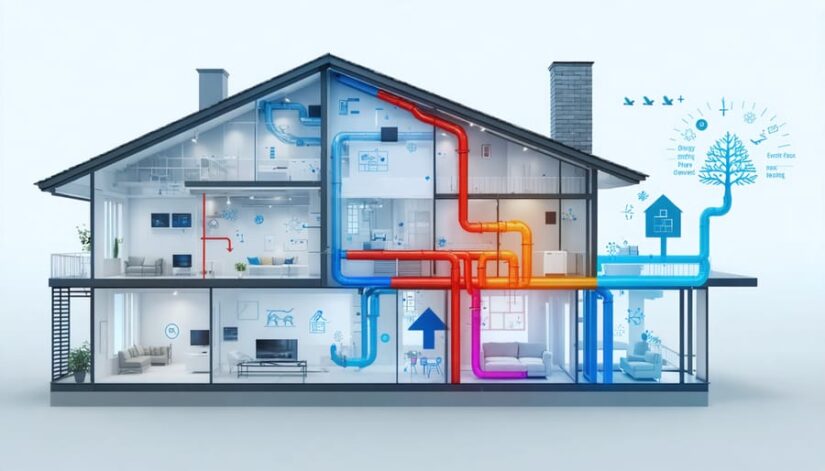
Energy Recovery Ventilators: The Smart Way to Cut Your HVAC Costs While Improving Air Quality
Transform your home’s energy efficiency with an Energy Recovery Ventilator (ERV), a cutting-edge component of modern smart building energy solutions that revolutionizes indoor air quality while significantly reducing heating and cooling costs. By continuously exchanging stale indoor air with fresh outdoor air, ERVs capture and transfer both heat and moisture between airstreams, maintaining optimal indoor comfort while recovering up to 85% of energy that would otherwise be lost through traditional ventilation. In Illinois’s climate of extreme temperature swings, an ERV proves particularly valuable, helping buildings maintain consistent comfort levels year-round while substantially lowering energy bills. This advanced ventilation technology addresses both energy efficiency and indoor air quality concerns, making it an increasingly essential upgrade for forward-thinking property owners seeking sustainable, cost-effective solutions for their ventilation needs.
How Energy Recovery Ventilators Work
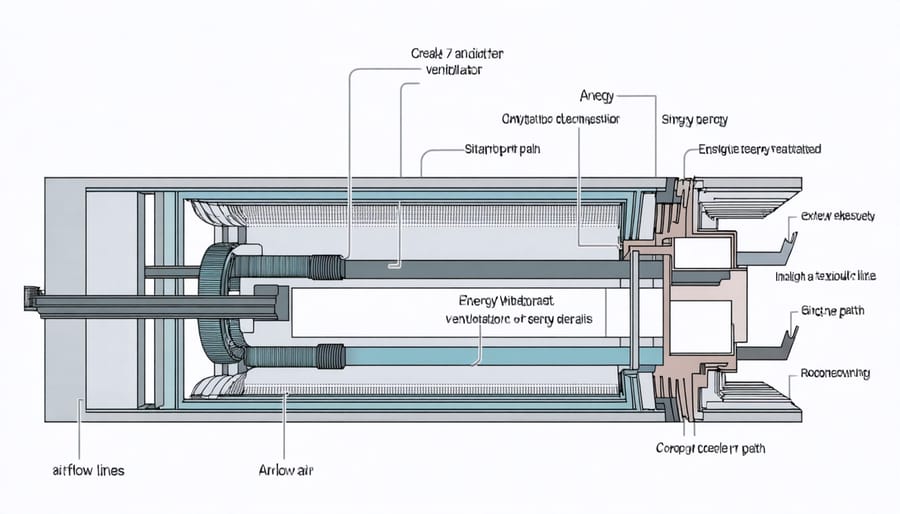
The Heat Exchange Process
The heart of an energy recovery ventilator lies in its heat exchange core, where two separate airstreams pass close to each other without mixing. As stale indoor air moves out of your home, fresh outdoor air moves in through adjacent passages. The core, typically made of specially designed materials like polymer membrane or aluminum, facilitates both heat and moisture transfer between these airstreams.
During winter months, when warm indoor air exits, it preheats the incoming cold air, reducing the heating load on your HVAC system. In summer, the process reverses – hot outdoor air is pre-cooled by the departing conditioned air. This same core also transfers moisture, helping maintain comfortable indoor humidity levels year-round.
The process is continuous and highly efficient, recovering up to 80% of the energy that would typically be lost through traditional ventilation. In Illinois’s climate, where temperatures swing from below freezing to hot and humid, this heat exchange process proves particularly valuable. The system adjusts automatically to temperature differences, ensuring optimal energy recovery regardless of seasonal changes while providing your home with fresh, filtered air.
Moisture Management Benefits
One of the most valuable features of an ERV is its ability to manage indoor humidity levels effectively throughout Illinois’ diverse seasons. During humid summers, the ERV removes excess moisture from incoming fresh air, helping prevent the growth of mold and mildew while reducing the load on your air conditioning system. In winter, when heated indoor air becomes dry, the ERV transfers moisture from the outgoing air to the incoming fresh air, maintaining comfortable humidity levels that protect your furniture, flooring, and respiratory health.
This balanced moisture exchange is particularly beneficial in Illinois’ climate, where humidity levels can swing dramatically between seasons. By maintaining optimal indoor humidity between 30-50%, ERVs help prevent common issues like static electricity, dry skin, and respiratory irritation in winter, while reducing the clammy feeling and musty odors that can develop during humid summer months.
The system’s moisture management capabilities also help protect your home’s structure by preventing condensation inside walls and reducing the risk of water damage to building materials.
Energy Savings and Cost Benefits
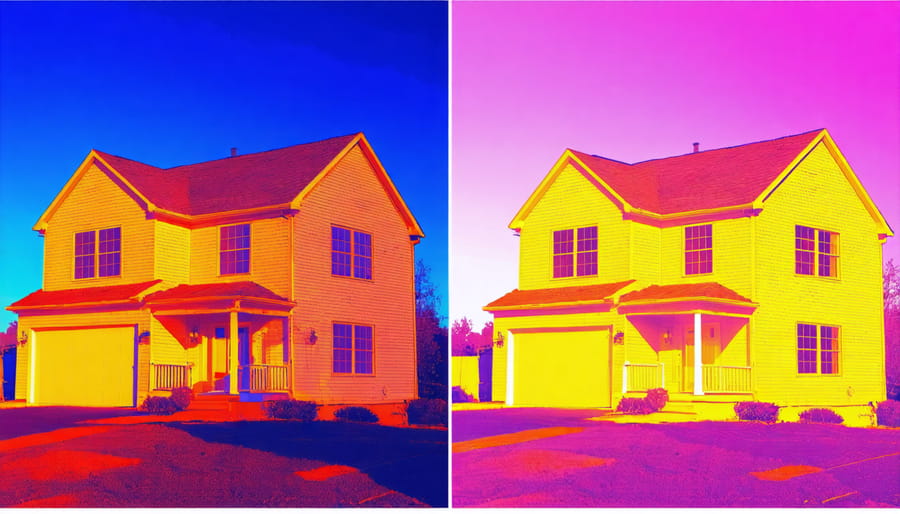
Reducing HVAC Load
Energy recovery ventilators significantly reduce the strain on your HVAC system by pre-conditioning incoming air using the energy from outgoing air. This efficient process helps lower your energy bills while maintaining optimal indoor comfort. During Illinois’ hot summers, the ERV pre-cools and dehumidifies incoming fresh air using the cooler, drier air being exhausted from your home. In winter, it pre-heats and adds moisture to incoming fresh air using the warm, humid air leaving your space.
This pre-conditioning means your heating and cooling systems don’t have to work as hard to reach desired temperatures. For example, instead of having to heat 30-degree winter air to 70 degrees, your furnace might only need to heat 55-degree pre-warmed air. The reduced temperature differential translates to less energy consumption and wear on your HVAC equipment, potentially extending its lifespan and reducing maintenance needs.
The impact is particularly noticeable during Illinois’ extreme temperature swings, when conventional ventilation systems typically cause the greatest strain on HVAC equipment.
Illinois Climate Considerations
Illinois’s diverse climate, characterized by hot, humid summers and cold winters, makes energy recovery ventilators particularly valuable for local property owners. During summer months, when humidity levels frequently exceed 80%, ERVs help manage indoor moisture while reducing the load on air conditioning systems. The technology pre-conditions incoming air by removing excess humidity, making cooling more efficient and comfortable.
In winter, when temperatures regularly drop below freezing, ERVs preserve valuable indoor heat while maintaining essential ventilation. This feature is especially beneficial during the state’s extended heating season, typically running from October through April. The system’s ability to transfer both heat and moisture helps maintain optimal indoor humidity levels, preventing the dry air issues common in Illinois winters.
The shoulder seasons of spring and fall, known for their temperature fluctuations in Illinois, benefit from ERVs’ adaptability. The systems automatically adjust to changing conditions, ensuring consistent indoor air quality while maximizing energy efficiency. This year-round functionality makes ERVs particularly cost-effective for Illinois property owners, who face significant heating and cooling demands throughout the year.
Installation and Integration
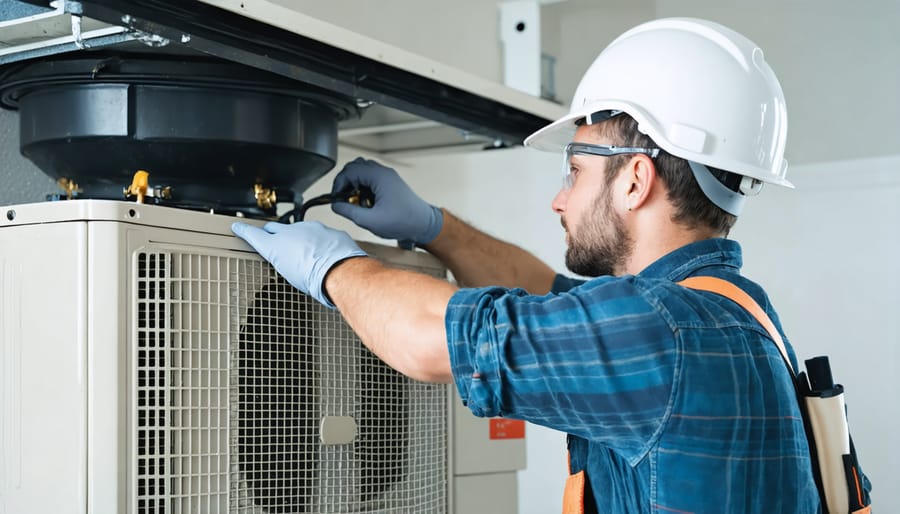
Retrofit Considerations
Adding an ERV to an existing home requires careful planning and assessment. As part of deep energy retrofits, proper integration with your current HVAC system is essential. The available space in your mechanical room or attic needs evaluation, as ERVs require adequate clearance for installation and maintenance. Existing ductwork may need modifications or additions to accommodate the new ventilation system.
A professional assessment of your home’s current air sealing is crucial, as ERVs work most efficiently in well-sealed buildings. Your electrical system should be checked to ensure it can handle the additional load. The location of intake and exhaust vents must comply with local building codes while avoiding cross-contamination.
Consider the climate control needs specific to Illinois’s varying seasons when selecting your ERV unit size and features. The installation may require some disruption to walls or ceilings, so planning the route for new ductwork is important for minimizing impact on your living space.
Professional Installation Requirements
Professional installation of an ERV system requires careful planning and expertise to ensure optimal performance. The unit must be installed by a licensed HVAC contractor who understands local building codes and ventilation requirements. Proper placement is crucial, with the unit typically mounted in an attic, basement, or mechanical room that allows easy access for maintenance.
The installation process includes creating dedicated ductwork for fresh air intake and exhaust, ensuring proper sealing to prevent air leakage, and integrating the system with existing HVAC equipment. Electrical connections must meet local codes, and condensate drainage lines need proper installation to prevent moisture issues.
A professional installer will also calibrate the system to match your home’s specific ventilation needs, considering factors like square footage, occupancy levels, and local climate conditions. They’ll ensure the ERV operates at optimal efficiency while maintaining proper air balance throughout your living space.
Maintenance and Long-term Performance
Regular maintenance is crucial for keeping your ERV system operating at peak efficiency. We recommend inspecting and cleaning the core and filters every three to six months, depending on your local air quality and system usage. During these checks, remove any dust or debris that may have accumulated on the filters and core surfaces.
The filters typically need replacement once or twice a year, though this can vary based on environmental conditions. In Illinois, where we experience significant seasonal changes, it’s particularly important to check filters before winter and summer peaks to ensure optimal performance during these demanding periods.
Professional maintenance should be scheduled annually to inspect mechanical components, check the ventilation balance, and clean the ductwork if necessary. During these service visits, technicians will verify that the system maintains proper airflow rates and that all seals and gaskets are intact.
With proper maintenance, an ERV system can provide reliable service for 10-15 years or more. Key indicators of system health include consistent airflow, stable indoor humidity levels, and quiet operation. If you notice unusual noises, reduced airflow, or inconsistent performance, schedule a professional inspection promptly.
To maximize long-term performance, keep outdoor intake and exhaust vents clear of obstacles, ensure condensate drains remain clean, and monitor your system’s performance through the seasons. Regular maintenance not only extends equipment life but also helps maintain energy efficiency and indoor air quality benefits.
Energy Recovery Ventilators offer a smart solution for Illinois property owners looking to enhance indoor air quality while maximizing energy efficiency. By recovering up to 80% of energy from exhaust air, ERVs significantly reduce heating and cooling costs throughout our state’s varying seasons. The dual benefits of energy savings and improved indoor air quality make ERVs an excellent investment for both homes and businesses. Whether you’re building new construction or upgrading an existing property, installing an ERV system can lead to healthier indoor spaces and lower utility bills. Take the first step toward better ventilation and energy efficiency by consulting with a local HVAC professional to determine the right ERV solution for your specific needs.
