
AI’s Hidden Energy Cost: What It Means for Your Solar Investment
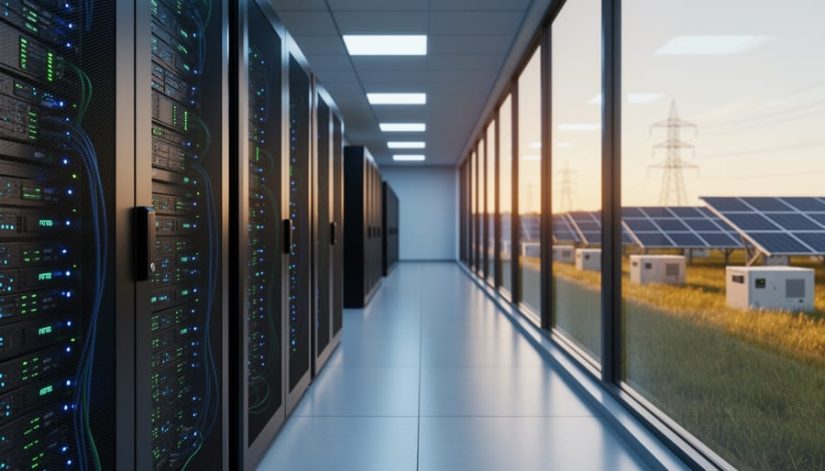
Artificial intelligence consumes massive amounts of electricity—training a single large AI model can emit as much carbon as five cars produce over their entire lifetimes. Data centers powering AI systems already account for roughly 1% of global electricity demand, a figure projected to triple by 2030. For Illinois homeowners and businesses investing in clean energy, this raises a legitimate question: does adopting AI-driven technology undermine your commitment to environmental responsibility?
The answer isn’t straightforward. While AI’s energy appetite is real and growing, this same technology is revolutionizing how we generate, store, and distribute renewable energy. Advanced algorithms now predict solar production with remarkable accuracy, optimize battery storage systems to reduce waste, and manage grid loads to prevent brownouts without fossil fuel backup. The solar panels on your Illinois property likely benefit from AI-enhanced manufacturing processes that reduced production waste and improved efficiency ratings.
This creates a paradox worth understanding. AI does demand significant power, but it simultaneously makes renewable energy systems more viable and cost-effective at scale. For solar customers concerned about their environmental footprint, the critical factor isn’t whether AI itself is inherently harmful—it’s how we power these systems and whether their applications genuinely advance sustainability goals. The technology enabling your smart inverter to maximize solar harvest carries environmental costs, but those costs may be offset many times over through the efficiencies it creates across the entire energy ecosystem.
The Real Story Behind AI’s Energy Consumption
How Much Energy Does AI Actually Use?
AI systems require substantial energy to operate, particularly during the training phase of large language models and data processing. A single AI model training session can consume as much electricity as approximately 100 average American homes use in an entire year. To put this in perspective for Illinois homeowners, training one large AI model uses roughly 284 tons of carbon dioxide equivalent—similar to the emissions from 60 cars driven for a year.
Data centers that power AI operations now account for about 1-2% of global electricity demand, a figure that continues growing as AI adoption expands. A typical Google search uses minimal energy, but an AI-powered search query can require up to ten times more electricity due to the complex computations involved.
For context, running ChatGPT reportedly costs hundreds of thousands of dollars daily in energy expenses alone. However, it’s important to recognize that not all AI applications demand equal resources. Smaller, specialized AI systems used in solar energy management or home automation consume considerably less power than these massive language models, making their environmental footprint more manageable while still delivering valuable efficiency benefits.
Where the Environmental Concern Comes From
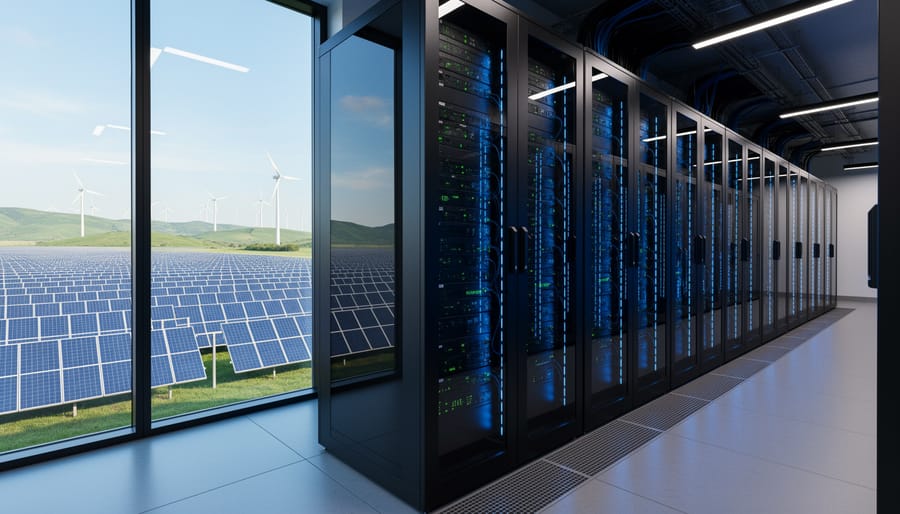
The environmental concerns surrounding artificial intelligence stem from three main areas. First, AI systems require substantial computing power, which translates directly into energy consumption. Training a single large AI model can produce a carbon footprint equivalent to what several cars generate over their entire lifetimes. This energy demand comes primarily from the massive data centers that house AI infrastructure.
Second, these data centers need extensive cooling systems to prevent equipment from overheating. The cooling process itself consumes additional energy and often requires significant water resources. In regions already facing water scarcity, this creates added strain on local supplies.
Third, the hardware required for AI operations depends on rare earth minerals and specialized components. Manufacturing these components requires mining and processing activities that carry their own environmental costs. Additionally, as technology advances rapidly, older equipment becomes obsolete, contributing to electronic waste concerns.
For Illinois residents considering solar energy, understanding these environmental factors is important. While AI does consume resources, the technology also plays an increasingly vital role in making renewable energy systems more efficient and reliable, which we’ll explore further.
AI as a Solution: Making Energy Systems Smarter and More Resilient
Predicting Energy Demand and Supply
One of AI’s most valuable environmental contributions is its ability to predict energy demand and supply with remarkable accuracy. For Illinois homeowners and businesses with solar installations, this technology works behind the scenes to make renewable energy more reliable and efficient.
AI systems analyze vast amounts of data—including historical weather patterns, current atmospheric conditions, and seasonal trends—to forecast solar panel output days or even weeks in advance. These predictions help energy providers balance the grid more effectively, reducing the need for backup power from fossil fuel sources during cloudy periods or peak demand times.
The technology also optimizes when and how energy gets stored in battery systems. By predicting tomorrow’s sunshine and energy needs, AI determines the best times to store excess solar power and when to draw from batteries. This intelligent management reduces energy waste and ensures your solar system operates at maximum efficiency.
Additionally, AI enhances smart grid technologies that prevent outages and stabilize power distribution across Illinois communities. By anticipating demand spikes and supply fluctuations, these systems maintain grid stability without relying on polluting backup generators, ultimately supporting a cleaner energy infrastructure for everyone.
Reducing Energy Waste Through Smart Management
Artificial intelligence is proving to be a powerful ally in reducing energy waste throughout solar power systems. Think of AI as a constant monitor that watches over your energy infrastructure 24/7, identifying problems and inefficiencies that humans might miss. For Illinois homeowners and businesses with solar installations, this technology analyzes usage patterns in real-time, detecting when and where energy is being lost.
AI systems excel at predicting weather conditions and adjusting energy distribution accordingly. When clouds are approaching your solar panels, the system can automatically shift to stored power or adjust building systems to use less energy during low-production periods. This prevents the waste that occurs when energy systems can’t adapt quickly enough to changing conditions.
One of AI’s most valuable contributions is optimizing battery storage systems. These intelligent algorithms determine the best times to charge and discharge batteries, ensuring stored energy isn’t degraded through improper cycling. They also identify failing components before they cause system-wide inefficiencies, allowing for preventive maintenance that keeps your solar investment running at peak performance and minimizes the environmental cost of premature equipment replacement.
Strengthening Grid Resilience Against Outages
While AI does consume energy, it plays a crucial role in preventing power outages and strengthening grid reliability—especially important given Illinois’ extreme weather conditions. AI-powered grid security systems analyze weather patterns, equipment performance, and power demand in real-time to predict potential failures before they occur. This predictive capability helps utilities prevent blackouts that would otherwise disrupt thousands of homes and businesses.
For solar energy systems, AI manages distributed energy resources by coordinating how power flows between solar panels, battery storage, and the main grid. When severe weather strikes, AI accelerates system recovery by automatically rerouting power and identifying the fastest restoration paths. This resilience benefit means fewer outages, reduced energy waste from emergency responses, and more reliable renewable energy for Illinois residents and businesses year-round.
The Net Environmental Impact: Does AI Help or Hurt?
The Efficiency Gains AI Brings to Solar Energy
While AI systems do consume energy, their application in solar power creates significant efficiency gains that far outweigh their environmental costs. AI-powered monitoring and optimization can boost solar panel performance by 10-30%, helping systems generate more clean energy from the same footprint.
For Illinois homeowners and businesses, these improvements are particularly valuable. AI algorithms continuously analyze weather patterns, panel positioning, and energy usage to maximize output during our variable seasonal conditions. The technology predicts cloud cover, adjusts inverter settings in real-time, and identifies maintenance needs before they become costly problems that reduce production.
Smart energy management systems use AI to determine the optimal times for energy storage and consumption, reducing waste throughout your entire operation. In commercial settings, this can translate to thousands of dollars in savings annually while minimizing your carbon footprint.
The math is compelling: a solar system operating at peak efficiency thanks to AI optimization produces substantially more renewable energy over its lifetime than the computational power required to run those AI algorithms. For Illinois businesses especially, where energy costs fluctuate seasonally, these efficiency gains directly impact both environmental impact and bottom-line savings. The result is a net positive for the environment, making AI an essential tool rather than a hindrance in the transition to clean energy.
Green AI: Making Artificial Intelligence More Sustainable
The good news is that the tech industry is actively working to reduce AI’s environmental footprint through innovative sustainable practices. Major technology companies are increasingly powering their data centers with renewable energy sources, including solar and wind power. This shift mirrors the same clean energy transition happening in homes and businesses across Illinois, where solar installations are becoming more common and practical.
Researchers and developers are also creating more efficient AI algorithms that require less computational power to achieve the same results. These streamlined models can reduce energy consumption by significant margins without sacrificing performance. Think of it like upgrading to energy-efficient appliances in your home—you get the same functionality while using considerably less electricity.
The concept of “Green AI” emphasizes measuring and reporting the carbon footprint of AI systems, much like we track energy usage in buildings. This transparency helps identify areas for improvement and encourages best practices across the industry. Additionally, smaller, specialized AI models designed for specific tasks are replacing massive general-purpose systems where appropriate, cutting down on unnecessary energy use.
For Illinois residents and businesses investing in solar technology, these sustainable AI practices complement your renewable energy choices perfectly, creating a comprehensive approach to environmental responsibility.
What This Means for Illinois Solar Customers
AI-Powered Solar Monitoring and Optimization
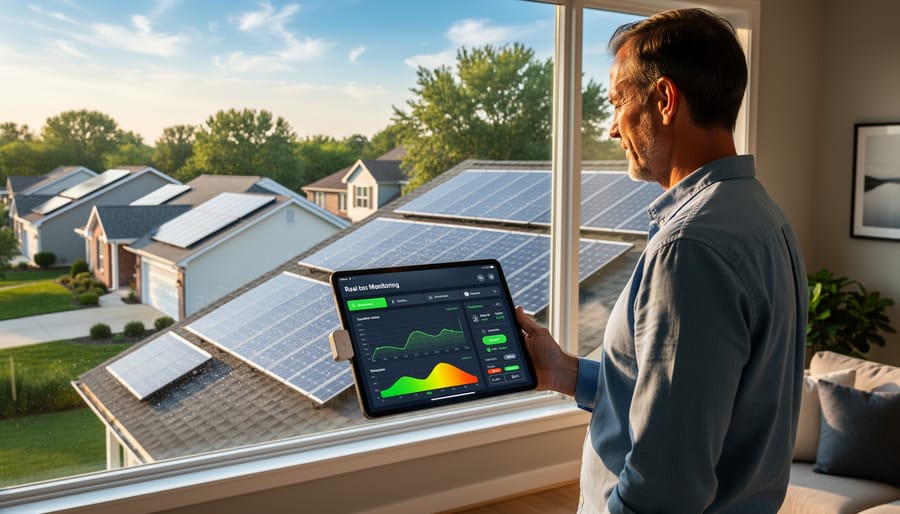
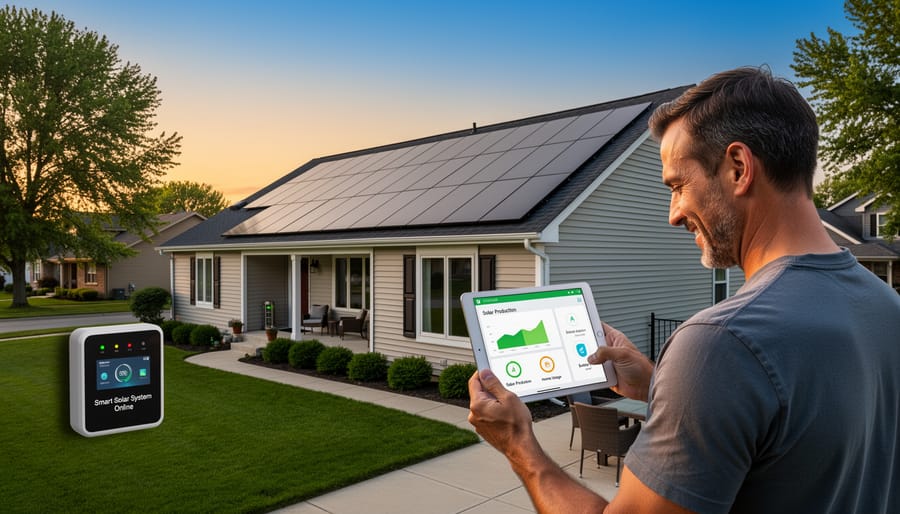
Modern solar installations in Illinois increasingly incorporate AI-powered monitoring systems that deliver measurable environmental benefits. These smart systems continuously track your solar panels’ performance, analyzing weather patterns, energy production, and consumption data in real-time to maximize efficiency.
For Illinois homeowners and businesses, practical AI features include predictive maintenance alerts that identify potential issues before they cause system failures, reducing waste from premature equipment replacement. The technology automatically adjusts energy storage and distribution based on forecast data, ensuring you capture and use every available watt of clean energy. Many systems now offer smartphone apps that provide instant visibility into your solar production and carbon offset metrics.
Local solar providers can integrate AI monitoring platforms that learn your specific energy usage patterns throughout Illinois’s seasonal changes. During our harsh winters and humid summers, these systems optimize panel angles and energy routing to maintain peak performance. The AI also detects unusual shading or debris accumulation, prompting timely cleaning that keeps your panels operating at maximum capacity.
By preventing energy loss and extending equipment lifespan, AI monitoring helps solar installations achieve their full environmental potential while protecting your investment in renewable energy.
Future-Proofing Your Energy Investment
AI integration transforms solar energy systems from static installations into dynamic, learning networks that improve over time. Unlike traditional solar setups that operate on fixed parameters, AI-powered systems continuously analyze performance data, weather patterns, and energy consumption habits to optimize output and identify potential issues before they become costly problems.
For Illinois property owners, this means your solar investment becomes more valuable as technology advances. AI algorithms receive regular updates that enhance efficiency without requiring hardware replacement. The system adapts to seasonal changes in Illinois weather, learning from years of data to predict optimal energy storage and usage patterns during harsh winters and peak summer months.
These intelligent systems also prepare your property for emerging technologies like electric vehicle charging and smart home integration. As energy grids evolve toward decentralized models, AI ensures your solar installation communicates seamlessly with utility companies and energy markets, potentially creating new revenue streams through energy trading programs.
Most importantly, AI helps build resilient solar systems that maintain performance during grid disruptions and extreme weather events. This adaptability protects your investment while contributing to a more stable, sustainable energy infrastructure for Illinois communities. The environmental benefits compound annually as your system operates at peak efficiency.
So, is artificial intelligence bad for the environment? The answer isn’t a simple yes or no. While AI does consume energy and requires significant computational resources, the complete picture reveals a more promising reality. When we examine AI’s role in renewable energy systems, particularly solar installations here in Illinois, the technology emerges as a powerful ally in our transition to sustainable energy.
Yes, training large AI models requires substantial electricity. However, this energy investment pays environmental dividends when AI optimizes solar panel performance, predicts energy demand with remarkable accuracy, and manages grid operations to maximize renewable energy usage. For homeowners and businesses considering solar installations, AI-enhanced systems can increase efficiency by 15-30 percent, meaning more clean energy production from the same physical footprint.
The environmental equation tips decisively in AI’s favor when we consider its contributions to climate resilience and energy independence. Advanced forecasting helps utilities integrate more renewable sources into the grid, reducing reliance on fossil fuels. For Illinois customers, this means solar investments become even more valuable as AI makes renewable energy systems more reliable and cost-effective.
As a locally owned company with deep expertise in solar energy, we’ve witnessed firsthand how intelligent technology transforms solar performance. The future of sustainable energy isn’t about choosing between innovation and environmental responsibility—it’s about harnessing both together. AI-enhanced solar solutions represent exactly this synergy, delivering cleaner energy more efficiently while building the resilient infrastructure our communities need.
The path forward is clear: embracing smart technology alongside renewable energy creates the sustainable future we’re all working toward. Your investment in solar power, enhanced by AI optimization, positions you at the forefront of this positive transformation.
