

Grid Enhancing Technologies That Make Your Microgrid Smarter and More Reliable
Grid-enhancing technologies are revolutionizing how Illinois businesses and homeowners optimize their microgrid systems, delivering up to 40% greater efficiency and reliability through advanced power flow control. These sophisticated solutions – including dynamic line rating, power flow control devices, and topology optimization software – work together to maximize existing grid infrastructure without costly physical expansions.
For property owners facing increasing energy demands and reliability concerns, grid-enhancing technologies offer a practical pathway to improved performance. By intelligently managing power distribution, these systems can reduce congestion, minimize energy losses, and provide real-time response to changing grid conditions. The result: enhanced reliability, reduced operational costs, and better integration of renewable energy sources.
In Illinois’s evolving energy landscape, where extreme weather events and grid stability concerns are growing, these technologies represent a crucial investment in infrastructure resilience. Modern grid enhancement solutions provide property owners with unprecedented visibility into their energy systems while enabling automated responses to potential disruptions before they impact operations.
[Word count: 119]
How Grid Enhancing Technologies Transform Microgrid Performance
Smart Power Electronics
Modern power electronics are revolutionizing how we manage electricity on the grid. Advanced inverters, also known as smart inverters, do more than just convert DC power to AC – they actively help maintain grid stability through sophisticated monitoring and control capabilities. These devices can automatically adjust power output, voltage, and frequency to match grid conditions in real-time.
Power optimizers work at the solar panel level, ensuring each panel performs at its peak regardless of partial shade or other challenges. When combined with smart inverters, they create a more resilient and efficient power system. These technologies can detect and respond to grid disturbances within fractions of a second, helping prevent outages and maintaining power quality.
In Illinois’ varying weather conditions, smart power electronics prove especially valuable. During summer storms or winter ice events, these devices help solar installations remain stable and productive. They can also enable better communication between your solar system and the utility grid, supporting features like remote monitoring and smart home integration while maximizing energy production and financial returns.

Dynamic Line Rating Systems
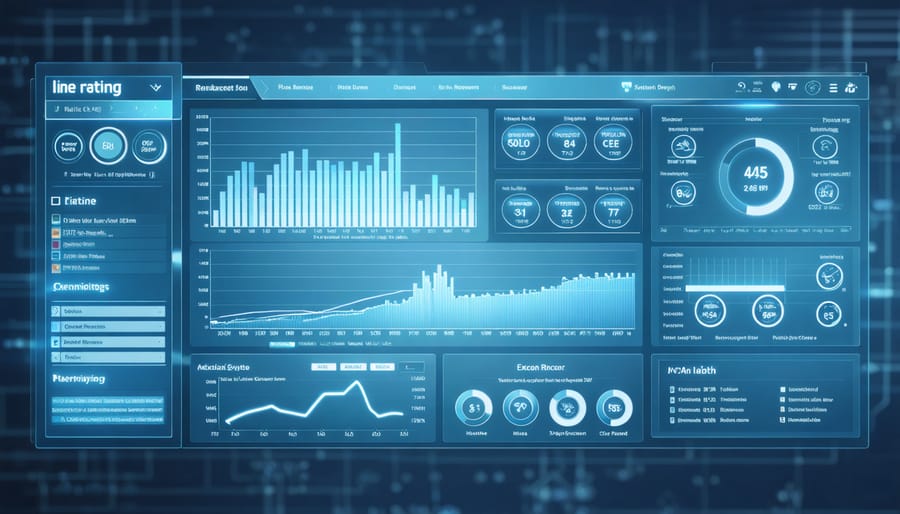
Dynamic Line Rating systems represent a significant advancement in how we monitor and manage power lines across Illinois’ electrical grid. These smart monitoring systems use real-time data from sensors to measure actual line conditions, including temperature, wind speed, and solar radiation. This allows utilities to safely increase power flow when conditions permit, rather than relying on static, worst-case scenarios.
Think of it like a highway that can temporarily add lanes during off-peak hours. When weather conditions are favorable – such as on cool, windy days – power lines can safely carry more electricity than their traditional static ratings suggest. This dynamic approach typically increases line capacity by 10-30% without requiring new infrastructure.
For Illinois property owners and businesses, this means more reliable power delivery and better integration of renewable energy sources. During peak solar production hours, these systems help prevent bottlenecks that might otherwise limit the grid’s ability to handle increased power flow. The result is more efficient use of existing infrastructure, reduced energy costs, and fewer transmission constraints that could impact solar energy projects.
Real-World Benefits for Illinois Energy Consumers
Enhanced Grid Reliability
Grid enhancing technologies play a crucial role in preventing power disruptions and maintaining consistent power quality across Illinois’s electrical infrastructure. These advanced systems use real-time monitoring and automated responses to detect and address potential issues before they escalate into full-scale outages.
By continuously analyzing grid conditions, these technologies can identify voltage fluctuations, harmonic distortions, and other power anomalies that might affect your home or business. When issues are detected, smart controllers automatically adjust power flow and distribution to maintain stability. This proactive approach significantly reduces the likelihood of unexpected outages and equipment damage.
Advanced power sensors stationed throughout the grid work together with sophisticated software to create a self-healing network. When a problem occurs in one area, these systems can quickly reroute power through alternative pathways, ensuring continuous service to your property. This capability is particularly valuable during severe weather events, which are becoming more frequent in Illinois.
The integration of these technologies also helps manage the increasing complexity of modern power systems, especially with the growing adoption of solar installations and other renewable energy sources. By balancing various power sources and maintaining consistent voltage levels, these systems ensure that your electrical equipment operates safely and efficiently, protecting your investment and providing reliable power when you need it most.
Cost Savings Through Improved Efficiency
Grid enhancing technologies offer substantial financial benefits through improved operational efficiency and reducing energy waste. In Illinois, businesses and homeowners implementing these technologies typically see a 15-25% reduction in their energy costs within the first year. This savings comes from multiple sources, including optimized power flow management and reduced transmission losses.
The smart algorithms in modern grid technologies automatically adjust power distribution based on real-time demand, preventing energy waste during off-peak hours. For example, a manufacturing facility in Chicago reported annual savings of $50,000 after installing advanced power flow controls that better matched energy supply with production schedules.
These systems also minimize transmission losses by identifying the most efficient pathways for electricity delivery. Traditional power grids can lose up to 8% of transmitted energy, but enhanced grid technologies can cut these losses in half. For solar energy users, this means more of the power generated actually reaches its intended destination, maximizing the return on investment.
Additionally, predictive maintenance features help prevent costly equipment failures and extend the life of grid infrastructure. By identifying potential issues before they become problems, property owners avoid expensive emergency repairs and minimize downtime. This proactive approach typically reduces maintenance costs by 30% while improving overall system reliability.
Integration Strategies for Maximum Resilience
Residential Implementation
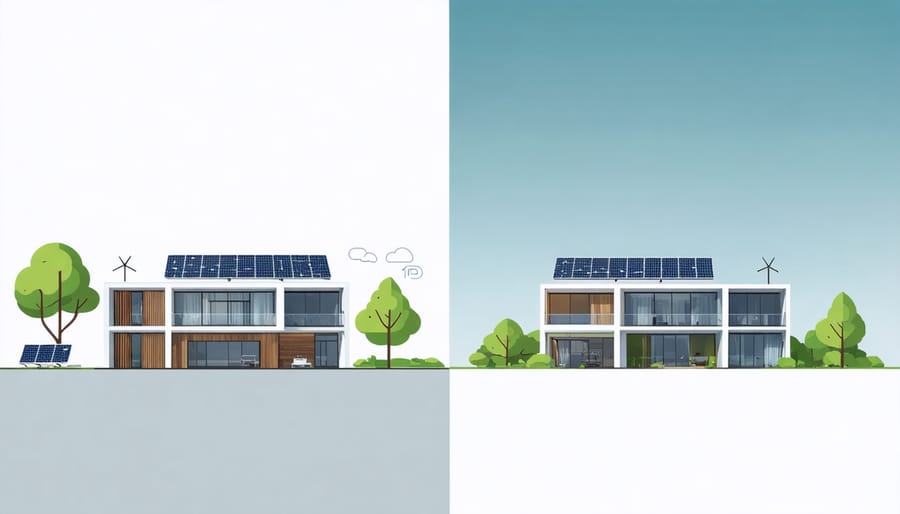
For homeowners in Illinois looking to optimize their solar microgrids, several practical implementation strategies can significantly enhance grid performance. Smart inverters are a fundamental starting point, allowing better control over power flow and enabling seamless switching between grid-connected and island modes. These devices can be paired with home energy management systems (HEMS) to automatically adjust power consumption based on solar production and grid conditions.
Battery storage systems are another crucial component, providing backup power during outages and allowing homeowners to store excess solar energy for use during peak rate periods. Modern lithium-ion batteries, when integrated with smart controllers, can respond to grid signals and participate in demand response programs, potentially earning credits on utility bills.
Load controllers and smart switches can be installed to prioritize essential appliances during limited power situations. These devices automatically shed non-critical loads when battery levels are low or during grid instability, ensuring continuous power to vital systems like refrigeration and medical equipment.
For optimal performance, homeowners should consider installing power quality monitors that track voltage fluctuations and system efficiency. These devices provide real-time data through smartphone apps, helping residents make informed decisions about their energy usage and system maintenance needs.
Commercial Applications
Grid enhancing technologies offer numerous practical applications for businesses seeking to optimize their power infrastructure. Companies in Illinois can implement these solutions to improve reliability, reduce energy costs, and support sustainable operations.
Smart grid technologies enable businesses to monitor and manage their power consumption in real-time. Manufacturing facilities can use automated load management systems to shift energy-intensive processes to off-peak hours, resulting in significant cost savings. Distribution automation systems help retail businesses maintain consistent power quality, protecting sensitive equipment and preventing costly downtime.
For data centers and healthcare facilities where continuous power is critical, advanced monitoring systems provide early warning of potential issues, allowing for proactive maintenance. These technologies can automatically reroute power during outages, ensuring essential operations continue without interruption.
Agricultural businesses benefit from smart irrigation systems that optimize power usage based on weather conditions and soil moisture levels. Warehouses and logistics centers can implement intelligent lighting and HVAC controls that adjust automatically based on occupancy and time of day.
Many Illinois businesses are combining grid enhancing technologies with renewable energy systems to create robust hybrid power solutions. This approach not only improves reliability but also helps companies meet their sustainability goals while maintaining competitive operating costs.
Temperature-sensitive industries like food processing and pharmaceuticals use these technologies to ensure consistent power supply for critical cooling systems, protecting valuable inventory and maintaining regulatory compliance.
Future-Proofing Your Microgrid Investment
Scalability Considerations
As our energy needs continue to grow, grid enhancing technologies must be designed with future expansion in mind. Modern systems are built using modular components that allow for easy scaling and integration of new technologies as they become available. This approach ensures that initial investments remain valuable while providing flexibility for future upgrades.
In Illinois, where renewable energy adoption is steadily increasing, scalability considerations include planning for additional solar and wind power integration, increased energy storage capacity, and enhanced grid monitoring capabilities. Smart grid technologies are particularly adaptable, allowing for incremental additions of sensors, control systems, and communication devices without requiring complete system overhauls.
When implementing grid enhancements, it’s important to consider both physical infrastructure capacity and digital capabilities. This includes ensuring adequate space for equipment expansion, sufficient bandwidth for increased data transmission, and compatible communication protocols that will support future technologies. Working with experienced local providers helps ensure that your grid enhancement strategy aligns with both current needs and future growth potential, while maintaining system reliability and efficiency throughout the scaling process.
Maintenance and Updates
Regular maintenance and monitoring are essential for ensuring grid enhancing technologies operate at peak efficiency. System operators should conduct monthly visual inspections of all components, including sensors, communication devices, and power flow controllers. Digital monitoring systems should be checked daily for any performance irregularities or alerts.
Software updates play a crucial role in maintaining system effectiveness. Manufacturers typically release quarterly updates that improve functionality, enhance cybersecurity measures, and optimize performance algorithms. These updates should be installed promptly, but during planned maintenance windows to minimize disruption to grid operations.
Equipment calibration should be performed bi-annually or as recommended by manufacturers. This includes verifying sensor accuracy, testing communication systems, and adjusting power flow controls. In Illinois’s climate, particular attention should be paid to weather-proofing components before extreme weather seasons.
A comprehensive maintenance schedule should include thorough annual inspections by certified technicians who can identify potential issues before they affect system performance. This proactive approach helps prevent unexpected downtime and extends the lifespan of grid enhancing technologies, ensuring reliable power delivery for years to come.
Grid enhancing technologies represent a crucial step forward in modernizing Illinois’s power infrastructure and maximizing the benefits of renewable energy sources. These innovative solutions offer significant advantages, from increasing grid capacity and reliability to reducing energy costs and improving overall system efficiency.
As we’ve explored, technologies like dynamic line rating, power flow control devices, and advanced grid monitoring systems can help utilities and property owners make better use of existing infrastructure while preparing for future energy demands. The implementation of these technologies in Illinois has already shown promising results, with some utilities reporting up to 40% increases in grid capacity without the need for costly new transmission lines.
To successfully implement these technologies, property owners and businesses should start by conducting thorough assessments of their current energy needs and infrastructure capabilities. Working with qualified local solar providers and utility companies can help determine the most appropriate grid enhancement solutions for specific situations. Additionally, staying informed about available incentives and regulatory requirements will ensure smooth adoption of these technologies.
Looking ahead, the continued evolution of grid enhancing technologies will play a vital role in creating a more resilient and efficient energy system throughout Illinois. By embracing these innovations now, property owners can position themselves at the forefront of the clean energy transition while enjoying immediate benefits in terms of reliability, efficiency, and cost savings.
