
What Happens When Ocean Energy Systems Reach the End of Their Life?
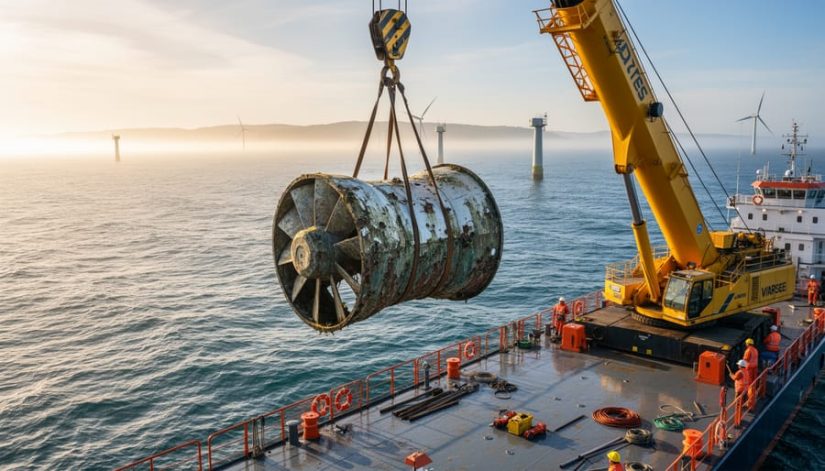
Ocean energy systems harness the power of waves, tides, and thermal gradients to generate clean electricity, but like all renewable technologies, they face a critical challenge that’s often overlooked: what happens when they reach the end of their useful life? As turbines corrode in saltwater and marine structures age under constant wave action, the renewable energy industry must confront complex decommissioning questions that parallel challenges already emerging in solar energy.
Understanding ocean energy management offers valuable insights for anyone invested in renewable energy’s long-term sustainability. These offshore installations, operating in one of Earth’s harshest environments, accelerate the lifecycle issues that all renewable technologies will eventually face. The corrosive marine environment, challenging access for maintenance, and specialized materials used in construction create unique disposal and recycling challenges that demand immediate attention.
For Illinois-based renewable energy stakeholders, ocean energy’s end-of-life management provides a crucial preview of coming challenges in solar decommissioning. As the first generation of large-scale solar installations approaches retirement age, lessons learned from marine renewable energy about material recovery, environmental protection during removal, and developing circular economy solutions become directly applicable. The ocean energy sector’s proactive approach to lifecycle planning demonstrates why addressing decommissioning isn’t just an environmental responsibility but a business imperative that protects communities, maintains public trust, and ensures renewable energy’s promise of true sustainability extends beyond installation to responsible retirement.
Understanding Ocean Energy Technologies and Their Lifecycles
Common Ocean Energy Systems
Ocean energy systems harness the power of our seas through several innovative technologies. Tidal turbines work similarly to underwater wind turbines, capturing energy from the predictable movement of tidal currents as they flow in and out with the tide. These turbines are anchored to the ocean floor and rotate as water passes through their blades, generating electricity through the same basic principles that power wind energy systems.
Wave energy converters take a different approach by capturing the up-and-down motion of ocean waves. These devices use floating buoys or oscillating structures that move with the waves, converting that mechanical motion into electrical energy through hydraulic systems or direct drive generators.
Ocean thermal energy conversion systems utilize the temperature difference between warm surface water and cold deep ocean water. This temperature gradient drives a heat engine that produces electricity, functioning continuously in tropical regions where temperature differences remain consistent. While these technologies may seem distant from solar applications, understanding their lifecycle management offers valuable insights for all renewable energy sectors, including the solar industry here in Illinois, particularly as we develop comprehensive approaches to equipment decommissioning and responsible end-of-life management practices.
Expected Lifespan and Degradation Factors
Ocean energy systems, including wave and tidal technologies, typically operate for 20-25 years under optimal conditions. However, the marine environment presents unique challenges that can accelerate degradation. Constant exposure to saltwater, powerful wave forces, and marine growth significantly impact equipment performance and longevity. Metal components face corrosion, while mechanical parts experience stress from continuous motion and pressure changes. Temperature fluctuations between surface and deeper waters add another layer of complexity.
These challenges share similarities with solar panel degradation patterns, though ocean systems face more aggressive conditions. Solar panels in Illinois typically degrade at 0.5-1% annually due to weather exposure, while ocean energy equipment may experience faster deterioration without proper maintenance protocols. Both technologies require proactive monitoring and protective measures to maximize their operational lifespan. Understanding these degradation patterns helps facility operators plan for maintenance schedules, replacement timelines, and end-of-life management strategies. Regular inspections and protective coatings can extend equipment life, making ocean energy installations more economically viable and sustainable over their full operational period.

The End-of-Life Challenge: Why Ocean Energy Decommissioning Matters
Environmental Impact of Marine Equipment Disposal
When ocean energy equipment reaches the end of its operational life, improper disposal poses significant threats to the marine ecosystems these systems were designed to protect. Decommissioned turbines, anchoring systems, and underwater cables contain materials that can contaminate ocean environments if not handled correctly. Heavy metals, industrial lubricants, and synthetic compounds used in marine equipment manufacturing can leach into surrounding waters, affecting fish populations, coral reefs, and other sensitive marine habitats.
The challenges mirror what we see in solar energy decommissioning, though the underwater environment adds complexity. Saltwater corrosion accelerates material breakdown, making timely removal essential before equipment deteriorates and releases harmful substances. Marine organisms often colonize structures, meaning removal requires careful planning to minimize disruption to established ecosystems.
Critical decommissioning considerations include proper extraction techniques that prevent sediment disturbance, responsible material separation for recycling, and thorough site restoration. Ocean floors must be cleared of all equipment remnants and foundation materials to allow natural habitat recovery. Without comprehensive decommissioning protocols, abandoned equipment creates navigational hazards while continuing to degrade and pollute.
For renewable energy stakeholders, understanding ocean energy disposal challenges provides valuable perspective on lifecycle management across all clean energy sectors. Whether managing offshore wind installations or land-based solar arrays, the principle remains consistent: environmental stewardship extends beyond operational efficiency to include responsible end-of-life planning that protects the natural systems supporting these technologies.
Regulatory Requirements and Compliance
Ocean energy projects operate within a complex regulatory landscape that shares similarities with other renewable energy sectors, including solar. At the international level, maritime organizations like the International Maritime Organization (IMO) establish guidelines for offshore installations, while regional bodies set environmental standards for ocean-based activities. These regulations govern everything from initial site assessment through final decommissioning.
Environmental permits form the backbone of ocean energy compliance. Before installing wave, tidal, or thermal energy systems, developers must conduct thorough environmental impact assessments examining effects on marine ecosystems, wildlife migration patterns, and local fishing industries. These assessments mirror the permitting processes familiar to solar energy developers in Illinois, where environmental reviews ensure projects protect local habitats and communities.
The decommissioning phase requires particularly careful regulatory attention. Operators must file detailed plans outlining removal procedures, site restoration timelines, and financial assurance mechanisms guaranteeing proper cleanup. Many jurisdictions require bonds or insurance policies to cover decommissioning costs, preventing abandoned equipment from becoming environmental hazards. This approach parallels emerging requirements in the solar industry, where recycling and end-of-life planning are becoming standard practice.
Regulatory frameworks continue evolving as ocean energy matures. Countries with established ocean energy programs have developed specific decommissioning standards addressing cable removal, structure dismantling, and seafloor restoration. Understanding these requirements helps renewable energy professionals across all sectors anticipate future compliance needs and plan accordingly, ensuring responsible project lifecycles from installation through retirement.
Materials Recovery and Recycling Opportunities
Recoverable Materials in Ocean Energy Systems
Ocean energy systems contain several valuable materials that can be recovered and recycled at end-of-life, similar to the components we see in solar installations. Understanding these materials helps us appreciate the full lifecycle value of renewable energy infrastructure.
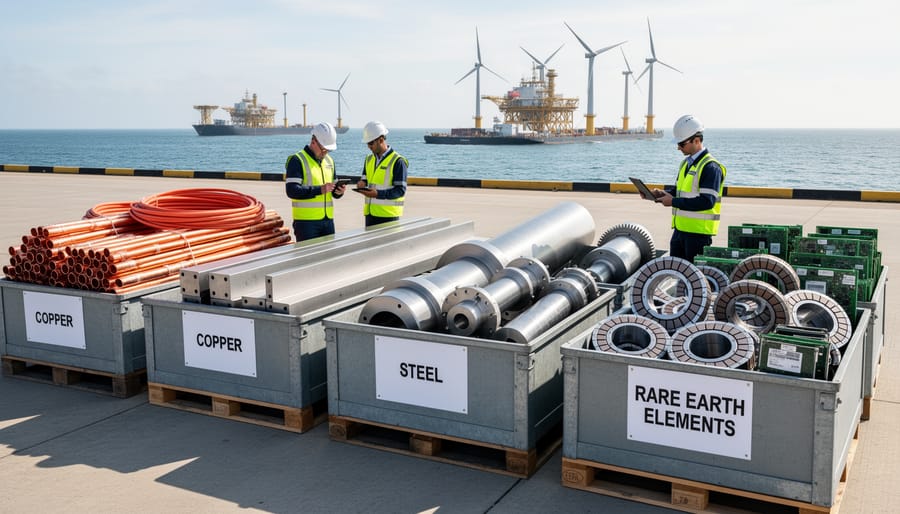
Steel forms the primary structural component in wave and tidal devices, comprising up to 70% of total mass in some systems. This steel can be recycled indefinitely without losing quality, maintaining significant market value. Copper appears extensively in generators, power cables, and electrical systems, representing one of the highest-value recoverable materials due to its conductivity and reusability.
Rare earth elements, particularly neodymium and dysprosium, are critical in permanent magnet generators used in many tidal turbines. While present in smaller quantities, these materials command premium prices and face supply chain constraints, making their recovery economically important.
Composite materials, including fiberglass and carbon fiber used in turbine blades and casings, present greater recycling challenges. Current technologies allow for downcycling into lower-grade applications, though advanced chemical recycling methods are emerging.
For Illinois stakeholders familiar with solar panel recycling, ocean energy systems share similar material recovery principles. Both industries benefit from planned decommissioning strategies that maximize material reclamation while minimizing environmental impact. Developing expertise in one renewable sector creates transferable knowledge applicable across the broader clean energy landscape.
Recycling Processes and Technology
The ocean energy sector is developing recycling frameworks that offer valuable insights for renewable energy decommissioning. Marine turbines and wave energy devices contain materials similar to other renewables—composites, metals, and electronics—requiring specialized processing methods. Current recycling approaches focus on separating composite materials from metal components, with facilities employing mechanical shredding, thermal processing, and chemical treatments to recover valuable resources.
Recent technological innovations include automated sorting systems that use sensors to identify material types, improving recovery rates significantly. Advanced composite recycling techniques break down fiberglass and carbon fiber materials into reusable components rather than sending them to landfills. These methods are particularly relevant to solar panel recycling, where similar composite materials and valuable metals require efficient separation processes.
For Illinois businesses exploring renewable energy, understanding these cross-industry recycling developments proves essential. Ocean energy’s lessons demonstrate that early planning for end-of-life management reduces long-term costs and environmental impact. As locally owned solar experts, we recognize that successful recycling programs depend on establishing regional processing infrastructure, creating material recovery standards, and building partnerships between manufacturers and recycling facilities. These principles apply equally whether decommissioning offshore turbines or residential solar installations.
Lessons for the Broader Renewable Energy Industry
Planning for End-of-Life from Day One
Whether you’re considering ocean energy technologies or planning a solar installation here in Illinois, one principle remains universal: the best time to plan for decommissioning is before the first panel goes up or the first turbine hits the water.
In the renewable energy sector, end-of-life planning is no longer an afterthought. Forward-thinking project developers now integrate decommissioning strategies into their initial designs and financial models. This approach ensures that when your solar system reaches the end of its 25-30 year lifespan, there’s already a clear roadmap and dedicated funding for responsible removal and recycling.
For solar installations, this means accounting for panel removal, racking system dismantling, and proper recycling of components during the project’s financial planning phase. Just as ocean energy developers must consider the complex logistics of retrieving underwater equipment, solar project owners benefit from establishing decommissioning reserves early. This proactive approach protects property owners from unexpected costs decades down the line.
Illinois businesses and homeowners working with locally owned solar providers should ask about end-of-life plans during initial consultations. Reputable installers will discuss warranty periods, expected system longevity, and available recycling programs. Some financing structures even include provisions for future decommissioning costs, spreading the expense across the system’s operational lifetime rather than creating a financial burden at project end.
By planning ahead, you’re not just investing in clean energy today—you’re ensuring responsible stewardship of materials and land for future generations.
Building Sustainable Supply Chains
Ocean energy systems, much like solar installations, require thoughtful planning from the very beginning to ensure environmental responsibility throughout their entire lifecycle. Building sustainable supply chains starts with making smart decisions about materials and partnerships that consider what happens when equipment eventually reaches the end of its useful life.
Material selection plays a crucial role in long-term sustainability. Ocean energy developers increasingly prioritize components that can be recycled, refurbished, or safely returned to the environment. This mirrors trends in solar energy, where manufacturers are designing panels with recyclable aluminum frames and glass that can be repurposed. By choosing suppliers who share these values, project developers create accountability throughout the supply chain.
Strong supplier relationships built on transparency help ensure that environmental commitments extend beyond installation. Forward-thinking companies work with partners who document material sources, maintain take-back programs, and invest in recycling infrastructure. This collaborative approach reduces waste and creates circular economy opportunities.
For business owners and industries in Illinois considering renewable energy investments, these ocean energy lessons offer valuable insights. Whether you’re installing solar panels or exploring emerging technologies, asking suppliers about end-of-life plans demonstrates responsible stewardship. Questions about material composition, decommissioning support, and recycling options should be standard parts of any procurement process.
This proactive approach to supply chain sustainability doesn’t just benefit the environment. It reduces long-term liability, supports local recycling economies, and positions your organization as a leader in responsible renewable energy adoption.
Economic Considerations in Ocean Energy Decommissioning
Decommissioning Cost Estimates
Decommissioning ocean energy installations involves significant financial planning, with costs typically ranging from 2-5% of the initial capital investment. For offshore wind farms, which share similarities with other ocean energy systems, expenses can reach $200,000 to $500,000 per turbine depending on location and technology. These costs cover equipment removal, seafloor restoration, cable extraction, and proper disposal or recycling of materials.
Several factors influence final expenses, including water depth, distance from shore, weather conditions, and local environmental regulations. Equipment accessibility and the availability of specialized vessels also impact budgets considerably. Much like solar energy projects, proper financial planning proves essential for responsible project lifecycle management.
Industry best practices recommend establishing financial reserve accounts early in project development. Many operators set aside decommissioning funds through escrow accounts, bonds, or trust funds to ensure adequate resources exist when retirement becomes necessary. This proactive approach protects stakeholders and demonstrates environmental stewardship, principles that apply across all renewable energy sectors including solar installations.
Revenue Streams from Material Recovery
Decommissioning ocean energy installations presents an opportunity to recover valuable materials that can generate revenue and reduce overall project costs. Components like copper wiring, steel structures, and specialized alloys retain significant market value even after decades of service in marine environments. This material recovery approach mirrors practices already emerging in solar panel recycling, where silicon, silver, and aluminum extraction creates secondary revenue streams.
For renewable energy stakeholders, including those in Illinois’s growing solar sector, understanding these economic benefits proves valuable for long-term planning. Revenue from recovered materials can offset 15-30% of decommissioning expenses, making end-of-life management more financially viable. Marine-grade stainless steel and rare earth elements from generators command premium prices in recycling markets. Additionally, refurbished turbine components may find second-life applications in smaller installations or research facilities. By treating decommissioning as a resource recovery opportunity rather than purely an expense, ocean energy operators establish sustainable precedents that benefit the entire renewable energy industry, demonstrating responsible stewardship while improving project economics throughout their complete lifecycle.
How Solar Energy Professionals Can Apply These Insights
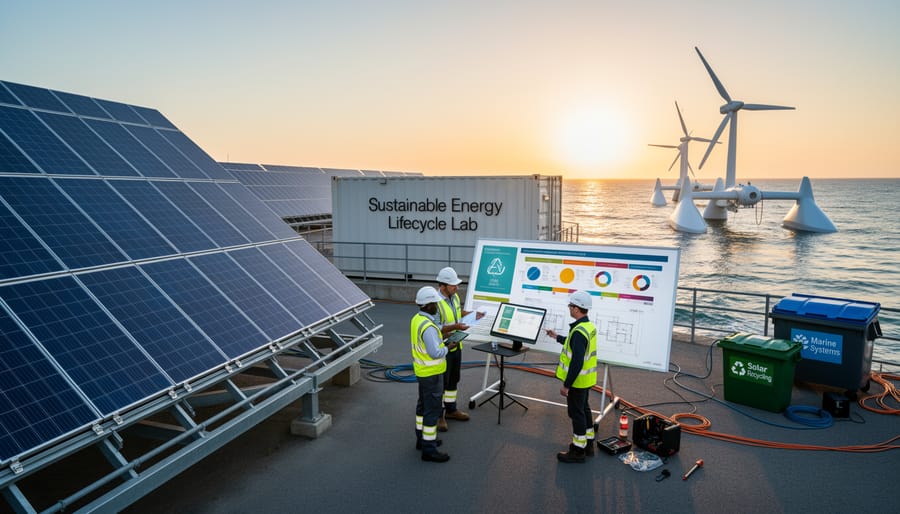
The ocean energy sector’s approach to decommissioning and lifecycle management offers valuable lessons for Illinois solar professionals. By examining these emerging practices, solar installers and businesses can strengthen their own operations and better serve customers throughout the entire solar energy journey.
Start by developing comprehensive end-of-life planning protocols for every solar installation. Just as ocean energy projects must account for decommissioning costs from the outset, solar businesses should incorporate removal, recycling, and replacement options into customer contracts. This transparency builds trust and demonstrates your commitment to sustainable practices beyond the initial installation.
Improve customer communication by addressing the full lifecycle of solar systems. Many homeowners and business owners don’t consider what happens when panels reach the end of their 25-30 year lifespan. Educate clients about recycling options, manufacturer take-back programs, and emerging technologies that recover valuable materials from old panels. This proactive approach positions your business as a knowledgeable partner invested in long-term sustainability.
Consider establishing partnerships with certified solar recycling facilities to streamline the decommissioning process for your clients. Ocean energy companies are creating circular economy models, and solar professionals can do the same by connecting with organizations that repurpose silicon, glass, aluminum, and other components from retired panels.
Document and share your sustainable practices with customers and the broader community. Whether it’s minimizing installation waste, using recycled materials when possible, or properly disposing of damaged equipment, these efforts differentiate your locally owned business in an increasingly competitive market. Your expertise in solar energy extends beyond installation to encompass responsible stewardship of resources throughout the system’s entire lifecycle, ultimately benefiting both Illinois communities and the environment.
As we’ve explored the challenges and opportunities in ocean energy management, one thing becomes clear: proactive end-of-life planning isn’t just an afterthought—it’s a fundamental pillar of truly sustainable renewable energy. Whether we’re talking about wave energy converters in coastal waters or solar panels on Illinois rooftops, responsible decommissioning and recycling practices separate genuinely green energy solutions from those that simply shift environmental problems down the road.
For homeowners and businesses in Illinois considering renewable energy investments, understanding these lifecycle management principles offers valuable perspective. When you partner with a locally owned company that prioritizes long-term sustainability, you’re choosing more than just clean energy generation—you’re supporting an industry that takes responsibility for its products from installation through retirement.
The lessons from ocean energy management apply directly to solar installations. Both technologies require careful planning for eventual decommissioning, material recovery, and environmental restoration. Companies that incorporate these considerations from day one demonstrate their commitment to authentic sustainability, not just short-term gains.
This comprehensive approach to renewable energy management protects your investment while contributing to a circular economy. It ensures that today’s clean energy solutions don’t become tomorrow’s waste management challenges. By choosing partners who understand and implement responsible end-of-life practices, Illinois energy consumers can feel confident that their renewable energy systems deliver environmental benefits throughout their entire lifecycle, strengthening the industry’s credibility and supporting a truly sustainable energy future for our communities.
