
How Microgrid Interconnect Devices Keep Your Power Running When the Grid Fails
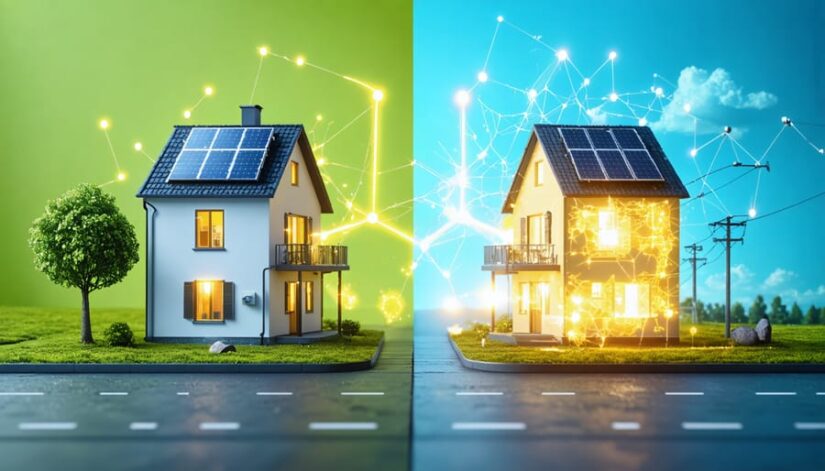
Revolutionize your property’s energy independence with microgrid interconnect devices – the intelligent bridge between your local power generation and the main electrical grid. These sophisticated systems seamlessly manage power flow, automatically switching between grid-connected and island modes to ensure uninterrupted power supply during outages or peak demand periods. For Illinois property owners, particularly those with solar installations, microgrid interconnect devices offer a practical solution to enhance energy reliability while maximizing renewable energy utilization.
The technology serves as your property’s energy traffic controller, orchestrating power flow between solar panels, battery storage, and the utility grid while maintaining strict compliance with Illinois utility regulations. Whether you’re a homeowner seeking enhanced energy security or a business owner looking to optimize power management, these devices provide the critical infrastructure needed to create a more resilient and efficient power system. By intelligently managing power sources and loads, microgrid interconnect devices help Illinois properties achieve greater energy independence while maintaining seamless integration with existing utility services.

What Makes Microgrid Interconnect Devices Essential for Power Security
Seamless Grid Connection and Disconnection
The microgrid interconnect device serves as an intelligent switch that manages the smooth transition between grid-connected and island modes, ensuring uninterrupted power supply for your property. When operating normally, the device maintains synchronization with the utility grid while adhering to Illinois’ grid interconnection standards. During a power outage or when grid conditions become unstable, the device automatically isolates your microgrid from the main grid within milliseconds.
This seamless transition is achieved through sophisticated sensing and control mechanisms that constantly monitor grid parameters like voltage, frequency, and phase angle. When disconnecting, the device ensures all power sources within your microgrid are properly synchronized before switching to island mode. Similarly, when reconnecting to the grid, it verifies that conditions are safe and stable before initiating the transition.
The device also includes built-in protection features that prevent backfeeding into the utility grid during outages, protecting both your system and utility workers. This automated operation means property owners don’t need to worry about manual interventions during power disruptions, making it a reliable solution for maintaining continuous power supply.
Real-Time Power Management
The microgrid interconnect device acts as a sophisticated power traffic controller, constantly monitoring and adjusting power flow between your solar system, battery storage, and the main grid. Using advanced sensors and software, it makes split-second decisions to ensure your property maintains stable power supply while maximizing the use of your solar energy.
When your solar panels are producing excess power, the device automatically directs this surplus either to your battery storage or back to the grid. During periods of higher energy demand or lower solar production, it seamlessly draws power from your batteries or the main grid to maintain consistent operation of your facility.
This real-time management system also responds to power quality issues, such as voltage fluctuations or frequency variations, by automatically adjusting power flow to protect your equipment. The device’s built-in intelligence can prioritize power distribution based on your predetermined preferences, ensuring critical systems receive uninterrupted power during any grid disturbances.
For Illinois property owners, this means more reliable operation during extreme weather events and optimal use of solar resources throughout our varying seasons.
Building Resilience Into Your Solar Power System
Protecting Against Grid Outages
A microgrid interconnect device acts as a vigilant guardian for your power system, constantly monitoring grid conditions and responding instantly to any disturbances. When the main grid experiences issues like voltage fluctuations, outages, or other disruptions, the device automatically isolates your local power system, seamlessly transitioning to island mode operation.
During grid outages, the device ensures your solar panels, batteries, and other power sources continue working together efficiently to maintain power to your critical loads. This intelligent switching happens in milliseconds, so quick that most modern electronics won’t even notice the transition.
The device also provides multiple layers of protection. It monitors power quality parameters like voltage, frequency, and phase alignment, ensuring the power flowing to your property meets strict safety and quality standards. If conditions fall outside acceptable ranges, the device takes immediate corrective action.
When grid power returns, the interconnect device doesn’t rush to reconnect. Instead, it verifies that grid conditions have stabilized and remained stable for a preset period. Only then does it synchronize your local system with the grid and restore the connection, preventing damage from unstable grid conditions.
For Illinois property owners, this capability is especially valuable during severe weather events or peak demand periods when the main grid is most vulnerable to disruptions. The device’s protective features ensure your power system remains reliable when you need it most.

Integration with Battery Storage
The microgrid interconnect device serves as a crucial bridge between your power generation systems and energy storage systems, ensuring seamless coordination between these vital components. This intelligent device manages the flow of power to and from your batteries, optimizing charging cycles and discharge timing based on your energy needs and production levels.
When your solar panels generate excess electricity during peak sunlight hours, the interconnect device directs this surplus power to charge your batteries. During periods of low solar production or grid outages, it automatically switches to battery power, maintaining a consistent energy supply for your essential operations.
The device’s sophisticated controls monitor battery health, state of charge, and optimal operating conditions. It prevents overcharging and deep discharge situations that could damage your batteries, extending their lifespan and protecting your investment. For Illinois property owners, this means reliable backup power during extreme weather events and the ability to participate in demand response programs.
Advanced models feature smart scheduling capabilities, allowing you to program battery charging during off-peak hours when electricity rates are lower. This functionality helps maximize your energy savings while maintaining grid stability. The device also provides real-time monitoring and reporting features, giving you complete visibility into your storage system’s performance and energy flow patterns.
Smart Features for Modern Power Needs
Remote Monitoring and Control
Modern microgrid interconnect devices come equipped with sophisticated monitoring and control capabilities that put system management at your fingertips. Through user-friendly smartphone apps or web-based dashboards, you can track your system’s performance in real-time from anywhere with an internet connection.
These smart interfaces display essential metrics like power generation, consumption patterns, and battery storage levels in easy-to-understand graphics. You can monitor how much energy your solar panels are producing, how much is being stored, and when power is being drawn from or exported to the main grid.
The remote control features allow you to optimize your system’s performance based on your specific needs. You can set preferences for when to use stored energy versus grid power, adjust charging schedules, and even program automated responses to changes in electricity rates or weather conditions.
Many systems also include alert notifications that inform you about potential issues, maintenance needs, or opportunities to maximize savings. This proactive monitoring helps prevent problems before they affect your power supply and ensures your microgrid operates at peak efficiency year-round.
For Illinois property owners, these monitoring capabilities are particularly valuable during extreme weather events, allowing you to manage your power resources effectively when grid reliability might be compromised.

Automatic System Optimization
The microgrid interconnect device employs sophisticated monitoring and control algorithms to continuously optimize system performance. By analyzing real-time data from multiple sources, including power generation, storage levels, and consumption patterns, the device makes intelligent decisions to maximize efficiency and reduce energy costs.
The system automatically balances power flow between different energy sources, prioritizing renewable energy when available while ensuring reliable backup power is ready when needed. During peak solar production hours, for example, the device can direct excess power to battery storage or distribute it to other parts of the facility where demand is higher.
Smart load management features allow the device to automatically shed non-essential loads during power constraints, ensuring critical operations remain unaffected. The system also learns from historical usage patterns to predict and prepare for upcoming demand changes, adjusting power distribution accordingly.
Weather forecasting integration enables the device to anticipate solar production variations and adjust its optimization strategy. When storms are approaching, the system can automatically increase battery charging to ensure adequate backup power is available.
This autonomous operation reduces the need for manual intervention while maintaining optimal system performance, ultimately leading to increased energy savings and improved grid reliability.
Making the Right Choice for Your Property
When selecting a microgrid interconnect device for your property, several key factors deserve careful consideration. First, assess your property’s current and future power needs, including peak demand periods and critical loads that require uninterrupted power supply. This evaluation will help determine the appropriate size and capabilities of your interconnect device.
Consider your existing or planned renewable energy systems, such as solar panels or wind turbines. The interconnect device should seamlessly integrate with these systems while maintaining compatibility with your local utility grid. In Illinois, where weather conditions can be unpredictable, ensure the device meets local codes and standards for grid interconnection.
Your budget plays a crucial role, but remember to think long-term. While initial costs might seem significant, factor in potential energy savings, reduced downtime, and increased energy independence. Many property owners find that the return on investment becomes apparent within a few years through lower utility bills and improved power reliability.
Installation requirements and available space should also guide your decision. Some devices require dedicated electrical rooms or specific environmental conditions. Work with a qualified local installer who understands Illinois-specific regulations and can ensure proper integration with your existing electrical infrastructure.
Lastly, consider the manufacturer’s reputation, warranty terms, and local support availability. Choose a device with proven reliability and readily available maintenance services to protect your investment and ensure optimal performance throughout its lifetime.
Microgrid interconnect devices represent a crucial advancement in modern power systems, particularly for Illinois property owners looking to enhance their energy independence and reliability. These devices serve as the backbone of resilient power networks, enabling seamless transitions between grid-connected and island modes while maintaining stable power supply during outages. As our energy landscape continues to evolve with increasing renewable integration and growing demand for reliable power, these interconnect devices will play an even more vital role in future-proofing our electrical infrastructure. By investing in microgrid interconnect technology today, property owners are not just securing their immediate power needs but are also positioning themselves to take advantage of emerging smart grid capabilities and energy management opportunities. The flexibility and control offered by these devices make them an essential component for anyone serious about building a sustainable and resilient power system for the future.
